
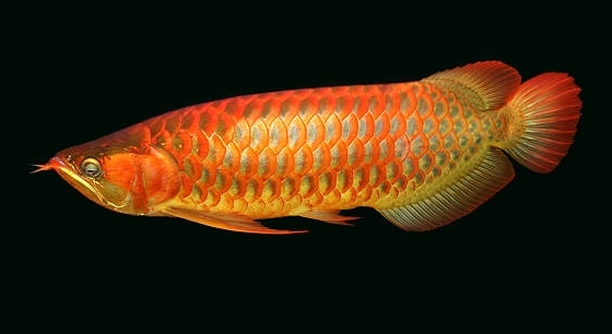
Many aquarists enjoy keeping Arowanas because of their beauty and elegance. Ensuring their tank is clean can seem simple, but small mistakes during cleaning can easily create stress for these sensitive fish.
Arowanas are highly sensitive to environmental changes, and improper cleaning can cause stress. Common errors include over-cleaning, using harsh chemicals, neglecting water quality, disturbing decorations, and inconsistent maintenance, all of which can negatively affect their health and behavior.
Understanding these common mistakes will help you create a calmer, healthier environment for your Arowana and maintain its well-being over time.
Using Harsh Chemicals
Many people think using strong cleaners will keep the tank sparkling. I used to reach for bleach or ammonia without thinking, believing it was the fastest way to disinfect. Over time, I noticed my Arowana becoming restless after these cleanings. Harsh chemicals can leave invisible residues even after rinsing. Fish gills are extremely sensitive, and exposure can lead to irritation, reduced appetite, or even long-term health problems. Switching to fish-safe cleaners and vinegar solutions made a huge difference in my tank. I now clean decorations separately and use warm water to rinse everything thoroughly. Even small amounts of residue can stress your Arowana. By taking a gentler approach, the water stays safe, and my fish swims calmly without sudden flares of agitation. This method may take a little longer, but the improvement in fish behavior is worth it. Using mild cleaning techniques helps maintain a stable environment that supports natural behaviors and reduces stress-related illnesses.
Harsh chemical cleaners are unsafe for Arowanas, potentially causing gill irritation and behavioral stress. Using fish-safe solutions ensures a safer habitat.
Regularly rinsing decorations and avoiding chemicals during tank cleaning significantly improves your Arowana’s comfort. It also prevents sudden changes in water chemistry that may trigger stress responses. Careful cleaning habits build a healthier habitat for your fish.
Over-Cleaning the Tank
Over-cleaning can seem helpful, but it often backfires. Constantly removing debris, changing water, or scrubbing the substrate can disturb the natural balance of the tank. I used to change half the water weekly and vacuum the gravel aggressively. After noticing my Arowana hiding more often, I realized I was stressing it unnecessarily. Beneficial bacteria help break down waste and maintain water quality. Excessive cleaning removes these bacteria, leading to unstable water conditions. Maintaining a regular, but not extreme, cleaning schedule stabilizes the tank environment. For my tank, a 25% water change every two weeks and gentle substrate maintenance keeps the water clean without stressing the fish. Observing the Arowana’s behavior after cleaning helps adjust the routine. Minimal interference often results in calmer, healthier fish that display natural swimming patterns. Over time, I learned that patience and moderation are more effective than aggressive cleaning. Less frequent, careful maintenance preserves both water balance and the fish’s comfort.
Over-cleaning disrupts bacteria balance and can increase stress levels in Arowanas. Gentle cleaning maintains a healthy habitat without unnecessary disturbance.
A well-maintained tank requires careful water monitoring, occasional substrate cleaning, and strategic water changes. Avoiding aggressive cleaning prevents sudden chemical swings and helps your Arowana feel secure. Observing natural fish behavior guides the right balance for cleaning frequency.
Ignoring Water Parameters
Maintaining stable water parameters is crucial. I once ignored slight changes in pH and temperature, thinking it was fine. My Arowana quickly became restless, showing how sensitive they are to fluctuations.
Monitoring temperature, pH, and ammonia levels regularly prevents stress. Using reliable test kits ensures that small changes are caught early. I keep a daily log of water conditions to spot trends and act before problems arise. Adjusting temperature gradually and using buffering solutions when necessary keeps conditions stable. My Arowana swims calmly when the water is consistent. Avoiding sudden changes in water chemistry helps prevent stress-induced illnesses and supports long-term health. Investing time in regular testing reduces the chances of sudden disease outbreaks and keeps the fish active and alert. Over time, maintaining balanced parameters has made a noticeable difference in both the behavior and appearance of my Arowana.
Even small shifts in water quality can disturb an Arowana. Stability is key to a calm, healthy fish.
Disturbing Decorations
Constantly rearranging decorations or introducing new items can unsettle your Arowana. I learned this after moving rocks and plants frequently, noticing my fish avoiding certain areas.
Arowanas rely on a consistent environment to feel safe. Sudden changes make them wary and increase stress. When I first added a large ornament, my Arowana swam frantically before gradually exploring the new setup. I now plan changes carefully, moving one decoration at a time and observing the response. Maintaining familiar hiding spots and open swimming areas helps the fish feel secure. Gradual introductions allow adaptation without unnecessary stress, while aggressive rearrangements can trigger anxiety. Consistency supports feeding routines, natural swimming patterns, and overall well-being.
Keeping decorations stable reduces stress and encourages natural behavior. Gradual adjustments allow Arowanas to explore without fear.
Feeding Immediately After Cleaning
Feeding right after a tank cleaning can stress your Arowana. I noticed my fish refused food when I combined both activities.
It is better to wait a few hours after cleaning. This allows the water to settle and any disturbance from cleaning to dissipate, creating a calmer environment for feeding.
Using Tap Water Without Treatment
Tap water contains chlorine and heavy metals that are harmful to Arowanas. I learned this after seeing my fish show signs of irritation. Treating water before adding it is essential.
Skipping Filter Maintenance
A clean filter is critical for water quality. I once delayed filter cleaning and noticed ammonia levels rising quickly, stressing my Arowana. Regular filter checks prevent buildup, ensure proper flow, and maintain a healthy, stable tank environment for the fish.
Overcrowding the Tank
Too many fish increase stress levels. I added extra tank mates without considering space, and my Arowana became aggressive and restless.
FAQ
What is the safest way to clean an Arowana tank?
I always use fish-safe cleaning solutions or plain vinegar for decorations. Avoid bleach or harsh chemicals entirely. Rinse everything thoroughly with warm water before returning it to the tank. Gentle cleaning keeps the water safe and prevents irritation to my Arowana’s gills, which are very sensitive.
How often should I change the water?
I change about 20–25% of the water every two weeks. Overdoing water changes can remove beneficial bacteria and destabilize the tank. Observing your fish’s behavior and testing water parameters regularly helps determine the best schedule for your tank’s specific needs.
Can I use tap water directly for my Arowana?
No, tap water contains chlorine and heavy metals that can harm the fish. I always treat tap water with a dechlorinator or water conditioner before adding it to the tank. This prevents gill irritation and other health issues.
Why does my Arowana hide after cleaning?
Hiding is a natural response to stress. My Arowana often hides when the tank is freshly cleaned or rearranged. It needs time to adjust to changes in its environment. Keeping a consistent setup and avoiding sudden, drastic cleaning routines helps the fish feel safe.
Is overfeeding harmful after cleaning?
Yes, overfeeding adds excess waste to the tank, which can increase ammonia and nitrite levels. I feed small portions and wait until the fish finishes before adding more. Proper feeding ensures clean water and reduces stress.
What temperature should my Arowana tank be?
Arowanas prefer stable water temperatures between 75–82°F (24–28°C). Sudden temperature changes stress them easily. I use a reliable heater and thermometer to monitor the tank, making small adjustments if necessary to avoid shocks to the fish.
How do I introduce new decorations without stressing my fish?
I add one item at a time and place it in a less central area first. Observing my Arowana’s reaction helps me decide whether to leave it there permanently. Gradual changes allow the fish to explore safely without triggering anxiety.
Can stress from cleaning cause disease?
Yes, prolonged stress lowers the immune system. My Arowana once developed minor infections after repeated aggressive cleaning. Keeping a calm environment, monitoring water quality, and avoiding harsh chemicals reduces the risk of stress-related illnesses.
How do I know if my cleaning routine is too much?
If your Arowana becomes restless, hides often, or refuses food after cleaning, the routine may be too frequent or aggressive. I noticed calmer behavior when I slowed down the cleaning schedule and focused on gentle maintenance.
Are there any quick tips to reduce stress during cleaning?
I always move decorations slowly, avoid loud noises, and use gentle water changes. Ensuring proper water parameters, gradual adjustments, and patience allows my Arowana to remain calm during maintenance. Keeping a predictable schedule makes cleaning less stressful over time.
What signs indicate water chemistry is unstable?
Cloudy water, unusual fish behavior, or strong ammonia/nitrite smells signal imbalance. I check water parameters regularly and make small, controlled adjustments. Maintaining stability prevents stress and supports healthy swimming and feeding behaviors.
How do I maintain beneficial bacteria while cleaning?
I avoid cleaning all surfaces at once and never replace the entire filter media. Preserving bacteria in substrate and filter helps break down waste naturally. My tank stays balanced, and my Arowana experiences minimal stress.
Can rearranging the tank cause long-term stress?
Frequent, major rearrangements increase stress. I learned that keeping decorations consistent and only making small changes occasionally creates a safe, familiar environment. This reduces hiding, aggression, and loss of appetite.
What’s the best way to monitor my Arowana’s health after cleaning?
I watch for normal swimming, regular feeding, and calm behavior. Testing water parameters and checking for physical signs like fin damage or gill irritation gives a complete picture. Regular observation ensures my Arowana thrives after each cleaning session.
How can I prevent over-crowding?
I maintain proper tank size and avoid adding too many fish at once. Overcrowding increases waste and competition, stressing my Arowana. Planning tank inhabitants carefully keeps water quality high and fish behavior stable.
Is it okay to clean the filter during a water change?
Yes, but gently. I rinse filter media in tank water, never tap water, to preserve beneficial bacteria. Proper filter maintenance ensures stable water conditions and prevents stress for my Arowana.
How long should I wait to feed after cleaning?
I usually wait two to three hours after cleaning. This gives water time to stabilize and allows my Arowana to adjust. Feeding too soon can cause refusal or stress.
Can stress affect my Arowana’s color or appetite?
Yes, stressed Arowanas may lose color intensity or stop eating. I noticed brighter colors and better feeding habits after switching to gentler cleaning methods and stable water conditions. Maintaining calm conditions supports both health and appearance.
Are there tools that help reduce cleaning stress?
Using a siphon, soft brushes, and fish-safe nets makes cleaning faster and gentler. I also keep a log of water parameters to prevent sudden changes. These tools reduce unnecessary disturbance and keep my Arowana calm.
What should I avoid when cleaning to prevent stress?
Avoid harsh chemicals, excessive water changes, loud noises, sudden decorations movement, and overfeeding. I focus on gentle cleaning and stability to keep my Arowana healthy and comfortable.
How can I tell if my Arowana is adapting well to new cleaning routines?
Calm swimming, regular feeding, and minimal hiding indicate adaptation. I monitor behavior for several days after changes. If the fish shows stress, I adjust my routine to make it slower and gentler.
Why is patience important during tank maintenance?
Patience allows your Arowana to acclimate to changes without stress. I learned that rushing cleaning tasks or forcing water changes leads to agitation and health issues. Taking time ensures a calm, stable environment and happier fish.
How often should decorations be moved?
Only when necessary. I rarely move decorations and do it gradually. Minimal disruption prevents territorial disputes, hiding, and stress-related behaviors. Consistency supports a comfortable habitat for my Arowana.
Can stress from cleaning affect breeding behavior?
Yes, stress may suppress mating or cause aggression. I noticed my Arowana becomes less active around breeding time if cleaning is too aggressive. Gentle maintenance encourages natural behaviors and supports reproductive health.
Is it necessary to quarantine new fish or decorations?
Yes, quarantining prevents diseases and contamination. I rinse decorations thoroughly and monitor new fish separately before introducing them. This reduces stress on the established Arowana population and maintains tank stability.
What is the most common mistake that causes stress during cleaning?
Rushing, over-cleaning, and using harsh chemicals are the main issues I observed. Taking time, using safe products, and maintaining stable water keeps my Arowana calm and healthy.
Maintaining an Arowana tank requires attention to small details that can easily be overlooked. From my experience, even minor mistakes during cleaning can create stress and affect the fish’s behavior. Harsh chemicals, over-cleaning, sudden changes in water parameters, or frequent rearrangement of decorations all have a noticeable impact. I learned that gentle cleaning practices, careful observation, and consistent routines are far more effective than aggressive or hurried methods. Taking the time to use fish-safe cleaning solutions and ensuring that water quality remains stable after each maintenance session makes a significant difference in the Arowana’s comfort and health. It may feel slow or cautious at first, but the results are worth the effort, as the fish remains calm, active, and healthy.
One of the most important lessons I learned is that patience is essential when maintaining an aquarium. Arowanas are highly sensitive to environmental changes, and even small disturbances can lead to stress. By maintaining stable water parameters, monitoring temperature and pH, and avoiding sudden disruptions, the fish adapts more easily to the tank environment. Observing your Arowana’s behavior after each cleaning helps identify stress signals early, allowing you to adjust routines before problems develop. Feeding schedules, water changes, and decoration placement should all be approached with consistency. Over time, these small, deliberate steps prevent unnecessary stress, encourage natural swimming and feeding behaviors, and support the overall well-being of the fish. Understanding that less aggressive, careful maintenance often works better has been a key factor in keeping my Arowana healthy and stress-free.
Creating a safe and stable habitat is the foundation for a healthy Arowana. The fish’s physical health and behavioral patterns are closely linked to the cleanliness and balance of the tank. Overcrowding, skipping filter maintenance, or neglecting to treat tap water can quickly disrupt the ecosystem, leading to stress or illness. I found that gradual adjustments, careful monitoring, and thoughtful cleaning routines allow the Arowana to thrive without unnecessary anxiety. The goal is to maintain a clean, stable environment while minimizing disturbance. By following these practices consistently, I noticed improvements in my fish’s activity, appetite, and color, which are clear signs of a comfortable and healthy habitat. Focusing on careful maintenance and a calm environment ensures that the Arowana enjoys a stress-free life, making tank care more manageable and rewarding.

Hello,
If you enjoy the content that we create, please consider saying a "Thank You!" by leaving a tip.
Every little bit helps us continue crafting quality advice that supports the health, happiness, and well-being of pets around the world, for pets of all shapes, sizes, and species.
We really appreciate the kindness and support that you show us!