
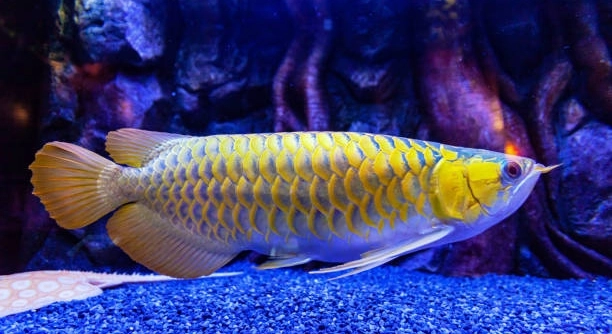
Are your arowanas turning up their noses at every meal you offer? Many owners struggle with feeding these elegant fish, especially when they show selective eating habits that make maintaining proper nutrition a challenge.
Feeding picky arowanas effectively requires a combination of varied food types, consistent feeding schedules, and attention to individual preferences. Techniques such as live food introduction, gradual diet transitions, and targeted feeding methods can significantly improve consumption rates.
Understanding the right approaches will help your arowanas thrive, ensuring they receive adequate nutrition and remain healthy and active in your aquarium.
Introduce Live Foods Gradually
Live foods are highly effective in stimulating arowanas’ appetite. Start by offering small amounts of feeder fish, shrimp, or insects to observe how your fish react. Rotate types of live food to maintain interest and prevent monotony. Avoid overfeeding, as excess can pollute the tank and reduce water quality. Monitor their behavior carefully; some arowanas may initially ignore new food, requiring patience and repetition. Providing live food that moves naturally in the water encourages instinctive hunting behavior, which can be particularly helpful for picky eaters. Always ensure that live food is disease-free to prevent introducing pathogens into the tank. Clean and quarantine live foods if necessary, and avoid prolonged exposure that could compromise water conditions. This method not only increases their willingness to eat but also enhances physical activity and overall health. Gradual introduction is key to long-term success with live feeding.
Feeding live foods can trigger natural instincts and improve overall health while reducing boredom in the tank.
Consistency in offering live foods allows your arowanas to adapt, creating a stable feeding routine that encourages growth and vitality over time.
Offer a Variety of Prepared Foods
Prepared foods, such as pellets and frozen options, provide a reliable source of nutrition for arowanas. Rotate different types to prevent selective eating. Use sinking or floating pellets based on individual preferences and size. Introduce new brands slowly, mixing with familiar foods to ease the transition. Observe which textures and flavors appeal most to your fish. Prepared foods can include high-protein pellets, krill, or shrimp-based formulas to mimic natural diets. Avoid feeding exclusively one type, as nutritional imbalances can occur. Varying the diet helps reduce stress and maintains consistent appetite. Feeding multiple times a day in smaller portions encourages consistent consumption. Keep uneaten food removed promptly to maintain water quality and prevent disease. Incorporating prepared foods alongside live or frozen options supports balanced nutrition while accommodating picky behaviors.
Rotating foods ensures arowanas remain interested and receive complete nutrition without overreliance on one source.
With consistent introduction and careful observation, arowanas will gradually accept a broader range of prepared foods. Combining textures, flavors, and feeding techniques helps maintain interest, reduces stress, and supports healthy growth while preventing selective eating habits from becoming entrenched.
Hand-Feeding Techniques
Hand-feeding helps picky arowanas build trust and encourages consistent eating habits. Offer food directly with tweezers or fingers, allowing the fish to associate your presence with meals. This method also helps monitor portion size and prevent waste.
Start by holding a small piece of food near the water surface. Slowly move it toward the arowana, allowing it to snatch the item naturally. Repeat this several times per session to reinforce recognition. Hand-feeding promotes interaction and helps identify individual preferences for certain foods, making it easier to adjust the diet. Avoid sudden movements or loud noises that could scare the fish, and maintain a calm routine to build confidence. Over time, most arowanas respond eagerly to hand-feeding, making it a reliable strategy for selective eaters. This technique also strengthens the bond between owner and fish while ensuring proper nutrition.
Combining hand-feeding with other methods enhances effectiveness. Alternating live, frozen, and prepared foods while offering some by hand encourages consistent consumption and variety.
Feeding in Small Portions
Feeding small portions reduces waste and prevents overfeeding. Divide daily rations into multiple meals instead of one large feeding to maintain water quality.
Smaller, frequent meals mimic natural hunting patterns and keep arowanas engaged. By offering limited quantities at a time, you can observe how much each fish consumes and identify preferences or reluctance. This approach also reduces the risk of uneaten food decomposing in the tank. Ensure portions are appropriate for the size of each fish to avoid bloating or digestive issues. Maintaining a regular schedule reinforces their appetite and encourages predictable feeding behavior. Monitor each meal and adjust portion sizes if consumption changes, keeping the tank environment clean and stable.
Over time, this method supports consistent growth and encourages even the pickiest arowanas to eat regularly. Properly timed small meals maintain appetite, reduce stress, and create a healthier feeding routine for the entire tank.
Use Feeding Rings
Feeding rings keep food contained and make it easier for arowanas to locate meals. They prevent pellets and frozen items from scattering, reducing waste and maintaining water quality.
Position the ring near your arowana’s preferred swimming area. This encourages targeted feeding and helps picky fish focus on the food without distractions.
Soak Dry Foods Before Feeding
Soaking dry pellets or flakes softens them, making them easier to swallow. This can be especially helpful for young or reluctant arowanas.
Soaked foods also release more scent, attracting the fish and stimulating appetite. Regularly soaking hard foods ensures your arowanas consume them completely and prevents potential digestive issues.
Adjust Feeding Times
Feed your arowanas at consistent times daily. Regular schedules help build anticipation and improve appetite.
Observe Individual Preferences
Pay attention to each arowana’s food choices and eating habits. Not all fish respond the same to specific foods.
FAQ
What is the best food for a picky arowana?
The best food depends on your arowana’s preferences. A combination of live foods, frozen options, and high-quality pellets works well. Live feeder fish or shrimp stimulate natural hunting instincts, while frozen foods like krill or silversides provide convenient nutrition. Pellets should be high in protein and specifically formulated for arowanas. Rotating food types keeps them interested and helps maintain balanced nutrition. Observing which foods your fish consistently eat can guide future feeding choices.
How often should I feed my arowana?
Feeding frequency depends on age and size. Juvenile arowanas need smaller meals 2–3 times daily, while adults typically eat once or twice a day. Dividing the total daily portion into smaller meals helps prevent overeating and keeps water clean. Monitor their appetite and adjust portion sizes accordingly to avoid uneaten food that can cause water issues. Maintaining a consistent feeding schedule encourages predictable behavior and appetite.
Can arowanas eat the same food every day?
Arowanas can eat the same food temporarily, but long-term reliance on a single type can cause nutritional deficiencies and boredom. Varying the diet with different proteins, textures, and flavors is essential for maintaining health and interest in eating. Mixing pellets with live or frozen options ensures all dietary needs are met while reducing the risk of picky behavior.
How do I get a picky arowana to eat live food?
Start by offering small portions of live food and observing the fish’s reaction. Move the food naturally in the water to trigger hunting instincts. Repeat consistently to build recognition, and gradually increase portion sizes. Avoid forcing the fish, as sudden changes can cause stress. Live food should be quarantined and healthy to prevent diseases. Combining this method with hand-feeding can help reinforce interest and confidence in eating.
What if my arowana refuses pellets?
If your arowana rejects pellets, try soaking them in water to soften the texture and release a stronger scent. Mixing pellets with a small portion of frozen or live food can encourage acceptance. Gradually reduce the extra food until the fish eats pellets on their own. Testing different pellet brands or formulas may also help identify one they prefer. Always remove uneaten pellets promptly to avoid water contamination.
Is it okay to feed arowanas human food?
Human foods are generally not recommended for arowanas. Some items like small pieces of fish or shrimp may be tolerated occasionally, but most human foods lack proper nutrition and can cause digestive problems. Stick to foods formulated for arowanas or safe live and frozen options. Avoid processed or seasoned foods entirely.
How do I prevent overfeeding?
Offer only the portion your arowana can finish within a few minutes. Split the daily ration into smaller meals rather than feeding all at once. Observe each meal and remove uneaten food promptly. Overfeeding can lead to bloating, poor water quality, and health problems, so careful portion control is essential for both nutrition and tank maintenance.
Can picky arowanas become less selective over time?
Yes, with patience and consistent feeding techniques, many picky arowanas gradually expand their diet. Introducing new foods slowly, using hand-feeding, feeding rings, and soaking dry foods can help. Maintaining a regular schedule, observing preferences, and offering a variety of textures and protein sources encourages them to accept a broader range of foods.
What signs indicate my arowana isn’t getting enough nutrition?
Look for signs such as weight loss, lethargy, dull coloration, or refusal to eat over several days. Stunted growth or frequent hiding may also indicate nutritional deficiencies. Adjusting the diet, providing varied foods, and monitoring feeding habits can help restore health. Consistent observation ensures that any issues are addressed promptly.
Are there foods arowanas should never eat?
Avoid feeding arowanas wild-caught feeder fish that may carry parasites, processed human foods, or anything heavily seasoned. Foods that are too large, tough, or improperly prepared can cause choking or digestive problems. Stick to safe live, frozen, or high-quality prepared options to protect their health.
How important is water quality for picky eaters?
Water quality is crucial. Poor conditions can reduce appetite and stress fish, making picky behavior worse. Regular water changes, filtration, and monitoring parameters like ammonia, nitrite, and nitrate ensure a healthy environment. Clean water supports feeding consistency and overall well-being, helping arowanas remain active and willing to eat.
Can hand-feeding really help picky arowanas?
Hand-feeding is highly effective. It encourages trust and interaction, making arowanas more likely to try new foods. Use tweezers or fingers to present food slowly, allowing them to snatch it naturally. Repeat consistently and combine with other feeding techniques to maximize acceptance and maintain interest in meals.
What role do feeding schedules play in reducing pickiness?
Consistent feeding times create predictability and anticipation. Fish learn when to expect food, which increases appetite and reduces stress. Skipping meals or feeding at irregular times can worsen selective behavior. Small, frequent meals support digestion, promote healthy growth, and help even the pickiest arowanas become more reliable eaters.
How can I tell if my arowana is getting bored with its diet?
Signs include ignoring food they normally eat, circling without striking, or prolonged hesitation at mealtime. Rotating food types, textures, and flavors keeps feeding interesting. Small adjustments like changing pellet brands or alternating live and frozen foods can restore interest and encourage consistent eating habits.
What is the best approach to introducing new foods?
Introduce new foods slowly, mixing with familiar options. Start with small portions, observe reactions, and repeat over several days. Gradual exposure reduces stress and encourages acceptance. Using hand-feeding or feeding rings can further assist in making the new food appealing and ensuring your arowana consumes it fully.
Feeding picky arowanas can feel challenging, but it becomes manageable with patience and careful observation. Each arowana has its own preferences, so understanding its behavior and reactions to different foods is essential. Some fish may respond eagerly to live foods, while others prefer pellets or frozen options. Observing these tendencies allows you to adjust feeding techniques and create a routine that works for your specific fish. Consistency in meals and variety in food types help maintain arowanas’ health and prevent them from becoming overly selective or refusing to eat entirely. Feeding is not just about nutrition but also about ensuring the fish remain active and stress-free in their environment.
Using multiple feeding techniques can make a significant difference in encouraging even the most selective arowanas to eat. Methods like hand-feeding, soaking dry foods, offering small portions, and rotating between live, frozen, and prepared options provide stimulation and increase appetite. Tools such as feeding rings can help contain food and reduce waste, making meals easier for both you and your fish. Adjusting feeding times and observing individual preferences ensures that each fish gets adequate nutrition while maintaining clean water conditions. These strategies work best when applied together consistently, as they create a predictable and engaging environment that supports healthy eating habits. Over time, even initially picky arowanas can adapt to a more varied diet, which contributes to their overall well-being and longevity.
Caring for arowanas goes beyond simply offering food; it involves maintaining proper water quality, monitoring their health, and being responsive to their needs. Poor water conditions or inconsistent feeding routines can worsen selective behavior and affect their health. By combining observation, patience, and a structured approach to feeding, owners can support their arowanas’ growth and vitality. Maintaining a balanced diet ensures strong development, vibrant coloration, and active behavior, which are indicators of a healthy fish. Ultimately, understanding and accommodating your arowana’s unique feeding habits allows you to create a stable, engaging, and nourishing environment. With consistent effort and attention, picky eating becomes less of a concern, and your arowanas can thrive happily in their tank.

Hello,
If you enjoy the content that we create, please consider saying a "Thank You!" by leaving a tip.
Every little bit helps us continue crafting quality advice that supports the health, happiness, and well-being of pets around the world, for pets of all shapes, sizes, and species.
We really appreciate the kindness and support that you show us!