
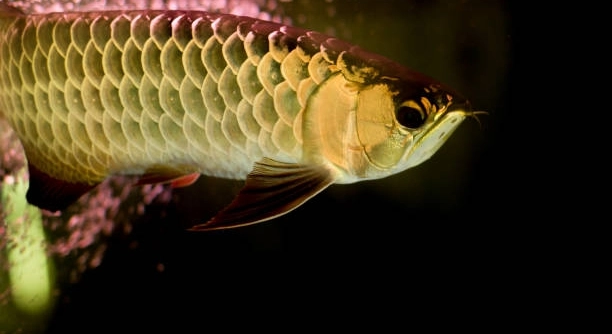
Is your arowana spending most of its time floating idly in the tank, showing little interest in its surroundings or food?
The most effective way to make your arowana more active is by improving its environment and routine. Factors such as tank size, lighting, diet, and enrichment play key roles in stimulating natural behavior and maintaining healthy activity levels.
From feeding techniques to subtle tank adjustments, each step can help your arowana regain its energy and natural grace in the water.
1. Create a Spacious and Stimulating Tank
Arowanas need room to swim freely and express their natural behavior. A cramped tank can make them sluggish and stressed, reducing their activity levels. Aim for a large aquarium—at least 250 gallons for adult arowanas—to allow enough horizontal space. Keep the water clean and stable, as poor water quality often discourages movement. Adding gentle water flow helps mimic natural river currents, encouraging your fish to move around more. Decorations like smooth rocks, driftwood, and plants can provide visual interest without cluttering the tank. Avoid sharp objects that could injure them during quick movements.
When your arowana has enough space and stimulation, it becomes more confident and curious. A larger environment helps them develop their strength and maintain a natural swimming rhythm. Over time, you’ll notice smoother glides, stronger reactions to movement, and a more active presence around feeding times.
A comfortable environment not only supports activity but also improves overall health and longevity. It allows your arowana to feel secure, explore more, and remain engaged with its surroundings. A spacious, well-structured tank provides a foundation for both physical energy and emotional balance, ensuring your fish thrives instead of merely existing in its habitat.
2. Keep a Consistent Feeding Routine
Arowanas are more active when they anticipate mealtime. Feeding at regular times helps regulate their energy and strengthens their response to movement in the tank. Routine creates stability and keeps them alert.
Consistency in feeding builds trust and improves activity levels. Offer a variety of protein-rich foods, including shrimp, insects, and high-quality pellets. Mixing live and frozen options stimulates hunting instincts, making feeding time engaging. Avoid overfeeding, as excess food can lead to lethargy and poor water conditions. Instead, focus on smaller, balanced portions that encourage movement and appetite. Hand-feeding occasionally can help form a gentle bond, motivating your fish to interact more. Always remove uneaten food promptly to prevent waste buildup. Maintaining a steady feeding rhythm enhances both the physical and mental well-being of your arowana, promoting sustained liveliness throughout the day.
3. Adjust Lighting and Temperature
Lighting and temperature directly affect your arowana’s energy levels. Keep the water temperature between 75°F and 82°F and use moderate lighting to mimic natural daylight cycles. Proper balance helps maintain metabolism, mood, and overall activity throughout the day.
Arowanas are sensitive to sudden changes, so adjust temperature and light gradually. Too much brightness can cause stress, while dim or inconsistent lighting may make them sluggish. Use a timer to create a steady day-night rhythm, ideally 10 to 12 hours of light per day. This helps regulate their internal clock, improving feeding behavior and swimming patterns. Regularly monitor the temperature with a reliable thermometer to avoid fluctuations. Stability in both light and warmth promotes consistent energy and confidence, encouraging your fish to explore more.
If your arowana appears inactive, it may be reacting to discomfort from lighting or temperature imbalance. A balanced setup supports natural instincts and keeps their colors vibrant. When these conditions remain steady, your fish adapts better to its surroundings and becomes more responsive to changes, such as feeding or movement near the tank. This environment encourages activity and supports long-term health.
4. Provide Mental Stimulation
Arowanas thrive when they have reasons to explore their space. Adding elements that encourage curiosity, like gentle bubbles, mirrors, or slow-moving tankmates, keeps them mentally engaged and physically active. A bored arowana is often a still one.
Changing the environment slightly every few weeks can make a big difference. Rearrange driftwood, adjust plant placement, or introduce new, safe décor to keep their interest alive. Live foods such as crickets or feeder fish offer mental stimulation through hunting behavior, but use them occasionally to prevent aggression or imbalance in diet. Playing gentle music or lightly tapping near the tank can spark interaction too. Variety is key—your goal is to create moments that challenge and entertain your arowana. This mental enrichment encourages liveliness, sharpens reflexes, and keeps your fish engaged with its surroundings, both physically and mentally.
5. Maintain Clean Water Conditions
Clean water encourages your arowana to swim more and stay alert. Poor water quality leads to stress, illness, and inactivity. Perform regular water changes of about 25% weekly and use a strong filtration system to remove waste efficiently.
Always check ammonia, nitrite, and nitrate levels to prevent harmful buildup. Stable pH and temperature also play a major role in maintaining energy and appetite. Clean water helps your arowana breathe easily, move comfortably, and display brighter colors, which are all signs of good health and activity.
6. Add Suitable Tankmates
Tankmates can motivate your arowana to move more, as long as they are compatible and non-aggressive. Ideal choices include large, peaceful fish such as silver dollars, datnoids, or clown loaches. Avoid small or fin-nipping species that may cause stress. Observation after introduction ensures safety and harmony.
7. Limit Stress Factors
Stress reduces an arowana’s desire to swim or eat. Keep noise, vibrations, and sudden movements around the tank to a minimum. A calm environment allows your fish to feel secure and maintain natural, active behavior.
FAQ
How often should I feed my arowana to keep it active?
Arowanas do best with a consistent feeding schedule. Feed juveniles twice daily and adults once or twice daily with balanced portions. Overfeeding can lead to lethargy, obesity, and poor water quality, while underfeeding reduces energy and activity. Stick to high-protein foods like shrimp, insects, or specialized pellets, rotating occasionally for variety.
Can tank size really affect my arowana’s activity?
Yes, arowanas need ample space to swim and explore. Smaller tanks restrict movement and can cause stress or aggression. For adult arowanas, a tank of at least 250 gallons is recommended, with length and width that allow smooth horizontal swimming. Proper space encourages natural behavior, exercise, and overall vitality.
Does water temperature influence my fish’s behavior?
Absolutely. Arowanas are tropical fish, and temperature impacts metabolism and energy levels. Keep water between 75°F and 82°F. Sudden changes can shock your fish and reduce movement. A stable, warm environment keeps your arowana comfortable, responsive, and more likely to swim actively throughout the day.
How important is water quality for activity levels?
Water quality is critical. Ammonia, nitrite, or nitrate buildup causes stress and inactivity. Perform weekly water changes, test levels regularly, and maintain proper filtration. Clean, stable water encourages exploration, feeding, and swimming while reducing disease risks. Your arowana’s energy reflects the quality of its environment.
Can tank decorations help increase activity?
Yes, appropriate décor provides stimulation. Smooth rocks, driftwood, and plants create hiding spots and exploration opportunities. Rearranging décor occasionally or adding new, safe elements keeps your arowana curious. Avoid sharp or overcrowded decorations that could injure or restrict movement. Mental enrichment supports both physical and behavioral activity.
Are tankmates necessary for an arowana’s activity?
Tankmates are not required but can promote movement if chosen carefully. Large, peaceful species like silver dollars or clown loaches encourage swimming without causing stress. Avoid small or aggressive fish, which may trigger fear or injury. Observe interactions closely during introductions to ensure a safe, harmonious environment.
Does lighting affect my arowana’s energy?
Yes, consistent lighting is important. Use moderate brightness for 10–12 hours daily to mimic natural daylight. Sudden or intense lighting can stress the fish, while dim or inconsistent light can lead to sluggish behavior. Proper lighting helps regulate the fish’s biological rhythm, feeding, and overall activity.
Can live or frozen foods make my arowana more active?
Live and frozen foods stimulate hunting instincts and encourage movement. Offer items like shrimp, feeder fish (occasionally), or insects, but avoid over-reliance on live prey to prevent aggression or health issues. Variety keeps your arowana engaged during feeding and encourages natural swimming and hunting behaviors.
How can I reduce stress that affects activity?
Stress comes from sudden noise, vibrations, overcrowding, or poor water conditions. Minimize disturbances around the tank and maintain a stable, calm environment. Providing hiding spots, clean water, and regular feeding routines helps your arowana feel secure, improving its energy and willingness to move.
What signs show my arowana is becoming more active?
Active arowanas swim smoothly, explore their tank, respond to feeding, and show vibrant colors. They will engage with new décor or tankmates and display normal hunting behavior during feeding. Increased movement, alertness, and responsiveness indicate that your tank conditions and care routines are supporting their activity and health.
This FAQ addresses common concerns about keeping arowanas lively, offering practical strategies to support their physical and mental well-being. Implementing these tips ensures your fish remains engaged, healthy, and consistently active.
Final Thoughts
Keeping an arowana active is largely about creating an environment that meets its physical and mental needs. These fish are naturally curious and energetic, but their energy can be limited by factors such as tank size, water quality, temperature, and feeding routines. A tank that is too small or poorly maintained can easily lead to sluggish behavior. By ensuring there is enough space for swimming and exploration, you allow your arowana to move naturally and maintain its strength. Regular water changes, proper filtration, and stable temperature also play a key role in keeping your fish healthy and active. When these basic conditions are consistently met, your arowana is more likely to display lively, confident behavior, swimming gracefully and interacting with its surroundings.
In addition to environmental factors, mental stimulation is equally important. Arowanas are intelligent fish that respond to changes in their surroundings. Simple adjustments, such as rearranging driftwood, adding plants, or introducing safe tankmates, can encourage curiosity and activity. Feeding routines that include live, frozen, or high-quality pellet foods can also engage hunting instincts, making feeding time more interactive and stimulating. Even minor elements, like moderate lighting that mimics natural day-night cycles, contribute to maintaining a stable routine and energy level. Over time, these measures help your arowana develop healthy habits, stay alert, and enjoy a more enriched life in its tank. Stress reduction is another vital aspect; minimizing loud noises, sudden movements, and overcrowding ensures your fish feels safe and confident enough to explore freely.
Finally, observing your arowana’s behavior regularly is crucial. By paying attention to swimming patterns, feeding responses, and overall activity, you can identify when something is off and make timely adjustments. Active arowanas tend to have brighter colors, smooth movements, and a consistent appetite, while lethargy or hiding can indicate environmental or health issues. Each fish is unique, so learning its habits and preferences allows you to provide care tailored to its needs. Combining proper tank conditions, balanced feeding, mental stimulation, and stress management ensures your arowana remains lively, healthy, and engaged. This approach not only supports physical activity but also contributes to long-term well-being, allowing your fish to thrive and display its natural, graceful behavior.

Hello,
If you enjoy the content that we create, please consider saying a "Thank You!" by leaving a tip.
Every little bit helps us continue crafting quality advice that supports the health, happiness, and well-being of pets around the world, for pets of all shapes, sizes, and species.
We really appreciate the kindness and support that you show us!