
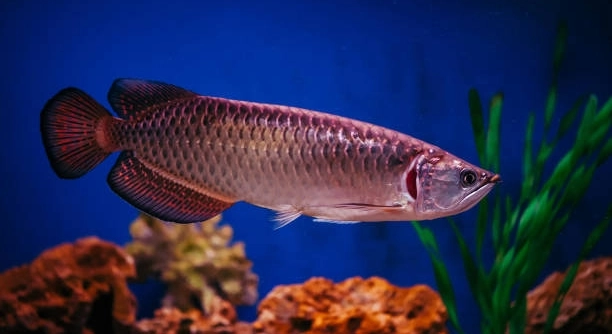
Is your arowana swimming in circles or seeming uninterested in its surroundings? Many fish owners overlook subtle signs that their arowana may not be mentally stimulated or fully engaged in its environment.
A bored arowana often displays repetitive swimming patterns, reduced activity, and a lack of interest in feeding or interacting with enrichment items. These behaviors indicate that the fish’s environment may be under-stimulating or lacking necessary complexity.
Recognizing these behaviors early helps you take steps to keep your arowana active and healthy. Proper care can improve its overall well-being and enjoyment in the tank.
Signs Your Arowana Is Bored
A bored arowana often shows changes in its usual behavior. You might notice it swimming back and forth along the same path repeatedly, spending long periods hiding, or ignoring food. Some arowanas may even bump against tank walls or decorations. These behaviors are subtle but consistent. Over time, a lack of mental stimulation can affect their health and appetite. It’s important to observe patterns daily, noting anything unusual. Even small changes, like a decreased response to feeding or tank activity, can indicate that the fish needs more engagement. Tank size, decor, and interaction all play roles in keeping an arowana active. By paying attention to these details, you can spot boredom before it impacts health, ensuring your fish remains vibrant and lively. Providing variation in the environment helps maintain natural behavior and prevents stress-related problems.
Bored arowanas often seem listless and uninterested in their surroundings. These signs indicate that adjustments are needed in their environment.
Addressing boredom involves adding stimulation such as live plants, floating decorations, or objects that encourage exploration. Changing feeding routines or introducing new enrichment tools can reignite interest. Regular observation of behavior allows for timely adjustments. Ensuring the water conditions are optimal also supports a healthy, active fish.
Ways to Keep Your Arowana Engaged
Adding enrichment items in the tank provides mental stimulation for your arowana. Items like floating logs or hanging objects give it something to explore and interact with. Movement within the tank encourages natural swimming behaviors and prevents repetitive patterns. Even rearranging decorations occasionally can maintain interest.
Feeding techniques can also promote engagement. Offering live or varied foods encourages hunting and foraging behavior. Small, frequent feedings rather than one large feeding per day can keep the fish alert and active. Rotating enrichment items prevents monotony and keeps the tank environment dynamic. Observation is key—watching how the fish responds to changes helps identify what works best. Some arowanas enjoy chasing moving objects or following finger movements along the glass. Ensuring the tank has enough open space for swimming and hiding spots for rest helps balance activity and relaxation. Regular maintenance of water quality, temperature, and filtration supports physical and mental health, making enrichment efforts more effective. Ultimately, creating a stimulating environment prevents boredom and supports long-term well-being.
Common Behavioral Changes
A bored arowana may stop showing excitement during feeding. It can also spend long periods in one corner of the tank or exhibit repetitive swimming along the same route, showing little curiosity for new objects or movements.
Repetitive swimming is a clear indication that the fish lacks mental stimulation. When an arowana is bored, it often ignores enrichment or toys in the tank. Reduced interaction with food or hesitation to approach feeding areas signals disinterest. Some fish may appear restless yet unmotivated, moving in circles without purpose. Consistent observation is essential to catch these subtle changes early. Adjusting the environment and feeding patterns can re-engage the arowana and improve its overall activity.
Boredom can also affect social behaviors. Arowanas that usually respond to reflections or tank companions may stop reacting. They may lose interest in following movements or exploring corners, showing signs of apathy and mental fatigue.
Environmental Adjustments
Adding new objects or rearranging existing decor stimulates exploration and prevents monotony. Simple changes like floating plants or rocks can provide hiding spots and create interest for the arowana.
Varying the tank layout encourages natural behaviors and keeps the fish active. Introducing objects with different textures or shapes can promote interaction, and even small changes in position can spark curiosity. Regularly changing feeding locations or offering live or moving foods helps maintain alertness. Maintaining water quality and stable temperature supports health and energy levels, making enrichment efforts more effective. By monitoring reactions to adjustments, you can identify what keeps the arowana engaged and reduce repetitive or apathetic behaviors over time.
Adjusting Feeding Routines
Changing feeding times can make your arowana more alert and active. Small, frequent meals encourage movement and engagement, preventing long periods of inactivity in the tank.
Offering varied foods such as live or frozen options stimulates natural hunting instincts. Rotation in diet keeps the fish interested and mentally engaged.
Monitoring Health Indicators
Behavioral changes can be linked to health issues. Lethargy, loss of appetite, or unusual swimming patterns may signal stress or illness rather than simple boredom. Observing these indicators helps distinguish between medical concerns and environmental factors.
Creating Hiding Spots
Adding caves, logs, or dense plants provides security and stimulation. Hiding spots give the arowana places to explore, rest, and feel safe.
FAQ
How can I tell if my arowana is bored or sick?
Boredom and illness can sometimes look similar, but there are differences. A bored arowana often swims in repetitive patterns, ignores enrichment, and shows less interest in food, but otherwise appears healthy. A sick arowana may show additional signs like discoloration, clamped fins, labored breathing, or sudden changes in behavior. Observing feeding habits and physical condition regularly helps distinguish between the two. Keeping a log of behavior and tank conditions can make it easier to spot early signs of stress or illness versus simple boredom.
What types of enrichment are best for arowanas?
Floating logs, rocks, and artificial plants can provide hiding spots and create a more engaging environment. Objects with different shapes and textures encourage exploration. Moving decorations occasionally or changing their positions can prevent the tank from becoming monotonous. Live plants can also provide visual stimulation and natural interaction. Combining physical objects with varied feeding techniques, such as hiding food or using live prey, keeps the arowana mentally active. Rotation and occasional changes ensure the fish remains curious about its environment.
How often should I rearrange the tank?
Small changes every few weeks are sufficient to maintain interest. Drastic or frequent changes can stress the fish, so adjustments should be gradual. Even moving one object or slightly altering the position of plants or rocks can stimulate curiosity. Observation is key—if the arowana seems more active after changes, the adjustments are effective. Combining rearrangement with enrichment and feeding variation produces the best results for keeping the fish engaged and healthy.
Is it normal for arowanas to swim in circles?
Swimming in circles occasionally can be normal, especially during feeding or exploration. However, constant repetitive circling along the same path often indicates boredom or insufficient stimulation. If paired with lack of interest in food, hiding spots, or enrichment items, this behavior signals that the tank environment needs attention. Adding enrichment and varying activities can reduce repetitive swimming and promote natural behaviors.
Can boredom affect my arowana’s health?
Yes, prolonged boredom can lead to stress, loss of appetite, and weakened immune response. Mental under-stimulation can also result in repetitive behaviors that may cause physical strain or injury over time. Keeping the tank environment engaging with enrichment, varied feeding, and occasional rearrangements helps prevent these issues and supports overall well-being.
How can feeding routines help prevent boredom?
Offering smaller, more frequent meals keeps the fish active throughout the day. Varying the type of food, such as live, frozen, or pellet options, stimulates natural hunting and foraging behaviors. Hiding food in different areas of the tank encourages movement and exploration. Consistent observation allows you to adjust feeding routines based on activity levels and engagement, keeping the arowana mentally and physically active.
Do arowanas interact with tankmates if they are bored?
Some arowanas may show reduced interaction with tankmates when bored, appearing indifferent or inactive. Conversely, introducing new fish or compatible companions without proper planning can create stress instead of stimulation. Observing responses carefully ensures that social interactions remain positive and do not lead to aggression or anxiety. Proper enrichment often has a stronger impact than tankmates alone.
How do I know if my enrichment efforts are working?
Signs of effective enrichment include increased exploration, more active swimming, engagement with toys or decorations, and responsiveness during feeding. Arowanas may investigate new objects, hide occasionally, or show curiosity toward movement in the tank. If these behaviors are consistent, the enrichment strategies are successful. Tracking changes over time helps refine the environment to keep the fish stimulated and healthy.
What should I do if my arowana remains inactive despite changes?
If inactivity continues after enrichment and feeding adjustments, consider reviewing water quality, temperature, and filtration. Persistent lethargy may indicate underlying health problems. Consulting a veterinarian experienced with exotic fish is recommended to rule out illness. Environmental adjustments alone may not resolve the issue if the fish has medical concerns, so professional advice ensures proper care and intervention.
Are live foods necessary for mental stimulation?
Live foods can enhance natural hunting behaviors and provide mental engagement, but they are not strictly necessary. Frozen or high-quality prepared foods can also be used effectively. The key is variety and occasional novelty to encourage exploration and activity. Combining different feeding methods and enrichment ensures consistent stimulation without over-reliance on live prey.
How important is tank size for preventing boredom?
Tank size is crucial. Arowanas require ample swimming space to maintain physical and mental health. Small or overcrowded tanks limit movement, increase stress, and reduce engagement with enrichment. Providing enough room for natural behaviors alongside hiding spots and interactive elements ensures the arowana remains active, alert, and healthy.
Can water quality affect engagement?
Poor water quality reduces activity and can mimic signs of boredom. Maintaining proper filtration, temperature, and chemical balance supports overall health and encourages natural behavior. Clean, well-maintained water makes enrichment and feeding efforts more effective, allowing the arowana to respond to stimuli and remain active.
Final Thoughts
Keeping an arowana engaged requires consistent attention to its environment and daily behavior. These fish are naturally curious and active, and without stimulation, they can develop repetitive behaviors or lose interest in their surroundings. Observing the way your arowana swims, eats, and interacts with its tank is the first step in identifying boredom. Subtle signs like lingering in one spot, circling the same path, or ignoring enrichment can indicate that changes are needed. Adjustments don’t have to be drastic; even small modifications, such as adding floating decorations, rearranging plants, or offering new hiding spots, can significantly improve engagement. Regular observation allows you to notice patterns and tailor enrichment to your fish’s preferences, supporting both its mental and physical well-being.
Feeding routines also play a key role in preventing boredom. Offering small, varied meals throughout the day encourages natural foraging and hunting behaviors, keeping the fish alert and active. Incorporating different textures, shapes, or live and frozen foods stimulates curiosity and interaction with the tank environment. Hiding food in new locations or occasionally changing the feeding schedule helps maintain interest. Beyond feeding, enriching the tank with objects that encourage exploration creates a dynamic and stimulating space. Arowanas respond well to novelty, and rotating decorations or introducing new elements periodically can prevent monotony. Maintaining water quality, temperature, and filtration ensures the fish remains healthy and able to engage fully with the environment. Health issues can sometimes mimic boredom, so keeping conditions optimal helps distinguish between behavioral and medical concerns.
Mental stimulation and a well-structured environment directly impact an arowana’s overall health and longevity. A tank that provides sufficient space, hiding spots, and interactive elements encourages natural behavior and reduces stress. By paying attention to behavioral cues and adjusting the environment accordingly, you can prevent boredom and support an active, engaged fish. Regular enrichment combined with careful observation ensures that the arowana maintains a healthy balance of activity and rest. Creating a consistent yet dynamic environment helps the fish feel secure while encouraging exploration, interaction, and mental engagement. These small, thoughtful adjustments lead to a more lively, healthy, and content arowana over time.

Hello,
If you enjoy the content that we create, please consider saying a "Thank You!" by leaving a tip.
Every little bit helps us continue crafting quality advice that supports the health, happiness, and well-being of pets around the world, for pets of all shapes, sizes, and species.
We really appreciate the kindness and support that you show us!