
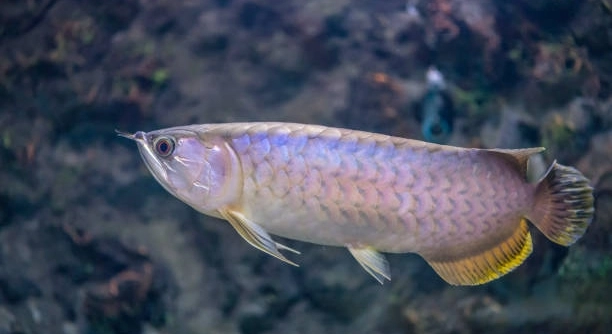
Are your arowanas displaying unusual aggression and causing tension in your aquarium? Managing a single arowana can be tricky, especially when its behavior shifts from calm to hostile seemingly without reason. Understanding these changes is important.
Aggression in a single arowana can stem from various factors, including inadequate tank size, territorial instincts, poor water quality, insufficient stimulation, improper diet, stress from frequent disturbances, and underlying health issues. Addressing these factors systematically reduces conflict and promotes well-being.
Knowing the causes of aggression helps you create a balanced environment and ensures your arowana stays healthy and content in its habitat.
Inadequate Tank Size
Arowanas need plenty of space to swim freely. A tank that is too small can make them feel confined, which increases aggression. When a fish has limited room to explore, it may lash out at its reflection, decorations, or even the water surface. Proper tank size allows them to exercise natural behaviors, swim comfortably, and maintain a healthy stress level. For a single adult arowana, a tank should ideally be at least 250 gallons, with enough width and length to move around. Overcrowding or smaller tanks often lead to heightened territorial instincts and constant agitation. Monitoring water parameters and providing hiding spots can reduce stress, but nothing replaces sufficient space. Ensuring your arowana has an adequately sized tank helps keep it calmer, healthier, and more predictable in behavior. Observing your fish closely will help you notice signs of discomfort before aggression escalates.
Proper tank size is crucial to prevent stress and territorial aggression. Arowanas thrive when they have room to swim.
Spacious tanks also allow for better filtration and more stable water conditions. When arowanas are not cramped, their natural behaviors like gliding, feeding, and exploring occur without triggering defensive or aggressive responses. Small tanks amplify minor irritations, causing frequent attacks on objects or sudden bursts of movement. Providing a large tank is an investment in long-term well-being, helping the fish feel secure and lowering stress levels. Adding soft decorations, floating plants, and varied hiding spots in a large tank enriches the environment further, keeping the fish engaged and less likely to display aggression. Tank size directly influences water quality, reducing the risk of ammonia or nitrate spikes that can worsen irritability. By prioritizing space, owners create a habitat that supports both the physical and emotional health of a single arowana, making daily care more manageable and predictable.
Territorial Instincts
Arowanas naturally defend their space. Aggression can increase when they feel their territory is threatened.
Territorial behavior often shows as chasing, biting, or ramming at objects. Recognizing these tendencies early allows adjustments to the tank setup, like using partitions or rearranging decorations to reduce confrontations.
These fish have strong instincts to protect areas they consider theirs. Even a single arowana may display aggression toward its own reflection or shadows, interpreting them as intruders. Providing clear zones within the tank can help manage this behavior. Floating plants, driftwood, and rocks create boundaries that make the fish feel secure, reducing the frequency of attacks. Ignoring territorial instincts can lead to chronic stress, affecting feeding and overall health. It’s also important to avoid sudden changes in the tank that can trigger defensive behavior. Maintaining a predictable environment and consistent routines helps the arowana feel in control, minimizing stress-induced aggression. Observing patterns in movement and aggression helps owners anticipate triggers and adjust the habitat accordingly, ensuring a calmer, healthier fish.
Do you want me to continue with the next causes in the same detailed format?
Poor Water Quality
Low water quality can trigger aggression in arowanas. High ammonia, nitrite, or nitrate levels make them irritable and prone to attacks, even in a single-fish setup. Regular testing and maintenance are essential.
Maintaining clean water is critical for both behavior and health. Poor water conditions stress arowanas, leading to erratic swimming, sudden lunges, and territorial outbursts. Even a single arowana may start biting tank decorations or thrashing when water parameters are off. Weekly water changes, proper filtration, and monitoring temperature and pH stabilize their environment, reducing aggression. Contaminated water can also weaken their immune system, making them more sensitive to minor irritations. Providing a consistent and clean aquatic environment ensures the arowana feels secure and minimizes irritability.
Stress from dirty water not only affects behavior but also impacts appetite and energy. Fish exposed to poor water quality may refuse food, hide excessively, or constantly patrol the tank aggressively. This behavior can escalate if ignored, creating a cycle of stress and heightened aggression. Using a reliable testing kit to track ammonia, nitrites, and nitrates, combined with timely water changes, prevents buildup of harmful substances. Additionally, keeping the water temperature stable and avoiding sudden fluctuations maintains comfort. Over time, attentive water management supports natural behavior, reduces defensive aggression, and promotes overall well-being. Consistency and diligence in water care make the tank safer and calmer for the arowana.
Insufficient Stimulation
Arowanas need mental and physical stimulation to stay calm. Without it, boredom can lead to increased aggression and destructive behavior.
Providing a dynamic environment keeps the fish engaged. Adding floating plants, driftwood, and varied hiding spots encourages exploration and exercise. Regular interaction through feeding routines or rearranging decorations prevents monotony, which often triggers frustration and attacks. Mental enrichment reduces the focus on imaginary threats, like reflections or shadows, that typically spark aggression.
Boredom can manifest as repetitive swimming patterns, chasing the tank walls, or aggressive lunges at decorations. Introducing occasional enrichment activities, such as rearranging the tank layout or offering new objects, keeps the arowana curious and occupied. Live or frozen foods also stimulate natural hunting instincts, satisfying predatory behavior in a safe way. Rotating decorations and creating different zones in the tank allows the fish to explore new territories without feeling threatened. Structured feeding schedules combined with environmental enrichment enhance well-being, lowering stress-induced aggression. Regular observation ensures the fish remains active but not overstimulated, balancing mental and physical needs.
Improper Diet
Feeding your arowana an unbalanced diet can increase irritability and aggression. High-protein or low-nutrient meals may overstimulate them, causing restlessness.
Arowanas require a varied diet including pellets, live or frozen foods, and occasional vegetables. Nutritional deficiencies or excesses can make them more defensive and reactive, even when alone in the tank.
Stress from Disturbances
Frequent tapping, loud noises, or sudden movements near the tank can stress arowanas. Stress often leads to increased aggression and erratic behavior. Maintaining a calm environment helps them feel secure and reduces unnecessary outbursts.
Health Issues
Illness or injury can trigger aggression in arowanas. Pain or discomfort makes them defensive and more likely to attack objects or their own reflection. Early detection and proper care are crucial to prevent behavioral problems and ensure recovery.
Reflection and Shadows
Arowanas often mistake their reflection or shadows for intruders. This can lead to repeated lunges, tail slapping, and other aggressive behaviors if not managed. Using tank backgrounds or adjusting lighting reduces these visual triggers.
FAQ
Why is my arowana attacking decorations and tank walls?
Arowanas may attack objects when they feel confined or stressed. Limited space, poor water quality, or insufficient stimulation can trigger this behavior. Ensuring a large enough tank, clean water, and varied decorations helps reduce these attacks and keeps your fish calmer.
How do I know if aggression is caused by water issues?
Signs include rapid gill movement, frantic swimming, and sudden lunges. Testing for ammonia, nitrites, nitrates, and pH imbalances can confirm problems. Regular water changes, proper filtration, and stable temperature maintain a comfortable environment and lower aggression.
Can diet affect my arowana’s mood?
Yes, a poor diet can increase irritability. High-protein meals without variety or lacking essential nutrients may overstimulate your fish. Feeding a mix of pellets, live or frozen foods, and occasional vegetables supports natural behavior and helps reduce aggression.
Is tank size really that important?
Absolutely. Arowanas are large, active fish that need space to swim. A small tank increases territorial behavior and stress. For a single adult arowana, a tank of at least 250 gallons is recommended to maintain calm behavior and prevent constant aggression.
How do reflections or shadows trigger aggression?
Arowanas are territorial and may see their reflection or shadows as intruders. This can cause repeated lunges or tail slapping. Using a solid background or adjusting lighting can reduce these triggers and create a more secure environment.
Can stress from outside the tank make my arowana aggressive?
Yes. Loud noises, sudden movements, or tapping on the glass can startle arowanas. They respond defensively, even in a single-fish tank. Keeping the area quiet and avoiding frequent disturbances helps them feel safe and lowers aggressive episodes.
What health issues cause aggression?
Pain or illness can make arowanas defensive. Infections, injuries, or parasites may trigger sudden aggression. Observing changes in behavior, appetite, or appearance and consulting a vet promptly ensures the problem is addressed before it escalates.
How do I enrich a single arowana’s environment?
Adding floating plants, driftwood, and hiding spots encourages exploration. Changing the layout occasionally or introducing new objects stimulates curiosity and prevents boredom-induced aggression. Feeding schedules that mimic natural hunting behavior also help keep the fish active and mentally engaged.
Can a single arowana live peacefully alone?
Yes, if the tank is large enough, water quality is stable, diet is balanced, and stimulation is provided. Managing stress, territorial behavior, and environmental enrichment ensures your arowana remains calm and healthy, even without tankmates.
How often should I monitor aggression?
Daily observation is ideal. Noticing early signs like chasing, lunging, or tail slapping allows you to adjust tank setup, water conditions, or diet. Prompt attention prevents escalation and maintains a balanced, safe environment for your arowana.
What is the best way to prevent aggression long-term?
Consistent care is key. Large tanks, clean water, balanced diet, environmental enrichment, and minimal disturbances reduce aggression. Monitoring behavior, adjusting conditions as needed, and addressing health issues promptly keep your arowana calm and secure over time.
Are there specific objects that trigger aggression more than others?
Shiny surfaces, mirrors, or reflective decorations often provoke attacks. Avoiding reflective materials, providing soft hiding spots, and using neutral-colored décor reduces visual triggers and helps the fish feel safe.
Can changing the tank setup reduce aggression?
Yes. Rearranging plants, driftwood, or rocks can disrupt established territorial boundaries, lowering stress. Rotating objects or creating zones encourages exploration and reduces repetitive aggressive behavior caused by boredom or confinement.
How can I tell if aggression is temporary or chronic?
Temporary aggression usually occurs after changes, like new objects or water adjustments, and decreases within a few days. Chronic aggression is persistent, affecting feeding, swimming, and interactions with tank features. Consistent observation helps determine the cause and appropriate intervention.
Is it normal for a single arowana to be aggressive sometimes?
Yes, occasional bursts are natural due to territorial instincts or minor stress. Regular care, enrichment, and monitoring ensure these episodes remain brief and do not compromise health or well-being.
What are common mistakes that increase aggression?
Small tanks, poor water quality, lack of stimulation, improper diet, and frequent disturbances all contribute. Ignoring these factors allows stress to build, making aggression more frequent and intense. Addressing each factor reduces risks and creates a calmer environment.
How can I safely handle aggression if it escalates?
Avoid tapping or chasing the fish. Focus on correcting environmental factors like water quality, tank size, or diet. Providing hiding spots or temporary partitions can help the fish feel secure while reducing aggressive outbursts.
Does tank lighting affect aggression?
Bright, inconsistent, or harsh lighting can trigger defensive behavior. Adjusting lighting to mimic natural conditions and providing shaded areas helps arowanas feel secure and lowers stress-induced aggression.
Can I train my arowana to be less aggressive?
While not trainable in the traditional sense, consistent routines, environmental enrichment, and minimal disturbances create predictability. This stability reduces stress and aggressive tendencies over time, making the fish calmer and more manageable.
How important is observation in managing aggression?
Observation is critical. Daily monitoring allows you to detect early signs of stress, water issues, dietary deficiencies, or behavioral changes. Prompt action prevents escalation, ensures health, and helps maintain a balanced environment for a single arowana.
This FAQ covers the most common causes, behaviors, and interventions related to aggression in a single arowana, providing clear strategies to maintain calm and healthy fish behavior.
Managing a single arowana requires attention to multiple factors that influence its behavior. Aggression in these fish is often a response to environmental stressors, inadequate space, or unmet needs. Unlike schooling fish, arowanas can be highly territorial, and even in isolation, they may display defensive or hostile behavior toward their surroundings. Providing a tank that is spacious and well-maintained is the first step in minimizing aggression. Clean water, stable temperature, and proper filtration reduce stress and create a healthy living environment. The fish’s natural instincts, such as territoriality and hunting behavior, also play a significant role in its reactions. Observing the fish regularly allows owners to identify patterns of aggression, which can often be linked to specific causes like reflections, shadows, or sudden disturbances near the tank. By paying attention to these triggers, adjustments can be made to prevent unnecessary outbursts and maintain a calmer fish.
Nutrition and environmental enrichment are equally important in managing arowana aggression. Feeding a balanced diet that combines pellets, live or frozen foods, and occasional vegetables supports both physical health and mental well-being. An unbalanced diet may overstimulate the fish or leave it undernourished, which can heighten irritability. In addition, providing stimulation through tank decorations, hiding spots, and regular changes in layout can prevent boredom-induced aggression. Arowanas are intelligent and curious, and an enriched environment allows them to explore safely and engage in natural behaviors. Even small adjustments, such as adding driftwood, floating plants, or shaded areas, can make a significant difference in reducing stress. Maintaining a consistent routine for feeding and observation also reinforces stability, which helps the fish feel secure in its habitat.
Addressing aggression in a single arowana is a combination of observation, proactive care, and environmental management. Water quality, tank size, diet, stimulation, and health all interact to influence behavior. Chronic aggression is usually a sign that one or more of these factors is not properly managed. Simple measures, such as regular water testing, appropriate tank dimensions, mental enrichment, and attention to diet, can significantly reduce aggressive tendencies. Stress reduction through minimal disturbances and thoughtful tank design further supports calm behavior. While occasional displays of aggression are normal due to the fish’s territorial instincts, consistent and attentive care helps ensure these episodes remain infrequent and mild. Ultimately, understanding and responding to the needs of a single arowana fosters a healthier, more peaceful environment, allowing the fish to thrive and exhibit natural behavior without unnecessary stress or conflict.

Hello,
If you enjoy the content that we create, please consider saying a "Thank You!" by leaving a tip.
Every little bit helps us continue crafting quality advice that supports the health, happiness, and well-being of pets around the world, for pets of all shapes, sizes, and species.
We really appreciate the kindness and support that you show us!