
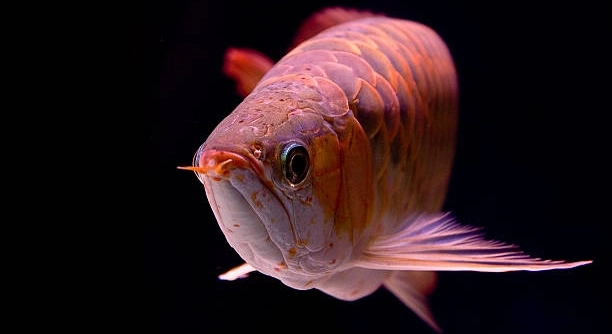
Have you ever wondered if your arowana feels lonely when kept alone in its tank? Many fish owners notice changes in behavior that make them question their pet’s emotional well-being and social needs.
Arowanas can exhibit signs of stress and lethargy when kept in solitude, which may resemble depression. These behaviors often result from limited stimulation, lack of environmental enrichment, or unsuitable tank conditions rather than true emotional loneliness.
Understanding these subtle changes can help you create a healthier environment that supports your arowana’s natural behavior and overall well-being.
Understanding the Emotional Behavior of Arowanas
Arowanas are intelligent and observant fish known for their strong awareness of their surroundings. When they live alone, they may display behaviors that resemble sadness or stress, such as reduced movement, loss of appetite, or spending more time at the bottom of the tank. These changes are often linked to boredom, environmental imbalance, or insufficient stimulation. In the wild, arowanas are solitary but remain highly active in large spaces with natural challenges. Replicating such an environment in captivity helps maintain their mental balance. Providing enrichment like plants, hiding spots, or live prey can prevent lethargy and encourage normal behavior patterns, keeping your arowana engaged and alert.
Arowanas do not experience emotions in the same way humans do, but their behaviors are influenced by environmental factors. A stable, enriched setting allows them to remain active, responsive, and free from stress-related behaviors that mimic depression.
When an arowana’s surroundings lack stimulation, it begins to show subtle changes that signal discomfort. A fish that once eagerly explored may start refusing food or avoiding movement. These shifts are indicators of stress. Regular observation helps you detect these patterns early and make adjustments before they affect your fish’s overall health.
Creating a Healthy and Stimulating Environment
A clean, spacious, and well-maintained tank can significantly improve your arowana’s behavior. Factors such as water quality, lighting, and temperature play a vital role in maintaining its health and activity levels.
To prevent stress-related behavior, ensure your tank provides enough space for free swimming. Arowanas prefer open areas but also benefit from visual barriers like driftwood or plants that make them feel secure. Maintain proper filtration and consistent water changes to prevent ammonia buildup, which can cause discomfort and lethargy. Lighting should mimic a natural day-night cycle to regulate their internal rhythm. You can also add enrichment elements such as floating toys or live feeder fish to encourage hunting instincts and reduce boredom. Small variations in tank setup from time to time can stimulate curiosity. Feeding routines should be balanced and varied, including live, frozen, and pellet food for optimal nutrition. A calm environment, free from constant tapping or sudden movements, further ensures your arowana remains calm, confident, and active.
Signs Your Arowana May Be Stressed or Depressed
Arowanas show their discomfort through noticeable behavior changes. They may refuse food, swim erratically, or isolate themselves near the tank’s bottom. These patterns often develop gradually, making close observation important for early detection and proper care.
When your arowana loses interest in food or becomes less responsive, it’s usually reacting to environmental stress. Poor water quality, lack of space, or sudden temperature shifts can trigger this behavior. Arowanas may also start rubbing against tank surfaces or appear dull in color. These signs indicate discomfort rather than emotional sadness. Regular monitoring of tank conditions and consistent feeding routines can reduce these behaviors. Addressing the root cause early keeps your fish healthy and prevents long-term damage to its immune system.
Physical health can also decline under stress. You might notice frayed fins, white patches, or slowed swimming movements. Such symptoms are often linked to poor maintenance or sudden environmental disturbances, not emotional depression. Observing and correcting tank conditions promptly is the best way to restore stability and keep your arowana thriving.
How to Encourage Positive Behavior
Encouraging active behavior starts with creating a stimulating, balanced environment. Arowanas need both open swimming areas and hiding spaces to feel secure. Consistent lighting, gentle filtration, and minimal disturbance from outside movements all contribute to a calm and comfortable atmosphere.
Regular enrichment activities help maintain your arowana’s mental stimulation. Try rearranging tank decor occasionally or introducing live prey to engage its natural instincts. Offering variety in food choices, such as shrimp, insects, or pellets, prevents monotony and supports nutrition. Observing feeding responses also helps you track health changes. Keep water temperature and pH stable using reliable monitoring tools. Adding floating objects or reflective surfaces can spark curiosity and keep your fish active. By maintaining a clean, well-balanced tank and providing thoughtful enrichment, you encourage consistent, healthy behavior that reflects comfort and confidence in your arowana’s daily routine.
The Role of Routine and Interaction
Maintaining a consistent routine helps your arowana feel secure. Feeding, lighting, and cleaning should follow a predictable schedule to prevent stress. Sudden changes in environment or care habits can confuse your fish, leading to lethargy and irregular behavior patterns.
Gentle interaction also supports comfort and awareness. Observing your arowana daily helps it adjust to your presence while allowing you to monitor its health closely. Avoid tapping on the glass or making loud noises, as these cause unnecessary stress and disrupt natural behavior. Consistency keeps your fish calm and responsive.
Common Mistakes to Avoid
Neglecting water maintenance is one of the biggest mistakes when keeping arowanas. Skipping water changes or overfeeding can quickly alter tank conditions, leading to stress and illness. Avoid overcrowding the tank with decorations, and always check equipment like filters and heaters for proper function.
Final Thoughts on Arowana Well-being
Arowanas thrive best when their environment meets both physical and mental needs. Balanced care, proper nutrition, and an engaging setup can prevent stress-related behaviors and ensure your fish remains active, healthy, and content in its habitat.
FAQ
Can arowanas actually feel emotions like humans do?
Arowanas do not experience emotions in the same way humans do. Their behavior is driven by instinct and environmental cues rather than complex emotional feelings. However, they can show stress or agitation when something in their surroundings changes or becomes uncomfortable. For example, poor water quality or sudden light changes may cause them to act restless or stop eating. These reactions might seem emotional, but they are biological responses. Recognizing and addressing these signs is key to keeping your arowana comfortable and balanced in its environment.
Why does my arowana refuse to eat?
Loss of appetite in arowanas is a common issue often caused by stress, poor water conditions, or repetitive feeding routines. When tank parameters fluctuate or the environment becomes dull, arowanas may stop eating altogether. Try testing the water for ammonia, nitrite, and pH imbalances first. If the water quality is fine, vary your feeding schedule or offer new foods such as prawns, crickets, or mealworms to renew interest. Avoid overfeeding, as uneaten food can spoil quickly and harm water conditions, creating a cycle of stress that worsens appetite loss.
How can I tell if my arowana is bored?
A bored arowana often moves less, swims in repetitive patterns, or stays near one area of the tank. These fish need both mental and physical stimulation to stay healthy. Adding floating objects, plants, or rearranging tank decor helps spark curiosity. Introducing live prey occasionally also encourages natural hunting instincts. Keep in mind that overstimulation—like constant changes or too many bright lights—can be just as harmful. The goal is to create a stable yet interesting environment that keeps your arowana alert and active without overwhelming it.
What tank size is best to prevent stress in arowanas?
Arowanas require large tanks to move freely and maintain proper health. For a juvenile, at least 150 gallons is recommended, but adult arowanas need a minimum of 250 to 300 gallons due to their size and swimming habits. Cramped conditions can cause frustration, poor growth, and aggressive behavior. Always choose a tank with ample horizontal space rather than height alone, as arowanas prefer swimming side to side. Maintaining consistent filtration, oxygen levels, and space for open swimming reduces stress and encourages more natural activity patterns.
Can lighting affect an arowana’s mood and health?
Yes, lighting plays an important role in regulating your arowana’s internal rhythm. A proper day-night cycle helps it rest and stay active at predictable times. Too much light or irregular exposure can lead to stress and disrupted behavior. Use a timer to simulate natural lighting, with around 10 to 12 hours of light daily. Dim lighting in the evening helps signal rest time. Avoid direct sunlight, as it can overheat the tank and promote algae growth, which negatively affects both appearance and water quality.
How do I reduce stress after cleaning the tank?
Tank cleaning can disturb an arowana if done too suddenly or too thoroughly. Always clean in small stages rather than replacing all the water at once. Keep about 70–80% of the existing water during changes to preserve beneficial bacteria. Avoid moving decorations too drastically, as this can confuse the fish. After cleaning, allow the tank to stabilize before feeding or turning on bright lights. Adding a small dose of aquarium conditioner helps neutralize harmful substances and soothe your fish. Over time, a steady cleaning routine helps your arowana adjust and remain calm.
Is it safe to keep multiple arowanas together?
Keeping more than one arowana in the same tank is risky, especially for adult fish. Arowanas are territorial and often aggressive toward others of their kind. They may fight for space or dominance, resulting in injuries or even death. If you wish to keep multiple arowanas, ensure a very large tank—preferably over 500 gallons—with plenty of hiding areas and visual barriers. Introducing them at a young age and monitoring their behavior closely can reduce aggression. However, for most owners, a single arowana per tank is safer and less stressful for the fish.
What signs indicate a healthy and content arowana?
A healthy arowana swims gracefully, responds to movement around the tank, and eats regularly without hesitation. Its fins remain spread out, body color appears vibrant, and scales are smooth without white patches. The fish should appear curious, moving confidently through open water instead of hiding constantly. Stable behavior and consistent appetite are clear signs of comfort. Maintaining proper tank conditions, offering a varied diet, and providing occasional stimulation keep these traits consistent. When all environmental factors remain balanced, your arowana will naturally display strong health, alertness, and calm behavior.
Final Thoughts
Caring for an arowana goes beyond simply feeding it and keeping its tank clean. These fish are intelligent and sensitive to their surroundings, meaning they react strongly to changes in their environment. Arowanas can appear stressed or withdrawn when their needs are not met, and this can sometimes look like depression. While they may not feel emotions in the same way humans do, they do experience discomfort when something is wrong. Providing them with the right conditions helps reduce these reactions. This includes a spacious tank, clean water, stable temperature, and enrichment to keep them mentally engaged. An environment that supports natural behavior allows your arowana to remain calm, active, and alert. The better you understand these needs, the more likely your fish will thrive and show consistent, healthy behavior.
Many owners underestimate how much stimulation and structure arowanas require. In the wild, they spend their time exploring, hunting, and reacting to a dynamic environment. When kept in captivity, they depend entirely on their owner to recreate that balance. Without enough enrichment, they can grow bored, stop eating, or swim in unusual patterns. Adding simple elements like floating plants, rocks, or small live prey can make a big difference. Even small changes to the tank layout from time to time can stimulate curiosity and activity. Regular observation is just as important. By watching your fish’s habits closely, you can recognize early signs of stress before they turn into serious health issues. Creating a peaceful, stimulating home for your arowana not only supports its well-being but also strengthens your connection with it.
Ultimately, the goal is to maintain a stable and natural environment where your arowana feels secure. Consistency in feeding, lighting, and cleaning routines prevents unnecessary stress and helps the fish adapt to its surroundings. Avoid sudden temperature changes, loud noises, or bright lighting, as these can cause agitation. Instead, aim for balance and predictability. Keeping your arowana happy and healthy requires patience and attentiveness, but the effort is worth it. When provided with proper care, arowanas display their stunning colors, graceful movement, and alert expressions that make them such fascinating creatures to watch. Understanding their behavior and responding to their needs creates a lasting sense of harmony in your aquarium, allowing your fish to live a long, vibrant, and peaceful life.

Hello,
If you enjoy the content that we create, please consider saying a "Thank You!" by leaving a tip.
Every little bit helps us continue crafting quality advice that supports the health, happiness, and well-being of pets around the world, for pets of all shapes, sizes, and species.
We really appreciate the kindness and support that you show us!