
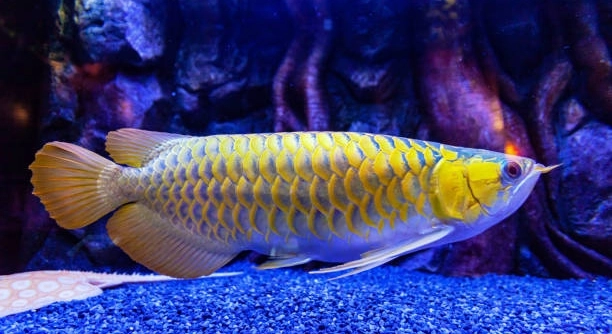
Do you ever notice your Arowana gliding gracefully across the tank and wonder about the connection it shares with you? These fish are not only beautiful but also seem aware of the energy around them, responding subtly.
Arowanas can sense certain human emotions through changes in behavior, tone, and movement. Research suggests they respond to stress or calmness in their owners, which may influence feeding habits and overall interaction patterns. This sensitivity reflects their awareness of environmental cues.
Observing these responses can help improve care and interaction with your Arowana. Understanding how they react allows for a more harmonious and attentive relationship.
How Arowanas React to Human Emotions
Arowanas are remarkable in the way they seem to sense moods in their environment. When owners are calm and quiet, the fish tend to swim smoothly and remain near the surface. In contrast, sudden movements or loud voices can make them retreat to the corners of the tank. These responses are not just random. Many aquarists notice that Arowanas react differently depending on their daily interactions. Over time, the fish appear to recognize patterns in human behavior, adjusting their own actions accordingly. This sensitivity might be linked to their natural instincts in the wild, where detecting threats quickly is essential. Observing an Arowana over weeks or months often reveals a pattern where the fish mirrors the energy of the room. Some studies suggest they can even detect subtle changes in light, vibration, and movement, which humans unconsciously produce. Understanding these behaviors can improve care routines and strengthen the bond between owner and fish.
Arowanas show noticeable signs when stressed, including hiding or reduced activity. Calm environments encourage healthy swimming and interaction.
Owners who pay attention to these patterns can adjust tank conditions, lighting, and handling methods. Providing a quiet environment during feeding times helps the fish feel safe. Over time, consistent routines allow the Arowana to become more confident, displaying smoother swimming patterns and increased curiosity around its surroundings. This attentiveness also aids in detecting early signs of illness or stress, which can often be subtle. By observing the fish closely, owners can learn how their behavior directly affects the Arowana, creating a more responsive and healthy environment for it.
Tips for Supporting Your Arowana’s Sensitivity
Keeping a calm and consistent environment benefits the fish’s overall well-being. Small changes can have significant effects on behavior.
To support your Arowana’s natural sensitivity, start with proper tank setup and lighting. Avoid sudden loud noises or rapid movements nearby, as these can trigger stress responses. Feeding at regular times reinforces positive patterns, while occasional gentle interaction helps the fish recognize your presence without fear. It is important to maintain clean water conditions, as fluctuations in temperature or water quality can heighten stress. Observing the fish’s behavior daily allows you to notice subtle changes in activity or posture, which may indicate mood shifts or health issues. Over time, these small adjustments contribute to a stable and responsive environment. This approach not only encourages natural behavior but also strengthens the overall health of the fish, making interactions more predictable and enjoyable. Understanding these cues ensures your Arowana thrives, creating a balanced and attentive aquatic setting that benefits both fish and owner.
Understanding Stress Signals
Arowanas show stress through rapid gill movement, clamped fins, or hiding in corners. These behaviors indicate discomfort or fear. Recognizing them early allows owners to adjust the environment and routines, helping the fish regain calmness and balance.
Stress in Arowanas often stems from sudden changes in water temperature, poor water quality, or loud noises. The fish may appear lethargic, stop eating, or swim erratically. Consistent observation helps identify triggers and prevent prolonged stress. Maintaining stable conditions, gentle handling, and a predictable feeding schedule reduces anxiety. Over time, the fish responds positively, showing smoother movements and increased surface activity, reflecting improved comfort and trust in its environment.
Behavioral signs of stress also relate to mood detection. Arowanas react to tense or hurried movements in their surroundings, often mirroring human energy. They can retreat or hide when sensing agitation and become more exploratory in calm settings. Adjusting lighting, reducing noise, and keeping a routine reinforces security. Monitoring subtle reactions like tail flicks or gill changes helps owners gauge emotional cues, allowing a more harmonious and attentive care approach. These small, mindful adjustments significantly influence the fish’s daily behavior and well-being.
Building a Calm Environment
Stable tank conditions and predictable routines reduce stress levels. Consistency in temperature, lighting, and feeding supports healthy behavior patterns.
Creating a calm environment involves controlling factors that affect Arowanas’ sensitivity. Avoid abrupt movements around the tank and minimize loud sounds, which can startle the fish. Providing plants or decorations gives hiding spots, making them feel secure. Regular water changes and monitoring pH, ammonia, and nitrate levels help maintain stable water quality. Gentle feeding at set times reinforces routine, and brief observation periods allow the fish to adjust without pressure. Over time, these practices cultivate trust and reduce anxiety. A well-maintained, predictable habitat encourages natural swimming patterns, promotes feeding behavior, and improves overall health. The Arowana becomes more responsive and confident, reflecting a peaceful and attentive care environment that aligns with its natural instincts.
Recognizing Positive Cues
Arowanas display excitement through active swimming and approaching the glass when someone is near. These movements indicate comfort and familiarity with the environment and the people around them.
They may also show interest in feeding or gently following movements outside the tank. These behaviors reflect awareness and responsiveness to positive energy in their surroundings.
Human Interaction Effects
Frequent, calm interaction helps Arowanas associate human presence with safety. They respond better when movements are slow, voices are low, and feeding occurs at regular intervals. Over time, the fish may swim closer, display smoother fin movements, and even mimic certain gestures. Predictable routines and gentle observation foster trust, reduce stress, and encourage engagement. This responsiveness is not instinct alone; it reflects the fish learning patterns in its environment and adapting to the owner’s energy. Arowanas become more confident and interactive, creating a subtle, ongoing communication that benefits both fish and caretaker.
Importance of Consistency
Consistency in care and interaction allows the fish to adapt and thrive. Sudden changes can disrupt their comfort and affect behavior.
FAQ
Can Arowanas really sense human emotions?
Yes, Arowanas appear to respond to changes in human energy, such as calmness, stress, or agitation. They are sensitive to movement, tone of voice, and overall behavior in their environment. While they may not feel emotions as humans do, they detect cues that influence their behavior.
How do I know if my Arowana is stressed?
Signs include hiding, clamped fins, rapid gill movement, loss of appetite, or erratic swimming. Stress often comes from sudden changes in water conditions, loud noises, or rough handling. Observing these behaviors early allows you to adjust the environment and care routine for the fish.
What can I do to keep my Arowana calm?
Maintain stable water conditions, consistent lighting, and predictable feeding times. Reduce sudden movements near the tank and avoid loud sounds. Adding plants or decorations can provide hiding spots, helping the fish feel secure. Calm interactions over time build trust and comfort.
Does interacting with my Arowana improve its mood?
Yes, gentle and predictable interactions help the fish associate your presence with safety. Slow movements, low voices, and regular feeding encourage positive behaviors, such as approaching the glass or swimming smoothly. Consistent care fosters confidence and responsiveness in the fish.
Can Arowanas recognize their owners?
They do seem to recognize the people they see regularly. This recognition is likely based on repeated visual and behavioral cues rather than true personal attachment. Fish often respond differently to familiar versus unfamiliar people, showing more curiosity and relaxed swimming around the former.
Do Arowanas react differently to different emotions?
They respond more to energy and movement than emotions themselves. Calm, predictable behavior from owners encourages smooth swimming and engagement. Sudden, tense, or hurried actions can trigger hiding, stress, or reduced activity. They mirror patterns in their environment rather than understanding emotional content.
How often should I observe my Arowana for emotional cues?
Daily observation is best. Watching its swimming patterns, appetite, and reactions to human presence allows you to notice subtle changes. Over time, you can identify patterns of stress or comfort and make adjustments to lighting, feeding, or interaction to support the fish’s well-being.
Can loud noises affect my Arowana?
Yes, sudden or loud noises can cause stress responses, such as retreating to corners or erratic swimming. A quiet environment reduces anxiety and promotes natural behavior. Even household sounds, if consistent, can be tolerated, but abrupt changes should be minimized.
Is it normal for my Arowana to hide a lot?
Frequent hiding can indicate stress or discomfort. It might be due to water quality, tank layout, or inconsistent human interaction. Providing hiding spots while keeping water conditions stable allows the fish to feel safe while gradually encouraging exploration and activity.
Do Arowanas show excitement?
Yes, they may swim actively, follow movements near the tank, or react to feeding with anticipation. These behaviors show awareness of their surroundings and familiarity with routines. Excitement is typically linked to positive energy in the environment, such as calm attention or predictable care.
How can I strengthen my bond with my Arowana?
Consistency in feeding, gentle observation, and creating a calm environment are key. Avoid sudden movements and loud noises. Over time, the fish becomes more confident, interacts more, and adapts to your presence, showing subtle signs of recognition and comfort.
Do Arowanas remember negative experiences?
They can associate certain actions, sounds, or environments with stress. Negative experiences, like rough handling or sudden changes, may cause avoidance or hiding. Providing calm, predictable care helps reduce fear and encourages more relaxed behavior over time.
Can Arowanas sense when I am sad or stressed?
While they don’t understand emotions as humans do, they can detect changes in energy, movement, and tone. A tense or hurried presence may make them more cautious, while calm behavior encourages smooth swimming and curiosity. Their responses reflect environmental awareness rather than emotional understanding.
Is it important to maintain a routine for my Arowana?
Yes, predictable feeding times, regular water maintenance, and consistent interactions help reduce stress. A routine allows the fish to adapt comfortably to its surroundings, feel secure, and display natural behaviors more confidently. Stability supports both health and emotional responsiveness.
Can Arowanas react to other pets or animals in the house?
They can notice movement outside the tank and may become alert or hide if other pets create sudden activity. A calm environment minimizes stress, and consistent observation helps determine how the fish reacts to household activity. Gradual exposure can reduce fear over time.
Does tank placement affect my Arowana’s sensitivity?
Yes, tanks near high-traffic areas, loud appliances, or direct sunlight may increase stress. Placing the tank in a stable, calm location supports positive behavior. Avoid frequent movement of the tank or its surroundings to maintain a comfortable and predictable environment for the fish.
Can interacting with my Arowana reduce its stress?
Yes, gentle, calm interaction helps the fish feel secure. Slow movements, quiet voices, and predictable routines encourage trust. Over time, this creates a pattern where the fish responds positively to human presence, reducing anxiety and supporting overall well-being.
Are there signs my Arowana enjoys interaction?
Yes, signs include swimming near the glass, following movements, smooth fin movements, and alert behavior without retreating. These subtle cues indicate comfort and familiarity, showing that the fish has adapted to positive environmental energy.
How do I balance observation and letting the fish be?
Watch for cues without overhandling or causing stress. Short observation periods are enough to detect behavior changes. Avoid tapping the glass or creating sudden movements. Let the fish explore and swim freely while maintaining calm, consistent care routines.
Does water quality affect emotional responses?
Yes, poor water quality increases stress, leading to hiding, erratic swimming, or reduced appetite. Maintaining proper temperature, pH, and cleanliness allows the fish to respond more naturally to human interaction and environmental cues, supporting both health and behavior.
Can multiple Arowanas sense human emotions together?
They may respond individually to energy and movement, showing varying reactions. Some may be more sensitive to stress or calmness than others. Observing each fish helps understand personal behavior patterns, allowing care to be adjusted for all tank inhabitants.
Is it possible to overstimulate an Arowana?
Yes, excessive handling, frequent tapping on the glass, or loud noises can cause stress. Limiting interaction to calm, gentle periods and maintaining stable conditions allows the fish to engage positively without fear or anxiety.
Do Arowanas ever ignore human presence?
Occasionally, yes. If they are feeding, exploring, or stressed, they may not respond to nearby movements. Ignoring is normal and can indicate the fish’s need for space or comfort, especially when adjusting to environmental changes or routine disruptions.
Can Arowanas distinguish between calm and excited energy?
They respond to patterns of movement, tone, and presence. Calm, predictable behavior encourages relaxed swimming, while sudden, fast, or loud actions may cause retreat or hiding. Their responses reflect environmental awareness rather than an understanding of human emotional states.
Are there ways to train my Arowana to respond better?
Consistent routines, gentle feeding, and calm interaction can help. Over time, the fish learns patterns in your presence, responding positively to predictable behavior. Avoid abrupt movements or loud noises, and reinforce calm energy to encourage smooth swimming and confidence in interactions.
Can Arowanas sense stress in other fish?
Yes, they may notice erratic swimming, rapid gill movement, or hiding from tankmates. Observing these behaviors helps owners adjust care for multiple fish, maintaining a calm environment and reducing stress across the tank.
Does the size of the tank affect sensitivity?
Yes, larger tanks provide space for hiding and exploring, reducing stress. Crowded tanks increase competition, leading to anxiety or aggression. Providing ample space allows natural behavior and reduces sensitivity to minor environmental changes, supporting emotional balance and overall health.
How quickly do Arowanas adapt to changes?
Adaptation varies. Gradual changes in lighting, temperature, or interaction are tolerated better. Sudden changes can trigger stress behaviors. Observing responses over days or weeks helps owners adjust routines for a smoother transition, maintaining comfort and stability in the environment.
Can feeding routines influence mood and behavior?
Yes, predictable feeding reduces anxiety and encourages positive interaction. Irregular feeding can create stress, leading to hiding or reduced activity. Consistency helps the fish associate routine with safety, improving responsiveness to human presence and overall well-being.
Do Arowanas respond to visual cues more than sound?
They rely on both visual and vibrational cues. Sudden movement or changes in light affect behavior, while loud noises or vibrations trigger retreat. Calm, consistent visual and auditory stimuli help the fish feel secure, improving interaction and reducing stress.
Can Arowanas sense excitement before feeding?
Yes, they may become more active or approach the glass when they detect familiar pre-feeding routines. This reflects awareness of patterns and recognition of human behavior rather than anticipation of food alone, demonstrating responsiveness to consistent environmental cues.
Is overhandling a common problem?
Yes, frequent tapping, moving, or reaching into the tank can stress the fish. Limiting interaction to calm observation and feeding prevents fear responses. Providing stable conditions and gentle care encourages natural, confident behavior without overstimulation.
Do Arowanas have long-term memory for routines?
They can remember patterns over weeks or months. Regular feeding, calm interaction, and predictable care help reinforce positive behaviors. Inconsistent routines may cause stress, but consistent care builds trust and reduces anxiety, leading to stable and responsive behavior over time.
Can stress in Arowanas affect health?
Yes, chronic stress weakens the immune system, reduces appetite, and increases susceptibility to illness. Maintaining a calm environment, stable water conditions, and consistent routines supports both emotional and physical health, promoting longevity and well-being.
How important is observation for emotional cues?
Daily, careful observation is essential. Watching swimming patterns, fin movements, and reactions to human presence helps detect stress or comfort. Adjustments to environment or interaction can then be made to maintain balance, ensuring the fish thrives and responds positively over time.
Can multiple owners affect the Arowana’s response?
Yes, the fish may respond differently to various people. Familiar, calm behavior encourages interaction, while abrupt or unpredictable behavior may cause hiding. Observing responses to each person helps establish routines that support comfort and reduce stress for the fish.
Does age influence sensitivity to human emotions?
Younger Arowanas may be more cautious, while mature fish are often more confident in familiar environments. Sensitivity decreases with familiarity, but all ages respond to consistent care, calm interactions, and predictable routines, reflecting environmental awareness and learned behavior patterns.
Can lighting changes influence behavior?
Yes, abrupt lighting changes can startle the fish or increase stress. Gradual adjustments or consistent lighting schedules help Arowanas feel secure. Proper lighting also supports natural activity patterns, reducing anxiety and encouraging calm, predictable behavior.
Do Arowanas respond to body language?
Yes, they detect movement patterns, speed, and gestures. Calm, slow movements encourage relaxed behavior, while sudden gestures may cause hiding or stress. The fish reacts to environmental cues rather than interpreting emotional intent, but responsiveness reflects awareness and adaptability.
Can tankmates affect sensitivity?
Yes, aggressive or overly active tankmates can increase stress. Providing compatible companions and sufficient space reduces anxiety. Observing interactions helps maintain a peaceful environment, allowing Arowanas to respond positively to human presence without additional stress from other fish.
Are some Arowanas more sensitive than others?
Yes, individual temperament varies. Some fish respond strongly to human energy, while others are less reactive. Observing each fish’s behavior allows tailored care, supporting comfort, trust, and consistent interaction for the most sensitive individuals.
Can stress be reversed in Arowanas?
Yes, with calm handling, stable routines, clean water, and consistent feeding, fish gradually regain confidence. Recovery may take days to weeks, but attentive care restores natural behavior and reduces anxiety, improving health and responsiveness to human interaction.
Do Arowanas respond differently at night?
They are generally less active at night, seeking shelter or resting. Reduced movement is normal and should not be mistaken for stress. Maintaining a quiet, dimly lit environment supports natural rhythms, allowing the fish to rest and prepare for daytime activity.
Is tank placement near windows safe?
Direct sunlight or fluctuating temperatures near windows can stress fish. Stable, indirect lighting is safer. Avoid frequent placement changes, as Arowanas rely on consistency to feel secure and maintain predictable behavior patterns.
Can water flow affect sensitivity?
Yes, strong currents may increase stress, while gentle flow supports comfort. Adjusting filtration and ensuring calm areas in the tank help the fish swim naturally and respond positively to human presence. Observation helps fine-tune flow for optimal behavior.
Do Arowanas react to reflections?
They may mistake reflections for other fish, causing curiosity or aggression. Positioning the tank to reduce reflective surfaces helps avoid unnecessary stress. Observing behavior around reflections ensures they remain calm and responsive.
Can diet affect mood and behavior?
Yes, a nutritious, consistent diet promotes energy, smooth swimming, and alertness. Poor diet may reduce activity or increase stress. Feeding variety in moderation and following regular schedules supports both physical health and behavioral stability.
Is tank size linked to sensitivity?
Larger tanks allow exploration and reduce stress, while small tanks can cause agitation. Space affects swimming patterns, hiding behavior, and reactions to human interaction. Adequate room promotes natural behavior and supports emotional responsiveness.
Do Arowanas react to movement outside the tank?
Yes, they notice movement and energy near the tank. Gentle, predictable gestures encourage curiosity, while abrupt or rapid actions may trigger retreat. Observing responses helps maintain a calm and engaging environment.
Can stress signals be subtle?
Yes, subtle signs like slight tail flicks, gill changes, or slower swimming indicate discomfort. Recognizing these early allows adjustments in water conditions, interaction, or lighting, preventing prolonged stress.
Does temperature fluctuation affect behavior?
Yes, sudden changes can reduce appetite, increase hiding, or cause erratic swimming. Maintaining stable temperatures is essential to minimize stress and support natural responsiveness to human interaction.
Can Arowanas become bored?
Yes, lack of stimulation may lead to lethargy or repetitive swimming. Adding hiding spots, decorations, or occasional gentle interaction keeps the environment engaging without causing stress.
Do Arowanas sense vibrations?
Yes, they detect vibrations from footsteps, taps, or nearby movements. Minimizing sudden or strong vibrations reduces anxiety and helps maintain calm swimming patterns.
Can they differentiate between calm and anxious humans?
They respond to energy and movement patterns. Calm, slow actions encourage smooth swimming, while hurried or tense gestures may trigger hiding or stress, reflecting awareness of environmental cues rather than emotional understanding.
How long does it take for Arowanas to adjust to a new owner?
Adjustment can take weeks. Gradual, calm interaction, consistent feeding, and a stable environment help the fish feel secure. Patience and observation are key to building confidence and responsiveness over time.
Do Arowanas respond differently during feeding times?
Yes, they often become more alert, active, and interactive. Feeding routines help them anticipate patterns, encouraging engagement and reinforcing recognition of human presence in a calm, predictable way.
Can tank decorations influence behavior?
Yes, hiding spots and visual barriers reduce stress and encourage natural exploration. Proper decoration placement supports comfort, security, and responsiveness to human interaction without overstimulation.
Are Arowanas sensitive to water pH changes?
Yes, fluctuations in pH can cause stress, hiding, or erratic swimming. Maintaining stable water parameters supports emotional and physical health, ensuring the fish respond positively to human presence and environmental cues.
Do they respond to other fish being fed?
Yes, observing feeding behavior of tankmates may trigger activity or curiosity. This reflects awareness of surroundings and responsiveness to predictable routines. It can also indicate social learning within the tank.
Can Arowanas sense owner mood through voice?
They respond to tone and volume rather than meaning. Calm, soft speech encourages relaxed swimming, while loud, abrupt sounds may trigger hiding. Vocal consistency reinforces positive interaction patterns over time.
Is tank cleanliness linked to emotional response?
Yes, poor water quality increases stress, while clean, stable water promotes comfort and positive behavior. Regular maintenance supports both health and responsiveness to human interaction.
Do Arowanas react to sudden tank vibrations?
Yes, sudden vibrations can cause hiding, rapid swimming, or fin clamping. Minimizing abrupt movements near the tank reduces stress and maintains calm behavior patterns.
Can they sense the presence of strangers?
Yes, unfamiliar people may trigger caution, hiding, or reduced activity. Over time, gradual exposure can help them adjust, but familiarity and calm energy from owners remain the strongest influence on behavior.
Do they respond differently in groups versus alone?
Group dynamics can influence activity and stress levels. Some fish mirror others’ behavior, while solitary fish may show more direct responses to human presence. Observing interactions helps tailor care for individual and collective comfort.
Can water temperature drops make them anxious?
Yes, sudden temperature drops can cause lethargy, hiding, or erratic swimming. Maintaining consistent temperatures supports both emotional and physical stability.
Do they sense human energy through vibrations in the tank?
Yes, movements near the tank create vibrations they detect. Gentle, predictable movements encourage relaxed behavior, while sudden or strong vibrations may trigger stress responses.
Is routine observation enough to detect emotional responses?
Daily observation of swimming patterns, fin movement, and reactions to humans helps detect subtle cues. Adjusting interaction or environment based on these cues promotes calm, confident behavior.
Can Arowanas learn over time to respond positively?
Yes, repeated calm interaction, consistent feeding, and stable care help the fish recognize patterns, reduce stress, and engage more confidently with humans.
Do they respond to reflections as if they were other fish?
Yes, reflections may trigger curiosity or mild aggression. Positioning the tank to reduce glare prevents unnecessary stress and maintains calm behavior.
Can they sense stress in the environment even without humans present?
Yes, sudden noises, water turbulence, or other environmental changes can cause stress. Maintaining stability in temperature, lighting, and movement reduces anxiety and promotes natural behavior.
Do they show anticipation for feeding routines?
Yes, predictable feeding times trigger alert swimming and activity. They associate routine behavior with human presence, reinforcing calm interaction and positive energy in the tank.
Is it normal for Arowanas to occasionally ignore owners?
Yes, distraction, exploration, or stress may lead to temporary ignoring. Allowing space and maintaining consistent routines ensures the fish remains comfortable and confident.
Can stress signs be reversed with proper care?
Yes, stable routines, clean water, and calm interaction gradually restore natural behavior. Recovery takes time, but attentive care improves both emotional and physical well-being.
**Do they respond
Arowanas are fascinating creatures that show more awareness of their surroundings than many people realize. Their sensitivity to movement, tone, and overall energy makes them respond to human presence in subtle ways. This responsiveness does not mean they feel emotions exactly like humans, but it reflects their ability to detect patterns in the environment and adjust their behavior accordingly. Observing an Arowana over time often reveals how it reacts to calm, predictable routines versus sudden or tense activity. Simple actions, such as moving slowly around the tank, speaking in soft tones, or maintaining a consistent feeding schedule, can influence the fish’s behavior in meaningful ways. Their natural instincts, shaped by life in the wild, make them alert to potential threats, which is why sudden movements or loud noises can trigger hiding or erratic swimming. By paying attention to these cues, owners can better understand the fish’s comfort level and emotional state.
Maintaining a stable environment is essential for an Arowana’s well-being. Consistent water quality, proper temperature, and careful tank placement all contribute to reducing stress. Even small changes, such as fluctuations in lighting or unexpected vibrations near the tank, can cause anxiety. Adding hiding spots, gentle decorations, or visual barriers helps the fish feel secure and allows it to explore at its own pace. A calm, predictable environment encourages natural swimming patterns, alertness, and engagement with the owner. Feeding routines also play an important role. Regular feeding at the same time each day creates predictability, which the fish quickly recognizes. Over time, it may show anticipation or become more interactive during feeding times. These behaviors demonstrate that Arowanas are capable of responding to repeated patterns in their environment, which can be considered a form of environmental awareness. Consistency in care allows the fish to thrive physically and behaviorally, while reducing unnecessary stress.
Interacting with an Arowana requires patience and attentiveness. The fish responds to gentle observation and calm energy rather than excessive handling or sudden movements. Daily observation of swimming patterns, gill movements, and fin positions provides important information about the fish’s comfort and overall well-being. Owners who take the time to understand these subtle cues can adjust their care routines, including feeding, lighting, and environmental conditions, to support a healthier, calmer fish. While Arowanas do not experience emotions like humans, their responsiveness to energy and routine shows a form of awareness that can make them engaging and rewarding to care for. Establishing a calm, consistent environment benefits both the fish and the owner, allowing interactions to feel more predictable and reassuring. Over time, the attention and care given to an Arowana can strengthen the bond between human and fish, creating a harmonious setup where the fish feels secure and behaves naturally, reflecting the subtle but clear influence of its environment.

Hello,
If you enjoy the content that we create, please consider saying a "Thank You!" by leaving a tip.
Every little bit helps us continue crafting quality advice that supports the health, happiness, and well-being of pets around the world, for pets of all shapes, sizes, and species.
We really appreciate the kindness and support that you show us!