
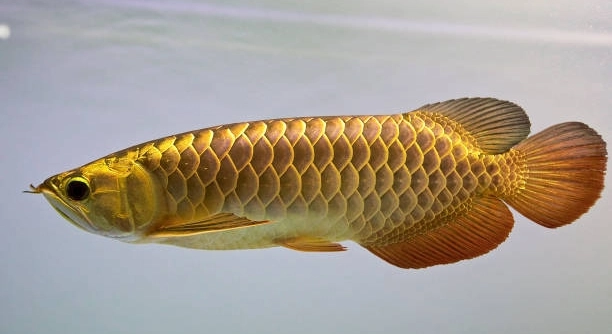
Many arowana owners notice their fish often stays in one spot, facing a single direction. This behavior can seem odd, especially when the tank appears spacious and well-maintained, leaving you unsure of what it means.
Arowanas often face one direction due to environmental factors such as light, water flow, or territorial instincts. They may align themselves with the tank’s current, seek consistent temperature, or monitor potential activity outside their enclosure. This behavior is generally normal.
Observing these patterns closely can reveal important insights about your fish’s well-being and its interaction with the tank environment. Understanding these behaviors helps maintain a healthy and comfortable space for your arowana.
Common Environmental Factors
Arowanas are highly sensitive to their surroundings, and subtle changes can influence their behavior. Light direction and intensity often play a role, as fish naturally gravitate toward well-lit areas or away from harsh glare. Water flow is another key factor. Arowanas prefer moderate currents, and facing the same direction can help them maintain stability. Temperature variations within the tank can also impact positioning, as these fish seek consistent warmth. Even the layout of decorations and hiding spots can affect where they choose to face. Observing your tank carefully can reveal patterns that explain their orientation. For example, if one side has a stronger current, the fish may position itself to resist it efficiently. Tanks with mirrors or reflective surfaces may also encourage the fish to stare in one direction. Feeding routines and proximity to the water’s surface influence behavior too, since arowanas often orient themselves toward familiar feeding zones.
Adjusting lighting, flow, and layout can improve comfort and reduce stress for your fish.
Even small environmental tweaks, like shifting a decoration or adjusting a filter, can make your arowana feel more balanced. Careful observation helps ensure the tank is both safe and engaging.
Health and Behavioral Indicators
Changes in health can also lead arowanas to face one direction.
Arowanas often use a consistent orientation to monitor their environment when feeling unwell or stressed. Poor water quality can trigger this behavior, as can signs of disease like fin damage, unusual swimming, or lethargy. Regular water testing and observing feeding habits are crucial. Stress from overcrowding or incompatible tank mates may also influence direction preference. In addition, arowanas may face a single side when recovering from illness or adapting to new tank conditions. This behavior helps them conserve energy while remaining alert to potential threats. Paying attention to posture, gill movement, and appetite gives valuable insight into their overall condition. Responding promptly to any irregularities can prevent more serious health issues and maintain a harmonious tank environment. Ensuring consistent feeding schedules and minimizing sudden changes further supports their well-being. Regular monitoring allows owners to differentiate between normal orientation habits and potential signs of concern, keeping the arowana healthy and active.
Tank Setup and Positioning
Proper tank setup strongly influences arowana behavior. Placement of filters, decorations, and lights can cause your fish to face one direction consistently. Ensuring a balanced environment helps the fish feel secure and reduces unnecessary stress or repetitive orientation habits.
Arowanas naturally respond to their environment’s layout. Objects like driftwood, rocks, or plants can block water flow or create shaded areas, which the fish may prefer. Positioning the filter and heater to create gentle, consistent currents encourages more natural swimming patterns. Overcrowding decorations or placing tall items on one side can lead to one-direction behavior, as the fish avoids obstruction. Regularly adjusting elements in the tank can help balance currents and lighting. Even small changes in tank arrangement can significantly affect orientation, encouraging arowanas to explore rather than remain stationary. Consistency in placement also provides predictability, which supports calmer behavior.
Water level and tank orientation relative to room lighting impact arowanas more than many realize. Strong reflections or drafts near the tank can prompt your fish to hold a single position. Watching their response over time helps optimize placement and layout.
Social Interaction and Tank Mates
Arowanas often face one direction due to interactions with other fish. They may monitor companions or defend territory without moving unnecessarily, maintaining visual contact while conserving energy.
Tank mates influence arowana positioning, especially in shared spaces. Aggressive or fast-moving companions can lead your fish to maintain a defensive posture, consistently facing away or toward certain areas. Similarly, shy or smaller species may trigger territorial instincts, prompting the arowana to observe them carefully. Introducing new fish or changing the group dynamics can temporarily increase one-direction orientation as your arowana adjusts. The size and number of tank mates also play a role, as crowded conditions make it harder for the fish to navigate freely. Monitoring behavior during feeding times and general activity ensures compatibility. Observing how your fish interacts with others helps determine if facing one direction is routine or stress-related. Maintaining clear zones and visual breaks can encourage balanced movement, supporting overall health and well-being.
Feeding Habits
Arowanas often face one direction when anticipating food. They learn the location where meals appear and position themselves accordingly, reducing energy spent searching during feeding times.
Regular feeding schedules reinforce this behavior. Consistent placement of food encourages your fish to maintain orientation toward familiar spots, creating a predictable routine that feels safe and comfortable.
Light and Reflection
Bright lights or reflections can influence arowanas to face a particular side. They may align with light patterns or avoid glare, choosing the most comfortable visual environment.
Careful positioning of lights and minimizing reflective surfaces can reduce stress. Arowanas prefer gentle, even lighting that avoids sudden changes. Maintaining stable light conditions helps encourage natural swimming and prevents unnecessary fixation on one spot.
Water Quality
Poor water quality can cause arowanas to remain stationary or face one direction. High ammonia or nitrite levels stress fish, prompting them to conserve energy and monitor surroundings carefully.
Regular testing and maintenance of water parameters are essential. Keeping the water clean and stable supports healthy behavior, encouraging natural movement and orientation.
FAQ
Why is my arowana always facing one direction?
Arowanas often face one direction due to environmental factors, light, water flow, or territorial instincts. They may align with currents, avoid glare, or monitor tank activity. This behavior is generally normal, especially if water quality and tank conditions are stable. Observing patterns helps understand your fish’s comfort level.
Is it a sign of illness?
Facing one direction alone is not always a sign of illness. However, if combined with lethargy, loss of appetite, abnormal swimming, or fin damage, it could indicate stress or a health problem. Testing water quality and checking for external injuries or parasites is essential to rule out issues.
Can tank setup cause this behavior?
Yes. Objects, decorations, filter placement, and tank orientation affect arowana positioning. Crowded or uneven setups may prompt your fish to remain in one spot. Adjusting layout, balancing currents, and reducing visual obstructions encourage more natural movement and exploration.
Do other fish influence my arowana’s direction?
Social interactions play a role. Aggressive or fast-moving tank mates can trigger territorial behavior, causing your arowana to maintain a fixed orientation. Shy or smaller fish can also lead to monitoring behavior. Proper spacing, compatible species, and observing interactions help manage these tendencies.
Does feeding affect where my arowana faces?
Absolutely. Arowanas quickly learn where food appears and will orient themselves accordingly. Consistent feeding locations reinforce this behavior. Changing feeding routines or locations can temporarily disrupt the pattern, but predictable habits create a comfortable and secure routine for your fish.
Can reflections or lighting impact their orientation?
Bright lights or reflections can influence one-direction behavior. Arowanas may face light sources or avoid glare. Adjusting tank lights for even, gentle illumination and minimizing reflective surfaces can reduce stress and encourage natural swimming patterns.
How can I encourage my arowana to explore more?
Providing balanced currents, rearranging decorations, and ensuring even lighting helps stimulate movement. Reducing tank clutter while creating hiding spots encourages natural exploration. Introducing compatible tank mates gradually can also motivate your fish to move freely without feeling threatened.
When should I be concerned about this behavior?
If facing one direction is paired with unusual signs like rapid gill movement, floating near the surface, clamped fins, or refusal to eat, it may indicate stress or illness. Immediate water testing, observing interactions, and consulting a specialist are recommended to prevent serious health issues.
Does tank size matter?
Yes. Small or overcrowded tanks can limit swimming space, causing arowanas to hold a position consistently. Ensuring adequate space for natural movement, maintaining proper water quality, and allowing clear lines of sight within the tank supports healthy behavior and reduces stress.
Can water temperature cause this behavior?
Temperature variations affect fish orientation. Arowanas seek consistent warmth and may face areas with more stable conditions. Uneven heating or drafts can prompt stationary behavior. Using reliable heaters and monitoring temperature regularly helps maintain comfort and encourages natural swimming habits.
How often should I check water quality?
Frequent monitoring is essential. Testing for ammonia, nitrites, nitrates, and pH at least weekly ensures optimal conditions. Maintaining clean, stable water helps prevent stress-induced behaviors, including one-direction orientation, and supports overall health and longevity for your arowana.
Do arowanas always face the same direction at night?
At night, they often rest in positions that feel safe. If your tank lighting changes, your arowana may face specific areas consistently. Providing dim, consistent lighting or natural dark cycles encourages restful behavior without creating stress or disorientation.
Will rearranging the tank change this behavior?
Rearranging decorations or filter positions can influence orientation. Gradual changes are best to prevent stress. Observing how your fish reacts helps determine optimal placement, ensuring a balance between stimulation and comfort while reducing repetitive facing habits.
Is this behavior common among all arowanas?
Yes, many arowanas exhibit this behavior. It’s often related to environmental awareness, feeding habits, or territorial instincts. While individual personalities differ, most fish respond similarly to tank setup, light, and water conditions, making observation and adjustments key to their well-being.
Can I prevent my arowana from always facing one way?
Complete prevention may not be realistic, as some orientation is natural. However, providing balanced currents, proper lighting, clean water, sufficient space, and compatible tank mates encourages movement and reduces prolonged one-direction behavior, supporting a more active and healthy lifestyle for your fish.
Final Thoughts
Observing an arowana consistently facing one direction can feel a little worrying at first, but it is often a normal behavior. Many factors influence this habit, including the tank’s layout, water flow, light direction, and feeding routines. Arowanas are naturally attentive fish, and facing a specific area helps them feel secure while monitoring their surroundings. This orientation can also reduce energy expenditure, especially in tanks with currents or uneven water movement. Understanding these tendencies allows owners to create an environment that supports both comfort and natural behavior. Paying attention to the tank’s setup, including decorations, filter placement, and lighting, often explains why your fish prefers one direction.
Health considerations are also important when evaluating one-direction behavior. While it is often normal, prolonged stationary positioning combined with signs like unusual swimming patterns, clamped fins, loss of appetite, or rapid gill movement could indicate stress or illness. Regular water testing, proper maintenance, and monitoring your fish’s behavior are essential for early detection of potential problems. Observing feeding responses and interactions with other tank mates provides additional insight into the arowana’s condition. Maintaining consistent water parameters, such as temperature and pH, helps reduce stress and encourages more balanced movement. Small adjustments, like shifting a decoration or improving water flow, can significantly impact how your fish moves and where it chooses to face.
Creating a supportive environment encourages healthy, natural behavior in your arowana. Consistency in feeding, gentle lighting, and adequate space ensures the fish can thrive without unnecessary stress. Tank mates, reflections, and environmental changes should also be considered to avoid triggers that promote prolonged one-direction orientation. While facing a single direction is often normal, careful observation allows you to differentiate between instinctive behavior and potential health concerns. By maintaining a clean, stable, and thoughtfully arranged tank, you provide your arowana with the best chance to remain active, alert, and comfortable. Understanding these patterns strengthens your ability to care for your fish effectively, ensuring it enjoys a safe and well-balanced aquatic habitat.

Hello,
If you enjoy the content that we create, please consider saying a "Thank You!" by leaving a tip.
Every little bit helps us continue crafting quality advice that supports the health, happiness, and well-being of pets around the world, for pets of all shapes, sizes, and species.
We really appreciate the kindness and support that you show us!