Do Arowana Prefer Warm or Slightly Cool Water?
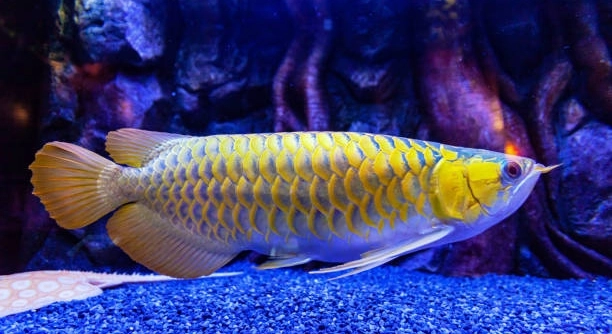
Have you ever wondered about the best water conditions for your arowana at home? These striking fish are known for their beauty and elegance, and keeping them healthy starts with understanding their environment. Arowanas thrive best in warm water, typically between 75°F and 86°F. Slightly cooler temperatures can slow their metabolism, affect feeding habits, and … Read more
Why Is My Arowana Swimming in Circles?

Is your arowana constantly swimming in circles, making your tank feel restless? Watching this behavior can be worrying, especially if you are unsure about what causes it or how it may affect your fish’s health. Arowanas swimming in circles often indicate stress, illness, or water quality issues. Factors such as poor tank conditions, improper diet, … Read more

7 Tank Mistakes New Owners Make With Arowana

Keeping an arowana can be exciting, but new owners often struggle with basic tank setup and care routines. Understanding the common pitfalls early can save both the fish and the owner a lot of stress and frustration. Many new arowana owners make mistakes such as overcrowding the tank, using improper filtration, neglecting water quality, overfeeding, … Read more

7 Things to Watch for After Introducing New Tankmates

Have you ever introduced new fish to your aquarium and felt a mix of excitement and worry? Watching your tankmates adjust can be a delicate process that requires patience and careful observation. Understanding their behavior is key. After introducing new tankmates, it is important to monitor interactions closely. Observe signs of stress, aggression, or illness … Read more

7 Signs Your Arowana Tank Is Too Small

Keeping an arowana can be a rewarding experience, but it requires proper space for the fish to thrive. Many hobbyists overlook tank size, which can affect the fish’s health and behavior over time. Arowanas require large tanks due to their size and active swimming habits. Small tanks limit movement, increase stress, and negatively impact growth, … Read more

How to Know If Your Arowana Is Getting Aggressive

Have you ever noticed subtle changes in your arowana’s behavior while watching it swim around the tank? Observing these differences early can help you understand your fish better and keep your aquarium environment safe and calm. Arowana aggression is usually indicated by rapid fin movements, frequent chasing of tankmates, flaring gills, or sudden lunges toward … Read more

Why Does My Arowana Only Eat at Night?

Do you ever notice your arowana swimming quietly in its tank while the lights are on but only coming alive when the room darkens? Many fish owners find it surprising when their arowana chooses nighttime for feeding. Arowanas are naturally nocturnal predators, preferring to hunt and eat in low-light conditions. Their feeding patterns are influenced … Read more

What to Do If Your Arowana Jumps Out of the Tank

Your Arowana is an impressive fish, known for its beauty and strength. Sometimes, these fish can unexpectedly leap out of the tank, causing stress for both the fish and the owner. Handling the situation calmly is important. If your Arowana jumps out of the tank, immediately secure the fish in a safe, shallow container filled … Read more

7 Ways to Safely Change Arowana Water Faster

Are your arowanas showing signs of stress or sluggish behavior? Changing their water more efficiently can improve their environment and keep them healthier. Regular maintenance is essential for their wellbeing and overall tank cleanliness. The most effective way to safely change arowana water faster is to use partial water changes combined with proper filtration and … Read more

7 Ways to Build Trust With Your Arowana

Are you fascinated by the elegance of arowanas but find it challenging to build a connection with them? These striking fish are intelligent and sensitive, making trust a key component of a harmonious aquatic relationship. Building trust with your arowana requires consistent interaction, proper care, and respect for its natural behavior. Regular feeding, gentle handling, … Read more