
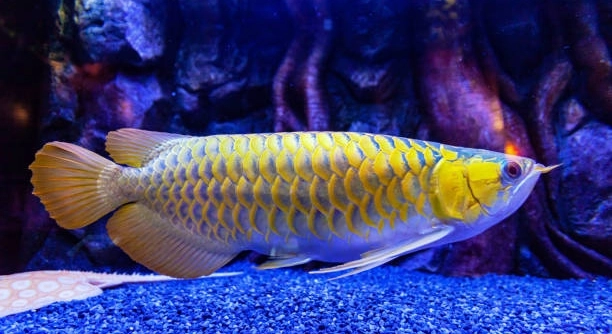
Have you ever wondered about the best water conditions for your arowana at home? These striking fish are known for their beauty and elegance, and keeping them healthy starts with understanding their environment.
Arowanas thrive best in warm water, typically between 75°F and 86°F. Slightly cooler temperatures can slow their metabolism, affect feeding habits, and reduce overall activity, making warm water essential for maintaining optimal health and growth in these fish.
Knowing how water temperature influences their behavior and health is crucial. Proper care ensures your arowana remains vibrant, active, and comfortable in its aquatic environment.
Why Warm Water Works Best for Arowanas
Warm water supports arowanas’ natural metabolism and keeps them active. In temperatures between 75°F and 86°F, they swim more confidently, feed regularly, and display their full colors. Cooler water can slow them down, making them less likely to eat and more prone to stress. Maintaining consistent warmth also helps their immune system stay strong, reducing the risk of illness. When I first adjusted my tank temperature, I noticed my arowana exploring more and showing brighter scales. Using a reliable heater and thermometer makes it easier to monitor the water and prevent sudden fluctuations. Plants and decorations can influence water temperature slightly, so arranging the tank thoughtfully ensures even warmth. Warm water also encourages normal digestion and prevents digestive issues, which can be common if the temperature drops. Overall, stable warm water keeps arowanas healthy and lively, improving their quality of life in the tank.
Warm water creates a stable environment, supporting feeding, activity, and immunity, which are critical for long-term health in arowanas.
Consistent warmth allows arowanas to thrive naturally. By keeping the water stable, their stress levels stay low, and they maintain regular swimming patterns. Over time, arowanas in warm water become more predictable in behavior, making care easier. Feeding schedules are more reliable because their metabolism functions properly. Sudden drops in temperature can cause shock, affecting their appetite and possibly leading to illness. Observing your fish closely during seasonal changes helps catch any problems early. Warm water also encourages proper oxygen circulation, which is important for gill function and overall energy. Combining a heater with regular temperature checks ensures the environment remains safe. Maintaining warmth is a simple step that produces noticeable results, keeping arowanas active, healthy, and visually vibrant, which adds satisfaction for anyone caring for them.
Effects of Slightly Cool Water
Slightly cool water can slow arowanas’ movements and reduce feeding. They may stay near the bottom, appearing less lively.
When water temperature drops just a few degrees below their ideal range, arowanas’ metabolism slows, causing them to eat less and expend less energy. Over time, this can lead to weight loss or weakened immunity. Even small drops in temperature during night or seasonal changes can affect their behavior. They may hide more often or stop showing their full color, which can make them appear dull. Cool water can also interfere with digestion, increasing the risk of bloating or constipation. While arowanas can survive in slightly cooler water for short periods, long-term exposure is not ideal. Careful monitoring and gradual adjustments can help mitigate stress, but warm water remains the safer and healthier choice for keeping these fish active, strong, and visually vibrant in their tanks.
Monitoring Water Temperature
Keeping a reliable thermometer in the tank is essential. Regular checks help ensure the water stays in the right range, preventing sudden drops that can stress arowanas.
I keep a digital thermometer near the center of my tank. This helps me see the average temperature rather than just one spot, which can vary. At night, the heater maintains warmth, and I double-check the thermometer in the morning. Observing the fish’s behavior also helps; if they seem sluggish or hide more than usual, it can indicate the water is cooler than ideal. Adjusting the heater gradually avoids shocking them. Consistency in temperature keeps feeding habits steady and supports overall health.
Even minor fluctuations can impact their metabolism. Sudden dips may lead to loss of appetite or reduced activity. Using a reliable heater, insulated tank cover, and regular monitoring keeps water stable. This simple attention to temperature makes a noticeable difference in how energetic and healthy the fish appear.
Tools to Maintain Ideal Temperature
A heater, thermometer, and insulated cover work together to keep water consistent and safe for arowanas.
Using a quality heater with an adjustable thermostat allows me to set the water precisely between 75°F and 86°F. Pairing it with a thermometer ensures the reading is accurate, avoiding surprises from faulty equipment. The insulated cover helps retain heat overnight or during colder days, preventing sudden drops. I also check water circulation; stagnant areas can be cooler and affect the fish locally. Combining these tools gives a reliable system, keeping the arowanas comfortable and supporting regular feeding, swimming patterns, and immune health. Regular checks and small adjustments make maintenance easier.
Adjusting Temperature Gradually
Sudden changes in water temperature can stress arowanas. Adjusting slowly ensures their metabolism adapts without harming their health.
I usually increase or decrease the heater by one or two degrees per day. This slow adjustment prevents shock and keeps the fish active and feeding normally.
Signs Your Arowana Prefers Warmer Water
When arowanas stay near the surface, swim energetically, and feed readily, it indicates the water temperature suits them. Their color also appears brighter in the right warmth.
Avoiding Overheating
Keeping the water too warm can be harmful. Temperatures above 86°F may cause stress and oxygen depletion.
FAQ
How do I know if my arowana is comfortable with the water temperature?
Arowanas that are comfortable swim actively, explore their tank, and eat on schedule. Their colors appear brighter, and they show normal behavior patterns without hiding excessively. Sudden sluggishness or reduced appetite often signals the water is too cool or too warm. I noticed that small changes in the morning or evening can affect behavior, so I check the temperature daily and observe the fish. Consistent activity and regular feeding are reliable indicators of comfort.
Can arowanas survive in slightly cooler water?
Yes, they can survive for short periods, but long-term exposure can slow metabolism and reduce feeding. In cooler water, their immune system can weaken, making them more prone to disease. I once left my tank a few degrees cooler accidentally, and my arowana became less active and avoided the surface. Gradually raising the temperature restored energy and appetite. While survival is possible, maintaining warmer water ensures long-term health and proper growth, which is crucial for their overall well-being.
Is it safe to let the water temperature fluctuate naturally?
Natural fluctuations can stress arowanas. Even small changes can affect feeding, activity, and digestion. I always use a reliable heater and cover to maintain consistency. Arowanas respond better to stable conditions, which helps prevent illness and ensures they remain energetic. Occasional minor shifts are manageable, but regular swings, especially overnight, can cause noticeable stress and reduce their immune function.
What tools are best for maintaining ideal water temperature?
A heater with an adjustable thermostat, a thermometer, and an insulated cover are essential. The heater keeps the water within the desired range, while the thermometer ensures readings are accurate. I also use gentle water circulation to prevent cold spots. The insulated cover helps maintain heat overnight or during colder days, preventing sudden drops. These tools together create a stable environment, which is crucial for feeding, swimming patterns, and overall health.
How fast should I adjust the water temperature?
Temperature changes should be gradual, about one or two degrees per day. Sudden shifts can shock arowanas, leading to stress, appetite loss, or even illness. When I first adjusted my tank, I monitored the fish closely, raising the heater slowly until the water reached the optimal range. Gradual adjustments allow their metabolism to adapt naturally. Rapid changes can cause hiding, reduced swimming, and color dulling, making careful monitoring necessary for long-term health.
Can too much heat harm my arowana?
Yes, water above 86°F can stress arowanas and lower oxygen levels. Signs include frantic swimming, rapid gill movement, or hiding. I always aim to stay in the 75°F–86°F range and adjust the heater if the water rises too high. Proper ventilation and water circulation also help maintain oxygen levels, preventing overheating issues. Avoid leaving the tank near direct sunlight or heating sources that could push temperatures too high.
How often should I check the water temperature?
Daily checks are best, especially in tanks without automatic monitoring. I take readings in the morning and evening to ensure stability. Observing the fish for activity, feeding, and coloration provides additional clues about temperature suitability. During seasonal changes, more frequent checks help prevent drops or spikes that could affect health. Keeping a simple log of temperatures also helps notice trends before they become a problem.
Are there signs of stress caused by improper temperature?
Yes, common signs include sluggish swimming, refusal to eat, hiding at the bottom, and faded colors. I noticed my arowana would avoid the surface when the water cooled slightly. Stress from temperature also weakens immunity, making illness more likely. Quick response—adjusting the heater or insulating the tank—can help restore comfort and normal behavior. Recognizing early signs prevents long-term health issues and keeps the fish active.
Does water temperature affect breeding in arowanas?
Yes, stable warm water is essential for breeding. Cooler or fluctuating temperatures can prevent spawning or cause eggs to fail. I read that consistent warmth stimulates natural reproductive behavior. Keeping water around 78°F–82°F helps encourage breeding, while unstable conditions can delay or prevent it. Temperature affects hormonal balance, making it a key factor for anyone trying to breed arowanas successfully.
Can temperature issues cause disease in arowanas?
Temperature stress weakens the immune system, increasing susceptibility to bacterial or fungal infections. I noticed minor drops in water temperature often led to lethargy, making the fish more vulnerable. Keeping water consistently warm, clean, and well-oxygenated reduces risk. Regular monitoring and gradual adjustments are simple steps that prevent disease, maintain appetite, and keep activity levels high.
What is the ideal nighttime temperature for arowanas?
Arowanas tolerate slight drops at night, but it should remain within 72°F–78°F. I allow minor cooling, but never more than a few degrees below the daytime range. Sudden nighttime drops can cause hiding and reduced feeding. Using a heater with a reliable thermostat ensures gradual cooling and prevents shocking the fish, keeping their metabolism steady.
Are certain arowana species more sensitive to temperature?
Yes, some species like the Asian arowana prefer warmer, stable conditions more than silver arowanas. I’ve kept both types, and the Asian arowana reacts quickly to slight drops, showing reduced activity. Understanding species-specific needs helps set the ideal range, ensuring proper feeding, growth, and overall health.
Can I use multiple heaters for large tanks?
Yes, using two smaller heaters can maintain more even warmth than a single large heater. I position one on each side to prevent cold spots. This setup ensures all areas of the tank stay within the proper range, helping arowanas swim comfortably and feed normally. Redundancy also provides backup if one heater fails, keeping the fish safe.
How long does it take arowanas to adjust to a new temperature?
Gradual changes allow adjustment in a few days. Rapid shifts can take longer and cause stress. I increase or decrease temperature slowly while monitoring feeding and activity, ensuring the fish adapts naturally. This approach prevents illness, supports metabolism, and keeps behavior normal.
What should I do if my arowana stops eating after a temperature change?
Check that the water is in the optimal range and adjust slowly if needed. I also observe behavior and look for other stress signs. Patience is key; they usually resume feeding once comfortable. Temporary fasting is common, but prolonged refusal signals a problem requiring careful correction.
Does room temperature affect tank water for arowanas?
Yes, ambient temperature influences water, especially in smaller tanks. I noticed colder rooms cause slight dips at night, requiring a reliable heater. Proper insulation and monitoring prevent sudden drops, keeping the fish active and feeding normally. Consistency is essential for long-term health.
Can water circulation impact temperature stability?
Yes, poor circulation can create colder spots in the tank. I use gentle flow to distribute warmth evenly, ensuring all areas stay within range. This also supports oxygen levels, feeding, and activity. Circulation helps prevent local temperature drops that might stress the fish, keeping them comfortable throughout the tank.
What maintenance helps keep temperature stable long-term?
Regular heater checks, thermometer calibration, and cleaning the tank prevent equipment malfunctions and temperature fluctuations. I also inspect insulation and water flow. Preventive maintenance ensures stable conditions, reducing stress, supporting appetite, and keeping arowanas healthy. Simple routines make a noticeable difference over time.
Can external factors like sunlight or drafts affect tank temperature?
Yes, direct sunlight can overheat water, while drafts can cool it unexpectedly. I place my tank away from windows and vents to avoid sudden shifts. Monitoring daily ensures these factors don’t disturb the temperature, keeping the fish safe and comfortable consistently.
How precise does the temperature need to be for arowanas?
A difference of a few degrees is usually fine, but consistency matters. I aim for 75°F–86°F with minimal fluctuations. Stable temperature supports metabolism, feeding, immune function, and behavior. Sudden shifts, even within the range, can stress the fish, so gradual adjustments are best.
Do arowanas react to seasonal changes in temperature?
Yes, seasonal drops or rises can affect appetite and activity. I monitor heaters more closely in winter and prevent overheating in summer. Gradual adjustments help them remain active and healthy. Seasonal awareness ensures consistent behavior and prevents stress-related health issues.
How long should I wait before changing the temperature again?
Wait at least 24 hours between adjustments. I often observe the fish for signs of stress before making further changes. Gradual, spaced adjustments allow metabolism to adapt, maintaining feeding habits, swimming patterns, and overall health. Patience ensures safe transitions.
Are there signs of overheating besides frantic swimming?
Yes, rapid gill movement, hiding, loss of appetite, and clamped fins indicate stress from high temperature. I noticed these signs when the heater malfunctioned. Immediate correction, adjusting the heater, and ensuring proper circulation help restore comfort and prevent long-term harm.
Can temperature affect aggression in arowanas?
Yes, improper temperatures can make them irritable or lethargic. I’ve observed cooler water reducing activity, while slightly warm but stable conditions support normal social behavior. Keeping temperature consistent minimizes stress, which reduces aggression in tank mates and maintains a calm environment.
Does water temperature influence coloration in arowanas?
Yes, vibrant colors appear in ideal warm water. Cooler or fluctuating temperatures can dull their scales. I’ve seen arowanas regain brightness after consistent warming, making temperature a key factor for both health and visual appeal. Consistency ensures they remain lively and colorful.
Can young arowanas tolerate cooler water better than adults?
Young arowanas are slightly more resilient, but consistent warmth still promotes growth and feeding. I observed juveniles tolerate minor drops but showed better activity and appetite in optimal temperatures. Adults are more sensitive, so maintaining the proper range is important at all stages.
What’s the easiest way to maintain long-term temperature stability?
Using a reliable heater, thermometer, cover, and gentle circulation creates a stable environment. I check readings daily and make small adjustments gradually. This system supports feeding, activity, and immune health, keeping arowanas comfortable and healthy for years.
How important is monitoring water daily?
Daily monitoring is critical. I observe temperature and fish behavior to catch small issues early. Consistent checks prevent stress, reduce disease risk, and maintain feeding patterns. Simple routines make a big difference in long-term health and comfort.
Can temperature stress affect growth?
Yes, cooler or fluctuating temperatures slow metabolism, reducing appetite and growth. I noticed my arowana grew faster once water remained stable and warm. Proper warmth supports proper digestion, energy, and overall development throughout life.
How do I prevent temperature-related problems during power outages?
Using an insulated cover and moving a small heater to a backup power source helps. I also check water and fish behavior immediately after restoration. Gradual warming prevents shock, keeping metabolism steady. Being prepared reduces stress and prevents illness.
Does water depth affect temperature consistency?
Yes, deeper tanks maintain heat better but may develop temperature layers. I monitor mid-level temperatures and use circulation to distribute warmth evenly. Proper depth combined with circulation ensures all areas remain comfortable for the fish.
How often should I replace or check heaters?
Check heaters monthly and replace every few years or if malfunctioning. I inspect for corrosion or uneven heating. Reliable equipment is critical to maintain stable conditions, supporting feeding, activity, and overall arowana health.
Can temperature issues cause long-term behavioral changes?
Yes, repeated stress from temperature fluctuations can make arowanas hide more, eat less, and swim less actively. I noticed temporary sluggishness can become habitual if not corrected. Maintaining consistent warmth ensures normal behavior and reduces stress patterns over time.
What’s the most common mistake with water temperature?
Rapid changes or neglecting daily monitoring often cause stress. I’ve seen fish lose appetite or become inactive after sudden drops or rises. Simple routines and consistent checks prevent most temperature-related problems, keeping arowanas healthy and active.
How precise should I be with heater placement?
Positioning near water flow prevents hot or cold spots. I place mine away from decorations to avoid uneven heating. Proper placement ensures stable temperature throughout, supporting feeding and regular swimming patterns.
Can I use multiple thermometers for accuracy?
Yes, placing thermometers at different points helps detect cold or warm zones. I use this method to ensure even heating, especially in larger tanks. Accurate readings prevent unnoticed fluctuations, keeping the fish comfortable.
Is there a way to make temperature changes less stressful?
Gradual adjustments, gentle circulation, and close observation reduce stress. I change one degree per day and monitor feeding. This approach allows the fish to adapt naturally, preventing appetite loss or behavioral changes.
Does diet affect temperature tolerance?
Yes, well-fed fish tolerate minor fluctuations better. I maintain a consistent diet to support metabolism and immune function. Strong, healthy fish recover faster from small temperature changes and remain active.
Are there seasonal tips for maintaining temperature?
In winter, use heaters and covers to prevent drops. In summer, avoid direct sunlight and monitor for overheating. I adjust gradually with the seasons to keep conditions stable. Seasonal attention supports consistent feeding, activity, and overall health.
How long does it take to recover from temperature stress?
Recovery varies from a day to a week, depending on severity. I restore warmth gradually and observe feeding and activity. Stable conditions and patience allow the fish to return to normal behavior safely.
Can temperature affect interaction with tank mates?
Yes, stressed arowanas may become aggressive or withdrawn. I’ve seen cooler water reduce activity, while stable warmth encourages normal interactions. Proper temperature helps maintain calm social behavior.
Does temperature influence water quality?
Yes, warmer water can increase evaporation and affect oxygen levels. I monitor water parameters regularly to complement temperature control. Balancing both ensures optimal health for the fish.
What’s the safest approach for fluctuating household temperatures?
Use a heater, insulated cover, and circulation to buffer changes. I monitor daily, adjusting gradually if needed. This ensures consistent warmth despite household variations, keeping arowanas healthy and active.
Can stress from temperature affect lifespan?
Yes, repeated stress reduces immunity and growth, potentially shortening lifespan. I maintain stable warmth to prevent chronic stress, supporting longevity and overall well-being.
Are there differences between wild and captive arowanas regarding temperature?
Wild arowanas adapt to natural fluctuations, but captive fish need consistent warmth. I found that stable temperatures in tanks support feeding, growth, and behavior better than mimicking fluctuating wild conditions. Consistency is key for health in captivity.
Does tank size influence temperature management?
Larger tanks hold heat more steadily but may develop uneven spots. I use circulation and multiple heaters if needed. Proper management ensures all areas remain within the ideal range.
Can temperature stress affect reproduction long-term?
Yes, repeated stress may reduce spawning frequency or success. I maintain consistent warmth for breeding adults, as stability supports hormonal balance and healthy reproduction.
Are young and adult arowanas affected differently by temperature stress?
Young fish tolerate minor fluctuations slightly better but grow faster in optimal warmth. Adults show stress quickly if temperatures vary. I monitor both closely to maintain healthy growth and behavior.
How often should I recalibrate thermometers?
I check accuracy monthly against a trusted thermometer. Calibration ensures precise readings, preventing unnoticed fluctuations that could stress the fish. Accurate monitoring is key for long-term health.
Can temperature influence swimming patterns?
Yes, cooler water slows swimming, while proper warmth encourages activity. I adjust gradually to maintain normal patterns, supporting feeding and exercise.
Are there long-term effects of minor temperature variations?
Repeated small fluctuations can reduce immunity, growth, and coloration over time. I maintain consistency to prevent chronic stress and ensure healthy, active fish.
Does temperature affect digestion in arowanas?
Yes, cooler water slows metabolism and digestion, possibly causing bloating or constipation. Warm, stable water ensures proper nutrient absorption and energy for swimming and activity.
How do I prevent sudden temperature shocks?
Gradual adjustments, daily monitoring, and stable equipment prevent sudden changes. I avoid placing tanks near vents or sunlight. Careful attention keeps the fish comfortable and healthy.
What’s the most reliable way to maintain warmth overnight?
Using a heater with an insulated cover ensures minimal drops. I check readings in the morning to confirm stability. This approach prevents nighttime stress and maintains feeding and activity patterns.
Can improper temperature affect molting or scale health?
Yes, stress from incorrect warmth can lead to scale issues or delayed growth. I maintain consistent temperatures to ensure proper skin and scale health.
Does water temperature influence appetite consistently?
Yes, proper warmth encourages regular feeding, while cool or fluctuating water reduces appetite. I monitor both temperature and eating behavior to maintain health.
Are there signs of long-term temperature stress I should watch?
Persistent hiding, dull coloration, slow swimming, and reduced appetite indicate chronic stress. I respond quickly by adjusting warmth gradually and monitoring behavior to restore health.
How precise should I be during seasonal changes?
Gradual, small adjustments each day prevent stress. I avoid sudden swings caused by heating or cooling, ensuring arowanas remain active, healthy, and comfortable throughout the year.
Can temperature control improve overall tank stability?
Yes, consistent warmth supports metabolism, feeding, immunity, and behavior. I pair temperature control with regular water changes and monitoring to maintain a stable, healthy environment for my arowanas.
Maintaining the right water temperature is one of the most important aspects of caring for arowanas. These fish are naturally warm-water species, and keeping them in the correct range ensures they remain active, feed regularly, and maintain strong immune systems. When the water is too cool, arowanas tend to become sluggish, hide more, and eat less, which can affect their growth and overall health. On the other hand, water that is too warm can stress them, lower oxygen levels, and even impact their behavior. I’ve seen firsthand how a slight change in temperature can affect my arowana’s appetite and activity. Using a heater, thermometer, and simple observation makes a big difference in keeping the tank comfortable and safe for the fish. It may seem like a small detail, but temperature stability influences nearly every part of their daily life, from swimming patterns to digestion and immunity.
Consistency is key when it comes to water temperature. Arowanas respond best to a stable environment where the temperature does not fluctuate suddenly. I always monitor the tank daily, checking both the thermometer and the behavior of my fish. Active swimming, regular feeding, and bright colors are all good signs that the water is at the right temperature. Gradual adjustments are much safer than sudden changes, which can shock the fish and cause stress or even illness. In my experience, even a one or two-degree shift can be noticeable, especially during colder nights or seasonal changes. Using insulation, gentle water circulation, and careful placement of the heater can help maintain a stable environment. By paying attention to these details, it is possible to create a tank where the arowana feels secure and thrives, minimizing health risks over time.
Understanding how water temperature affects arowanas allows for better long-term care and stronger, healthier fish. Maintaining warmth between 75°F and 86°F supports their metabolism, feeding habits, immune function, and overall energy levels. Observing the fish for signs of discomfort, such as hiding, slow swimming, or faded colors, can alert you to temperature problems early. A reliable setup with a heater, thermometer, and insulation ensures that even during seasonal shifts or power outages, the tank remains within a safe range. Keeping the water consistent not only protects the fish from stress and illness but also encourages natural behavior and vibrant appearance. Over time, maintaining ideal temperature conditions results in arowanas that are more active, colorful, and resilient. By committing to these small but essential practices, the tank becomes a healthier and more stable home, supporting the long-term well-being of these impressive fish.

Hello,
If you enjoy the content that we create, please consider saying a "Thank You!" by leaving a tip.
Every little bit helps us continue crafting quality advice that supports the health, happiness, and well-being of pets around the world, for pets of all shapes, sizes, and species.
We really appreciate the kindness and support that you show us!