
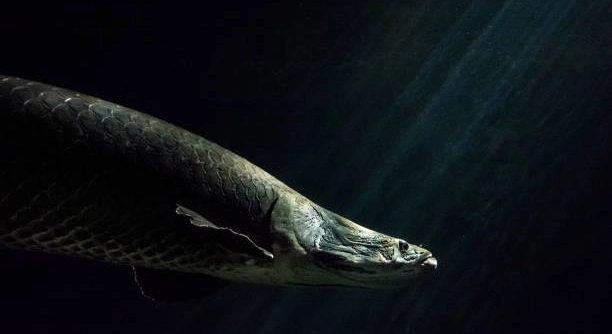
Do you ever notice your arowana swimming quietly in its tank while the lights are on but only coming alive when the room darkens? Many fish owners find it surprising when their arowana chooses nighttime for feeding.
Arowanas are naturally nocturnal predators, preferring to hunt and eat in low-light conditions. Their feeding patterns are influenced by instinct, environmental factors, and light sensitivity, which makes them more active during evening and nighttime hours rather than during the day.
Understanding your arowana’s nighttime habits can improve feeding routines and tank management for a healthier, more comfortable aquatic environment.
Natural Nocturnal Behavior
Arowanas are instinctively nocturnal, which means their feeding and activity patterns are naturally geared toward the evening and nighttime. During the day, they tend to rest near the bottom or mid-level of the tank, conserving energy and avoiding bright light. This behavior is inherited from their natural habitats, where low-light conditions make hunting easier and safer. Even in captivity, arowanas maintain these patterns, showing bursts of movement and feeding activity once the lights dim. Tank lighting, room brightness, and surrounding activity all influence their comfort level, often delaying daytime feeding. Some arowanas may gradually adapt to daytime feeding if consistently offered food, but many will still prefer the calm, dim environment at night. Observing their behavior carefully helps in understanding their preferences and adjusting tank conditions to match their natural instincts, ultimately supporting a healthier and less stressed fish.
Arowanas’ preference for night feeding is a sign of healthy instinct and natural rhythm, not poor appetite or illness.
Creating a tank environment that mimics twilight or shaded areas encourages more regular feeding behavior. By offering food during these quieter periods, you can align their natural instincts with your feeding routine, making it easier to monitor their diet and overall health. Dim lighting, covered sections of the tank, or feeding after the main room lights are off often results in more consistent and successful feeding sessions. Over time, your fish will respond to these cues, allowing you to feel more confident in their care and ensuring that they remain active, healthy, and comfortable. Understanding these subtle environmental factors is key to managing their nighttime activity and ensuring they thrive in a home setting.
Environmental Influence on Feeding
Tank lighting, noise, and human activity can all affect when an arowana chooses to eat.
Arowanas are highly sensitive to their environment. Bright lighting, sudden movements, or loud noises during the day can make them hesitant to feed, reinforcing nighttime eating habits. Adjusting tank lights to simulate dawn and dusk, limiting daytime disturbances, and creating shaded areas in the aquarium can help them feel more secure and encourage more flexible feeding times. Overfeeding or inconsistent feeding schedules may also contribute to their selective behavior. By observing the fish’s natural patterns and making small environmental adjustments, owners can better manage feeding habits while respecting their arowana’s instincts. Some fish will always prefer nighttime feeding, but creating a calm, controlled environment reduces stress and promotes healthier, more predictable behavior. Paying attention to these environmental factors not only improves feeding success but also supports long-term well-being.
Feeding Schedule Adjustments
Consistency in feeding times helps your arowana develop a routine. Offering food during the same part of the evening can make them more responsive. Avoid changing the schedule too often, as this can confuse the fish and reduce appetite.
Gradually shifting feeding times can encourage your arowana to eat slightly earlier if needed. Start by offering food 10–15 minutes earlier than usual each night, observing how they respond. If they show interest, continue this shift slowly over several days. Maintaining the same type and amount of food during this process ensures they remain healthy while adapting. Patience is key, as forcing them to eat during the day can create stress or refusal to feed. Tracking their behavior and appetite helps in adjusting the schedule effectively without compromising their natural instincts.
It is also important to match feeding times with periods of low disturbance. Feeding after household activity quiets down ensures your fish feels safe and comfortable. Using dim lighting or partial tank covers can help simulate natural conditions, reinforcing their feeding routine. Avoid overfeeding during these adjustments, as excess food can pollute the water and affect health. With careful observation and minor changes, your arowana will adapt gradually while maintaining energy and activity. Monitoring water quality and fish behavior ensures that any adjustments benefit long-term well-being.
Diet and Food Preferences
Arowanas prefer live or fresh food in the evening, which matches their natural hunting instincts and encourages feeding behavior.
Offering a variety of foods keeps your arowana interested and healthy. They often respond best to live or freshly prepared protein sources, such as small fish, shrimp, or insects, as these mimic hunting in the wild. Frozen or pellet foods can be incorporated gradually to provide balanced nutrition, but some fish may reject these until accustomed. Portion control is important to avoid uneaten food and maintain water quality. Observing which foods are preferred during evening feedings allows you to tailor the diet effectively, ensuring both satisfaction and proper nutrition.
Rotating food types prevents boredom and nutritional deficiencies while promoting natural behavior. Live food stimulates hunting instincts, while frozen or pellet options offer convenience and dietary balance. Ensuring variety also supports strong growth, coloration, and immune health. Feeding multiple smaller portions instead of one large meal mimics natural hunting patterns, making the fish more likely to eat consistently. By carefully monitoring preferences and adjusting the diet, you create an environment that supports both physical health and behavioral well-being, making nighttime feeding a successful routine for your arowana.
Tank Setup and Lighting
Proper tank setup affects your arowana’s feeding habits. Providing shaded areas, hiding spots, and dim lighting encourages natural nighttime activity and reduces daytime stress.
Bright lights or an overly exposed tank can make the fish hesitant to eat. Using adjustable lighting or floating plants helps create a comfortable environment that aligns with their nocturnal instincts.
Water Quality Impact
Clean, stable water is essential for healthy feeding behavior. Poor water quality can stress arowanas, making them avoid food even at night. Maintaining proper filtration, performing regular water changes, and monitoring parameters such as pH, ammonia, and nitrate levels ensures the fish remain comfortable and active during feeding times. Consistent water conditions reduce stress, promote appetite, and support overall health. An arowana that feels secure in its tank is more likely to follow a predictable feeding routine and show normal behavior, allowing you to care for it confidently and effectively.
Temperature Considerations
Water temperature affects metabolism and feeding activity. Slightly cooler or fluctuating temperatures can reduce appetite, while stable, appropriate warmth encourages regular nighttime eating.
Observing Behavioral Changes
Monitoring changes in swimming patterns, aggression, or lethargy can indicate feeding issues or health problems that require attention.
FAQ
Why does my arowana only eat at night?
Arowanas are naturally nocturnal. In the wild, they hunt under low-light conditions to avoid predators and surprise prey. Even in a home aquarium, this instinct persists, making them more active and willing to feed after the lights dim. Nighttime feeding is normal and usually indicates a healthy fish.
Can I make my arowana eat during the day?
Yes, but it requires patience. Gradually shift feeding times by offering food slightly earlier each day. Reduce bright lighting and daytime disturbances. Some fish may adapt, but many will always prefer evening or nighttime feedings due to natural instincts. Avoid forcing daytime eating, as it can stress the fish.
What type of food is best for nighttime feeding?
Live or freshly prepared protein foods like small fish, shrimp, or insects work best. These mimic natural hunting behavior and encourage feeding activity. Frozen or pellet foods can be included gradually for convenience and balanced nutrition, but live options are usually more effective for night-feeding arowanas.
How much should I feed my arowana at night?
Feed an amount that your arowana can finish in 5–10 minutes. Overfeeding can pollute the water and harm the fish. Observing appetite and adjusting portions based on size, age, and activity helps maintain health while supporting their natural feeding patterns.
Does lighting affect feeding behavior?
Yes, arowanas are sensitive to light. Bright daytime lighting can make them hesitant to eat. Using dim lighting, shaded areas, or floating plants encourages nighttime activity and creates a more comfortable environment for feeding. Gradual lighting changes simulate natural conditions.
Can stress make my arowana avoid food?
Absolutely. Loud noises, sudden movements, tank overcrowding, or unstable water conditions can cause stress, leading to reduced appetite. Providing a calm environment, hiding spots, and consistent care encourages normal feeding behavior. Nighttime feeding often aligns with their reduced-stress periods.
How important is water quality for nighttime feeding?
Water quality is critical. High ammonia, nitrite, or nitrate levels can stress arowanas, making them less willing to eat. Regular water changes, proper filtration, and monitoring parameters support both health and appetite, allowing the fish to feed naturally at night without complications.
Can temperature changes affect feeding?
Yes. Arowanas are sensitive to temperature fluctuations. Cooler water can lower metabolism and reduce appetite. Maintaining a stable, appropriate temperature encourages regular activity and predictable nighttime feeding. Avoid sudden changes, as these can disrupt feeding habits and overall health.
What signs show my arowana is feeding well at night?
Healthy arowanas exhibit alertness, smooth swimming, and active hunting behavior during nighttime feedings. Bright coloration, consistent appetite, and regular growth indicate that feeding is adequate and the fish is comfortable with its environment and routine.
How do I track feeding progress effectively?
Keep a feeding log noting time, type, and amount of food offered. Record appetite and behavior to spot trends or issues. Tracking this information helps adjust feeding schedules, manage portions, and ensure water quality remains optimal, supporting long-term health and nighttime activity.
Is it normal for arowanas to skip meals?
Occasional skipped meals are normal, especially if they are stressed, adjusting to new foods, or undergoing minor environmental changes. Consistent skipped feedings or prolonged refusal may indicate health issues, requiring water testing, diet review, or consultation with an experienced aquarist or veterinarian.
How can I encourage an arowana to try new foods at night?
Introduce new foods gradually alongside familiar favorites. Offering small portions during preferred nighttime feeding hours increases acceptance. Mixing live, frozen, or pellet foods allows the fish to adapt while maintaining appetite. Patience is key, as arowanas may take several days to respond to changes in diet.
Does tank size affect feeding behavior?
Yes. Smaller tanks can stress arowanas and limit their natural swimming patterns, making them more hesitant to eat. Providing enough space to swim and explore encourages activity and aligns with nighttime feeding instincts. Larger tanks with proper hiding spots support healthier behavior.
How long should a feeding session last?
Nighttime feeding should last around 5–10 minutes per session. Arowanas tend to lose interest if food remains too long, and uneaten portions can pollute the tank. Short, consistent sessions encourage natural hunting behavior and maintain water quality.
Can multiple arowanas in one tank affect feeding times?
Yes, competition and hierarchy can influence feeding behavior. Some arowanas may wait for others to eat first or become stressed. Observing interactions and offering multiple feeding spots or portions ensures all fish get adequate nutrition and reduces aggression during nighttime feeding.
This FAQ addresses common concerns and practical strategies, helping you understand and manage your arowana’s nighttime eating habits effectively. Observing behavior, adjusting the environment, and offering suitable food ensures your fish remains healthy and comfortable.
Arowanas are fascinating fish with natural instincts that shape their behavior, including when they choose to eat. Nighttime feeding is a normal pattern for many arowanas, reflecting their nocturnal hunting habits in the wild. Understanding this behavior is important because it helps you care for your fish in a way that supports their health and comfort. Rather than trying to force a daytime feeding schedule, it is often better to observe their natural rhythms and adjust your approach to match them. Providing an environment that respects these instincts reduces stress and encourages consistent eating, which is essential for growth, coloration, and overall well-being. Many fish owners feel concerned when they notice their arowana avoiding food during the day, but this behavior is rarely a sign of illness if the fish is otherwise healthy, active, and maintaining weight. Patience and careful observation are key tools in keeping your arowana thriving.
Environmental factors play a significant role in feeding behavior. Lighting, tank setup, and disturbances can all influence when your arowana feels comfortable eating. Bright lights or an exposed tank may make them hesitant to feed during the day, while dim lighting, shaded areas, and low activity periods create conditions similar to their natural habitats. Water quality and temperature are equally important. Clean, stable water encourages normal appetite, while fluctuations in temperature or poor water parameters can reduce feeding interest. Regular monitoring and maintenance support not only nighttime feeding but also long-term health. Additionally, diet variety matters. Offering live, frozen, or pellet foods in ways that mimic natural hunting behaviors keeps your arowana engaged and nourished. Balancing consistency and variety ensures they receive proper nutrition while supporting natural instincts.
Feeding schedules should be adjusted gradually to work with the fish rather than against it. Slowly shifting feeding times, offering food at quieter periods, and observing reactions helps maintain appetite without causing stress. Overfeeding or forcing changes can lead to health problems, water quality issues, and behavioral challenges. It is also important to note that some arowanas will always prefer nighttime feeding despite these adjustments, and that is perfectly normal. By understanding their habits, respecting their natural rhythms, and providing an environment tailored to their needs, you can ensure a healthy, active, and thriving fish. Attention to these details creates a more predictable routine and gives you confidence in your ability to care for your arowana properly, promoting long-term well-being and enjoyment in observing their behavior.
Word count: 407

Hello,
If you enjoy the content that we create, please consider saying a "Thank You!" by leaving a tip.
Every little bit helps us continue crafting quality advice that supports the health, happiness, and well-being of pets around the world, for pets of all shapes, sizes, and species.
We really appreciate the kindness and support that you show us!