
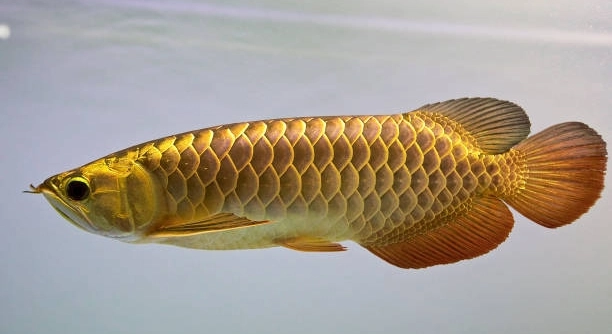
Have you ever introduced new fish to your aquarium and felt a mix of excitement and worry? Watching your tankmates adjust can be a delicate process that requires patience and careful observation. Understanding their behavior is key.
After introducing new tankmates, it is important to monitor interactions closely. Observe signs of stress, aggression, or illness while ensuring proper water quality, temperature, and feeding routines to maintain a stable and healthy aquatic environment for all inhabitants.
Knowing what to look for in the first days can prevent conflicts and ensure a harmonious tank. These small details can make a big difference in your fish’s overall well-being.
Signs of Stress in New Tankmates
When new fish enter a tank, they may show stress in subtle ways. Some may hide constantly, refuse to eat, or swim erratically. Color fading is another common sign, as stress can directly impact pigmentation. Stress can also make fish more vulnerable to disease, so observing these signs early is essential. Gentle introduction techniques, such as using a separate quarantine tank initially or floating the bag before release, can help reduce tension. Maintaining proper water temperature, pH levels, and filtration ensures a stable environment. Even small changes, like rearranging decorations, can increase stress, so it’s important to introduce new tankmates slowly and carefully. Watching interactions over the first few days gives insight into how well your fish are adjusting. A calm and consistent environment helps them settle faster and reduces the risk of aggressive behavior or health problems.
Stress can appear differently in each species, so careful observation is key.
Recognizing early signs of stress allows you to intervene before problems escalate. Removing overly aggressive fish, adjusting hiding spots, and feeding small meals more frequently can ease tension. Avoid overcrowding, as it can amplify stress and lead to long-term health issues. By monitoring both behavior and water conditions, you create a safer space for all fish. Over time, consistent care reduces stress, promotes natural behavior, and supports overall well-being, helping your tank thrive.
Aggression Between Tankmates
Aggression can show as chasing, nipping, or territory disputes.
Observing patterns of aggression helps determine if intervention is needed. Separating overly aggressive fish or adding more hiding spaces can reduce conflict.
Aggression is common when introducing new tankmates, especially if the tank is small or lacks adequate hiding spots. Some species are naturally territorial, and their interactions may escalate quickly if space is limited. Even peaceful species can become aggressive when stressed or competing for food. Keeping a close eye on behavior allows for timely adjustments, such as rearranging decorations, adding visual barriers, or temporarily isolating aggressive individuals. Overfeeding slightly or providing multiple feeding stations can also reduce competition and tension. Understanding each species’ temperament and social hierarchy helps predict potential conflicts and prevents serious injury. Maintaining water quality and consistency further minimizes stress-induced aggression, creating a more balanced and harmonious environment where all fish can coexist safely. Proper planning and observation are essential to ensuring a peaceful tank.
Monitoring Eating Habits
New tankmates may eat less at first, which is normal. Watch for sudden drops in appetite or refusal to eat, as these can indicate stress or illness.
Tracking feeding behavior helps ensure all fish receive proper nutrition. Some fish may hide while others eat aggressively, leaving certain individuals underfed. Providing multiple feeding spots and observing which fish are eating can prevent malnutrition. Adjusting the type of food or offering small portions more frequently encourages hesitant fish to eat. Consistent monitoring over the first week helps identify patterns and addresses issues early, reducing the risk of long-term health problems.
Changes in eating habits often signal broader health concerns. If a fish refuses food for more than a couple of days, test water parameters and inspect for signs of disease. Early intervention can prevent minor issues from becoming serious. Feeding consistently and keeping a calm environment supports recovery and encourages healthy routines, ensuring all tankmates adjust smoothly.
Observing Water Quality
Water conditions affect every fish in the tank. Regular checks for temperature, pH, ammonia, nitrite, and nitrate levels are essential to prevent stress and illness.
Maintaining clean, stable water ensures fish can adapt to new tankmates safely. Sudden changes in water chemistry, even small ones, can trigger aggression or weaken immune systems. Frequent partial water changes, proper filtration, and avoiding overfeeding help keep conditions stable. Observing fish for signs of distress while monitoring water parameters ensures problems are caught early. Proper care during the initial adjustment period sets the stage for a healthy, peaceful community.
Water quality directly influences fish behavior and long-term health. Even minor fluctuations can cause hiding, lethargy, or increased aggression. Testing water frequently and performing maintenance prevents toxins from building up. Introducing tankmates gradually while keeping the water consistent helps minimize stress. A stable environment supports feeding, growth, and natural behavior. By prioritizing water quality, you create a secure and comfortable space where all tankmates can thrive together.
Checking for Disease
New tankmates can carry hidden illnesses. Watch for spots, frayed fins, or unusual swimming behavior as early signs.
Quarantining new arrivals before adding them to the main tank reduces the risk of spreading disease to established fish.
Compatibility Issues
Not all species coexist easily. Even peaceful fish can clash if their temperaments or sizes differ significantly. Monitor interactions closely, especially in shared hiding spots or during feeding times. Adjusting tank layout or separating aggressive individuals helps maintain harmony and prevents injuries.
Stress from Overcrowding
Overcrowding increases stress and aggression. Too many fish in a limited space can reduce swimming areas and hiding spots, causing tension among tankmates. Regularly assess the tank’s capacity and remove or relocate fish if needed to maintain a balanced and calm environment.
Behavior Changes
Sudden changes in behavior, like lethargy or hyperactivity, can signal stress or illness. Observing these shifts early allows for quick intervention and helps maintain a healthy tank.
FAQ
How long should I watch new tankmates closely?
The first two weeks are critical when introducing new fish. During this period, observe their behavior, eating habits, and interactions with other tankmates. Stress and aggression are most likely to appear early, so frequent monitoring helps prevent serious problems.
What are the main signs of stress in fish?
Stress in fish can show in several ways. Hiding constantly, refusing food, swimming erratically, fading colors, or staying at the surface or bottom of the tank are common indicators. Recognizing these signs early allows for adjustments to water quality, environment, or social grouping.
How can I reduce aggression in my tank?
Providing hiding spots, rearranging decorations, and ensuring enough space for each fish can reduce conflicts. Feeding in multiple locations also prevents competition. If aggression persists, separating the most aggressive fish temporarily can help restore balance in the tank.
Is quarantining new fish really necessary?
Yes. Quarantining new fish in a separate tank for at least two weeks reduces the risk of introducing disease to your established tank. It allows you to monitor for illness or parasites before full integration. Proper quarantine protects the health of all tank inhabitants.
What should I do if a fish refuses to eat?
A fish refusing food may be stressed, sick, or adjusting to the new environment. Test water parameters first and ensure proper tank conditions. Offer small, frequent meals or try different types of food. Observation over several days can determine whether further action is needed.
How can I tell if my fish are compatible?
Compatibility depends on species, size, and temperament. Aggressive or territorial species may fight smaller, peaceful fish. Observing their interactions and feeding behavior provides insight. Researching each species’ social needs beforehand helps prevent conflicts and ensures a harmonious tank.
How often should I check water quality after adding new fish?
Daily checks for temperature, pH, ammonia, nitrite, and nitrate are recommended during the first week. Afterward, regular testing every few days ensures stable conditions. Consistent water quality prevents stress, disease, and aggression among tankmates.
What changes in behavior should alarm me?
Sudden lethargy, rapid breathing, hiding more than usual, or aggressive outbursts can indicate stress, disease, or water problems. Observing these changes promptly allows you to adjust the environment or separate fish before issues escalate.
Can overcrowding cause long-term problems?
Yes. Overcrowding increases stress, reduces hiding spaces, and leads to competition for food. Chronic stress weakens immune systems and may cause disease or aggression. Assess tank capacity regularly to maintain a calm, healthy environment.
How can I help shy fish adjust?
Provide hiding spots, keep lights dim, and avoid sudden movements around the tank. Offering food in multiple locations encourages shy fish to explore gradually. Patience and consistency help them build confidence and reduce stress over time.
What should I do if aggression continues despite adjustments?
Persistent aggression may require removing the aggressive fish or rehoming it. Some species simply cannot coexist peacefully. Reassessing tank size, layout, and population can prevent further stress and injuries. Prioritizing the safety of all tankmates is essential.
How do I maintain a peaceful tank long-term?
Consistent water quality, appropriate stocking levels, regular observation, and suitable hiding places are key. Rotating decorations or rearranging the tank occasionally can reset territories and reduce tension. Ongoing attention ensures all tankmates remain healthy, stress-free, and compatible over time.
Are there signs of illness that are easy to miss?
Yes. Small white spots, slight fin fraying, mild discoloration, or subtle changes in swimming patterns may go unnoticed at first. Early detection and prompt care prevent minor issues from becoming severe, protecting the entire tank.
How long does it take for fish to settle after introduction?
Most fish begin adjusting within a few days, but some may take one to two weeks. Larger, more territorial species or shy fish may need longer. Consistent observation and supportive care help all tankmates adapt smoothly.
Is feeding multiple times a day necessary for new fish?
Feeding small portions two to three times daily can reduce competition and ensure all fish receive adequate nutrition. Once fish are settled, feeding can return to a normal schedule. Frequent meals help stressed or shy fish regain strength.
What environmental adjustments help new tankmates feel secure?
Adding plants, caves, or decorations provides hiding spaces. Stable lighting, consistent water temperature, and minimal sudden changes reduce stress. Creating multiple territories allows fish to explore safely while establishing their place in the tank.
How can I prevent fights over territory?
Providing ample hiding spots and visual barriers reduces territorial disputes. Rearranging decorations periodically helps reset boundaries. Observing tankmates and adjusting layout as needed prevents long-term conflicts and maintains harmony in the aquarium.
What should I do if a fish becomes sick after introduction?
Isolate the sick fish immediately to prevent disease spread. Test water parameters, treat as needed, and monitor the rest of the tank. Early intervention increases the chance of recovery and protects the health of all tankmates.
How long should I keep observing new tankmates?
Closely monitor behavior, eating habits, and interactions for at least two weeks. Some subtle issues may appear later, so continued observation for the first month helps ensure all fish are healthy, stress-free, and adapting well.
Are there tools to make observation easier?
Using a notebook, smartphone, or camera to track behavior and feeding patterns helps spot changes over time. Recording observations ensures you notice trends that may indicate stress, aggression, or health issues, making adjustments more effective.
This FAQ covers the key points to watch for after introducing new tankmates, providing practical guidance for maintaining a peaceful, healthy aquarium environment.
Final Thoughts
Introducing new tankmates can be a rewarding experience, but it requires careful observation and patience. Fish, like people, have their own personalities and ways of reacting to change. Some may adjust quickly, while others may take days or even weeks to feel comfortable. It’s important to monitor their behavior closely during this period, paying attention to stress signals, eating habits, and interactions with other tankmates. By keeping a calm and consistent environment, you help your fish feel secure and reduce the risk of aggressive behavior or illness. Even small details, such as where decorations are placed or how food is distributed, can make a big difference in helping fish settle in. Providing hiding spots and visual barriers can allow shy fish to explore at their own pace while giving territorial fish space to establish boundaries without conflict.
Water quality is one of the most important factors to manage when adding new tankmates. Fluctuations in temperature, pH, or ammonia levels can quickly stress fish, weakening their immune systems and increasing the chance of disease. Regular testing and partial water changes help maintain a stable environment. It’s also essential to feed all fish properly, offering multiple feeding spots if necessary to prevent competition. Watching for changes in appetite can provide early clues about a fish’s health or comfort level. By paying attention to these details, you ensure that each fish has the best chance of thriving in their new environment. Consistent care and careful monitoring during the adjustment period are key to creating a harmonious tank where fish can live together peacefully.
Finally, patience is essential when integrating new tankmates. It’s easy to feel anxious when changes occur, but rushing or overreacting can make the situation worse. Some fish may hide or act differently at first, but with time and steady care, most will adapt well. Keeping a close eye on their interactions, health, and environment helps prevent problems before they escalate. Remember that every fish and tank is unique, so observing patterns and learning your tank’s specific needs will guide your decisions. By taking these steps, you create a safe, comfortable, and balanced space for all tankmates. Over time, the effort put into careful observation and proper care will result in a thriving, peaceful aquarium where each fish can flourish.

Hello,
If you enjoy the content that we create, please consider saying a "Thank You!" by leaving a tip.
Every little bit helps us continue crafting quality advice that supports the health, happiness, and well-being of pets around the world, for pets of all shapes, sizes, and species.
We really appreciate the kindness and support that you show us!