
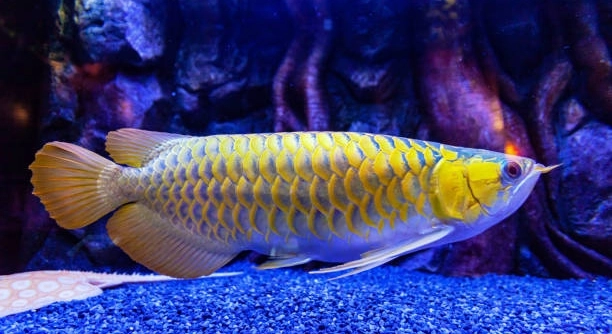
Is your arowana constantly swimming in circles, making your tank feel restless? Watching this behavior can be worrying, especially if you are unsure about what causes it or how it may affect your fish’s health.
Arowanas swimming in circles often indicate stress, illness, or water quality issues. Factors such as poor tank conditions, improper diet, parasites, or neurological problems can lead to repetitive circular swimming patterns in these fish.
Understanding the reasons behind this behavior can help ensure your arowana stays healthy and comfortable in its environment. Proper care and observation are key to maintaining its well-being.
Common Causes of Circular Swimming
Arowanas may swim in circles for several reasons, many of which relate to their environment or health. One main factor is water quality. Poor water conditions, including high ammonia or nitrite levels, incorrect pH, or low oxygen, can make fish stressed, leading them to swim repeatedly in one pattern. Tank size also matters—small tanks or overcrowded conditions can restrict movement and trigger abnormal behavior. Diet is another element; a lack of proper nutrition may cause weakness, leading the fish to swim in a loop instead of exploring normally. Illness and parasites can affect the nervous system, making coordinated swimming difficult. Observing other symptoms like loss of appetite, discoloration, or fin damage can help identify underlying problems. Lighting and tank setup influence behavior too, as arowanas are sensitive to sudden changes. Keeping a calm, consistent environment is key to reducing stress and preventing circular swimming.
Water quality issues are often the most immediate factor impacting circular swimming.
Addressing these causes begins with regular monitoring of tank conditions and health checks. Testing water weekly for ammonia, nitrites, nitrates, and pH levels is essential. Changing 20–30% of the water each week can help maintain balance. Ensure the tank is large enough for free movement, ideally with at least 250 gallons for adult arowanas. Feeding a balanced diet with live or frozen foods promotes proper nutrition and strengthens the fish. Remove any sharp or obstructive decorations that may interfere with swimming patterns. Observing your arowana closely allows early detection of illness. If disease or parasites are suspected, consulting a veterinarian or fish specialist is recommended. Small adjustments in lighting, filtration, and tank arrangement can also improve overall behavior. By combining environmental care, diet, and observation, circular swimming can often be corrected, promoting a healthier and calmer fish.
Observing Your Arowana
Tracking swimming patterns regularly can reveal subtle changes in behavior. Noting when and how often circular swimming occurs helps pinpoint triggers and possible health concerns.
Record your arowana’s activity at different times of day to see if patterns correlate with feeding, cleaning, or lighting changes. Compare behavior before and after adjustments to water conditions, diet, or tank setup. Keeping a simple log of these observations helps identify recurring issues and prevents small problems from escalating. Early intervention based on careful observation is key to maintaining your arowana’s health and reducing stress-related behaviors. Additionally, sharing notes with a professional can guide more precise treatment or environmental adjustments, ensuring your fish thrives.
Water Quality and Tank Environment
Maintaining clean water is essential for an arowana’s health. Poor water quality can stress fish, leading to circular swimming, reduced appetite, and weakened immune response. Regular testing and changes prevent these problems.
Water parameters such as ammonia, nitrites, nitrates, and pH need constant attention. High ammonia or nitrite levels are toxic, affecting gill function and causing disorientation. Temperature fluctuations can also stress arowanas, disrupting their swimming patterns. A properly sized tank with stable water flow reduces stress, allowing natural movement. Filtration must be adequate to remove waste without creating strong currents that confuse the fish. Decorations should not block swimming space, and hiding spots can reduce anxiety. Clean water, consistent temperature, and careful tank setup help prevent circular swimming caused by environmental stress.
Arowanas respond quickly to changes in their surroundings. Even minor shifts in light, decorations, or water flow can trigger repetitive swimming. Monitoring tank conditions, adjusting placement of objects, and maintaining stable lighting cycles support natural behavior.
Health and Diet Considerations
Nutrition directly influences swimming behavior. Arowanas require a varied diet of live, frozen, or high-quality pellets to maintain strength and coordination. Poor diet can cause weakness and erratic swimming.
Parasites and infections are common contributors to circular swimming. External parasites like flukes irritate the skin and fins, prompting repeated movement. Internal parasites disrupt digestion and overall energy levels, reducing the fish’s ability to swim normally. Signs of illness include faded colors, clamped fins, lethargy, and abnormal swimming. Feeding small, frequent meals supports digestion and prevents overfeeding, which can lead to water contamination. Quarantining new fish and maintaining hygiene help prevent disease. Observing your arowana’s behavior alongside diet and health ensures problems are identified early.
Maintaining proper diet and monitoring for illness are equally important. Supplementing with vitamins and minerals strengthens the immune system, reducing susceptibility to stress and parasites. A balanced feeding schedule avoids overfeeding, which can lead to obesity or poor water conditions, both of which affect swimming. Treating parasites or infections promptly with appropriate medication supports recovery. Combining diet management, health monitoring, and preventive measures promotes stable behavior, keeping circular swimming minimal and ensuring the arowana remains active, strong, and healthy in its environment.
Stress and Behavioral Triggers
Arowanas are sensitive to their surroundings. Sudden movements near the tank, loud noises, or overcrowding can cause stress, which may lead to circular swimming.
Changes in tank setup, such as new decorations or rearranged hiding spots, can confuse the fish. Stress can also arise from incompatible tank mates or inadequate swimming space.
Neurological or Physical Issues
Certain neurological disorders or injuries can affect an arowana’s swimming patterns. Brain or spinal injuries may cause disorientation, making the fish swim in repetitive circles. Genetic predispositions can also influence behavior, with some individuals naturally prone to circular movement.
Observing and Recording Patterns
Keeping a log of swimming habits helps identify triggers and changes over time. Recording feeding times, tank adjustments, and environmental shifts provides insight into causes of circular swimming.
FAQ
Why is my arowana swimming in circles all the time?
Continuous circular swimming usually points to stress, poor water conditions, or health problems. Environmental factors such as water quality, tank size, and decorations can influence behavior. Health issues like parasites, infections, or neurological problems may also cause repetitive swimming. Observing other symptoms helps determine the root cause.
Can water quality really affect circular swimming?
Yes, arowanas are highly sensitive to changes in ammonia, nitrite, nitrate, and pH levels. High toxins or improper pH can stress the fish, disrupting normal swimming patterns. Regular water testing and partial changes are essential to prevent these behaviors.
Does tank size matter for swimming patterns?
Absolutely. Arowanas require spacious tanks to move freely. Crowded or small tanks limit natural movement, causing the fish to swim in loops. Ideally, adult arowanas need at least 250 gallons with adequate length and width for unobstructed movement.
Could diet cause this behavior?
Yes. Poor nutrition can weaken arowanas, making it difficult for them to swim normally. A varied diet of live, frozen, or high-quality pellets helps maintain strength. Overfeeding or underfeeding can also impact energy levels and swimming patterns.
Are stress and tank environment significant factors?
Stress is a major contributor. Sudden noises, overcrowding, aggressive tank mates, or changes in tank decorations can all trigger circular swimming. Consistent lighting, calm surroundings, and sufficient space reduce stress and encourage natural movement.
Can parasites or illness lead to circular swimming?
Internal parasites affect digestion and energy, while external parasites irritate skin and fins. Both conditions may result in repetitive swimming. Early detection of symptoms like faded colors, clamped fins, or lethargy is key. Prompt treatment ensures recovery and reduces abnormal behavior.
Do neurological or genetic issues play a role?
Yes, injuries to the brain or spinal cord, or genetic predispositions, can cause disorientation and circular swimming. In some cases, the fish may always show this behavior despite proper care, requiring closer observation and specialized attention.
How can I monitor my arowana effectively?
Keeping a daily log of swimming patterns, feeding schedules, tank changes, and environmental factors is helpful. Documenting behavior allows you to detect trends or triggers and address them early, preventing stress-related or health-related issues.
Is circular swimming dangerous for my arowana?
It can be if it indicates underlying problems like poor water conditions, illness, or injury. Persistent stress or weakened health reduces the fish’s immune response, making it more vulnerable to disease. Addressing the cause early helps maintain overall health and prevents long-term harm.
What steps should I take if circular swimming persists?
Check water quality immediately and adjust parameters if needed. Ensure tank size, decorations, and lighting support natural movement. Review diet for balance and consider a veterinary consultation for possible illness or parasites. Observing behavior closely and making gradual adjustments can restore normal swimming patterns.
Can circular swimming be completely prevented?
While some instances relate to genetics or minor stress, many causes can be managed. Proper tank maintenance, balanced nutrition, careful observation, and timely interventions greatly reduce the chances of repetitive swimming and support a healthier, calmer arowana.
How long does it take to correct circular swimming?
Correction time varies depending on the cause. Environmental adjustments may show improvement within days, while illness or parasite treatment could take weeks. Consistent monitoring and patient care are essential for lasting results.
Are there signs that indicate improvement?
Yes. Reduced looping, more exploration of the tank, active feeding, and vibrant coloration all signal recovery. Gradual return to natural swimming patterns reflects reduced stress and better health, showing that interventions are working effectively.
Should I separate my arowana from other fish?
If aggressive tank mates or overcrowding contribute to stress, temporary separation may help. This reduces conflict, provides space to swim freely, and allows easier observation for health or behavioral improvements. After adjustment, compatible companions can be reintroduced carefully.
Can circular swimming return after improvement?
It may reappear if stressors or environmental issues are reintroduced. Regular monitoring, proper tank maintenance, and consistent care are key to preventing relapse. Observing subtle behavioral changes early allows intervention before patterns become established again.
What are the long-term implications if left unchecked?
Ignoring circular swimming can lead to chronic stress, weakened immunity, and slower growth. Over time, it increases susceptibility to disease and reduces overall vitality. Early attention prevents long-term health problems and supports arowanas in maintaining their natural behavior and energy.
Are there preventive measures I can take?
Yes. Maintain clean water, a spacious and stable tank, a balanced diet, and regular observation. Minimize sudden environmental changes, avoid overcrowding, and treat new fish carefully. Consistent care significantly reduces stress, illness, and repetitive swimming behaviors, promoting long-term well-being.
Final Thoughts
Watching your arowana swim in circles can be worrying, but it is usually a sign that something in its environment or health needs attention. Many factors influence circular swimming, from water quality and tank size to diet and stress levels. It is important to understand that this behavior is not always a sign of permanent illness but often an early warning that adjustments are needed. Maintaining a stable and clean environment, offering a balanced diet, and monitoring behavior closely can prevent most issues and support your arowana’s overall well-being. Paying attention to details like water parameters, temperature, and tank decorations may seem small, but these changes can make a significant difference in the fish’s comfort and behavior.
Circular swimming is often linked to stress or discomfort. Factors such as loud noises, sudden movements near the tank, or overcrowded conditions can easily unsettle an arowana. Even minor changes in lighting or rearrangement of tank decorations may trigger repetitive swimming. Observing your fish carefully and keeping notes on its behavior can help you identify these triggers quickly. Monitoring patterns, recording feeding times, and noting any environmental adjustments allows you to respond early, preventing long-term stress or health issues. Arowanas are sensitive creatures, and consistent care combined with observation helps them feel secure and reduces abnormal behavior. Addressing problems early not only improves their swimming patterns but also contributes to stronger immunity and better overall health.
Health concerns and nutrition play a key role in behavior as well. Parasites, infections, or neurological issues can cause disorientation and circular swimming. Providing a diet with sufficient nutrients, vitamins, and minerals strengthens the immune system, which helps the fish recover from minor stressors or illness. Early detection of symptoms such as faded color, clamped fins, or lethargy is critical, as prompt intervention can prevent more serious complications. Maintaining proper care routines, such as regular water changes, clean tanks, and disease prevention practices, ensures that your arowana remains active, strong, and healthy. By combining careful observation, balanced nutrition, and attention to tank conditions, circular swimming can often be minimized or corrected, allowing your fish to move naturally and thrive in its environment.

Hello,
If you enjoy the content that we create, please consider saying a "Thank You!" by leaving a tip.
Every little bit helps us continue crafting quality advice that supports the health, happiness, and well-being of pets around the world, for pets of all shapes, sizes, and species.
We really appreciate the kindness and support that you show us!