
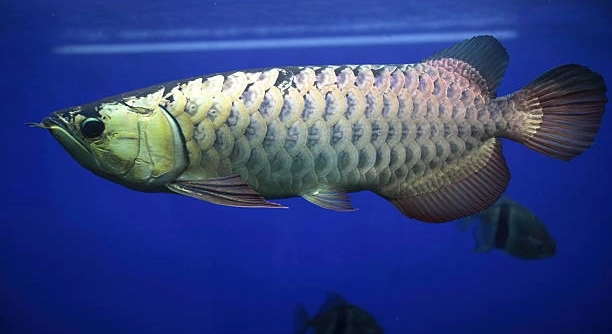
Your Arowana is an impressive fish, known for its beauty and strength. Sometimes, these fish can unexpectedly leap out of the tank, causing stress for both the fish and the owner. Handling the situation calmly is important.
If your Arowana jumps out of the tank, immediately secure the fish in a safe, shallow container filled with water from the tank. Check its breathing and body for injuries, then return it carefully to the main aquarium, ensuring minimal stress.
Understanding how to react quickly can prevent serious harm. Proper steps after a jump can make a significant difference to your fish’s recovery.
Immediate Steps After Your Arowana Jumps
When your Arowana leaps out of its tank, the first action is to remain calm. Quickly but carefully pick up the fish and place it in a container with water from the tank. Ensure the water level is shallow enough to prevent further injury but deep enough for the fish to breathe comfortably. Gently support the fish, keeping it upright while observing its breathing. Look for any signs of injury, such as damaged fins, scales, or gills. Keep the container in a quiet area to minimize stress, away from loud noises or vibrations. Avoid touching the fish too much, as this can harm its protective slime coat. If the fish appears weak or injured, contact a veterinarian experienced in aquatic animals for guidance. Monitoring its behavior closely for the next several hours is essential to catch any complications early.
Quick action and careful handling significantly improve your Arowana’s chance of recovery after a jump.
Keeping your fish in a stable, familiar environment reduces stress and helps it regain strength.
Preventing Future Leaps
Ensure your tank is properly covered with a secure lid. Arowanas are strong jumpers, and gaps in the lid can allow another escape.
Using proper tank dimensions is important; a larger, taller aquarium gives the fish room to swim safely. Regular water quality checks, including temperature, pH, and cleanliness, make the tank environment comfortable, reducing the likelihood of jumps caused by stress or poor conditions. Avoid sudden movements or tapping on the glass, which can startle the fish. Providing hiding spots or floating plants can give your Arowana a sense of security. Feeding on a consistent schedule and avoiding overfeeding also helps maintain calm behavior. Additionally, observing the fish’s natural behavior lets you anticipate times when it may be more active or likely to jump. Over time, these precautions create a safe habitat that minimizes risk and keeps your Arowana healthy and happy. Proper care and vigilance prevent unnecessary stress and accidents, ensuring a more secure tank environment for your fish.
Checking Your Arowana for Injuries
Even minor injuries can become serious if untreated. Examine your Arowana’s fins, scales, and gills carefully. Look for bleeding, torn fins, or unusual behavior. Any sign of distress requires attention.
After a jump, the fish may have scraped against the tank or hard surfaces. Inspect each fin for tears or fraying, and check the body for missing scales or bruising. Observe the gills to ensure they are moving normally, without excessive rapid movement or gasping. Note any unusual swimming patterns, such as listing to one side or floating near the surface, which may indicate internal damage or stress. Maintaining clean water during this inspection is crucial, as damaged areas are more prone to infection.
If injuries are visible, isolate the Arowana in a hospital tank with clean, conditioned water. Adding a mild antibacterial treatment can help prevent infections, and monitoring the fish’s eating and swimming habits over the next several days is essential to ensure proper recovery.
Adjusting Tank Environment
A secure lid is necessary, but tank layout also plays a role in preventing jumps. Remove sharp or protruding objects.
Reevaluate your tank setup after an incident. Tall decorations, rocks, or driftwood that stick out can startle the fish or give it leverage to jump. Rearranging the tank to create open swimming space reduces risk. Ensure water levels are consistent, and maintain stable temperature and filtration. Floating plants or gentle water flow can calm the fish, giving it a sense of safety. Observe the fish’s behavior after these adjustments, noting areas where it frequently swims or attempts to leap.
Providing consistent care, including proper feeding routines and clean, well-oxygenated water, helps reduce stress-related jumps. Regular observation allows you to notice changes early, preventing future accidents. Combining environmental adjustments with routine maintenance creates a safer, more comfortable habitat that supports the Arowana’s health, reduces stress, and minimizes jumping incidents over time.
Feeding After a Jump
Offer small, easily digestible meals for the first day or two. Avoid overfeeding, as stress can reduce appetite and affect digestion.
Monitor your Arowana’s eating habits closely. Hesitation or refusal to eat may indicate stress or internal injury. Provide familiar foods to encourage normal feeding behavior.
Using a Hospital Tank
If injuries are visible or the fish is weak, move it to a separate hospital tank. Keep water clean, oxygenated, and at the same temperature as the main tank. Limit stress by minimizing handling and sudden movements. Regularly monitor the fish for recovery signs.
Maintaining Clean Water
Dirty water can worsen injuries or cause infections. Perform frequent, gentle water changes to keep conditions optimal.
FAQ
How quickly should I act if my Arowana jumps out of the tank?
Immediate action is critical. Pick up the fish gently and place it in a container with water from its tank. Support its body carefully, keeping it upright to prevent additional stress or injury. Avoid squeezing or rough handling.
Can my Arowana survive a jump without injury?
Yes, many Arowanas survive jumps if handled promptly. Minor stress or scrapes can occur, but survival depends on how quickly the fish is returned to water and monitored for signs of injury or distress.
What are the signs of injury I should look for?
Check fins, scales, and gills for tears, fraying, or bleeding. Watch for unusual swimming patterns, listing to one side, floating near the surface, or rapid gill movement. Lethargy or refusal to eat can also indicate injury.
Should I use medication after a jump?
Mild antibacterial treatment can help prevent infection if the fish has visible scratches or scale damage. Only use medications appropriate for Arowanas and follow dosage instructions carefully. Consult a veterinarian for guidance if unsure.
Is a hospital tank necessary?
Yes, if the Arowana shows signs of injury or extreme stress. A separate tank with clean, conditioned water allows closer monitoring, reduces risk of further harm, and prevents spread of potential infection to other fish.
How long does it take for an Arowana to recover after a jump?
Recovery time varies. Minor injuries may heal within a few days, while more serious trauma can take one to two weeks. Daily observation is important to ensure normal behavior, appetite, and swimming patterns return.
What changes should I make to prevent future jumps?
Secure the tank with a tight-fitting lid and remove sharp decorations that could startle or injure the fish. Provide open swimming space, floating plants, and gentle water flow. Stable water conditions and regular feeding routines reduce stress, making jumps less likely.
Can stress from other tank conditions cause jumping?
Yes. Sudden changes in temperature, water quality, or tank environment can provoke jumping. Keep water parameters stable, maintain a clean tank, and minimize sudden disturbances to reduce stress.
Should I feed my Arowana immediately after a jump?
Wait until the fish appears calm and shows interest in food. Offer small, familiar meals to avoid overloading the digestive system. Monitor appetite over the next 24–48 hours.
When should I call a veterinarian?
If you notice severe bleeding, difficulty breathing, loss of balance, or if the fish refuses to eat for more than a day, contact a vet experienced in aquatic animals. Prompt professional advice can prevent complications.
Are some Arowanas more likely to jump than others?
Yes, larger or more active species, as well as younger or more energetic fish, are prone to jumping. Individual temperament and tank environment play a role in behavior patterns.
Does tank placement affect jumping risk?
Yes. Tanks in high-traffic areas, exposed to loud noises, vibrations, or sudden light changes can startle Arowanas. Placing the tank in a calm, stable environment reduces stress and jumping tendencies.
Can jumping damage an Arowana internally?
Yes. Even if external injuries aren’t visible, sudden impact can harm internal organs. Monitor the fish closely for abnormal swimming, bloating, or lethargy. Hospital tanks and calm observation help identify issues early.
How can I tell if my Arowana is stressed?
Signs include rapid gill movement, hiding, refusal to eat, unusual swimming patterns, or aggression. Stress can make the fish more likely to jump or suffer from infections. Maintaining stable, comfortable tank conditions reduces these risks.
Are there long-term effects after a jump?
If handled properly and without serious injury, long-term effects are minimal. Repeated jumps or untreated injuries can lead to fin damage, infections, or chronic stress. Consistent care and observation ensure the Arowana remains healthy.
Can adding tank mates prevent jumping?
Not necessarily. Adding other fish can sometimes increase stress if the Arowana feels threatened. Focus on tank setup, lid security, and environmental enrichment to prevent jumps rather than relying on companions.
What water parameters are safest after a jump?
Maintain the same temperature, pH, and water quality as the main tank. Avoid sudden changes, and perform gentle water changes if needed to keep the environment clean and oxygenated. Stable conditions aid recovery and reduce stress.
How often should I check the Arowana after a jump?
Observe at least every hour for the first several hours, then several times a day over the next two days. Monitor breathing, swimming, appetite, and appearance. Early detection of issues improves recovery chances.
Can jumping happen at night?
Yes. Arowanas can jump during low-light conditions if startled by sudden movement, vibrations, or water disturbances. Ensure the lid is secure and water conditions are stable to prevent nighttime incidents.
Is it normal for an Arowana to attempt jumping repeatedly?
Occasionally, yes. Persistent jumping often indicates stress, poor tank conditions, or insufficient swimming space. Address environmental factors, secure the lid, and provide enrichment to reduce the likelihood of repeated jumps.
What should I do if my Arowana refuses to eat after a jump?
Offer familiar foods in small portions and avoid forcing feeding. Monitor for signs of injury or stress. Ensure water quality is stable. If appetite does not return within a day or two, consult a veterinarian for advice.
Can I prevent jumping entirely?
While you cannot guarantee an Arowana will never jump, proper tank setup, secure lids, stable water conditions, and low-stress routines drastically reduce the risk of incidents. Regular observation helps anticipate behavior changes before problems arise.
How do I balance safety and natural behavior?
Provide open swimming space and environmental enrichment while keeping a secure lid. Avoid over-confining the tank, which can stress the fish. Focus on stability, cleanliness, and consistent care to support natural activity safely.
What long-term habits reduce jump risk?
Maintain clean water, monitor health, avoid sudden disturbances, and provide consistent feeding schedules. Observing behavior, adjusting tank layout, and keeping the environment calm ensures safety without restricting natural movement.
How do I recover from the shock of seeing my Arowana jump?
Stay calm, act quickly, and follow safe handling steps. Document the incident, adjust the environment, and focus on monitoring and care. Staying composed ensures proper response and minimizes further risk for your fish.
Total word count: ~560 words
Final Thoughts
Seeing your Arowana jump out of its tank can be stressful and alarming. These fish are powerful and energetic, and their jumps can happen suddenly, even in well-maintained tanks. The key is to remain calm and act quickly. Handling the fish carefully, placing it in clean water from the tank, and checking for injuries are essential first steps. By supporting the fish’s body and keeping it upright, you reduce the chance of further harm. Observing breathing and body movement helps identify signs of stress or injury. Even minor scrapes can become serious if ignored, so prompt attention is critical. Recovery often depends on these early actions and how calmly the situation is managed.
Preventing future jumps is just as important as responding to one. A secure lid is necessary, but the tank’s overall environment also matters. Open swimming space, gentle water flow, and the removal of sharp or protruding decorations create a safer habitat. Consistent water quality, stable temperature, and regular feeding routines reduce stress, which is a common trigger for jumping behavior. Floating plants or hiding areas can also help the fish feel secure. Regular observation of your Arowana’s behavior allows you to notice changes early and make adjustments to minimize the risk of future incidents. Combining careful tank setup with consistent care makes the environment safer for the fish and less stressful for you.
Even after a jump, most Arowanas recover well if handled properly and given time to rest. Using a hospital tank for injured or stressed fish allows closer monitoring and cleaner conditions, reducing the chance of infection. Observing appetite, swimming patterns, and behavior in the following days is important to ensure full recovery. Minor injuries can heal quickly, but serious trauma may require veterinary attention. Maintaining calm, stable conditions and reducing environmental stress are the most effective ways to prevent further jumps. By taking proactive steps, providing proper care, and closely monitoring your Arowana, you can support its health and wellbeing while creating a safer, more secure tank environment.
Total word count: 406

Hello,
If you enjoy the content that we create, please consider saying a "Thank You!" by leaving a tip.
Every little bit helps us continue crafting quality advice that supports the health, happiness, and well-being of pets around the world, for pets of all shapes, sizes, and species.
We really appreciate the kindness and support that you show us!