
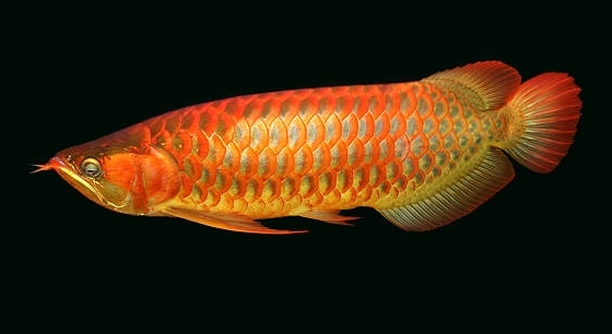
Keeping an arowana can be a rewarding experience, but it requires proper space for the fish to thrive. Many hobbyists overlook tank size, which can affect the fish’s health and behavior over time.
Arowanas require large tanks due to their size and active swimming habits. Small tanks limit movement, increase stress, and negatively impact growth, immunity, and overall well-being. Ensuring sufficient space is critical for maintaining a healthy and balanced aquatic environment.
Recognizing the signs of a cramped tank can help prevent long-term harm and improve your arowana’s quality of life.
Reduced Swimming Space
Arowanas are naturally active swimmers and need plenty of room to move freely. When the tank is too small, they may start to bump into decorations or the glass walls. Restricted movement can lead to muscle weakness and slower growth. Over time, these limitations increase stress, which can make your fish more susceptible to disease. Behavior changes are also common; the fish may become more aggressive or withdrawn. Even subtle signs, like lingering in corners or avoiding certain areas, indicate discomfort. Maintaining a longer and wider tank is essential for proper development. Choosing a tank that allows arowanas to turn and swim without obstruction is critical. Regularly observing your fish can help you notice early signs of limited space, allowing you to make timely adjustments. A well-sized tank supports better feeding habits, more natural behavior, and a healthier life overall, reducing the risks associated with cramped conditions.
Small tanks restrict swimming, leading to stress, slower growth, and behavioral changes that can harm your arowana.
Providing ample swimming space ensures your arowana remains healthy and energetic. A roomy tank encourages natural behavior, improves muscle development, and reduces stress-related illnesses. Observing your fish regularly can help you notice early signs of discomfort. By investing in a properly sized tank, you give your arowana a better chance to thrive. Additionally, a spacious environment allows for easier maintenance, better water circulation, and improved filtration efficiency. Decorations and hiding spots can be added without overcrowding, creating a more natural and enriching habitat. Fish in larger tanks often show more vibrant colors and active feeding behavior. Overall, adequate swimming space is essential for both physical and psychological well-being, making your investment in a bigger tank worthwhile. Monitoring your fish’s movement and adapting the environment when needed ensures a long, healthy life. These steps also minimize stress-related illnesses and create a more balanced aquatic ecosystem.
Water Quality Issues
A small tank struggles to maintain stable water conditions, which can affect your arowana’s health.
Limited water volume can cause rapid fluctuations in ammonia, nitrite, and nitrate levels. These shifts stress the fish and make them vulnerable to infections. Frequent water changes help but do not fully compensate for a cramped environment. Filtration efficiency decreases in smaller tanks, leaving debris and toxins more concentrated. Temperature control can also be inconsistent, further stressing the fish. Monitoring water parameters is crucial to detect problems early. Overfeeding in a small tank worsens the issue by increasing waste buildup. Even with careful maintenance, a small tank cannot provide the same level of stability as a larger one. Investing in a bigger tank creates a safer environment, reducing water-related stress and supporting your arowana’s immune system. A well-sized tank allows for better circulation, consistent temperatures, and more reliable filtration, all of which contribute to healthier, happier fish. Planning for growth and future needs is an important part of responsible care.
Stunted Growth
Arowanas in small tanks often grow slower than those in properly sized tanks. Limited space restricts movement and can affect their overall development, leaving them smaller and less healthy than they should be.
Restricted space affects an arowana’s growth by limiting exercise and reducing natural behaviors. When a fish cannot swim freely, muscle development slows, and nutrient absorption may be impacted. Over time, stunted growth becomes more noticeable, and your arowana may appear thinner or less robust. Tankmates and decorations can further restrict movement, worsening the problem. Regular observation of size and behavior helps detect stunted growth early, allowing adjustments to the tank size or setup before permanent effects occur. Ensuring a tank provides both length and width is essential to support healthy, natural growth.
Stunted growth can also be influenced by water quality and stress in smaller tanks. High stress levels slow metabolism, making it harder for your arowana to gain proper weight and develop fully. Even with optimal feeding, cramped conditions reduce overall growth potential. A larger tank not only allows swimming but also creates a more stable environment. Reduced stress and better water circulation contribute to improved digestion and nutrient use, promoting healthier growth. Over time, fish in appropriately sized tanks develop stronger muscles, vibrant colors, and more natural behaviors compared to those confined in small spaces. Proper tank planning is key to avoiding lifelong stunted growth.
Aggressive Behavior
Limited space can make arowanas more aggressive toward tankmates and even their own reflection.
A cramped environment increases territorial instincts and stress levels. When a fish cannot escape or establish a proper territory, aggression rises. Constant encounters with other fish or reflections can lead to chasing, biting, and injuries. Overcrowding amplifies these behaviors, while a larger tank provides room to establish boundaries. Aggression may also affect feeding, as dominant fish can prevent others from eating properly. Monitoring interactions and adjusting tank size or setup can reduce tension. Separating fish temporarily may be necessary, but a more spacious environment is the most effective long-term solution.
Aggression in small tanks can worsen with age and size. As arowanas grow, their need for space increases, and limited swimming areas intensify stress-induced aggression. Even calm fish can become hostile when confined, and injuries from repeated attacks can lead to infection or slower growth. Providing hiding spaces and visual barriers can help, but these are only partial solutions. A larger tank allows fish to retreat, establish territory, and interact more naturally. Observing behavior closely helps identify early warning signs before serious harm occurs. A well-planned tank setup reduces aggression and promotes a more peaceful environment, keeping all fish healthier and less stressed.
Fin Damage
Crowded tanks increase the risk of fin damage as arowanas brush against glass or decorations. This can cause tears and slow healing, especially in active fish confined to limited space.
Sharp or rough decorations in small tanks make fin injuries more likely. Continuous rubbing or collisions worsen the damage, leaving the fish vulnerable to infections and fungal growth. Proper spacing and smoother surfaces reduce the risk.
Stress Signals
Stress is common in small tanks, causing lethargy, loss of appetite, and unusual swimming patterns. It weakens the immune system and can trigger disease if not addressed. Maintaining enough space and stable water conditions helps reduce stress.
Poor Water Circulation
In smaller tanks, water circulation is often insufficient, leading to uneven temperature and oxygen levels. Poor flow prevents effective filtration, leaving waste concentrated in certain areas and affecting your arowana’s overall health. Proper circulation is essential for maintaining a clean, balanced environment.
Reflections and Aggitation
Arowanas in narrow tanks often see their own reflection repeatedly, triggering aggression. Constant interaction with reflections can increase stress and territorial behavior, especially if the tank walls are close and limits escape options.
FAQ
How do I know if my arowana tank is too small?
Signs of a small tank include limited swimming space, frequent collisions with decorations or glass, stunted growth, aggressive behavior, fin damage, and signs of stress such as lethargy or loss of appetite. Observing your fish’s behavior regularly can help identify these issues early.
What tank size is recommended for an adult arowana?
Adult arowanas typically require a tank of at least 250 to 300 gallons. The tank should provide enough length and width for swimming and turning comfortably. Depth is also important, though horizontal space is more critical for movement and territorial comfort.
Can a small tank cause health problems?
Yes, small tanks can lead to poor water quality, stress, and increased susceptibility to disease. Limited space also affects growth, muscle development, and immune function. Over time, these issues may result in shorter lifespan and chronic health problems if not addressed.
How does tank size affect behavior?
A cramped tank increases aggression, territorial disputes, and stress. Fish may chase tankmates, bite fins, or become withdrawn. A larger tank allows for natural behaviors like patrolling territory, exploring, and swimming freely, which reduces conflict and promotes a calmer environment.
Is water quality harder to maintain in a small tank?
Yes, small tanks have less water volume, so ammonia, nitrite, and nitrate levels can rise quickly. Filtration and temperature control are also less stable, making it harder to maintain a healthy environment. Frequent water changes are necessary but do not fully compensate for limited space.
Will arowanas grow properly in small tanks?
Growth is often stunted in confined tanks due to limited movement and stress. Even with proper feeding, fish may remain smaller and weaker. Adequate space promotes better muscle development, natural swimming behavior, and overall growth potential.
Can decorations make a small tank worse?
Yes, too many decorations reduce swimming space and can cause injuries from collisions. Sharp or rough items may damage fins, and overcrowding can increase stress. Minimal decorations and smooth surfaces help reduce risks while providing hiding spots and enrichment.
How can I reduce stress in a small tank?
Stress can be lowered by improving water quality, adding visual barriers, and minimizing overcrowding. However, the most effective solution is increasing tank size to provide space for swimming and retreating from perceived threats, allowing your arowana to feel secure.
Is a reflection harmful to arowanas in small tanks?
Yes, seeing their own reflection repeatedly can trigger aggression and territorial behavior. Fish may attack the glass, injuring themselves or stressing out. Larger tanks reduce repeated exposure and allow for natural movement away from reflective surfaces.
What is the long-term impact of a small tank?
Chronic stress, stunted growth, fin damage, frequent illness, and shortened lifespan are common in small tanks. Behavioral issues like aggression can persist, and even optimal care may not fully compensate for inadequate space. Investing in a properly sized tank is critical for long-term health and well-being.
Can arowanas adapt to small tanks if water is well-maintained?
While proper water quality helps, it cannot replace sufficient space. Behavioral stress, limited exercise, and growth restrictions persist regardless of water conditions. Arowanas need room to swim and establish territory, which is essential for physical and mental health.
How often should I upgrade my tank as my arowana grows?
Tank upgrades should be planned proactively. As your arowana grows, increase both length and width to accommodate natural movement. Regularly monitor behavior and growth to determine when the current tank is no longer sufficient, ensuring a smooth transition to a larger habitat.
Are certain arowana species more sensitive to tank size?
Yes, larger species or highly active varieties are more affected by small tanks. They require more space for swimming and territory. Less active or smaller species may tolerate smaller tanks temporarily, but adequate space is still necessary for healthy growth and reduced stress.
Can tankmates make space issues worse?
Adding tankmates in a small tank increases competition, stress, and aggression. Overcrowding intensifies the negative effects of limited space. If keeping multiple fish, ensure the tank is significantly larger to provide room for each fish to swim and establish territory without constant conflict.
Is it possible to correct problems caused by a small tank?
Many issues can improve after moving to a larger tank. Behavior often stabilizes, growth resumes, and stress-related illnesses decrease. However, some damage, like stunted growth or chronic fin injuries, may not fully reverse, highlighting the importance of providing sufficient space early.
How can I make the transition to a larger tank easier?
Introduce the arowana gradually, ensuring water parameters match between the old and new tank. Rearrange decorations to reduce territorial stress and provide familiar areas. Monitor the fish closely for signs of stress or illness during the first few days, adjusting as needed to support adaptation.
Are there signs my arowana is finally comfortable in a new, larger tank?
Yes, your arowana will swim more freely, show regular feeding behavior, explore the environment, and display brighter colors. Reduced aggression and calmer interactions with tankmates or reflections indicate improved comfort and lower stress levels, confirming the benefits of sufficient space.
What should I prioritize when planning a new tank?
Focus on horizontal swimming space, proper filtration, and stable water conditions. Include minimal decorations to allow free movement, provide hiding spots, and prevent injury. Planning for future growth ensures your arowana will remain healthy, active, and stress-free as it matures.
Can I keep arowanas in a small tank temporarily?
Short-term confinement is possible with careful monitoring, but stress and growth limitations can occur quickly. Frequent water changes and minimal decorations help, but a larger tank should be arranged as soon as the fish reaches a size where space becomes restrictive.
Does diet help offset small tank problems?
Good nutrition supports growth and immunity but cannot replace proper space. Even with an excellent diet, limited swimming room and stress will impact physical development and behavior. Proper tank size is essential for fully realizing the benefits of a balanced diet.
How do I monitor my arowana for tank size problems?
Observe behavior, swimming patterns, appetite, growth, and fin condition. Look for aggression, lethargy, or frequent collisions with decorations or glass. Regular water testing also helps detect stress-related environmental issues. Early intervention can prevent long-term harm and improve quality of life.
What is the main takeaway about tank size for arowanas?
Tank size directly affects health, behavior, and longevity. Providing enough room for swimming, stable water conditions, and proper territory reduces stress, supports growth, and minimizes disease risks. A well-sized tank is the foundation of responsible, effective arowana care.
How do I choose the right filtration for a larger tank?
Select a filter rated for the tank volume, ensuring it can handle waste load from an active, large fish. Multiple filtration stages—mechanical, chemical, and biological—help maintain stable water quality, reduce toxins, and support a healthy environment for your arowana.
Are there signs of improvement after fixing a small tank?
Yes, the fish will swim more actively, eat consistently, show healthier coloration, and interact calmly with tankmates. Stress behaviors such as hiding, aggression, or lethargy diminish, and overall health indicators, including fin condition and growth rate, begin to normalize.
How long does it take for an arowana to adjust to a new tank?
Adjustment varies but usually takes a few days to a couple of weeks. During this period, observe swimming, feeding, and behavior closely. Gradual acclimation reduces stress and helps your arowana establish territory and feel comfortable in the new space.
Final Thoughts
Caring for an arowana requires careful attention to its environment, and tank size is one of the most important factors. Arowanas are large, active fish that need plenty of space to swim, turn, and explore their surroundings. Small tanks limit movement, which can cause stress, behavioral changes, and slower growth. Even with excellent water quality and proper nutrition, insufficient space affects both physical health and mental well-being. Many hobbyists underestimate how quickly an arowana can outgrow a tank, and this oversight can lead to long-term problems. Observing your fish’s behavior and physical condition can help you identify when the tank is no longer adequate. Signs like aggression, fin damage, stunted growth, and repeated stress behaviors indicate that it is time to consider a larger habitat. Investing in a properly sized tank early on can prevent these issues and provide a healthier environment for your fish.
A larger tank offers multiple benefits beyond space. It allows for better water circulation and filtration, which keeps the environment more stable and reduces harmful fluctuations in temperature, ammonia, and nitrate levels. Proper water quality helps prevent disease, supports immune function, and encourages natural feeding behavior. In addition, a roomy tank provides the fish with areas to establish territory and interact with tankmates in a less stressful way. Decorations can be added without overcrowding, giving the fish places to explore while reducing the risk of injury from collisions. Over time, an arowana in a spacious tank develops stronger muscles, healthier fins, and brighter colors. The fish also tends to behave more naturally, showing active swimming, hunting instincts, and calmer interactions. Overall, a larger tank creates a balanced ecosystem where both the fish and the environment can thrive together.
Planning ahead is crucial for long-term care. Arowanas grow quickly, and what seems like an adequate tank at first may become restrictive within a year or two. Considering the adult size of your fish and leaving room for growth ensures that the tank remains suitable for many years. Regular monitoring of behavior, health, and water conditions allows you to make adjustments before problems become severe. By prioritizing space, stable water, and proper tank design, you can reduce stress, improve growth, and prevent common health issues. Taking these steps shows a commitment to the well-being of your arowana and ensures it has a comfortable, safe, and engaging environment. In the end, thoughtful planning and proper tank size are fundamental to giving your arowana the best chance at a long, healthy life.

Hello,
If you enjoy the content that we create, please consider saying a "Thank You!" by leaving a tip.
Every little bit helps us continue crafting quality advice that supports the health, happiness, and well-being of pets around the world, for pets of all shapes, sizes, and species.
We really appreciate the kindness and support that you show us!