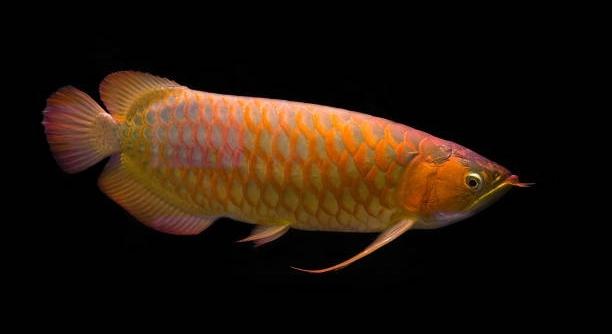
How to Detect Stress Early in Arowana

Do you enjoy keeping Arowanas but sometimes notice subtle changes in their behavior or appearance that worry you? Stress in these fish can appear gradually, making it important to recognize early signs before serious health issues develop. Detecting stress in Arowanas involves observing changes in color, appetite, swimming patterns, and overall behavior. Maintaining stable water … Read more
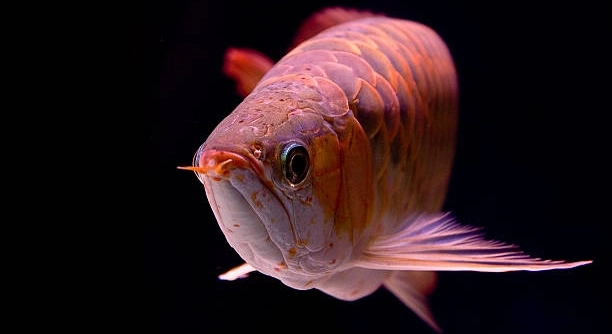
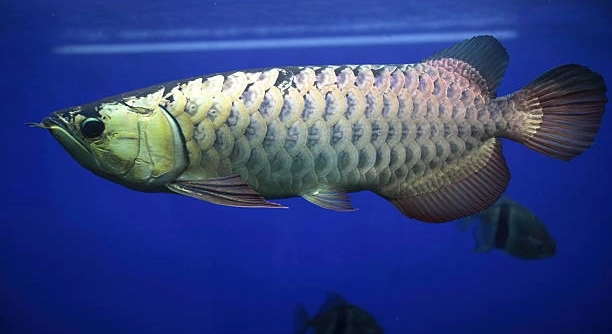
7 Situations Where Arowana May Refuse Food

Do you ever notice your arowana swimming past its food without taking a bite? Even healthy fish can refuse meals sometimes, leaving owners puzzled. Understanding why this happens can help maintain their well-being and feeding routine. Arowanas may refuse food due to stress, water quality issues, illness, improper diet, sudden environmental changes, or natural fasting … Read more

Why Is My Arowana Only Eating Certain Days?

Is your arowana only eating on certain days, leaving you unsure about its health and habits? Many fish owners notice irregular feeding patterns and wonder if something is wrong with their aquatic companion’s appetite. Arowanas may eat sporadically due to stress, water quality, temperature fluctuations, or natural feeding cycles. Consistent care, monitoring water parameters, and … Read more

7 Unexpected Signs of Arowana Wellness

Have you ever noticed your arowana swimming gracefully but wondered if it is truly healthy? Observing your fish closely can reveal subtle signs of wellness that are often overlooked in everyday care routines. Arowana wellness can be identified through consistent eating habits, vibrant coloration, smooth swimming patterns, clear eyes, firm scales, active social behavior, and … Read more

7 Lighting Conditions That Encourage Calmness

Are your living spaces leaving you feeling tense or restless? The lighting around you can play a significant role in shaping your mood and overall sense of calm throughout the day. Subtle changes make noticeable differences. Certain lighting conditions can promote relaxation and mental clarity. Soft, warm hues, indirect natural light, and adjustable brightness levels … Read more

Do Arowana React to Sudden Human Movement?

Have you ever noticed your arowana gliding gracefully through its tank and wondered how it responds to sudden movements nearby? These majestic fish are often sensitive to changes in their environment, including the presence of humans. Arowanas do react to sudden human movement, displaying quick, alert motions or swimming away from perceived threats. This behavior … Read more

7 Easy Fixes for Nervous Arowana

Are your arowanas often darting around nervously, refusing to settle in their tank, or showing signs of stress that worry you as a fish keeper? Many owners notice these behaviors and wonder how to calm their fish effectively. Nervous behavior in arowanas is typically caused by sudden changes in the environment, overcrowding, or insufficient hiding … Read more

7 Ways to Help Arowana Adjust After a Move

Have you ever moved an arowana and noticed how unsettled it can seem in its new environment, making you wonder how to support its transition in a calm and gentle way as it settles in. Helping an arowana adjust after a move requires stable water conditions, minimal disturbances, and a steady feeding routine. These factors … Read more

7 Clues That Your Arowana Is Not Feeling Well

Is your arowana acting a little different lately, perhaps swimming slower or refusing food? Subtle changes like these can sometimes signal that your fish isn’t feeling its best. The primary signs that an arowana is unwell include loss of appetite, clamped fins, faded color, erratic swimming, and lethargy. These symptoms often indicate stress, poor water … Read more

Why Does My Arowana Only Stay on One Side?

Have you ever noticed your arowana spending most of its time on one side of the tank, leaving you wondering if something might be wrong? The main reason your arowana only stays on one side is due to stress or discomfort in its environment. Factors like poor water quality, reflection issues, uneven lighting, or tank … Read more