
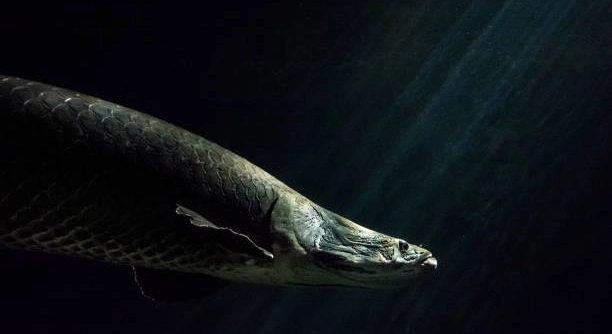
Are your arowanas often darting around nervously, refusing to settle in their tank, or showing signs of stress that worry you as a fish keeper? Many owners notice these behaviors and wonder how to calm their fish effectively.
Nervous behavior in arowanas is typically caused by sudden changes in the environment, overcrowding, or insufficient hiding spaces. Providing stable water conditions, adequate space, gentle handling, and consistent lighting can significantly reduce stress and improve their overall well-being.
Addressing these basic environmental and care factors can help your arowana feel safer and more comfortable in its tank. Understanding simple adjustments makes a significant difference in their behavior.
Maintain Stable Water Conditions
Keeping your arowana’s tank water stable is one of the most important steps to reduce nervous behavior. Sudden changes in temperature, pH, or ammonia levels can stress your fish and make it skittish. Regular water testing helps you monitor these factors and adjust them gradually. A reliable filter ensures that waste is removed efficiently, keeping water clear and safe. Performing partial water changes weekly maintains cleanliness without shocking the fish with a completely new environment. Avoid adding chemicals or treatments all at once, as abrupt changes can increase stress. Also, make sure the tank is properly cycled before introducing your arowana. Using a heater with a consistent setting prevents sudden temperature drops that may trigger frantic swimming. Remember, stability in water quality mimics natural conditions, which helps your arowana feel secure. Small, consistent steps in maintenance are more effective than occasional large adjustments.
Regular water monitoring keeps stress low and ensures your arowana behaves calmly.
Maintaining stable water conditions is essential for long-term health. Stress from fluctuating conditions can weaken immune responses, reduce appetite, and increase disease risk. Gradually adjusting water parameters while observing the fish helps identify preferences and avoid panic. A stable environment encourages natural swimming patterns, feeding habits, and proper growth.
Provide Adequate Space
Arowanas need enough room to swim freely and explore their environment without feeling confined.
Larger tanks reduce stress by allowing natural movement and minimizing aggressive encounters.
Overcrowding can trigger nervous behaviors such as darting or hiding constantly. Aim for a tank size of at least 250 gallons for adult arowanas. Include open swimming areas and places to retreat, like driftwood or large decorations. Avoid placing the tank in high-traffic areas where vibrations and sudden movements disturb the fish. Using a soft substrate reduces noise and contributes to a calm environment. Proper spacing between tank mates prevents dominance struggles and unnecessary chasing. Even minor adjustments, like removing sharp or restrictive decorations, can make a big difference. Observing your arowana’s swimming patterns will tell you whether the space meets its needs. Consistent attention to tank layout and space encourages natural, confident behavior and helps reduce overall stress in your fish.
Reduce Sudden Movements
Sudden movements near the tank can startle arowanas and trigger frantic swimming. Limit rapid gestures and loud noises around their environment.
Minimizing disturbances helps the fish feel more secure. When feeding or cleaning, move slowly and deliberately. Even shadows or reflections on the tank glass can cause stress, so avoid tapping the glass or leaning over suddenly. Position the tank away from doors or high-traffic areas. Using a tank cover can block overhead movement and reduce anxiety. Observing your arowana’s reactions allows you to adjust interactions and maintain calm conditions consistently.
Gradually introducing new objects or changes in the tank also reduces fear. For example, adding plants, decorations, or new tank mates slowly gives the fish time to adapt. Over time, the arowana learns that the environment is predictable, which encourages regular swimming and feeding patterns. A consistent routine combined with careful handling strengthens trust in its surroundings and promotes a relaxed, confident demeanor.
Proper Lighting
Too bright or inconsistent lighting can make arowanas nervous. Use moderate, even light and maintain a consistent day-night cycle.
Proper lighting supports natural rhythms and reduces stress. Adjusting light gradually prevents sudden changes from causing panic.
Avoid placing the tank in direct sunlight, which can heat water unevenly and create glare. Consider using adjustable LED lights or a timer to maintain predictable light periods. Dim lighting in the evening signals rest time, helping the arowana settle. Shadows from decorations should be natural, not harsh or flickering, to prevent startling the fish. Observing behavior under different lighting conditions helps determine optimal brightness. Consistency in light patterns contributes to overall health, encourages normal activity, and reduces erratic movements caused by stress or confusion.
Limit Tank Reflections
Reflections in the tank glass can confuse arowanas, making them think another fish is present. Covering reflective surfaces or adjusting the tank position helps reduce stress.
Using a background on the tank or repositioning lights minimizes mirrored images. This simple adjustment encourages calm swimming and prevents unnecessary aggression or panic behaviors.
Provide Hiding Spots
Including hiding spots like driftwood, rocks, or large plants allows your arowana to feel secure. These areas serve as retreats during stressful moments. A well-structured environment mimics natural habitats, reducing nervous behavior and supporting natural exploration and feeding patterns.
Avoid Overfeeding
Overfeeding can stress arowanas and affect water quality. Feed moderate portions consistently to maintain both health and tank stability.
FAQ
Why does my arowana dart around the tank constantly?
Constant darting usually indicates stress or fear. Sudden changes in water conditions, bright lighting, or nearby movement can startle the fish. Providing a stable environment, gentle handling, and a tank layout with hiding spots helps your arowana feel safer and swim calmly.
How can I tell if my arowana is stressed?
Signs of stress include rapid swimming, clamped fins, loss of appetite, and frequent hiding. Color changes or erratic behavior can also indicate discomfort. Monitoring these behaviors and adjusting water quality, lighting, and tank companions helps maintain a healthy, relaxed fish.
Is tank size important for nervous arowanas?
Yes, tank size is crucial. Arowanas require spacious tanks to swim freely. Overcrowding can increase nervousness and aggression. For adult arowanas, a minimum of 250 gallons is recommended, with plenty of open swimming areas and proper spacing between decorations and tank mates.
Can sudden noises affect my arowana?
Yes, loud or sudden noises can startle arowanas. Keeping the tank in a low-traffic area and avoiding abrupt movements nearby reduces stress. Soft handling and minimizing vibrations from cleaning or moving around the tank help the fish feel secure.
Do hiding spots really make a difference?
Absolutely. Hiding spots like driftwood, plants, or caves provide a sense of security. These areas mimic natural habitats and allow the arowana to retreat when stressed. Properly placed retreats encourage calm behavior, reduce panic swimming, and help the fish feel comfortable exploring the tank.
How does water stability affect my arowana?
Stable water conditions are essential for reducing nervousness. Fluctuations in temperature, pH, or ammonia levels can cause stress. Regular water testing, gradual adjustments, and partial water changes ensure the environment remains predictable, supporting natural swimming patterns and overall health.
What role does feeding play in stress levels?
Overfeeding or inconsistent feeding schedules can increase anxiety. Feed moderate portions at regular times to prevent water quality issues and encourage normal behavior. Arowanas feel more secure when they can rely on a consistent routine.
Can reflections in the tank cause nervousness?
Yes, reflections can confuse arowana, making it react as if another fish is present. Using a background or repositioning lighting reduces mirrored images, which lowers stress and discourages aggressive or frantic movements.
Is lighting really that important for calm behavior?
Lighting consistency is very important. Sudden bright lights or flickering can startle your fish. Use moderate lighting with a day-night cycle, and dim lights gradually in the evening. Observing your arowana’s reactions helps determine the ideal brightness for calm swimming.
How do I gradually introduce new decorations or tank mates?
Introduce new items slowly to prevent fear. Place decorations carefully and monitor the fish’s response. When adding tank mates, quarantine them first and introduce them in a controlled manner. Gradual changes allow the arowana to adapt, reducing nervous behavior and promoting a stable environment.
Can handling my arowana reduce stress?
Handling should be minimal. Frequent or rough handling can increase fear. When necessary, move the fish gently and slowly, supporting its body. Over time, careful handling builds trust and reduces panic during cleaning or transfers.
Why does my arowana hide constantly?
Frequent hiding is usually a stress response. Insufficient space, poor water quality, or intimidating tank mates can contribute. Increasing hiding spots, adjusting tank layout, and monitoring water conditions encourage the fish to emerge confidently and explore more.
How long does it take for a nervous arowana to settle?
The time varies based on environment and care. With stable water, proper lighting, adequate space, and hiding spots, most arowanas start showing calmer behavior within a few weeks. Consistency and patience are key to helping them feel secure.
Are there signs that stress is harming my arowana’s health?
Yes, prolonged stress can weaken the immune system, reduce appetite, and make the fish prone to disease. Watching for lethargy, faded colors, or irregular swimming patterns helps you take action early, preventing long-term health issues.
Can water temperature fluctuations cause nervous behavior?
Even small temperature changes can unsettle arowanas. Using a heater with a stable setting and avoiding sudden drops or spikes keeps the fish comfortable. Consistent temperature mimics natural conditions and supports calm behavior.
Does overstocking the tank increase nervousness?
Yes, too many fish create competition for space and resources. Overcrowding can lead to aggressive encounters, panic swimming, and stress. Maintaining proper tank size and spacing between tank mates reduces tension and promotes a peaceful environment.
How often should I check water parameters?
Regular testing is essential. Weekly checks of pH, ammonia, nitrites, and nitrates help maintain stability. Immediate adjustments after detecting changes prevent stress and maintain the fish’s comfort and health.
Can sudden changes in tank decorations stress my arowana?
Yes, abrupt rearrangements can startle the fish. Introduce new decorations gradually, allowing time for observation. Slowly adjusting the tank layout helps the arowana adapt, reducing nervous behavior and encouraging exploration without fear.
What is the easiest way to calm a nervous arowana?
The simplest approach is combining stable water, adequate space, gentle handling, consistent lighting, hiding spots, and minimal disturbances. Observing your fish and making small, gradual adjustments ensures a relaxed environment and reduces nervous behavior effectively.
How do I know if my arowana feels secure?
Signs of a relaxed arowana include slow, smooth swimming, regular feeding, bright colors, and minimal hiding. Consistent behavior over time indicates that the environment is suitable and the fish feels comfortable.
What should I avoid to prevent stress?
Avoid sudden changes in water, lighting, tank layout, or feeding. Minimize loud noises, rapid movements, and overcrowding. Proper care, patience, and observation are essential to maintain a calm, healthy arowana.
This FAQ provides practical answers to common concerns, helping you address nervous behavior and improve your arowana’s well-being while maintaining a stable, secure environment.
Word count: 507
Final Thoughts
Caring for a nervous arowana requires patience, observation, and consistency. These fish are highly sensitive to their environment, and even small changes can trigger stress. Ensuring stable water conditions is the foundation of a calm tank. Regularly monitoring temperature, pH, and ammonia levels helps prevent sudden shocks that can cause frantic swimming or hiding. Partial water changes, done carefully and consistently, maintain cleanliness while avoiding abrupt changes. A reliable filter, combined with proper aeration, ensures water quality remains stable. Over time, arowanas learn to recognize a predictable and secure environment, which reduces nervous behavior and supports overall health. Every small adjustment in water care contributes significantly to creating a stress-free habitat that encourages natural behaviors.
Providing adequate space is another essential factor for arowana well-being. These fish are large and active, requiring enough room to swim freely and explore their tank. Overcrowding or placing too many decorations too close together can create tension and cause nervous behavior. Open swimming areas allow the fish to move naturally, while carefully placed hiding spots offer retreats during stressful moments. Driftwood, rocks, and broad-leaf plants mimic aspects of their natural environment, giving the arowana places to feel secure. Consistent observation of their behavior helps identify areas of the tank that may be causing stress. Adjusting the tank layout gradually, without sudden changes, reinforces a sense of security. When arowanas have both room to swim and safe places to retreat, they are more likely to display calm and confident behavior.
Attention to external factors such as lighting, reflections, and disturbances also plays a role in managing stress. Arowanas are sensitive to bright lights, sudden movements, and mirrored images, which can startle them and trigger nervous behavior. Using moderate lighting with a consistent day-night cycle helps establish a routine, while backgrounds or repositioned lights can reduce reflections. Limiting loud noises and sudden gestures near the tank ensures that the fish feel safe and not constantly threatened. Feeding routines should also be consistent and moderate, as overfeeding or irregular schedules can increase stress and affect water quality. Over time, these combined efforts create a predictable and secure environment. Maintaining patience, observing behavior carefully, and making gradual adjustments are the most effective ways to help a nervous arowana thrive, leading to healthier, calmer, and more confident fish.
Word count: 412

Hello,
If you enjoy the content that we create, please consider saying a "Thank You!" by leaving a tip.
Every little bit helps us continue crafting quality advice that supports the health, happiness, and well-being of pets around the world, for pets of all shapes, sizes, and species.
We really appreciate the kindness and support that you show us!