
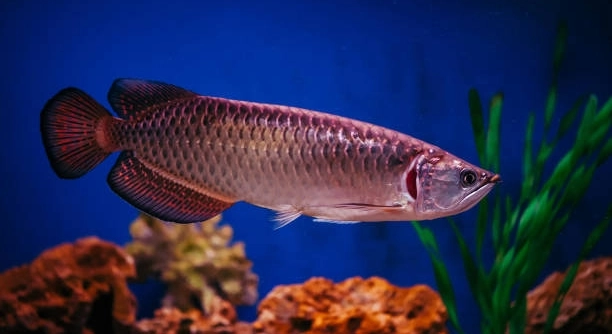
Have you ever noticed your arowana spending most of its time on one side of the tank, leaving you wondering if something might be wrong?
The main reason your arowana only stays on one side is due to stress or discomfort in its environment. Factors like poor water quality, reflection issues, uneven lighting, or tank mates can cause this behavior and affect its overall well-being.
Understanding the root cause of this behavior will help you create a healthier, more comfortable environment for your arowana to thrive in.
Common Reasons Your Arowana Stays on One Side
Arowanas are sensitive fish that react quickly to changes in their environment. When they spend most of their time on one side, it often points to an imbalance in water quality, temperature, or lighting. Poor filtration, high ammonia levels, or sudden shifts in temperature can make them uncomfortable. Reflections on the tank glass may also confuse them, making them think another fish is nearby. Additionally, strong currents from filters or air stones can push them to calmer areas. Tank size also plays a role; arowanas need space to swim freely, and limited room can cause stress. Even tank mates can influence behavior if they’re too aggressive or active. Addressing these issues through regular maintenance, water testing, and observing changes carefully helps your arowana feel safer and more balanced in its surroundings.
Arowanas rely heavily on consistent water conditions and balanced lighting to feel secure and maintain normal swimming behavior.
Monitoring your fish’s behavior, checking equipment regularly, and keeping the environment consistent are simple yet effective steps. Routine care not only prevents health issues but also helps your arowana stay active and engaged. A stable tank encourages natural swimming patterns, which is vital for their physical health and emotional comfort.
How to Help Your Arowana Regain Balance
When your arowana shows signs of staying on one side, the first step is to assess the water parameters.
Arowanas thrive in stable environments with temperatures between 75–82°F and slightly acidic to neutral pH levels. Use a reliable test kit to monitor ammonia, nitrite, and nitrate levels, ensuring they remain within safe ranges. Adjust lighting so that it mimics a natural day-and-night cycle, reducing reflections that might cause confusion. If your tank has a strong current, redirect the flow to provide calm zones. Adding floating plants can help diffuse light and create a sense of security. Observe your arowana’s interactions with other fish—if aggression is present, consider separating them. Regularly cleaning the tank and performing partial water changes will help maintain clarity and stability. Over time, these efforts help your fish feel secure and regain normal swimming behavior. A calm, stable environment supports not only physical health but also reduces stress-related issues that may cause one-sided movement.
Signs Your Arowana Is Stressed
When an arowana is stressed, its behavior and appearance change noticeably. You may see it hiding more often, losing appetite, or swimming awkwardly. Its colors might fade, and it can become more aggressive or unusually still for long periods.
Stress often results from inconsistent care or environmental imbalance. Fluctuating temperatures, poor water quality, or sudden loud noises can make your fish anxious. Watch for labored breathing or frequent rubbing against the glass, which may signal irritation or discomfort. Even small changes, like shifting decor or bright lighting, can unsettle your arowana. Identifying these patterns early helps prevent more serious health problems and allows you to adjust conditions before stress worsens. A calm, predictable environment supports a healthier and more confident fish.
Maintaining proper care routines plays a big role in reducing stress. Regular feeding schedules, clean water, and stable surroundings promote trust and comfort. Observing your fish daily also helps detect minor issues before they grow.
Environmental Adjustments That Make a Difference
Improving your arowana’s environment can restore its balance and natural behavior. Start by ensuring the tank is spacious enough for free swimming and has consistent water flow without strong currents. Adjust lighting to minimize glare, and reduce reflections that can confuse or startle the fish.
Arowanas appreciate a calm and structured setting. Adding background covers or floating plants can reduce light intensity and make them feel more secure. Check the filtration system regularly to maintain clean water, but avoid sudden changes during cleaning. If your fish shares the tank, monitor interactions closely to ensure peace among tank mates. Keeping a steady feeding routine and using high-quality food also supports its energy and coloration. Small adjustments over time make a noticeable difference, helping your arowana regain confidence and swim evenly throughout the tank.
Health Issues to Watch Out For
An arowana staying on one side may also be dealing with swim bladder problems, bacterial infections, or internal parasites. These conditions affect buoyancy and comfort, making it hard for the fish to move normally or maintain its balance in the water.
If you notice bloating, reduced appetite, or difficulty swimming upward, a health issue could be the cause. Quarantining the fish, improving diet variety, and ensuring clean water can help recovery. In some cases, consulting an aquatic veterinarian is necessary to diagnose and treat underlying problems effectively.
The Importance of Observation
Careful observation helps catch unusual behaviors before they worsen. Take note of feeding habits, swimming patterns, and breathing rate. Regularly comparing current behavior with normal activity helps you notice subtle changes. Early attention to these signs prevents stress-related illnesses and improves your arowana’s overall well-being.
Small Changes, Big Results
Simple adjustments like steady lighting, calm surroundings, and consistent maintenance can transform your arowana’s behavior. Even slight improvements in routine and tank setup can restore confidence and comfort, helping your fish swim freely again and maintain a healthy, balanced life in its aquarium.
FAQ
Why does my arowana stay near the surface?
An arowana that remains near the surface might be trying to get more oxygen. Poor aeration or high ammonia levels can reduce oxygen in the water, forcing the fish upward. Check your filters, air stones, and water parameters. If everything is balanced, observe for signs of stress or disease. Sometimes, strong lighting or tank reflections make the fish feel safer closer to the top. Adjusting the lighting and improving water circulation can encourage more natural swimming patterns.
Can poor water quality cause my arowana to stay on one side?
Yes, poor water quality is one of the most common reasons. Arowanas are highly sensitive to changes in ammonia, nitrite, and nitrate levels. When these levels rise, the fish may stay in one area to avoid discomfort. Regular testing, partial water changes, and proper filtration are essential. Avoid overfeeding, as leftover food can quickly degrade water quality. Clean the substrate regularly and replace filter media as needed. Balanced, clean water allows your arowana to move freely and stay active throughout the tank.
Does lighting affect my arowana’s behavior?
Lighting has a strong impact on an arowana’s comfort. Bright or inconsistent lighting can cause stress and disorientation. Reflections from the glass can also make your fish believe another arowana is present, causing it to stay in one spot defensively. Use softer, consistent lighting and cover the sides of the tank if reflections are noticeable. Mimicking a natural day-night cycle helps regulate its behavior and reduce tension. Gradual changes in light when turning it on or off also prevent sudden stress reactions.
What role does tank size play in this behavior?
Arowanas need large tanks with open swimming space. When confined, they may stay on one side because they lack room to turn comfortably. A small tank also causes stress and leads to health problems like fin damage or stunted growth. For juvenile arowanas, a minimum of 150 gallons is recommended, while adults may require 250 gallons or more. A long, wide tank design supports their swimming habits better than a tall one. Providing ample space helps maintain natural movement and prevents one-sided behavior.
Could tank mates be causing the problem?
Yes, aggressive or overly active tank mates can intimidate your arowana. When feeling threatened, it may isolate itself on one side of the tank. Avoid housing them with smaller, fast-moving fish or territorial species. Choose peaceful companions of appropriate size, such as larger catfish or silver dollars. Observe their interactions closely after introducing new tank mates. If aggression occurs, separation might be necessary. Creating a calm environment encourages your arowana to explore the entire tank comfortably without fear.
Is reflection a serious issue for arowanas?
Reflections can significantly affect your fish’s behavior. Arowanas are territorial and may see their reflection as another fish, leading to stress or aggression. This often causes them to stay in one section of the tank to confront or avoid the reflection. To fix this, reduce external light sources, adjust the tank’s position, or place a background behind the aquarium. Soft lighting and covered sides can also minimize reflections. Once the illusion of another fish disappears, your arowana should regain confidence and swim normally.
How often should I test my water?
Testing your water once a week is ideal for maintaining a stable environment. This includes checking ammonia, nitrite, nitrate, and pH levels. Consistent monitoring helps detect imbalances early, allowing you to act before your fish experiences stress. Using high-quality test kits ensures accurate results. During issues like cloudiness or odd behavior, test more frequently until balance is restored. Clean water directly influences your arowana’s mood, appetite, and movement patterns, making regular testing one of the simplest yet most effective care practices.
What feeding habits support balanced behavior?
Feeding your arowana a varied diet helps maintain energy and calmness. Combine pellets with live or frozen foods like shrimp, crickets, and small fish. Overfeeding can cause sluggishness and water pollution, leading to one-sided behavior. Feed small portions twice a day, removing uneaten food afterward. A balanced diet supports digestion, muscle tone, and even swimming. Occasionally including vitamin-enriched foods boosts immune strength, helping the fish adapt to small environmental changes more easily. Proper feeding encourages steady movement and prevents behavioral stagnation.
Can temperature changes affect swimming behavior?
Yes, sudden temperature changes can shock your arowana and cause it to stay in one area. Keep the temperature steady between 75–82°F. Use a reliable heater and thermometer to maintain consistency. If you notice the fish acting sluggish after a water change, ensure the new water matches the tank temperature. Gradual adjustments are safer and reduce stress. A stable temperature supports metabolism and comfort, helping your arowana remain active and balanced in its swimming routine.
When should I seek professional help?
If your arowana continues to stay on one side despite environmental adjustments, it may be time to consult an aquatic veterinarian. Persistent imbalance, loss of appetite, or visible deformities can indicate an internal health problem. A professional can perform diagnostic tests to identify infections, parasites, or swim bladder disorders. Early intervention prevents long-term complications and improves recovery chances. Expert guidance ensures your care routine and tank setup meet the specific needs of your fish, allowing it to regain full mobility and confidence.
Final Thoughts
Caring for an arowana requires patience, observation, and consistency. When your fish stays on one side of the tank, it is usually a sign that something in its environment feels off or uncomfortable. The reasons can range from simple issues, like lighting and reflections, to more serious problems, such as poor water quality or stress. Understanding how these factors affect your arowana’s behavior is an important step toward creating a stable and comfortable home. Every small detail in its habitat matters—temperature, tank size, lighting, water movement, and even the presence of other fish can influence how your arowana feels and moves. By taking time to observe your fish and making thoughtful adjustments, you can often resolve one-sided swimming behavior and help your arowana return to its calm, graceful nature.
Maintaining balance in your tank is not just about keeping the water clean; it’s about creating a space that feels natural and secure. Arowanas are sensitive and intelligent creatures that respond to changes quickly. When the environment becomes unpredictable or stressful, they retreat to what feels like a safer area. Regular testing of water parameters, careful feeding routines, and consistent maintenance go a long way in preventing these problems. Small efforts, like adjusting the lighting or redirecting strong currents, can have a big impact on your fish’s sense of safety. Keeping the tank calm and steady allows your arowana to swim freely without feeling threatened or uneasy. Over time, these habits create a rhythm of care that both you and your fish can rely on.
In the end, a happy and active arowana reflects the quality of attention it receives. When you respond quickly to signs of stress and maintain stable conditions, your fish rewards you with its beautiful movements and vibrant colors. Watching an arowana glide smoothly across the tank is one of the most rewarding sights for any aquarist. It shows that your efforts to provide the right balance are working. The key is to remain consistent and observant, treating each small change in behavior as a clue to your fish’s well-being. With the right care, your arowana will not only stop staying on one side but will thrive in its environment—confident, curious, and full of life.

Hello,
If you enjoy the content that we create, please consider saying a "Thank You!" by leaving a tip.
Every little bit helps us continue crafting quality advice that supports the health, happiness, and well-being of pets around the world, for pets of all shapes, sizes, and species.
We really appreciate the kindness and support that you show us!