
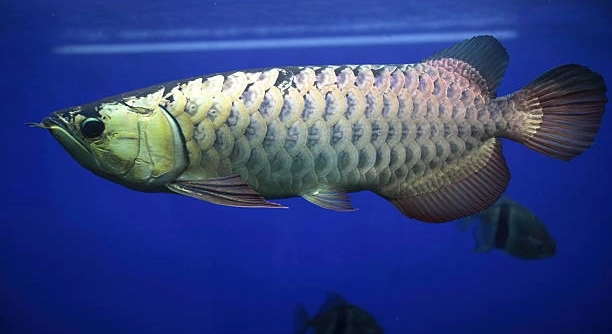
Is your arowana only eating on certain days, leaving you unsure about its health and habits? Many fish owners notice irregular feeding patterns and wonder if something is wrong with their aquatic companion’s appetite.
Arowanas may eat sporadically due to stress, water quality, temperature fluctuations, or natural feeding cycles. Consistent care, monitoring water parameters, and providing a balanced diet help regulate their appetite and support overall health and growth.
Understanding these factors can help you maintain a healthier environment for your arowana and address feeding issues more effectively.
Understanding Your Arowana’s Feeding Pattern
Arowanas can have irregular eating habits, and it is not always a sign of illness. Many times, it is related to their environment or natural behavior. These fish may skip meals if the water temperature is too low or fluctuates suddenly. They are sensitive to changes in pH and ammonia levels, which can affect appetite. Stress from overhandling or the presence of other aggressive fish can also make them eat less frequently. Younger arowanas tend to be more consistent with feeding, while adults may naturally eat every other day. Feeding schedule, type of food, and tank setup all play a role. Understanding your arowana’s preferences and monitoring its tank conditions closely can help stabilize its eating pattern. Adjusting feeding amounts gradually and keeping water parameters stable are key steps in encouraging consistent feeding without overwhelming the fish.
Regular monitoring of water conditions can prevent appetite issues before they become serious.
Observing your arowana’s behavior during feeding times is important. Some fish may only eat when they feel completely safe. Others might need different textures or sizes of food. Using a combination of live, frozen, or pellet food often encourages better feeding habits. Small, frequent feedings can also help train your arowana to eat more consistently. Keep track of which foods it prefers and which it ignores, adjusting your routine accordingly. Overfeeding should be avoided because it can lead to water quality issues that further reduce appetite. Feeding at the same times daily helps create a predictable routine, reducing stress.
Environmental Factors Affecting Appetite
Temperature changes can make arowanas less willing to eat. Even slight shifts can disrupt metabolism and digestion.
Water quality is one of the most important factors affecting your arowana’s appetite. High levels of ammonia or nitrites can stress the fish, making it refuse food. Maintaining the proper pH and keeping nitrate levels low is crucial for their health. Filtration should be adequate for the tank size, and regular water changes prevent toxin buildup. Tank decorations and lighting also influence feeding behavior. If the tank is too brightly lit or overcrowded, the arowana may feel insecure and eat less. Introducing hiding spots or areas where the fish feels secure can improve appetite. Monitoring water temperature, keeping it stable, and ensuring the tank is clean all contribute to a healthier feeding routine. A well-maintained environment reduces stress, which is often the main reason behind irregular eating patterns. Addressing these factors helps your arowana eat consistently and thrive in its habitat.
Common Health Issues
Loss of appetite can signal underlying health problems in arowanas. Parasites, bacterial infections, or digestive issues may cause them to eat sporadically. Prompt attention and observation are key to identifying the problem before it worsens.
Visible signs like bloating, lethargy, or abnormal swimming patterns often indicate illness. Arowanas with internal parasites may show weight loss despite appearing hungry at times. Bacterial infections can affect the digestive system and make the fish avoid food. Maintaining water quality, observing behavior closely, and consulting a veterinarian experienced with exotic fish can prevent minor issues from becoming severe. Early detection and treatment increase the likelihood of recovery and help maintain consistent feeding habits.
Treatment should focus on both the fish’s health and the tank environment. Quarantining sick fish, adjusting water parameters, and providing medicated food when necessary ensures that recovery is more effective. Supporting the immune system through proper nutrition and reducing stress factors in the tank can help restore normal feeding behavior.
Feeding Tips for Better Appetite
Feeding smaller portions more frequently encourages consistent eating habits in arowanas. Avoid overfeeding, which can harm both appetite and water quality.
Offering a variety of foods keeps your arowana interested. Live foods like insects or small fish, frozen options, and high-quality pellets provide essential nutrients. Mixing food types gradually helps prevent rejection of certain items. Pay attention to size and texture preferences, as some arowanas prefer larger pieces while others take smaller bites. Removing uneaten food promptly prevents water contamination and reduces stress. Tracking feeding responses over time allows you to adjust portions and types for optimal nutrition and appetite.
Creating a consistent feeding schedule improves reliability in eating patterns. Feed at the same times daily and maintain a calm environment during meals. Limiting sudden changes in lighting, tank maintenance, or nearby activity reduces stress and encourages regular feeding. Observing your arowana’s reactions to different foods allows you to tailor the diet effectively. Combining proper nutrition with stable tank conditions ensures the fish remains healthy and willing to eat regularly, reducing irregular feeding habits.
Seasonal and Environmental Changes
Temperature fluctuations during seasonal changes can affect your arowana’s appetite. Cooler water slows metabolism, causing the fish to eat less. Gradually adjusting water temperature helps maintain regular feeding patterns.
Lighting and tank placement also influence eating habits. Too much direct light or sudden shadows can make the fish stressed and hesitant to eat.
Tank Size and Space
Arowanas need ample swimming space to stay active and healthy. Crowded tanks can lead to stress, aggression, and irregular feeding. Providing enough room for movement and territorial behavior encourages consistent eating and overall well-being.
Stress and Behavior
Stress from sudden movements, loud noises, or tank disturbances can make arowanas skip meals. Minimizing external stressors helps the fish feel secure and more willing to eat regularly.
FAQ
Why is my arowana only eating certain days?
Arowanas may eat sporadically due to stress, temperature changes, water quality issues, or natural feeding cycles. Adults often eat less frequently than juveniles. Monitoring water parameters, maintaining a stable environment, and offering consistent feeding schedules can help encourage more regular eating habits.
Can arowanas skip meals without being sick?
Yes, adult arowanas may naturally skip days without health issues. Fish metabolism slows with cooler water or lower activity levels. Short-term fasting is usually not harmful if the fish remains active, alert, and shows no signs of illness.
How do I know if my arowana is sick or just picky?
Look for signs like lethargy, abnormal swimming, bloating, or weight loss. Refusal to eat combined with these symptoms usually indicates illness. Observing behavior and checking water quality are key steps to determine if the fish is sick.
What types of food are best for encouraging consistent eating?
A variety of high-quality foods is ideal. Live foods such as small insects or feeder fish, frozen options, and specially formulated pellets provide balanced nutrition. Mixing food types gradually helps maintain interest and prevents refusal of certain items.
How often should I feed my arowana?
Juveniles should be fed once or twice daily in smaller portions. Adults typically eat every other day or on a set schedule. Smaller, frequent feedings help maintain appetite and reduce the risk of overfeeding, which can affect water quality.
Can water temperature affect feeding habits?
Yes, arowanas are sensitive to temperature changes. Cooler water slows metabolism, reducing appetite. Sudden fluctuations can stress the fish, leading to skipped meals. Gradual adjustments and maintaining stable temperatures help regulate feeding patterns.
Does tank size influence appetite?
Arowanas need enough space to swim and establish territory. Crowded tanks increase stress and may lead to irregular eating habits. Providing sufficient swimming space encourages natural behavior and supports consistent feeding.
What role does stress play in feeding issues?
Stress from tank disturbances, aggressive tank mates, or loud noise can make arowanas skip meals. Minimizing sudden changes in the environment and providing hiding spaces can help reduce stress and improve feeding behavior.
How do I handle picky eating in arowanas?
Observe which foods are preferred and offer a variety. Try different textures and sizes. Feeding smaller portions more frequently and removing uneaten food promptly prevents water contamination and encourages consistent appetite.
When should I consult a vet?
If your arowana consistently refuses food for several days, shows physical abnormalities, or displays unusual behavior, consulting a veterinarian is necessary. Early intervention can prevent serious health problems and restore normal feeding habits.
Can changing the lighting or tank placement improve feeding?
Yes, abrupt changes in light or tank location can stress fish. Keeping consistent lighting and minimizing sudden environmental changes can help your arowana feel secure and eat more reliably.
Is fasting harmful for arowanas?
Short-term fasting is generally safe for healthy adult arowanas. It can even help digestion and metabolism. However, prolonged refusal to eat should be monitored carefully to rule out illness or stress-related causes.
How do I track my arowana’s feeding habits?
Keep a simple log of feeding times, food type, and quantity. Note days when the fish skips meals or eats irregularly. Tracking patterns helps identify environmental factors or health issues affecting appetite.
Are there supplements that encourage eating?
Some fish vitamins and supplements can support appetite and immune health. Use them sparingly and according to instructions, focusing first on maintaining water quality and a balanced diet to naturally encourage feeding.
Can aggressive tank mates affect eating habits?
Yes, aggressive or territorial fish can intimidate arowanas, leading them to skip meals. Separating aggressive tank mates or providing visual barriers can reduce stress and help improve feeding consistency.
How long can an arowana survive without eating?
Healthy adult arowanas can survive several days without food. However, consistent refusal to eat can lead to weakened immunity and other health issues. Observing behavior and tank conditions is crucial to prevent long-term problems.
Does age affect feeding frequency?
Yes, juveniles need more frequent meals to support growth, while adults naturally eat less often. Adjusting feeding schedules according to age helps maintain health and prevents overfeeding.
What environmental changes most commonly affect appetite?
Water temperature shifts, poor water quality, overcrowding, and excessive light or noise are major factors. Maintaining stable, clean, and appropriately sized conditions encourages consistent eating.
Can stress from handling affect feeding?
Frequent handling can stress arowanas, causing temporary appetite loss. Limit direct contact and maintain calm routines around the tank to minimize stress-related skipped meals.
How do I know if feeding issues are temporary or serious?
Temporary changes are often linked to minor environmental or seasonal factors and resolve within a few days. Persistent appetite loss, combined with physical symptoms or behavioral changes, usually indicates a more serious health concern requiring attention.
Final Thoughts
Maintaining a consistent feeding routine for your arowana is key to keeping it healthy and active. Irregular eating patterns are often linked to environmental factors, stress, or natural behavior rather than illness. Paying close attention to water temperature, pH levels, and overall tank conditions can make a significant difference. A stable environment reduces stress and supports regular feeding habits. Observing your arowana closely during feeding times allows you to notice subtle changes in appetite or behavior early. By keeping a record of feeding schedules and the types of food offered, you can identify patterns and make adjustments to encourage more consistent eating. These small, deliberate steps can prevent many common feeding issues and promote overall well-being.
Providing a varied diet is another important factor in encouraging regular eating. Arowanas benefit from a combination of live, frozen, and high-quality pellet foods. Live foods such as small insects or feeder fish can stimulate natural hunting instincts, while frozen options and pellets ensure proper nutrition. Offering a mix of textures and sizes helps prevent the fish from becoming selective or bored with its food. Smaller, frequent portions often work better than one large feeding, especially for adult fish that naturally eat less often. Removing uneaten food promptly prevents water contamination, which can cause stress and further reduce appetite. Balancing nutrition, portion size, and feeding frequency creates a routine that your arowana can rely on, improving overall health and appetite consistency.
Stress management and monitoring health are equally important. Even subtle changes in the tank environment, such as loud noises, sudden movements, or the presence of aggressive tank mates, can impact feeding behavior. Quarantining new fish before adding them to the main tank and providing hiding spaces can reduce anxiety. Regularly checking for signs of illness, including bloating, lethargy, or abnormal swimming patterns, ensures that any potential problems are addressed quickly. Proper water filtration, temperature regulation, and tank maintenance all contribute to a healthier environment that supports appetite and growth. Combining careful observation, varied nutrition, and consistent environmental conditions helps create a routine in which your arowana can thrive, eat regularly, and remain active for years to come.

Hello,
If you enjoy the content that we create, please consider saying a "Thank You!" by leaving a tip.
Every little bit helps us continue crafting quality advice that supports the health, happiness, and well-being of pets around the world, for pets of all shapes, sizes, and species.
We really appreciate the kindness and support that you show us!