
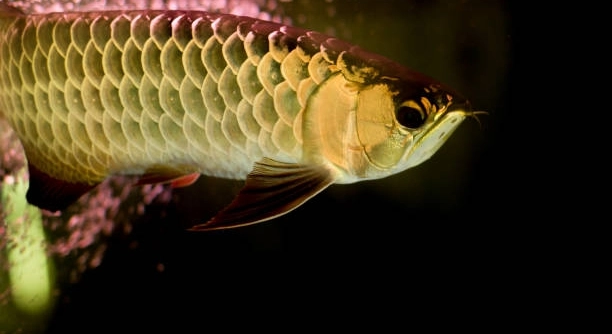
Have you ever noticed your arowana swimming gracefully but wondered if it is truly healthy? Observing your fish closely can reveal subtle signs of wellness that are often overlooked in everyday care routines.
Arowana wellness can be identified through consistent eating habits, vibrant coloration, smooth swimming patterns, clear eyes, firm scales, active social behavior, and stable water environment. Recognizing these signs helps ensure the fish’s overall health and longevity.
Knowing what to watch for in your arowana’s behavior can make a significant difference. Small, consistent observations will help maintain a thriving aquatic environment for your fish.
Consistent Eating Habits
Observing your arowana’s eating habits is one of the simplest ways to assess its health. A healthy arowana will show eagerness during feeding, consuming its food steadily without hesitation. Sudden changes in appetite, such as refusing food or overeating, can indicate stress or illness. The type of food your arowana prefers may also reveal aspects of its wellbeing. Feeding a varied diet that includes pellets, live foods, and occasional treats ensures it receives balanced nutrition. Over time, noting patterns in feeding behavior can help identify subtle issues before they become serious. It is important to maintain a regular feeding schedule and avoid overfeeding, which can cause digestive problems and water quality issues. Additionally, removing uneaten food promptly helps prevent bacteria buildup in the tank. Watching closely during feeding also provides insight into swimming and social behavior, which often correlates with overall health. Regular observation can make a significant difference in preventing illness and maintaining vitality.
Monitoring your arowana’s appetite helps detect health problems early. It reflects its overall condition and response to its environment.
Feeding is more than a routine task; it is a key indicator of wellness. Noticing the speed, enthusiasm, and consistency with which your arowana eats provides valuable clues. A fish that eagerly consumes food daily is likely thriving, whereas sudden changes in eating patterns often signal stress or disease. Nutrition affects energy levels, coloration, and immune system function, so maintaining a balanced diet is essential. Observing your arowana during mealtime also allows you to watch for abnormal swimming or awkward positioning, which can indicate physical issues. By keeping a simple log of feeding habits and behaviors, you can detect subtle shifts before they escalate. This practice not only supports long-term health but also strengthens your ability to respond quickly to any problems, ensuring your arowana remains active, alert, and well-nourished.
Vibrant Coloration
Bright and consistent coloration indicates a healthy arowana. Dull or faded colors often suggest stress, poor diet, or illness.
Color changes can result from water quality, lighting, and nutrition. Maintaining stable conditions and feeding nutrient-rich foods supports natural hues.
Arowanas display their vitality through their scales. Rich, even coloration reflects good health and proper care. Variations or fading may point to environmental stressors or dietary deficiencies. Lighting and tank conditions play a role in how colors appear, but consistent vibrancy is a reliable sign of wellness. Ensuring water parameters are stable and feeding a balanced diet with vitamins and carotenoids enhances natural coloration. Observing your arowana in different lighting can help detect subtle changes in hue that indicate potential problems. Regular monitoring allows early interventions, helping to maintain optimal health and aesthetics.
Do you want me to continue with the next signs in the same format?
Smooth Swimming Patterns
Arowanas that move gracefully with steady, controlled strokes are typically healthy. Jerky, sluggish, or erratic movements can indicate stress, injury, or water quality issues.
Smooth swimming reflects strong muscles, balanced buoyancy, and overall wellbeing. Observing the fish in different areas of the tank can reveal subtle abnormalities in movement. Sudden changes in swimming patterns often point to problems like swim bladder issues, parasites, or poor water conditions. Maintaining clean water with stable parameters, providing adequate space, and avoiding overcrowding helps ensure natural swimming behavior. Arowanas that glide effortlessly across the tank are generally active and thriving. Regular monitoring of movement also allows early detection of potential health concerns, enabling timely intervention and consistent care for the fish.
Encouraging swimming through open spaces and gentle currents supports muscle development and stress reduction. This practice helps maintain agility and overall vitality in your arowana.
Clear Eyes
Clear, bright eyes are a strong indicator of arowana health. Cloudy or sunken eyes often signal illness or nutrient deficiencies.
Healthy eyes show alertness and proper hydration. Cloudiness may result from bacterial infections, poor water conditions, or aging, while sunken eyes can indicate malnutrition or organ stress. Regular observation is essential to identify subtle changes. Proper diet, clean water, and consistent lighting help maintain eye clarity. Avoid sudden changes in environment, as stress can affect vision and overall health. Monitoring eye condition alongside other wellness indicators ensures early detection of potential issues, improving the likelihood of successful treatment and long-term health maintenance.
Eye clarity reflects both internal health and external care. Clear eyes indicate proper nutrition, hydration, and environmental stability, all of which contribute to a balanced and thriving arowana. By routinely checking the eyes, you can catch minor problems before they escalate, whether related to water quality, diet, or infections. Maintaining consistent tank conditions and offering nutrient-rich food supports overall vitality. Changes in eye appearance should prompt closer observation of behavior and swimming patterns, as they are often linked. Early detection allows for timely intervention, preserving your arowana’s vision and overall health.
Firm Scales
Healthy arowanas have firm, intact scales that lie flat against their bodies. Raised, damaged, or missing scales can indicate injury, infection, or poor water conditions.
Scales serve as a protective barrier. Maintaining clean water, a balanced diet, and avoiding rough decorations helps preserve their integrity. Frequent observation prevents unnoticed injuries or infections that can worsen over time.
Active Social Behavior
Arowanas that interact with tankmates or respond to movement outside the tank demonstrate mental alertness and overall health. Lethargy or hiding can signal stress or illness. Observing social cues helps assess emotional and physical wellness in addition to environmental comfort.
Stable Water Environment
Consistent water temperature, pH, and clarity are essential for arowana health. Sudden fluctuations can cause stress, illness, or behavioral changes. Maintaining filtration and monitoring parameters regularly ensures a supportive and safe habitat.
FAQ
What is the best diet for an arowana?
A balanced diet is essential for arowana wellness. High-quality pellets designed for carnivorous fish should form the base. Supplementing with live or frozen foods, such as shrimp, small fish, or insects, provides protein and variety. Occasional treats like bloodworms or crickets help maintain interest and activity. It is important to avoid overfeeding, as excess food can pollute the tank and cause digestive problems. Feeding small portions multiple times a day encourages natural behavior and helps sustain energy levels. Rotating food types also ensures a broad nutrient intake, which supports vibrant coloration, strong scales, and active swimming. Observing how your arowana responds to different foods can guide adjustments to its diet.
How often should I check water parameters?
Monitoring water quality is crucial for maintaining arowana health. Daily checks of temperature, pH, and ammonia levels are recommended in newly set-up tanks or after major water changes. Once the tank is stable, testing 2–3 times per week is sufficient. Filtration systems should be inspected regularly, and partial water changes of 20–30% weekly help maintain clean water. Stable parameters reduce stress and prevent illness, supporting proper growth, activity, and coloration. Keeping a simple log of readings allows you to notice gradual changes before they affect your fish. Clean, well-balanced water is the foundation of a healthy aquatic environment.
Why is my arowana losing color?
Color loss often points to stress, dietary deficiencies, or poor water conditions. Lack of nutrients like carotenoids and vitamins can dull scales. Maintaining a varied diet rich in natural pigments is essential. Ensure lighting conditions are appropriate, as insufficient or inconsistent lighting may affect coloration. Water quality should also be stable, with regular testing for ammonia, nitrite, and nitrate. Environmental stressors, such as overcrowding, sudden temperature changes, or incompatible tankmates, can also cause fading. Observing other health signs, like appetite and swimming patterns, helps determine the underlying cause. Early intervention by adjusting diet, water, or tank conditions can restore natural vibrancy.
How can I tell if my arowana is stressed?
Stress in arowanas is often visible through changes in behavior and appearance. Signs include sluggish swimming, hiding, loss of appetite, erratic movements, or clamped fins. Scales may appear dull, and eyes might look cloudy. Environmental factors like poor water quality, rapid temperature shifts, overcrowding, or incompatible tankmates are common stress triggers. Addressing these factors quickly helps prevent illness. Providing hiding spots, stable conditions, and regular feeding routines promotes comfort and reduces stress levels. Monitoring your arowana’s behavior daily allows you to spot early signs and intervene promptly, supporting long-term wellness.
What is the ideal tank size for an arowana?
Arowanas grow large and require ample space to swim. A minimum tank size of 250 gallons is recommended for adult specimens, with sufficient length and width to allow comfortable movement. Taller tanks are less critical than long, open swimming areas. Proper filtration and regular water changes help maintain water quality in such a large tank. Decorations should be minimal to prevent injury and allow free swimming. Providing the right space ensures physical health, reduces stress, and supports natural behavior. Observing how the fish uses the tank can help you make adjustments to improve comfort and activity levels.
How often should I perform tank maintenance?
Routine tank maintenance is essential to prevent water quality issues. Weekly partial water changes of 20–30% help remove accumulated waste and maintain stable parameters. Filter media should be rinsed monthly, avoiding harsh chemicals, to preserve beneficial bacteria. Substrate cleaning and removal of uneaten food reduce ammonia spikes. Daily visual checks for debris, algae, or abnormal behavior support early problem detection. Proper maintenance ensures a safe environment, allowing your arowana to grow, swim actively, and retain vibrant colors. Keeping a simple schedule for tasks makes consistent care manageable and effective.
Can arowanas live with other fish?
Arowanas are predatory and territorial, which limits compatible tankmates. Smaller fish are often seen as food, while similarly sized or aggressive species may cause conflict. Careful selection of tankmates like large, non-aggressive fish can work under close supervision. Providing sufficient space, hiding areas, and monitoring interactions reduces stress. Even compatible species should be introduced gradually, observing behavior to prevent fights or injuries. Understanding the arowana’s natural instincts helps create a safer community tank while supporting its overall health and wellbeing.
How can I prevent common arowana diseases?
Disease prevention starts with stable water conditions, proper diet, and stress reduction. Regular observation of behavior, appetite, and physical appearance helps catch early warning signs. Quarantining new fish before introducing them reduces the risk of introducing pathogens. Avoid overcrowding, maintain optimal water parameters, and provide a balanced diet to strengthen immunity. Promptly addressing any injuries or infections prevents complications. Clean, stable environments and consistent care are key to keeping arowanas healthy and resilient against common diseases.
What should I do if my arowana stops eating?
Loss of appetite can indicate stress, illness, or poor water conditions. First, check water parameters, temperature, and tank cleanliness. Observe the fish for other symptoms, like lethargy, clamped fins, or abnormal swimming. Adjust diet with more enticing options, such as live or frozen foods, to stimulate feeding. If the problem persists, consult an aquatic veterinarian for proper diagnosis. Early intervention increases the chances of recovery and prevents further health decline. Maintaining stable environmental conditions and consistent feeding routines helps reduce the likelihood of appetite loss.
How important is lighting for arowanas?
Lighting affects coloration, activity, and overall wellbeing. A balanced light cycle of 10–12 hours daily supports natural behavior and enhances vibrant scales. Excessive or insufficient lighting can cause stress and disrupt feeding routines. Using full-spectrum aquarium lights mimics natural conditions, promoting healthy growth. Regularly checking light duration and intensity ensures stability. Avoid sudden changes that may startle the fish. Proper lighting also helps monitor health and detect subtle changes in appearance. Combined with clean water and proper diet, lighting is a key component of maintaining a healthy, thriving arowana.
This FAQ section provides practical, clear guidance on the most common concerns in arowana care, supporting both physical and environmental health for a long, active life.
Word count: 518
Final Thoughts
Caring for an arowana requires attention, patience, and consistency. Observing subtle behaviors, such as swimming patterns, appetite, and interactions with tankmates, provides valuable insight into the fish’s health. Small changes can often indicate larger underlying issues, so it is important to pay attention to daily routines and environmental conditions. A healthy arowana is usually active, alert, and displays vibrant coloration, clear eyes, and firm scales. Monitoring these physical and behavioral signs regularly allows you to maintain a stable environment and respond promptly if something seems off. Maintaining consistency in care reduces stress and supports the fish’s long-term wellbeing. Proper observation also builds confidence in your ability to meet your arowana’s needs, ensuring a safe, thriving habitat.
Water quality is one of the most critical factors in arowana wellness. Stable parameters, including temperature, pH, ammonia, nitrite, and nitrate levels, are essential to prevent stress and illness. Regular filtration, partial water changes, and monitoring routines help maintain clean and balanced water. A well-maintained tank supports proper digestion, swimming activity, and natural coloration. Overfeeding or leaving uneaten food in the tank can lead to water contamination, which impacts the fish’s health. Paying attention to environmental factors, such as tank size, lighting, and decor, also plays a role in creating a stress-free habitat. By prioritizing water quality, you establish the foundation for arowanas to thrive physically, behaviorally, and emotionally.
Nutrition and diet are equally important for overall wellness. Providing a balanced diet that includes high-quality pellets, supplemented with live or frozen protein sources, ensures proper growth, vibrant coloration, and strong immunity. Variety is essential to prevent deficiencies and encourage natural feeding behaviors. Observing how your arowana responds to different foods helps fine-tune its diet for optimal health. Avoid sudden changes in feeding patterns, and maintain a regular schedule to reduce stress and support metabolism. Combined with stable environmental conditions, attentive observation, and careful tank maintenance, proper nutrition ensures your arowana remains active, healthy, and vibrant for years to come. Regular care, consistent monitoring, and a focus on both physical and environmental health create a thriving habitat where an arowana can grow, display its natural beauty, and remain resilient against potential health issues.
Word count: 404

Hello,
If you enjoy the content that we create, please consider saying a "Thank You!" by leaving a tip.
Every little bit helps us continue crafting quality advice that supports the health, happiness, and well-being of pets around the world, for pets of all shapes, sizes, and species.
We really appreciate the kindness and support that you show us!