
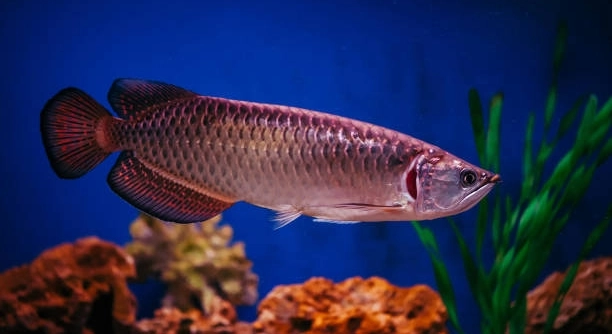
Do you enjoy keeping Arowanas but sometimes notice subtle changes in their behavior or appearance that worry you? Stress in these fish can appear gradually, making it important to recognize early signs before serious health issues develop.
Detecting stress in Arowanas involves observing changes in color, appetite, swimming patterns, and overall behavior. Maintaining stable water conditions, proper nutrition, and minimal disturbances can prevent stress, supporting the fish’s health and long-term well-being effectively.
Knowing the early indicators of stress can save your Arowana from serious complications and improve its daily life in your aquarium.
Recognizing Physical Signs of Stress
Arowanas often show stress through physical changes that can be subtle at first. Faded colors, clamped fins, or sudden loss of scales are common indicators. Watch for abnormal swimming patterns, such as erratic movements, staying at the surface, or hiding in corners. Gills may move faster, signaling difficulty breathing. Eye cloudiness or swelling can also appear when stress is prolonged. Some Arowanas may develop lesions or small injuries from rubbing against tank surfaces due to agitation. Observing your fish daily allows you to detect these signs early. Water quality plays a major role in physical health. Changes in temperature, pH, or ammonia levels can quickly affect their appearance. A stable environment helps reduce the likelihood of stress. Consistent feeding habits also matter. Skipping meals or overeating can worsen physical symptoms. Early recognition and intervention improve recovery chances and prevent serious health complications.
Monitoring these signs regularly helps you maintain a healthy tank and prevents long-term damage.
Regular observation ensures that any minor changes are addressed promptly, keeping your Arowana healthy and vibrant in its habitat.
Behavioral Changes to Watch
Behavior often reveals stress before physical signs appear. A stressed Arowana may stop interacting with its surroundings and avoid usual activities.
Changes in feeding patterns, sudden aggression, or lethargy indicate discomfort. Stressed fish might swim frantically or float listlessly. Tank environment is crucial; overcrowding, loud noises, or sudden movements can trigger these behaviors. Even minor shifts, such as new decorations or lighting changes, can affect them. Consistent observation of routine actions, including feeding responses and swimming habits, helps identify stress early. Social interactions with tank mates may also change, as stressed Arowanas can become unusually dominant or withdrawn. Adjusting environmental factors gradually, such as water parameters and tank setup, supports behavioral stability. Additionally, providing hiding spaces and minimizing sudden disturbances allows the fish to feel secure. These steps create a calmer environment, reducing the likelihood of prolonged stress. Observing and responding to behavioral shifts ensures your Arowana remains active, healthy, and less prone to illness caused by stress.
Environmental Triggers of Stress
Sudden changes in water temperature, pH levels, or ammonia can quickly stress Arowanas. Overcrowding and strong water currents also contribute, making the tank less comfortable for daily activities. Maintaining a stable, clean environment is essential for their well-being.
Regular testing of water parameters helps prevent stress from environmental shifts. Filtration, consistent temperature control, and periodic partial water changes keep conditions stable. Even small disturbances, like frequent rearrangement of decorations, can unsettle Arowanas. Ensuring adequate space and hiding spots reduces tension. Monitoring water quality and tank setup daily allows quick adjustments, preventing minor issues from escalating. Stable conditions support normal feeding, swimming, and social behaviors, keeping your Arowana healthy and comfortable in its habitat.
Lighting and noise levels impact stress too. Bright, fluctuating lights or sudden loud sounds can cause agitation. Keeping the environment consistent and calm promotes relaxation. Using dimmable lights, minimizing sudden sounds, and arranging the tank for visual security helps your Arowana remain stable and confident. A predictable routine with proper water parameters and minimal disruptions ensures their physical and behavioral health, reducing the risk of stress-related illness over time.
Nutritional Factors Affecting Stress
Improper feeding routines, poor diet quality, or sudden diet changes can stress Arowanas. Balanced nutrition supports their immune system and overall resilience against stress.
Feeding too much or too little can create digestive issues and behavioral changes. Arowanas require a diet rich in protein, with occasional live or frozen foods to mimic natural hunting. Inconsistent feeding schedules may confuse them, leading to reduced appetite or aggression. Vitamins and minerals are essential for maintaining skin color, fin health, and energy levels. Avoid low-quality pellets or over-reliance on a single food type, as this can weaken their immunity. Combining proper nutrition with a stable environment ensures your fish remain active, healthy, and stress-resistant.
Diet interacts with environmental conditions. Even the best food cannot compensate for poor water quality or overcrowding. Feeding at consistent times in a calm setting reinforces routine, helping Arowanas feel secure. Providing variety, such as insects or shrimp alongside pellets, keeps them engaged and healthy. Monitoring feeding behavior closely lets you detect appetite changes, which often indicate early stress. Proper nutrition combined with consistent environmental care strengthens their health, reduces vulnerability to disease, and ensures they thrive in the aquarium.
Social Interactions and Stress
Arowanas can become stressed due to aggressive tank mates or overcrowding. Dominant fish may chase or nip at them, causing fear and injury. Observing their interactions helps prevent conflict.
Providing enough space and separating aggressive fish reduces tension. Hiding spots and visual barriers help Arowanas feel secure and calm.
Monitoring Water Quality
Regular testing of ammonia, nitrite, nitrate, and pH levels is crucial. Even small fluctuations can create long-term stress. Maintaining consistent water parameters prevents health issues and supports natural behavior, keeping your Arowana active and resilient.
Signs of Chronic Stress
Prolonged stress weakens the immune system. Symptoms include slow growth, dull coloration, and frequent disease. Early detection is critical for long-term health and preventing irreversible damage.
FAQ
How can I tell if my Arowana is stressed?
Stressed Arowanas often show changes in behavior and appearance. Look for faded colors, clamped fins, erratic swimming, or hiding more than usual. Reduced appetite and slower responses during feeding are also clear signs. Early detection helps prevent serious health problems and keeps your fish active.
What environmental factors most commonly cause stress?
Sudden changes in water temperature, pH, or ammonia levels are major stressors. Overcrowding, strong currents, and inconsistent lighting can also disturb Arowanas. Providing a stable, calm environment with consistent water quality and enough space reduces the risk of stress and supports natural behavior.
How does diet affect Arowana stress levels?
A balanced diet is essential for maintaining energy, immunity, and color. Feeding low-quality food, overfeeding, or inconsistent schedules can create digestive issues and behavioral changes. Include high-protein foods like pellets, live insects, or frozen shrimp to mimic natural hunting habits and keep them healthy.
Can tank mates cause stress?
Yes, aggressive or incompatible fish can create tension. Chasing, nipping, or overcrowding causes fear and injuries. Observing interactions and separating aggressive fish, along with providing hiding spots, helps maintain peace and reduces chronic stress in the tank.
What role does water quality play in preventing stress?
Clean, stable water is crucial. High ammonia, nitrite, or nitrate levels weaken the immune system and cause physical stress. Regular testing, partial water changes, and efficient filtration keep conditions safe. Even minor fluctuations can affect behavior, feeding, and coloration. Maintaining stability supports overall health.
How often should I observe my Arowana?
Daily observation is recommended. Noticing subtle changes in swimming, feeding, or appearance allows early intervention. Small adjustments to water parameters, tank setup, or feeding routines prevent stress from escalating into serious health issues, ensuring your Arowana remains comfortable and active.
What are long-term signs of chronic stress?
Chronic stress can cause slow growth, dull coloration, frequent disease, and weakened immunity. Behavioral changes like constant hiding or aggression may persist. Recognizing these signs early and addressing environmental or dietary causes can prevent irreversible damage and improve quality of life.
Are there quick fixes for stressed Arowanas?
Immediate fixes often focus on stabilizing water conditions, removing aggressive tank mates, and ensuring proper feeding. Adjusting temperature, pH, or ammonia levels gradually while providing hiding spaces reduces acute stress. Quick interventions work best when combined with consistent care over time.
How can I prevent stress before it happens?
Maintain stable water parameters, provide adequate space, and feed a balanced diet. Minimize sudden changes, loud noises, or frequent tank rearrangements. Monitoring behavior and appearance regularly helps you spot early signs and create a secure, predictable environment that supports long-term health.
When should I consult a professional?
If stress signs persist despite proper care, or if your Arowana shows disease symptoms, consult an aquatic veterinarian. Professional advice ensures accurate diagnosis and treatment, reducing the risk of chronic illness and improving the chances of full recovery.
Can enrichment reduce stress?
Yes, adding hiding spots, plants, or floating objects encourages natural exploration and reduces boredom. Structured enrichment makes the tank feel secure and supports mental and physical health, helping Arowanas cope with minor environmental fluctuations.
Is stress reversible in Arowanas?
Mild stress is often reversible with proper care. Stabilizing water quality, correcting diet, reducing aggression, and minimizing disturbances typically restore behavior and appearance. Chronic stress requires longer-term interventions, but early action significantly improves recovery chances and overall well-being.
What daily routines support stress-free living?
Consistent feeding times, monitoring water quality, observing behavior, and maintaining a calm environment form the foundation of a stress-free routine. Gradual adjustments to any tank changes prevent sudden stress, while regular cleaning and careful handling ensure comfort and safety.
How do I know if an intervention is working?
Improvement is seen through restored appetite, brighter coloration, regular swimming, and reduced hiding or aggression. Gradual positive changes indicate that environmental adjustments, dietary improvements, or tank modifications are effective, keeping your Arowana healthy and resilient.
This FAQ section addresses the most common concerns, providing clear, actionable guidance to detect, prevent, and manage stress in Arowanas effectively. Regular attention to behavior, environment, and nutrition ensures your fish thrives.
Final Thoughts
Keeping an Arowana healthy and stress-free requires consistent attention to its environment, diet, and behavior. Stress can appear gradually, and early signs may be subtle, such as slight changes in color, fin position, or swimming patterns. Observing your fish daily allows you to detect these early indicators before they develop into more serious problems. Simple actions, like maintaining clean water, stable temperature, and balanced nutrition, can significantly reduce stress levels. Providing enough space and proper hiding spots also helps the fish feel secure. Understanding your Arowana’s natural behaviors and tendencies is essential to creating a calm and supportive habitat. Even small, consistent efforts can make a noticeable difference in their health and longevity, ensuring they remain vibrant and active in the tank.
Behavior and environmental management are equally important for preventing stress. Overcrowding or introducing aggressive tank mates can quickly create tension, even when water quality and feeding routines are correct. Monitoring interactions between fish and adjusting tank conditions when necessary is key to preventing long-term stress. Noise, lighting changes, and sudden tank rearrangements can also cause discomfort, so keeping the environment predictable helps your Arowana feel safe. Nutritional balance plays a critical role as well. Feeding a high-protein diet with occasional live or frozen foods mimics their natural hunting habits and supports overall resilience. Skipping meals or relying on low-quality feed can weaken the immune system and make the fish more susceptible to illness. Regularly checking for physical changes, such as dull coloration or lesions, along with behavioral changes like lethargy or hiding, allows you to take corrective measures promptly. By combining environmental stability, proper nutrition, and careful observation, you can create a supportive habitat that minimizes stress.
Long-term care and attention are essential for keeping your Arowana healthy throughout its life. Chronic stress can lead to reduced growth, frequent disease, and a weakened immune system, so preventing it is always easier than treating it. Consistency in feeding, water maintenance, and tank management is key. Regular testing of water parameters and gradual adjustments when needed ensure that conditions remain optimal. Incorporating enrichment, like plants or hiding spots, encourages natural exploration and mental stimulation, reducing stress and improving overall well-being. Understanding and responding to the subtle signs of stress early can prevent serious health problems and allow your Arowana to thrive. With patience, observation, and commitment, maintaining a stress-free environment becomes a manageable routine, and your fish can live a longer, healthier, and more comfortable life in your care.

Hello,
If you enjoy the content that we create, please consider saying a "Thank You!" by leaving a tip.
Every little bit helps us continue crafting quality advice that supports the health, happiness, and well-being of pets around the world, for pets of all shapes, sizes, and species.
We really appreciate the kindness and support that you show us!