
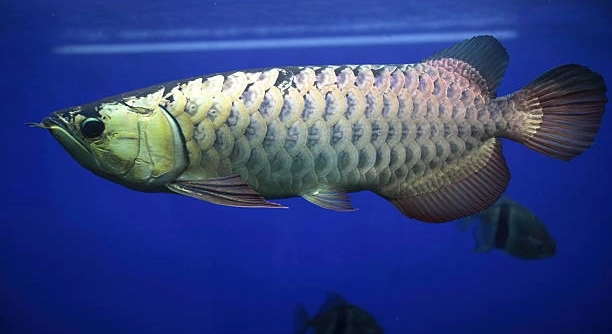
Have you ever noticed your arowana gliding gracefully through its tank and wondered how it responds to sudden movements nearby? These majestic fish are often sensitive to changes in their environment, including the presence of humans.
Arowanas do react to sudden human movement, displaying quick, alert motions or swimming away from perceived threats. This behavior is linked to their natural instincts for survival, as sudden disturbances can trigger defensive responses in these predatory fish.
Observing their reactions can provide valuable insights into their behavior and overall well-being, helping owners create a calmer, more suitable environment.
How Arowanas Sense Movement
Arowanas are highly sensitive to changes in their surroundings. Their vision is sharp, and they can detect motion quickly, which helps them respond to potential threats or food opportunities. When a person moves suddenly near the tank, the fish may dart to the opposite side or freeze in place. This instinctive reaction comes from their natural environment, where avoiding predators is essential for survival. Over time, they can become accustomed to predictable movements from their owner, reducing stress and making them feel more secure. Arowanas also rely on water vibrations to understand their environment. Sudden hand movements or tapping on the tank can create waves that alert the fish. Consistent, gentle interactions help the fish recognize safe human behavior, while erratic movements may trigger anxiety. Tank setup, such as decorations or plants, can also affect how easily they are startled. A calm environment encourages confidence and normal activity.
Even small gestures near the tank can cause noticeable reactions, so patience is important when interacting.
Providing a stable environment and minimal sudden disturbances promotes healthier behavior and better feeding patterns in arowanas, making daily care smoother and less stressful for both fish and owner.
Signs of Stress from Sudden Movement
Stress in arowanas shows in both behavior and appearance.
Arowanas may swim frantically, hide, or refuse food when frequently startled. Their scales can appear dull, and their fins may clench close to the body. Repeated exposure to sudden movements triggers heightened alertness, which can weaken immunity over time. Fish that feel unsafe may avoid parts of the tank, disrupting natural swimming patterns. Monitoring their reactions can help identify stressful triggers and allow adjustments in handling or tank placement. Creating a predictable environment with gentle approaches encourages calm behavior. Proper lighting, stable water conditions, and minimal noise around the tank also reduce stress. Owners who observe and respect the fish’s responses can prevent chronic stress, which can impact growth and overall health. Understanding these subtle signals ensures that arowanas remain comfortable and active, providing a better experience for both the fish and the person caring for them.
Reducing Startle Responses
Consistency in movement around the tank helps arowanas feel secure. Sudden gestures or tapping can trigger quick escapes or freezing, so gentle, predictable actions are essential for calmer behavior.
Limiting abrupt activity near the aquarium allows arowanas to become more comfortable in their environment. Over time, they can learn to anticipate daily routines, such as feeding or water changes, which reduces anxiety. Positioning the tank away from high-traffic areas and loud noises further minimizes stress. Using slow, steady hand movements when performing maintenance or interacting with the fish ensures they are not startled unnecessarily. These measures encourage natural swimming patterns and promote overall well-being. A relaxed arowana shows improved appetite and maintains a more vivid coloration, indicating better health. Observing their reactions and adjusting human behavior accordingly fosters a trusting and balanced tank environment that benefits both fish and owner.
Creating a calm routine around the tank helps arowanas adjust and reduces reactive behavior over time, making care easier.
Feeding and Movement Sensitivity
Arowanas can be very sensitive during feeding times. Sudden movements nearby may make them hesitate to eat, even if food is present.
Feeding should be done calmly, with minimal motion around the aquarium. Arowanas may dart or ignore food if startled, which can affect their growth and nutrition. Offering food consistently at the same time and location helps them associate human presence with safety rather than danger. Using feeding tools like tongs can reduce sudden hand movements in the tank. Observing how your arowana reacts during feeding allows you to adjust techniques, ensuring they are comfortable. Over time, the fish can associate feeding with calm, predictable behavior from their owner, promoting healthier eating habits and less stress during daily care routines.
Recognizing sensitivity during feeding also provides insight into their overall temperament. Adjusting your approach supports both their well-being and a smoother feeding experience.
Tank Placement and Movement
Placing the tank in a quiet area reduces sudden disturbances that can startle arowanas. Avoid high-traffic rooms where constant movement can create stress.
Positioning the aquarium away from doors, loud appliances, and areas where people often pass helps the fish remain calm. Even small vibrations from nearby activity can trigger alert responses.
Observing Body Language
Arowanas communicate stress through subtle body movements. Flicking fins, rapid swimming, or staying near tank corners can indicate unease. Paying attention to these signs allows timely adjustments in handling or environment.
Interaction Tips
Approach the tank slowly and consistently. Avoid leaning over or tapping on the glass, which can alarm the fish.
FAQ
Do arowanas always react to sudden movement?
Not always. Arowanas are naturally alert, but their response depends on the frequency and intensity of disturbances. Fish that are regularly exposed to calm, predictable human activity may startle less over time. Conversely, abrupt or repeated movements can trigger consistent defensive behavior. Their reactions are a combination of instinct and learned behavior, so understanding your fish’s personality helps in anticipating how they might respond.
Can sudden movement harm arowanas physically?
Typically, no. Quick movements usually cause stress responses like darting or freezing, but physical harm is rare unless they collide with tank decorations or walls. Stress, however, can affect appetite, immunity, and long-term health, so minimizing triggers is important. Maintaining proper tank layout with ample swimming space reduces the risk of accidental injury.
How can I tell if my arowana is stressed by movement?
Stress indicators include rapid swimming, hiding, clamped fins, or refusing food. Dull coloration or irregular swimming patterns can also signal anxiety. Observing behavior during daily routines, especially when performing tasks near the tank, helps identify triggers. Consistent monitoring allows owners to make environmental adjustments to reduce stress.
Does tank size affect reactions to sudden movements?
Yes. Larger tanks give arowanas more space to avoid perceived threats, reducing stress levels. Smaller tanks limit their movement and can make sudden disturbances more alarming. Providing ample space, decorations for hiding, and a stable water environment can mitigate exaggerated reactions to nearby motion.
Do different types of arowanas respond differently?
Slightly. While all arowanas are sensitive to movement, species variations can affect temperament. Some are naturally more skittish, while others adapt faster to human presence. Individual personality also plays a role, so observing your specific fish is crucial for understanding its reaction patterns.
How can I reduce startle responses during tank maintenance?
Move slowly and predictably around the aquarium. Avoid tapping or leaning over the tank abruptly. Performing maintenance at similar times and using consistent motions helps arowanas anticipate safe activity. Using tools like nets or tongs can further reduce sudden movements inside the tank, minimizing stress.
Will feeding routines help arowanas adapt to nearby movement?
Yes. Establishing a calm, consistent feeding routine teaches arowanas to associate human presence with positive experiences rather than danger. Feeding at the same time and in the same area reduces fear responses. Gentle movements during feeding encourage confidence and trust over time.
Is water vibration considered sudden movement for arowanas?
It can be. Strong water vibrations, like splashing or sudden filtration changes, mimic movement cues arowanas perceive as threats. Minimizing abrupt water disturbances and using quiet, efficient equipment reduces stress reactions. Observing their responses to different vibrations allows for better tank management.
Can arowanas become desensitized to sudden movement?
Yes, gradually. Through consistent, calm exposure, arowanas may learn that predictable human presence poses no danger. Sudden, repeated disturbances without consistency, however, maintain high stress levels. Patience and gentle routines are key to fostering calm behavior.
Are there signs that arowana has permanently adapted to human presence?
A relaxed arowana swims freely near the glass, maintains normal feeding habits, and shows vivid coloration. Calm fin movements and exploratory behavior indicate reduced stress. Regular, careful observation ensures continued comfort and health, while sudden or erratic movements should still be minimized to maintain this adaptation.
Do lighting conditions affect reactions to movement?
Yes. Bright or fluctuating lighting can exaggerate responses to movement. A consistent, moderate lighting schedule helps arowanas feel secure. Avoid sudden changes in light intensity, as this can mimic threats and trigger rapid, defensive swimming behaviors.
Can other fish in the tank influence arowanas’ reactions?
Absolutely. Aggressive or hyperactive tankmates may increase stress and startle responses. Conversely, calm companions can reduce anxiety by providing a sense of security. Observing interactions and adjusting tank composition supports arowanas’ comfort and limits unnecessary stress caused by nearby movement.
How often should I monitor behavior related to sudden movement?
Daily observation is ideal. Noting changes in swimming patterns, feeding behavior, or reactions to routine tasks helps detect stress early. Regular monitoring allows for timely adjustments in handling, tank layout, or lighting to ensure the fish remain comfortable and healthy.
Can arowanas recognize their owners?
Partially. Arowanas can associate consistent, calm behavior with safety, often reacting less to familiar individuals. Over time, predictable actions during feeding or maintenance build recognition, which can reduce startle responses and improve their comfort near human activity.
Are there signs that indicate stress is affecting health long-term?
Yes. Persistent hiding, poor appetite, faded coloration, or slow growth are indicators. Chronic stress from frequent disturbances can weaken immunity, making arowanas more susceptible to disease. Addressing environmental triggers early is crucial for long-term well-being.
Do decorations or plants reduce stress from sudden movement?
Yes. Providing hiding spots and visual barriers gives arowanas places to retreat when startled. Rocks, driftwood, or artificial plants allow them to feel secure, helping reduce the intensity of reactions to nearby motion while supporting natural swimming behavior.
How does age affect reaction to sudden movement?
Younger arowanas are generally more sensitive, reacting quickly to unexpected motion. Older, more experienced fish may tolerate human presence better, but abrupt gestures can still startle them. Understanding age-related behavior helps tailor interactions and minimize stress for different life stages.
Is it necessary to adjust feeding methods for sensitive arowanas?
Yes. Using tools like feeding tongs or dropping food gently reduces sudden hand movements. Feeding calmly at a consistent time reinforces positive experiences, helping arowanas stay relaxed and maintain regular eating habits without fear of nearby movement.
How do water parameters influence startle reactions?
Unstable water conditions, like fluctuating temperature or pH, can heighten stress responses. Arowanas are more sensitive to movement when water quality is poor. Maintaining stable, optimal conditions promotes calm behavior and ensures reactions to human activity are not amplified by environmental stress.
What are the best practices for minimizing sudden movement stress overall?
Keep a consistent routine, approach the tank gently, maintain water stability, and provide hiding spots. Gradual exposure to human presence, calm feeding practices, and predictable maintenance reduce stress. Observing their reactions ensures adjustments can be made for the fish’s comfort, supporting long-term health and well-being.
This FAQ section provides detailed insights into understanding and managing arowana reactions to sudden movement, combining practical advice with observations of natural behavior to foster a calmer aquarium environment.
Word count: 517
Arowanas are fascinating fish with strong instincts that help them survive in the wild, and these instincts carry over into aquariums. One of the most noticeable behaviors is their reaction to sudden human movement. Even small gestures or quick movements near the tank can cause arowanas to dart, freeze, or swim away. This reaction is completely natural and is part of their survival mechanism. Understanding that these responses are instinctual, rather than random, helps fish owners approach their care with patience and awareness. By observing their behavior, it is possible to notice patterns in how they respond to different types of movement and interactions.
Creating a calm and predictable environment is key to reducing stress in arowanas. The placement of the tank, consistent lighting, and gentle handling all play an important role in how secure the fish feel. Limiting sudden gestures and keeping daily routines stable allows the fish to become accustomed to human presence over time. Providing hiding spots and decorations also helps the fish feel safer, giving them places to retreat when they are startled. Feeding routines can reinforce this sense of security, as arowanas begin to associate certain times and actions with positive experiences. This gradual adjustment reduces unnecessary stress and promotes natural, healthy behavior.
Monitoring and responding to the fish’s reactions is essential for their long-term health. Stress from frequent disturbances can affect appetite, immunity, and growth, making careful observation important. Noticing subtle signs, such as clamped fins, rapid swimming, or hiding, allows owners to make timely adjustments in handling, tank layout, or feeding practices. Over time, arowanas may learn to tolerate, or even ignore, predictable human activity, demonstrating that patience and consistency pay off. Maintaining stable water conditions, proper tank size, and minimal disturbances helps them remain calm and active. By taking these steps, owners can ensure their arowanas thrive in a secure and comfortable environment while respecting their natural instincts.
Word count: 414

Hello,
If you enjoy the content that we create, please consider saying a "Thank You!" by leaving a tip.
Every little bit helps us continue crafting quality advice that supports the health, happiness, and well-being of pets around the world, for pets of all shapes, sizes, and species.
We really appreciate the kindness and support that you show us!