Why Is My Arowana Suddenly Swimming Backward?
Is your arowana suddenly swimming backward and leaving you a bit concerned? Observing this unusual behavior can be unsettling, especially when your fish normally glides gracefully through the water with ease and confidence. The primary reason an arowana exhibits backward swimming is often linked to stress, water quality issues, or physical ailments. Monitoring tank conditions, … Read more
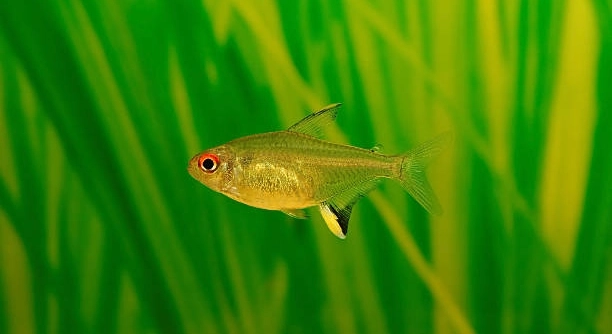
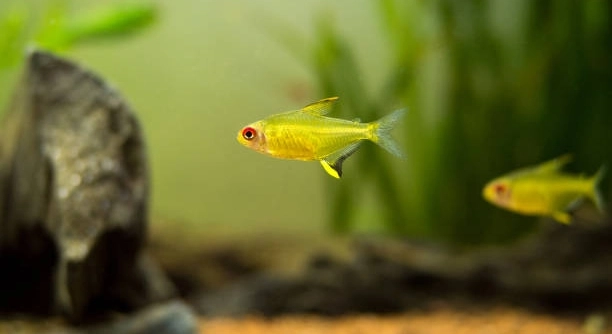
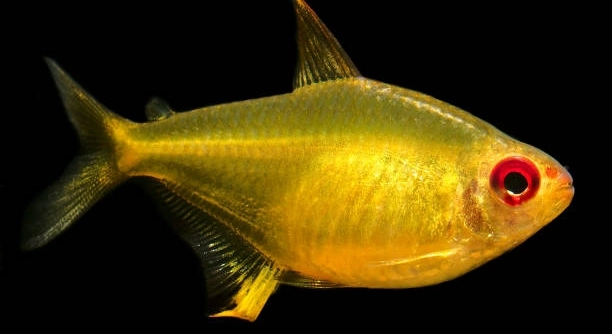
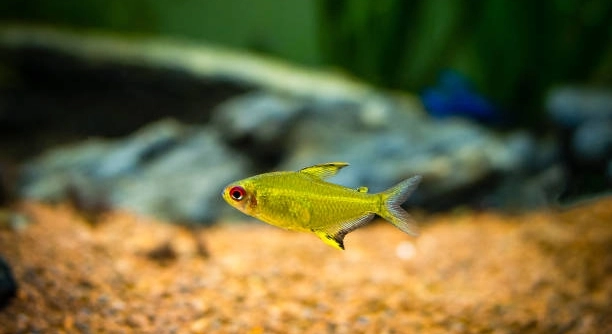
7 Challenges of Keeping Lemon Tetra With Shrimp

Keeping lemon tetra with shrimp can introduce subtle challenges that affect the harmony of your tank and create moments where daily care feels harder as you try to support both species in a shared space. The primary challenges arise from differing activity levels and territorial behaviors, as lemon tetra may outcompete shrimp for food and … Read more

Can Lemon Tetra Thrive Without Plants?

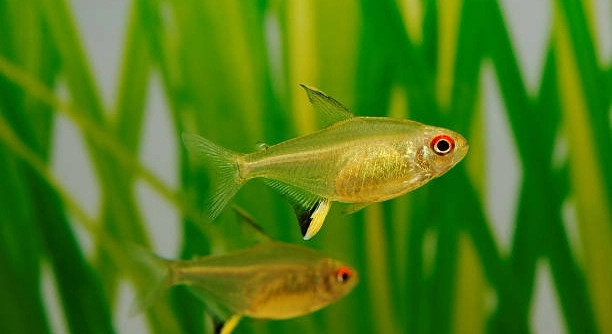
Do you ever find yourself arranging your aquarium and wondering if the bright Lemon Tetras will feel comfortable without any plants around? Many fish owners enjoy a minimalist setup but worry about their tiny swimmers’ well-being. Lemon Tetras can survive in an aquarium without plants, but their overall health and natural behaviors may be affected. … Read more

Are Lemon Tetra More Active With Tankmates Nearby?

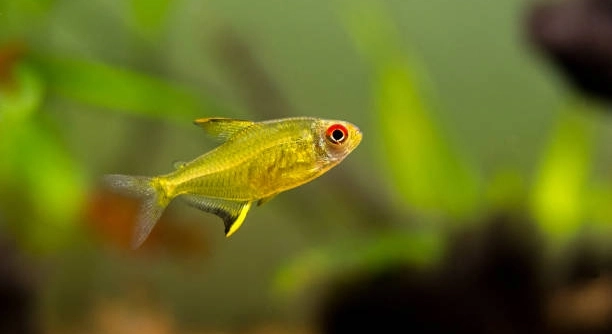
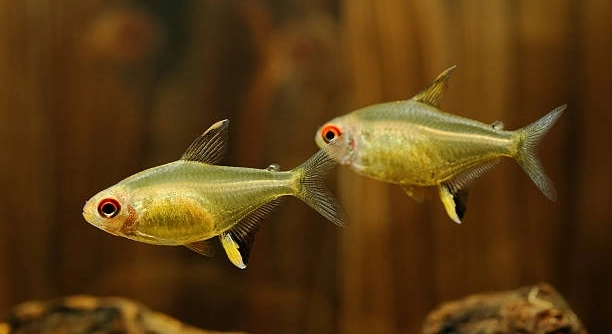
Are your lemon tetras swimming in solitude, or do they share their tank with lively companions? These small, bright fish are often admired for their vibrant yellow hue and gentle schooling behavior in home aquariums. Lemon tetras display increased activity when tankmates are present, as social interaction stimulates swimming patterns and encourages natural schooling behavior. … Read more

7 Secrets to Getting the Best Lemon Tetra Color

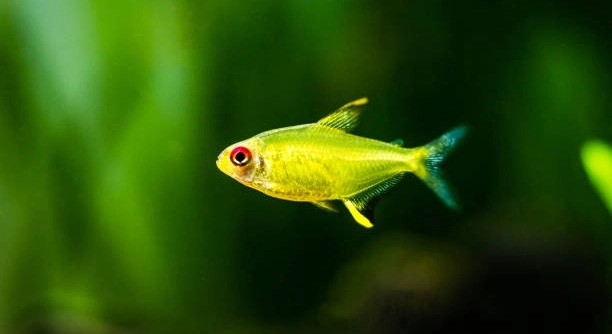
Do you ever notice your lemon tetras looking a bit dull despite careful care? Many aquarium enthusiasts struggle with keeping their fish bright and colorful, even with regular feeding and clean water routines. Achieving the best color in lemon tetras requires a combination of proper nutrition, stable water conditions, adequate lighting, and suitable tank mates. … Read more

How to Safely Treat Lemon Tetra for Ich

Lemon tetras are small, lively fish that brighten any aquarium. Sometimes they can get sick, especially with ich, a common parasitic infection. Caring for them carefully helps keep their colors bright and their movements active. The safest way to treat lemon tetras for ich involves isolating the affected fish in a quarantine tank and administering … Read more

Can Arowana Detect Minor Tank Vibrations?

Do you ever notice how arowanas seem alert even when nothing appears to move in their tanks? These elegant fish are known for their sensitivity, reacting subtly to changes in their environment and movements around them. Arowanas possess a lateral line system that allows them to detect minor vibrations in the water. This sensory mechanism … Read more

Can Lemon Tetra Live With Goldfish?

Do you ever find yourself unsure about keeping different fish together while planning your aquarium setup, especially when small and delicate species share space with larger ones that can create challenges for balanced everyday living. Lemon tetras should not be housed with goldfish because their differing temperature needs, activity levels, and size disparities increase stress … Read more

7 Situations Where Lemon Tetra Need Isolation

Are your lemon tetras showing signs of stress or unusual behavior? These small, vibrant fish can be sensitive to changes in their environment and social dynamics. Understanding when to isolate them is essential for their wellbeing. Isolation is necessary in specific situations to prevent disease spread, reduce aggression, allow recovery from illness, and protect injured … Read more

7 Things to Do if Lemon Tetra Refuse to Eat

Are your lemon tetras suddenly refusing the food you usually provide? This behavior can be frustrating for any aquarist. Changes in appetite can indicate stress, water conditions, or diet issues that require careful attention. Lemon tetras may stop eating due to water quality fluctuations, inappropriate food size or type, illness, stress from tankmates, sudden environmental … Read more