
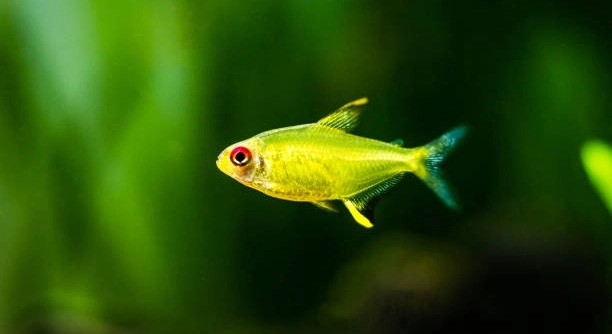
Do you ever find yourself unsure about keeping different fish together while planning your aquarium setup, especially when small and delicate species share space with larger ones that can create challenges for balanced everyday living.
Lemon tetras should not be housed with goldfish because their differing temperature needs, activity levels, and size disparities increase stress and predation risks. Maintaining species with compatible environmental requirements is essential to promote behavior, reduce aggression, and ensure aquarium stability.
Learning how these species interact can help you create a safer aquarium that supports calm swimming patterns and lasting harmony.
Key Compatibility Factors
Keeping lemon tetras and goldfish apart is important because their needs differ in ways that affect overall tank stability. Lemon tetras rely on warm water, steady lighting, and calm surroundings to stay healthy. Goldfish prefer cooler water, produce more waste, and move with steady strength that can unsettle smaller fish. When mixed, these differences create stress for lemon tetras, leading to weakened health and unstable social behavior. Goldfish can also mistake smaller fish for food when they feel curious or hungry, which places lemon tetras at risk. Understanding these details helps you set up a tank that feels balanced and easy to manage each day. By respecting each species limitations, you reduce conflict and prevent issues that grow over time. A setup built around clarity and simple care steps keeps your aquarium calm and safer for every fish. This creates a routine that feels natural and steady for you daily.
Lemon tetras stay healthier when kept with species that share their calm pace and warm water needs, while goldfish require cooler water and stronger filtration. Mixing them disrupts simple care routines and heightens stress levels, which reduces comfort and stability for both species in shared tanks within any mixed setup.
Creating a peaceful aquarium depends on matching species with similar habits, feeding needs, and tank preferences. Lemon tetras live best in small groups that appreciate gentle flow, warm water, and steady plant cover. Goldfish demand cooler water, strong filtration, and open space that supports their constant movement. When these differences meet, smaller fish experience pressure that slowly affects their comfort and natural behavior. Planning each tank with clear limits prevents long term problems and keeps your setup easier to maintain. A focused approach makes your aquarium feel steady, organized, and welcoming while supporting healthier conditions for every fish at home.
Environmental Requirements
Temperature, filtration strength, and swimming space determine how each species copes with daily care routines. Lemon tetras need warmer water and softer flow, while goldfish require cooler water and strong filtration. Combining these needs creates instability that complicates maintenance and reduces comfort for both species in the shared tank environment.
Maintaining separate environments for lemon tetras and goldfish is one of the most reliable ways to support long term stability in your home aquarium. Lemon tetras thrive in warm water that stays consistent through gentle heating, along with soft flow that allows their small bodies to move without strain. Their diet is light, their activity is quick, and their comfort depends on peaceful surroundings. Goldfish, however, release heavy waste that demands strong filtration and frequent water changes. They grow larger with time and need wide space that supports their steady movement and active feeding patterns. These requirements press against the softer needs of lemon tetras, creating conditions that slowly wear down their health. When kept apart, each species receives the care, temperature, and space that matches its natural rhythm. This separation keeps your routine simpler and prevents the small conflicts that rise when needs collide in a shared tank. A clear layout ensures that both species remain healthy, reduces daily stress, and helps your aquarium feel organized and balanced. By respecting these differences, you protect the gentle nature of lemon tetras while giving goldfish the space and structure they require for lasting wellness.
Behavioral Differences
Lemon tetras rely on calm surroundings to maintain steady schooling patterns, while goldfish move with stronger energy that disrupts this balance. These differences create tension during feeding, swimming, and resting periods, making shared environments uncomfortable and unpredictable for smaller fish that need gentle, stable pacing each day.
Lemon tetras show quick bursts of movement when startled, and this behavior becomes more frequent around larger fish that create unpredictable water shifts. Their comfort depends on consistent space, soft lighting, and reliable group structure. Goldfish, on the other hand, explore constantly and stir the water with every movement, which can unsettle lemon tetras. This mismatch forces smaller fish to adjust repeatedly, increasing stress and making them hide more often. Over time, the imbalance affects their appetite, color, and social patterns. Keeping these species apart helps maintain healthy behavior and ensures each fish receives conditions that align with its natural rhythm.
Goldfish often treat smaller fish as potential snacks when food is scarce or during sudden bursts of curiosity. Lemon tetras become vulnerable in these moments because of their size and quick movements, which can trigger chasing behavior. Even without direct harm, this tension builds daily stress that disrupts normal activity. The constant need to dodge larger tank mates prevents lemon tetras from settling into natural routines, leading to long term discomfort and weakened health. Goldfish also feed differently, scattering debris that attracts fast movement in the tank. This further increases risky interactions. Separating the species prevents conflict and ensures that both receive the calm, predictable setting needed for steady feeding and peaceful movement throughout the day.
Long Term Care Considerations
Maintaining both species in the same tank requires constant adjustments to water temperature, feeding schedules, and filtration strength, which becomes tiring and unsustainable. Lemon tetras lose comfort quickly under shifting conditions, while goldfish tolerate fewer compromises, making long term harmony nearly impossible for balanced care.
Managing separate tanks allows you to follow clear routines that match each species needs without forcing conflicting adjustments. Lemon tetras thrive when their warm water remains steady and their diet stays light and simple. Their small bodies rely on quiet surroundings that help them maintain color, appetite, and steady swimming habits. Goldfish require stronger filtration, cooler water, and feeding methods that avoid excess waste buildup. Combining these needs places strain on both the caretaker and the fish, complicating maintenance in ways that grow over time. Providing individual setups ensures healthier conditions, easier cleaning schedules, and predictable care patterns that support stable, long lasting fish health while keeping your routine manageable.
Feeding Conflicts
Feeding time becomes stressful when lemon tetras and goldfish share a tank because their different eating speeds create constant pressure. Goldfish rush toward food and scatter debris while lemon tetras struggle to secure small portions, which disrupts calm feeding routines and raises daily tension for the smaller fish in captivity.
Goldfish produce heavy waste during feeding, and this increases the strain on filtration while unsettling lemon tetras that prefer cleaner surroundings. The constant movement and rapid gulping from goldfish interrupt the gentle pace lemon tetras need, making shared feeding conditions unstable and difficult for smaller fish to manage comfortably daily.
Space and Movement Needs
Space plays a major role in maintaining comfort for both species, and mixing them forces lemon tetras to adapt to stronger movement that disrupts their natural pacing. Goldfish require large open areas that let them glide freely, while lemon tetras depend on plant cover and calmer corners. When placed together, goldfish create steady turbulence that unsettles smaller fish and forces them to hide frequently. This imbalance affects appetite, color, and overall health. A properly arranged tank for each species ensures that their movement patterns remain steady, their comfort stays consistent, and their environment matches their natural behavior without constant tension.
Safer Alternatives
Choosing species with similar temperature needs and peaceful habits protects the stability of your tank and simplifies your daily care routine. Lemon tetras match well with other small, calm fish that share warm water preferences, allowing you to maintain predictable conditions and support steady comfort for every fish at home.
FAQ
Can lemon tetras survive in a tank with goldfish?
Lemon tetras can survive for a short time in a tank with goldfish, but it is not recommended. Goldfish are larger, produce more waste, and prefer cooler water. These factors stress lemon tetras, weakening their immune system, affecting behavior, and reducing overall lifespan. Over time, survival becomes unlikely without careful monitoring and constant adjustments.
Why are goldfish not compatible with lemon tetras?
Goldfish and lemon tetras have different temperature preferences, swimming speeds, and dietary habits. Lemon tetras thrive in warmer water with gentle flow, while goldfish prefer cooler water and strong currents. Goldfish are also larger and more active, which can accidentally harm the smaller tetras. Differences in waste production and feeding patterns create additional stress, making coexistence difficult.
What tank setup is best for lemon tetras?
Lemon tetras do best in a well-planted tank with gentle water flow, warm temperatures between 72–78°F, and stable lighting. They prefer open areas for schooling, along with hiding spots created by plants or decorations. A soft substrate helps reduce stress, and a moderate filtration system keeps the water clean without creating strong currents that disrupt their natural swimming behavior.
Can tank size help mix these species safely?
Even in large tanks, mixing lemon tetras with goldfish is risky. Larger tanks reduce direct contact but do not resolve temperature differences or waste management issues. Goldfish will still disturb the water, potentially stress lemon tetras, and compete for food. Proper separation is the safer solution to ensure each species thrives under its ideal conditions.
What fish can lemon tetras live with safely?
Lemon tetras do well with other small, peaceful tropical fish that share their warm water and calm flow requirements. Species like neon tetras, harlequin rasboras, and small peaceful gouramis make compatible companions. Keeping species with similar sizes, activity levels, and environmental needs helps maintain a calm, stress-free environment that supports healthy behavior and vibrant colors.
How often should lemon tetras be fed?
Lemon tetras benefit from small, frequent feedings, usually 2–3 times per day. Their diet should include micro-pellets, flake foods, and occasional live or frozen foods like daphnia or brine shrimp. Overfeeding can pollute the water, especially if combined with goldfish that produce more waste, so feeding routines must be monitored to maintain water quality and fish health.
Can lemon tetras and goldfish share water parameters if adjusted carefully?
Adjusting water parameters to suit both species is extremely difficult. Lemon tetras need warmer, stable conditions, while goldfish prefer cooler temperatures. Compromising for one species can cause stress and health issues for the other. Maintaining separate tanks is a practical and safe approach, reducing daily maintenance challenges and improving long-term survival rates.
What are the signs of stress in lemon tetras?
Lemon tetras show stress through dull colors, hiding frequently, erratic swimming, loss of appetite, or increased aggression among themselves. Stress often results from unsuitable tank mates, unstable water conditions, or poor diet. Identifying these signs early helps prevent illness and ensures that their environment meets their specific needs.
Is it possible to acclimate lemon tetras to goldfish over time?
Acclimating lemon tetras to goldfish is not reliable. The differences in size, activity, and temperature requirements make long-term coexistence stressful, even with careful introduction. While some individual fish may survive together temporarily, the risk of illness, injury, or reduced lifespan remains high. Separation is the most effective way to maintain healthy fish.
What maintenance routines help lemon tetras thrive?
Frequent water testing, partial water changes, and monitoring temperature and pH levels are essential. Lemon tetras thrive in clean, stable water and need gentle filtration to prevent stress. Regular observation of behavior and appetite ensures problems are detected early. Avoiding aggressive or large tank mates keeps their environment calm and predictable.
Can tank decorations improve safety for lemon tetras?
Yes, decorations like plants, caves, and floating cover provide hiding spots that reduce stress. They allow lemon tetras to school without being disturbed by faster or larger fish. Strategic placement of decorations helps create natural boundaries, softens water flow, and supports peaceful daily routines. Proper tank layout enhances both comfort and activity.
How many lemon tetras should be kept together?
Lemon tetras should be kept in groups of at least six to maintain proper schooling behavior. Smaller groups increase stress and may result in aggressive or erratic movement. A larger school helps them feel secure, encourages natural swimming patterns, and reduces anxiety caused by the presence of larger or more active fish.
What is the best diet for lemon tetras?
A varied diet supports healthy growth and vibrant colors. Flake foods, micro-pellets, and occasional frozen or live foods like brine shrimp or daphnia are ideal. Avoid overfeeding, especially when other species produce more waste. Feeding small portions regularly maintains water quality and prevents nutritional stress.
How does water temperature affect compatibility?
Temperature is a major factor. Lemon tetras need warmer water between 72–78°F, while goldfish prefer cooler ranges around 65–72°F. Even small differences can cause stress, weaken the immune system, and increase vulnerability to disease. Matching temperatures without compromising either species is nearly impossible in a shared tank.
What preventive measures ensure long-term health?
Preventive care includes maintaining stable water parameters, monitoring behavior, providing species-specific diets, and avoiding incompatible tank mates. Regular cleaning and observation help detect stress or illness early. Separate tanks for lemon tetras and goldfish provide the most effective prevention, keeping both species healthy and comfortable over time.
How often should water changes be performed?
Lemon tetras need consistent water quality, so weekly partial water changes of 20–25% are recommended. Overfeeding or mixing with goldfish increases waste, making more frequent changes necessary if sharing a tank. Clean, stable water supports natural behavior, vibrant colors, and overall health.
Can lemon tetras adapt to new tank mates gradually?
Gradual introduction may work with compatible small, peaceful tropical fish, but not with goldfish. Lemon tetras adapt best to species with similar activity levels, diet, and temperature preferences. Introducing fish with differing needs increases stress, disrupts schooling, and can negatively affect health over time.
Do lemon tetras require special filtration?
Lemon tetras prefer gentle filtration that maintains water clarity without creating strong currents. Too strong a filter can stress them and disrupt schooling behavior. Adjusting filtration to match their needs ensures calmer swimming, reduces energy expenditure, and supports long-term health.
What signs indicate that lemon tetras are happy?
Healthy, active swimming in schools, bright colors, regular feeding, and exploration of the tank are signs of content lemon tetras. Minimal hiding, normal social interaction, and consistent behavior show that the environment suits their needs. Observing these indicators helps ensure they remain comfortable and stress-free.
How often should tank temperature be checked?
Daily monitoring of tank temperature is important. Lemon tetras rely on stable warmth, and even small fluctuations can cause stress. Using reliable thermometers and heaters helps maintain consistent conditions, ensuring safe swimming patterns, feeding routines, and overall health.
Can water chemistry affect compatibility?
Yes, pH and hardness influence comfort for lemon tetras. They prefer slightly acidic to neutral water, while goldfish tolerate harder, more alkaline conditions. Mixing these requirements leads to daily stress and reduces the likelihood of long-term survival. Separate tanks ensure optimal water chemistry for each species.
Is overcrowding a concern with lemon tetras and goldfish?
Overcrowding increases competition, stress, and waste levels. Lemon tetras need space to school, while goldfish require wide open areas to swim. Sharing a tank often creates tension and hinders natural behavior. Adequate space for each species is essential for maintaining health, reducing aggression, and preventing illness.
How important is hiding space for lemon tetras?
Hiding spots reduce stress and provide security, allowing lemon tetras to maintain natural schooling and resting patterns. Plants, decorations, and caves break up open areas and shield them from fast-moving tank mates. Proper hiding space is a simple, effective way to support calm behavior and long-term well-being.
What is the best approach for introducing new fish?
Introduce new fish slowly, with compatible species only. Lemon tetras adjust best when water parameters, activity levels, and tank layout match their needs. Avoid introducing large, active fish like goldfish, as this creates stress and disrupts natural routines. Careful planning ensures smoother acclimation and healthier interactions.
How can water quality be maintained long term?
Regular partial water changes, monitoring ammonia, nitrite, and nitrate levels, and maintaining proper filtration keep water quality high. Lemon tetras are sensitive to fluctuations, so consistent maintenance is critical. Avoid mixing incompatible species to reduce daily strain and maintain stable, clean conditions.
What common mistakes should be avoided?
Avoid mixing lemon tetras with large, active fish, overfeeding, and neglecting water monitoring. Ignoring temperature or pH needs, overcrowding, and insufficient hiding spaces also harm fish. Following species-specific care routines ensures stability, reduces stress, and supports vibrant, healthy fish.
Can lemon tetras live happily in a community tank?
Yes, if the community consists of compatible, small, peaceful tropical fish with similar temperature and water needs. Maintaining calm conditions, proper space, and gentle filtration allows lemon tetras to thrive and exhibit natural schooling behavior without stress. Proper planning ensures long-term comfort and health.
What is the ideal schooling size for lemon tetras?
At least six to eight lemon tetras are ideal for stable schooling behavior. Smaller groups increase stress, while larger groups enhance security, natural movement, and social interaction. Maintaining proper group size promotes calm behavior, reduces hiding, and supports overall health in the tank.
How does stress affect lemon tetras?
Stress reduces appetite, weakens the immune system, dulls coloration, and alters behavior. Causes include incompatible tank mates, improper water parameters, and overcrowding. Early detection and corrective action are essential to maintain health, allowing lemon tetras to thrive under optimal conditions.
What are safe tankmates for goldfish instead?
Goldfish thrive with other cold-water species of similar size, such as white cloud minnows, weather loaches, or other goldfish varieties. Keeping compatible companions ensures swimming space, proper temperature, and feeding routines without creating stress or competition with smaller tropical species like lemon tetras.
How often should lemon tetras’ health be monitored?
Daily observation is ideal. Watching for changes in swimming behavior, appetite, color, and interaction helps detect stress or illness early. Regular health checks ensure that environmental adjustments can be made promptly, maintaining comfort, reducing stress, and preventing long-term problems.
Are there any signs that mixing fish is failing?
Signs include hiding, loss of appetite, erratic swimming, faded colors, and increased aggression. Frequent stress-related behaviors indicate that the tank environment or species mix is unsuitable. Immediate action, like separating species or adjusting conditions, prevents health decline and maintains overall aquarium stability.
Can lemon tetras adapt to different water parameters gradually?
They can adapt slightly if changes are slow and controlled, but extreme adjustments, such as those needed to match goldfish preferences, cause stress. Gradual acclimation works best within compatible tropical conditions, preserving natural behavior and overall health.
What is the overall recommendation?
Lemon tetras and goldfish should be kept in separate tanks. Differences in temperature, size, activity, diet, and waste production create stress, health risks, and behavioral problems that cannot be reliably managed in a shared environment. Separate care ensures long-term comfort, stable routines, and thriving fish.
Keeping lemon tetras and goldfish together in the same tank may seem convenient at first, but the differences between the two species make long-term coexistence highly challenging. Lemon tetras are small, delicate fish that require warm water, gentle currents, and peaceful surroundings. Goldfish are larger, produce more waste, and prefer cooler water, creating an environment that is stressful for lemon tetras. Even if both species survive together for a short time, the ongoing stress can lead to weakened immune systems, loss of color, and changes in behavior. Over time, these conditions may reduce the lifespan of the smaller fish, making the initial convenience of housing them together less worthwhile. Understanding the unique requirements of each species helps ensure that both thrive in optimal conditions.
Proper tank setup is essential to the well-being of both lemon tetras and goldfish, but combining them forces compromises that negatively affect one or both species. Lemon tetras depend on a stable temperature range between 72–78°F, soft water currents, and quiet schooling areas to maintain their natural behavior. Goldfish, however, are more active swimmers, require stronger filtration, and prefer cooler water that is closer to 65–72°F. Their size and energy levels can disturb the calm patterns that lemon tetras rely on, causing them to hide more often and feel constantly threatened. Even with careful monitoring, the differences in feeding routines, swimming habits, and waste output make it nearly impossible to create a shared tank that supports the health of both species. In practical terms, maintaining separate tanks ensures predictable, manageable care routines while preserving the comfort and safety of each fish.
Separating lemon tetras and goldfish also allows you to focus on the specific needs of each species, making daily care simpler and more effective. Lemon tetras thrive when their environment includes plenty of plants, hiding spots, and gentle water flow that supports schooling behavior. Goldfish benefit from larger open spaces, strong filtration, and regular water changes to manage waste. By providing dedicated environments, you reduce stress, maintain water quality, and prevent conflicts that can arise from incompatible tank mates. This approach helps both species maintain healthy behavior, natural colors, and regular feeding patterns. Long-term planning and careful tank management ensure that each fish can live comfortably, without compromises that would otherwise threaten their health or well-being. Keeping species separate may require more space initially, but the result is a stable, calm, and enjoyable aquarium where every fish can thrive.

Hello,
If you enjoy the content that we create, please consider saying a "Thank You!" by leaving a tip.
Every little bit helps us continue crafting quality advice that supports the health, happiness, and well-being of pets around the world, for pets of all shapes, sizes, and species.
We really appreciate the kindness and support that you show us!