
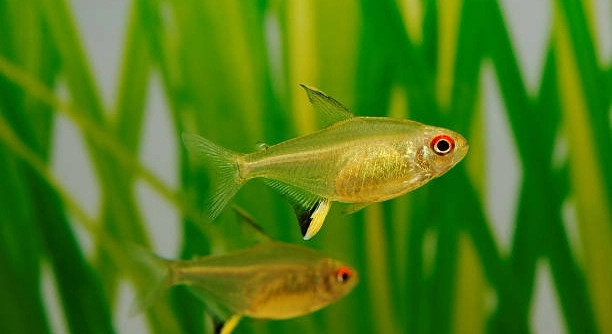
Are your lemon tetras showing signs of stress or unusual behavior? These small, vibrant fish can be sensitive to changes in their environment and social dynamics. Understanding when to isolate them is essential for their wellbeing.
Isolation is necessary in specific situations to prevent disease spread, reduce aggression, allow recovery from illness, and protect injured or stressed individuals. Recognizing these seven situations ensures lemon tetras maintain optimal health and thrive in a balanced aquarium environment.
Knowing when to separate your fish can save them from long-term health issues and maintain harmony in your tank. Careful observation is key to their happiness and safety.
Signs of Illness in Lemon Tetras
When a lemon tetra becomes sick, it often shows clear physical or behavioral changes. Look for faded colors, frayed fins, clamped fins, or white spots on the body. A fish that isolates itself, stops eating, or hovers near the bottom of the tank may be experiencing stress or illness. Early detection is crucial because small infections or internal issues can worsen rapidly in community tanks. Placing the affected tetra in a separate quarantine tank allows for observation and treatment without risking the health of other fish. Quarantine can also prevent the spread of parasites, bacteria, or fungi, which can easily infect healthy fish in close quarters. Maintaining water quality, proper temperature, and a balanced diet in isolation helps the fish recover faster. Using medications carefully, as recommended for freshwater species, supports healing and prevents complications. The process may feel stressful at first, but it significantly increases survival chances for the sick tetra.
Isolation ensures that the illness does not transfer to other tank inhabitants, keeping the main tank healthy.
Monitoring a lemon tetra closely while in isolation allows for targeted treatment, such as antibiotics or anti-parasitic care. With controlled feeding and clean water, recovery time can be reduced, helping the fish regain strength. Regular observation ensures that any worsening symptoms are addressed promptly, while interactions with other fish are minimized. This approach also reduces stress, which is a key factor in fish recovery. Over time, the isolated tetra can regain normal coloration, activity levels, and appetite. Proper quarantine practices benefit the entire aquarium by preventing outbreaks. Once fully recovered, gradual reintroduction allows the tetra to reintegrate without disturbing the social structure of the community tank. Isolation is not just a precaution; it is a vital part of responsible fishkeeping. Consistency and patience during this period are essential for achieving the best outcome for the lemon tetra.
Aggression Among Tank Mates
Aggression can occur when lemon tetras feel threatened or crowded.
Separating aggressive individuals prevents injuries and reduces stress within the tank. Aggression may manifest as chasing, nipping fins, or cornering other fish, which can quickly escalate if left unchecked. Isolation provides a safe environment for both the aggressive tetra and the others, maintaining peace in the main tank. Tank size, number of fish, and hiding spaces all influence behavior, so adjustments in the community tank may be necessary. By isolating a particularly aggressive tetra, you can monitor its behavior and determine if changes in diet, lighting, or tank setup reduce hostility. Once calmer, careful reintroduction can help reestablish a balanced dynamic. Additionally, observing interactions during isolation helps identify patterns, such as specific triggers that provoke aggression. Providing plenty of plants, decorations, and open swimming space also minimizes conflict. In some cases, persistent aggression may require permanent separation to ensure the safety and wellbeing of all fish. Isolation is a practical solution to manage these social conflicts effectively, protecting the harmony of your aquarium and supporting healthier interactions.
Stress from Water Quality
Poor water quality can quickly stress lemon tetras. High ammonia, nitrite, or nitrate levels, sudden temperature changes, or unbalanced pH can make fish sick or aggressive. Isolation can protect them while issues are corrected.
Isolating affected lemon tetras allows for a controlled environment with stable water parameters. A smaller tank makes it easier to monitor ammonia, nitrite, and nitrate levels while performing frequent water changes. Providing a heater or thermometer ensures consistent temperature. This controlled setup helps reduce stress and supports immune function. Clean water and proper filtration allow the tetra to regain strength faster than in a compromised main tank. Stress weakens their immune system, making them more susceptible to disease, so quick action is essential.
During isolation, you can focus on adjusting water chemistry gradually without affecting the rest of the community tank. Adding live plants or gentle aeration can help maintain oxygen levels and create a more natural environment. Monitoring behavior and appetite during this period also signals recovery progress. With patience and careful observation, the tetra can return to the main tank healthier and more resilient. Isolation is a preventative measure that helps maintain overall tank stability while protecting vulnerable fish from ongoing stressors.
Injury or Physical Trauma
Physical injuries require immediate attention to prevent infection or worsening conditions. Isolation reduces contact with other fish that could aggravate wounds.
Keeping an injured lemon tetra in a separate tank allows for focused care. Wounds can be treated with mild antiseptics or appropriate aquarium medications without affecting healthy fish. Isolation prevents pecking or chasing from tank mates, which can worsen injuries. Clean water and gentle flow reduce irritation, helping damaged fins, scales, or body areas heal faster. Removing sharp decorations or rough surfaces from the quarantine tank also minimizes the risk of further injury.
Observation during this period is essential to track healing progress. Feeding small, nutritious portions encourages recovery without stressing the fish. Changes in behavior, like lethargy or hiding, can indicate complications that require additional attention. Once the tetra shows signs of healing and normal activity, it can gradually return to the main tank. Isolation ensures that injuries do not lead to secondary infections or prolonged stress, promoting faster recovery and preserving the overall health of the community tank.
Parasite Infestations
Parasites can spread quickly in a community tank. Isolation helps stop transmission and allows focused treatment.
A separate tank lets you apply medications safely and monitor the lemon tetra’s response. Clean water and careful observation improve recovery chances and prevent reinfection.
Breeding and Spawning
During breeding, lemon tetras may become territorial or stressed. Isolation provides a controlled environment to protect eggs and fry. Proper care ensures higher survival rates for young fish without interference from other tank mates.
Recovery from Stress
After sudden changes like relocation or water parameter shifts, lemon tetras may need time alone. Isolation allows them to calm down, regain appetite, and recover energy safely before returning to the main tank.
How do I know if my lemon tetra needs isolation?
You can usually tell if a lemon tetra needs isolation by observing changes in behavior or appearance. Signs include loss of color, clamped fins, hiding constantly, erratic swimming, or refusing to eat. Physical injuries, white spots, or visible parasites are clear indicators. Stress from water conditions or aggression from other fish also suggests that separation is necessary. Isolation gives the fish a calm environment to recover without additional stress from the community tank.
How long should a lemon tetra stay in isolation?
The duration depends on the reason for isolation. For minor stress or adjustment, a few days may be enough. Illness or injury may require one to two weeks, sometimes longer if medication is involved. During this time, monitor water quality, temperature, and behavior closely. The fish should show improved appetite, coloration, and activity before reintroduction. Gradual reintroduction is important to prevent shock or renewed aggression.
Can I use the main tank for treatment instead of isolating my fish?
Treating fish in the main tank is possible but risky. Medications can affect healthy fish and disrupt the tank’s balance. Isolation allows targeted treatment without exposing other inhabitants to chemicals or disease. Quarantine ensures proper dosing, clean water, and controlled conditions for recovery, which significantly increases the chance of successful treatment.
What equipment do I need for isolation?
A separate tank or quarantine tank is ideal. Include a heater to maintain stable temperature, a small filter for gentle water flow, and hiding spots to reduce stress. Aeration can help maintain oxygen levels. Keep water clean and stable, and monitor ammonia, nitrite, and nitrate levels closely. Avoid strong currents or decorations that could worsen injuries or stress.
Should I feed isolated lemon tetras differently?
Feeding in isolation should focus on nutrition and digestibility. Offer small portions several times a day instead of one large meal. High-quality flake, pellet, or frozen foods are suitable. Avoid overfeeding, as uneaten food can pollute the water and stress the fish further. Monitor appetite and adjust portions as needed to support recovery.
How do I prevent aggression in my main tank?
Aggression often arises from overcrowding, lack of hiding spaces, or incompatible tank mates. Provide plenty of plants, decorations, and open swimming areas. Maintain proper stocking levels and observe fish interactions regularly. Isolating a consistently aggressive tetra prevents injuries and keeps the community tank peaceful while you evaluate solutions.
Can isolation prevent disease from spreading?
Yes, isolating sick or exposed fish is one of the most effective ways to prevent disease transmission. Quarantine stops parasites, bacteria, and fungal infections from reaching healthy tank mates. Early separation and treatment reduce stress and improve recovery rates, protecting both the affected fish and the overall tank ecosystem.
How do I safely reintroduce a lemon tetra after isolation?
Before reintroduction, ensure the fish is fully recovered, showing normal behavior, appetite, and coloration. Acclimate the fish slowly to the main tank’s water conditions to prevent shock. Observe interactions carefully for a few hours to ensure no aggression or stress occurs. Gradual reintroduction helps maintain harmony in the community tank.
Can stress alone harm lemon tetras?
Yes, stress weakens their immune system, making them more susceptible to disease, loss of color, and behavioral issues. Isolation provides a calm, controlled environment that reduces stress and supports recovery. Proper water quality, nutrition, and minimal disturbances are essential during this period.
Is it normal for lemon tetras to hide in isolation?
Hiding is a normal response to stress or new environments. Providing plants or small shelters in the quarantine tank helps them feel secure. Avoid excessive handling and maintain quiet conditions to allow the fish to adjust and regain confidence before returning to the main tank.
Lemon tetras are small, vibrant fish that bring life to any aquarium, but they are sensitive to changes in their environment and social dynamics. Isolation is an important tool to protect their health and wellbeing in certain situations. When a lemon tetra shows signs of illness, stress, or injury, separating it from the main tank gives it a calm space to recover. A quarantine or isolation tank allows for controlled conditions, clean water, and easier administration of medications or treatments. It also prevents the spread of disease or parasites to other fish, which is crucial in maintaining a healthy community tank. Observing the fish closely during this period helps detect any changes in behavior, appetite, or appearance, allowing timely adjustments to care routines.
Isolation is not only for illness or injury. Aggression from other tank mates, territorial disputes, or stress from overcrowding can also make separation necessary. In a smaller, isolated tank, lemon tetras can regain confidence and recover from trauma without constant harassment or chasing. Maintaining appropriate water conditions, temperature, and gentle flow is essential during this period to reduce stress further. Providing hiding spaces and small decorations can create a sense of security, which helps the fish settle and recover faster. Isolation also provides an opportunity to monitor their diet closely, ensuring they receive adequate nutrition and are not overfed, which could affect water quality and recovery. By isolating fish in these situations, owners can prevent injuries, reduce stress, and support faster healing.
Ultimately, using isolation as a care strategy is a responsible practice for anyone keeping lemon tetras. It allows for focused observation, proper treatment, and a controlled environment where recovery can take place efficiently. Reintroducing the fish gradually after recovery helps maintain harmony in the main tank and reduces the risk of relapse or renewed aggression. Paying attention to subtle changes in behavior, color, or energy levels is key to deciding when isolation is necessary. By prioritizing these practices, you can ensure your lemon tetras stay healthy, active, and vibrant. Isolation is not a sign of failure but a proactive step in maintaining a thriving aquarium and supporting the overall wellbeing of your fish. It is a simple, effective measure that can make a noticeable difference in their health and happiness.

Hello,
If you enjoy the content that we create, please consider saying a "Thank You!" by leaving a tip.
Every little bit helps us continue crafting quality advice that supports the health, happiness, and well-being of pets around the world, for pets of all shapes, sizes, and species.
We really appreciate the kindness and support that you show us!