
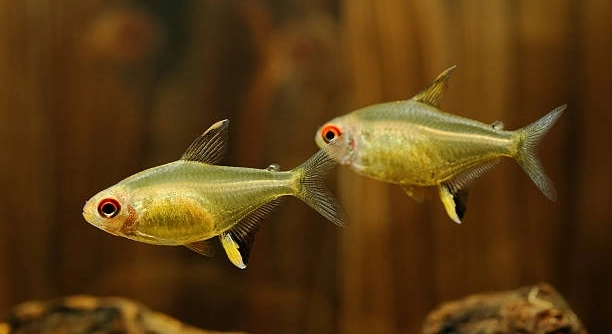
Lemon tetras are small, lively fish that brighten any aquarium. Sometimes they can get sick, especially with ich, a common parasitic infection. Caring for them carefully helps keep their colors bright and their movements active.
The safest way to treat lemon tetras for ich involves isolating the affected fish in a quarantine tank and administering a suitable anti-parasitic medication. Maintaining stable water temperature and quality during treatment improves recovery and reduces stress on the fish.
Proper treatment and care ensure your lemon tetras return to full health quickly and continue thriving in your aquarium environment.
Identifying Ich in Lemon Tetras
Ich appears as tiny white spots on your lemon tetra’s body and fins. You may also notice your fish rubbing against decorations or the tank glass. Their movements might become slower, and they could hide more often than usual. Early detection is important because the parasite spreads quickly in the aquarium. Observing behavior and appearance daily helps catch signs before the infection worsens. Keeping water conditions clean and stable can reduce stress, which lowers susceptibility to ich.
Recognizing ich early allows for faster treatment, reducing stress and potential fatalities in your aquarium.
Watching your lemon tetras carefully can make a big difference. Noticing even small changes in their fins, color, or swimming patterns helps you respond before the infection spreads further. A clean, well-maintained tank supports their immune system and speeds recovery once treatment begins.
Preparing a Quarantine Tank
A separate quarantine tank keeps infected fish away from others, stopping the spread of ich.
Set up the quarantine tank with stable temperature and proper filtration. Add hiding spots to reduce stress and make the fish feel secure. Use water from the main tank to avoid sudden changes in water chemistry, which can shock the fish. Monitor parameters daily, including temperature, pH, and ammonia levels. Introduce the lemon tetra slowly and avoid overcrowding the tank. Administer the anti-parasitic treatment as directed, following dosage instructions carefully. Observe the fish closely for changes in behavior or signs of stress. Regular water changes help keep the environment healthy and reduce the risk of secondary infections. Maintaining a calm environment supports faster recovery. Once the spots disappear and the fish behaves normally, gradually reintroduce it to the main aquarium, ensuring the health of other fish remains unaffected.
Medication Options for Treating Ich
Over-the-counter ich treatments are available in liquid, tablet, or powder form. Choose one suitable for tropical fish, following the instructions carefully. Avoid overmedicating, as this can harm lemon tetras and affect water quality.
Common medications contain formalin, malachite green, or copper compounds. Each works by targeting the free-swimming stage of the parasite, preventing it from attaching to the fish. Dosage depends on tank size, water temperature, and severity of the infection. Always remove activated carbon from filters before treatment, as it can absorb the medication. Regularly check water parameters and perform partial water changes if ammonia or nitrite levels rise. Keep observing your fish closely to ensure the treatment is working.
Some fish may react differently to medications. If irritation, excessive stress, or unusual behavior occurs, reduce dosage or consult a veterinarian. Consistency in following the treatment schedule is key. After treatment ends, continue monitoring water quality and behavior for at least a week to prevent recurrence.
Maintaining Water Quality During Treatment
Clean water is essential for healing and preventing further infections. Frequent water changes reduce stress and remove parasites from the tank.
Monitor water parameters daily, including temperature, pH, ammonia, nitrites, and nitrates. Keep the temperature stable, as sudden changes can weaken your fish’s immune system. Use a gentle filter to avoid disturbing the fish during recovery. Avoid adding new fish or decorations during treatment, as this can introduce additional stress or pathogens. Maintaining proper water chemistry supports the effectiveness of medication and promotes faster recovery.
Partial water changes of 20–25 percent every other day help maintain water quality without disrupting the treatment. Remove uneaten food promptly, as decaying matter increases ammonia levels and reduces oxygen in the tank. Ensure aeration is adequate, especially if using medications that reduce dissolved oxygen. Observing the fish daily allows early detection of stress or side effects. Keeping the quarantine tank calm, stable, and clean makes a significant difference in recovery time and prevents secondary infections from developing.
Feeding During Treatment
Feed lemon tetras lightly while they are being treated. Overfeeding can pollute the water and stress their system further.
Offer small portions of high-quality flakes or frozen food. Remove uneaten food promptly to maintain water quality and support their recovery.
Monitoring Recovery
Watch for fading white spots and improved swimming behavior. Recovery can take several days to two weeks depending on infection severity.
Continue monitoring water conditions and fish activity. Even after spots disappear, ensure the fish is eating well and swimming normally. Quarantine tanks help track recovery without exposing other fish to potential reinfection. Maintaining stable conditions supports a strong immune system and reduces relapse risk.
Preventing Future Outbreaks
Regular tank maintenance is crucial. Clean filters, perform partial water changes, and avoid sudden temperature fluctuations to reduce stress and prevent ich.
Stress Reduction Tips
Provide hiding places and stable lighting. Calm environments help lemon tetras regain strength and resist infections more effectively.
FAQ
How long does it take for lemon tetras to recover from ich?
Recovery usually takes 7 to 14 days depending on the severity of the infection and how quickly treatment begins. Mild cases may clear up in under a week, while more severe infestations need longer treatment and careful monitoring. Stable water conditions and proper medication speed up recovery.
Can ich return after treatment?
Yes, ich can return if spores remain in the tank or new infected fish are introduced. Maintaining clean water, quarantining new fish, and monitoring water parameters help prevent reinfection. Even after visible spots disappear, spores can survive in decorations and substrate.
Is it safe to use medication in a tank with plants?
Some medications, especially copper-based treatments, can harm live plants. Consider moving plants to a separate tank or using medications that are safe for planted aquariums. Always follow product instructions to prevent plant damage while treating the fish.
Do I need to remove other fish from the main tank?
Yes, isolating infected lemon tetras in a quarantine tank prevents ich from spreading. If separation is not possible, treat the entire tank while closely monitoring all fish. Early detection and separation reduce stress and the risk of severe outbreaks.
Can I treat ich without medication?
Raising the water temperature slightly can speed up the parasite’s life cycle, helping it become more vulnerable. However, medication is generally more effective and ensures the infection is eliminated. Temperature adjustments should be gradual to avoid stressing the fish.
How often should I change the water during treatment?
Partial water changes of 20–25 percent every other day help maintain water quality without interfering with medication. Removing uneaten food and debris reduces ammonia buildup, supporting recovery and preventing secondary infections.
What signs indicate the treatment is working?
White spots should gradually disappear, and fish will resume normal swimming and feeding behavior. Reduced rubbing against surfaces and calmer movements indicate improving health. Continued monitoring ensures that treatment is complete and prevents relapse.
Can stress make ich worse?
Yes, stressed lemon tetras are more susceptible to infections. Sudden temperature changes, overcrowding, and poor water quality weaken their immune system, making it easier for ich to take hold. Reducing stress supports faster recovery and lowers the chance of reinfection.
Is it necessary to clean the quarantine tank after treatment?
Yes, cleaning the tank, filter, and decorations removes any remaining spores. Use warm water and avoid chemicals that could harm future fish. Cleaning prevents reinfection when returning fish to the main tank.
Can lemon tetras survive ich without treatment?
In mild cases, some may survive, but untreated ich often leads to severe stress, secondary infections, or death. Early treatment greatly improves survival rates and reduces the suffering of the fish.
How do I prevent ich in the future?
Quarantine new fish, maintain stable water parameters, and perform regular tank maintenance. Healthy, stress-free fish are less likely to develop infections. Observing behavior and addressing changes quickly helps prevent serious outbreaks.
Are certain lemon tetras more prone to ich?
Younger or newly introduced fish are often more vulnerable due to weaker immune systems or stress from transport. Providing a stable environment and gradual acclimation reduces susceptibility.
Can ich affect other fish species in the tank?
Yes, ich can infect most tropical freshwater fish. Prompt isolation of infected lemon tetras and proper treatment prevent spreading to other species in the aquarium. Monitoring all fish regularly helps catch infections early.
Should I remove activated carbon from the filter during treatment?
Yes, activated carbon can absorb medication and reduce its effectiveness. Remove it until the treatment is complete, then replace it afterward to maintain water quality.
Can over-the-counter medications harm lemon tetras?
Yes, incorrect dosing can stress or harm fish. Always follow instructions for dosage and duration. Observing fish during treatment helps detect any adverse reactions early.
How do I know when it’s safe to return lemon tetras to the main tank?
Wait until all white spots are gone, the fish are swimming normally, and they are eating well. Ensure water quality in the main tank is stable before reintroduction to prevent reinfection.
Are there natural remedies for ich?
Some hobbyists use aquarium salt or herbal treatments, but their effectiveness varies. Medications specifically designed for ich are generally more reliable. Always monitor fish closely when trying alternative remedies.
Can ich survive in dry decorations or substrate?
Yes, ich spores can survive outside the fish for weeks. Clean or replace decorations and substrate when setting up a tank for treated fish to prevent reinfection.
How does temperature affect ich treatment?
Raising water temperature speeds up the parasite’s life cycle, making medications more effective. Increase temperature gradually and avoid overheating, as sudden changes can stress lemon tetras. Maintaining stability is key.
Is it okay to mix different medications during treatment?
Mixing medications can be risky and may harm fish. Stick to a single, recommended treatment unless advised by a veterinarian. Following instructions ensures safe and effective ich management.
Final Thoughts
Treating lemon tetras for ich requires careful attention and patience. The first step is always early detection. White spots on their body and fins are the most obvious signs, but behavior changes like rubbing against tank surfaces or hiding more often are just as important to notice. Acting quickly makes a significant difference in how easily the fish recover. Using a quarantine tank is essential to prevent the parasite from spreading to other fish in the main aquarium. Isolating the infected fish allows treatment to work more effectively and reduces stress for the rest of your tank’s inhabitants. While medications are generally safe when used correctly, following instructions for dosage and duration is critical. Overmedicating can cause more harm than good, while underdosing may allow the infection to persist. Observing water quality, temperature, and other parameters during treatment also supports the fish’s recovery and prevents additional complications.
Maintaining a clean, stable environment is just as important as administering medication. Lemon tetras are sensitive to changes in water conditions, so regular partial water changes, careful monitoring of ammonia, nitrite, and pH levels, and ensuring the temperature is steady all play a role in supporting the fish’s immune system. During treatment, feeding should be limited to small portions of high-quality food. Uneaten food should be removed promptly to avoid water contamination. Stress reduction techniques, like providing hiding spots and keeping lighting consistent, help the fish regain strength faster. Even after the visible signs of ich disappear, continued observation is important. Residual spores in the tank or on decorations can cause reinfection if not properly managed. Cleaning the quarantine tank and, if necessary, the main aquarium, helps minimize this risk and keeps the environment healthy for all fish.
Prevention is equally important to ensure lemon tetras remain healthy over the long term. Quarantining new fish before introducing them to the main tank, keeping up with regular maintenance, and avoiding sudden temperature fluctuations are effective strategies. Healthy, stress-free fish are less likely to develop infections, and monitoring their behavior daily allows for early intervention if problems arise. While ich is common and can be concerning, consistent care, stable water conditions, and careful observation make it manageable. Lemon tetras can return to full health with patience and attention. Keeping these small fish in a calm, clean environment ensures they continue to display their bright colors, active swimming, and lively behavior, making your aquarium a vibrant and enjoyable space.

Hello,
If you enjoy the content that we create, please consider saying a "Thank You!" by leaving a tip.
Every little bit helps us continue crafting quality advice that supports the health, happiness, and well-being of pets around the world, for pets of all shapes, sizes, and species.
We really appreciate the kindness and support that you show us!