
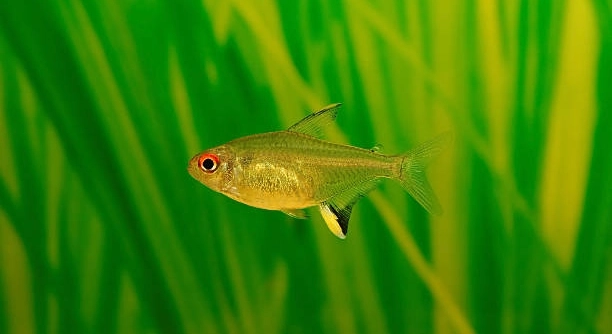
Keeping lemon tetra with shrimp can introduce subtle challenges that affect the harmony of your tank and create moments where daily care feels harder as you try to support both species in a shared space.
The primary challenges arise from differing activity levels and territorial behaviors, as lemon tetra may outcompete shrimp for food and disturb their habitat. These interactions increase stress, reduce feeding opportunities, and elevate predation risks, making the combination difficult to manage.
These details guide you in managing this pairing, helping you create smoother care routines and maintain a balanced tank environment.
Food Competition
Food competition becomes noticeable when lemon tetra and shrimp share the same feeding space, making it harder for shrimp to secure what they need. I try to keep things balanced, but the fast movements of the tetra often create moments where shrimp retreat. Their constant activity can leave slower shrimp with fewer chances to eat properly. Over time, this imbalance affects growth, overall health, and confidence in the tank. When the tetra take control of feeding periods, shrimp may hide more, reducing their natural behaviors and limiting how they interact with the environment. Keeping food accessible requires steady monitoring and thoughtful placement. I find that spreading small portions in several areas helps reduce pressure. This simple approach gives shrimp a better shot at grabbing their share without being pushed aside. Managing food this way supports calmer interactions and keeps daily care from feeling overwhelming. It makes feeding feel more manageable.
Shrimp rely on steady access to food, yet lemon tetra often rush to every feeding spot first. This creates uneven distribution and leaves shrimp with minimal leftovers. Providing scattered feeding areas helps reduce pressure, allowing shrimp to eat without constant interference from faster fish in the shared aquarium each day.
Keeping food balanced in a shared tank becomes easier when feeding strategies support both species. I focus on giving shrimp predictable access by placing small portions near safe spots where tetra rarely linger. This encourages shrimp to come out more confidently and maintain healthy routines. The more structure you create during feeding, the less stressful the process becomes. Lemon tetra still move quickly, but careful placement limits their reach long enough for shrimp to eat properly. Over time, this steady method improves tank harmony and keeps daily care simple, allowing both species to coexist with fewer challenges in your setup.
Stress From Activity Levels
Lemon tetra stay active throughout the day, creating movement that can overwhelm slower shrimp. This constant activity pushes shrimp to hide more often, reducing their natural routines. Creating quiet zones with plants or small shelters helps shrimp feel secure and reduces tension inside the tank during their daily care periods.
Activity levels play a significant role when keeping lemon tetra with shrimp, since the fast movements of the tetra can unsettle shrimp and disrupt their comfort in the tank. I try to watch how both species interact, and it becomes clear that constant motion affects shrimp far more than expected. When shrimp feel overwhelmed, they retreat into plants or corners, limiting how often they forage and explore. This reduced activity eventually influences their overall health, making it important to adjust the layout to support calmer behavior. Adding dense plants, moss patches, and shaded areas creates pockets where shrimp can pause without interruptions from passing fish. These small spaces act as steady anchors in a busy environment, giving shrimp room to relax while still participating in the tank. Lemon tetra will continue their usual pacing, but thoughtful planning helps keep their movement from dominating every section of the aquarium. I also find that maintaining consistent lighting and avoiding abrupt changes helps shrimp settle more easily. Each stable adjustment encourages them to move with more confidence, improving how they use the tank. Over time, structured spaces and predictable surroundings reduce stress and keep interactions manageable, allowing both species to live together peacefully.
Predation Risk
Lemon tetra may nip at small or newly molted shrimp, creating constant pressure inside the tank. I try to keep an eye on interactions, since shrimp become vulnerable during molts and quick movements from tetra can trigger unwanted attention that disrupts their daily routines.
Keeping shrimp safe during vulnerable moments requires steady monitoring and a layout that limits direct contact. I notice that providing dense plants, hiding spots, and shaded patches gives shrimp a better chance to recover after molts without attracting curious fish. Lemon tetra are not always aggressive, but their natural behavior can still create stressful moments. Making sure shrimp have access to secure areas helps them rebuild confidence. Over time, this improves survival rates and keeps their routines stable. Adding leaf litter, moss, and gentle shelters supports shrimp during their most fragile periods and reduces unnecessary tension between species in the tank.
Molting shrimp face their highest risk when lemon tetra are active nearby, since weakened shrimp have limited ability to flee. I try to adjust the tank structure so shrimp can slip into small spaces that tetra cannot reach. Maintaining steady water conditions also reduces molting frequency issues. Supporting them through these delicate phases keeps the tank more balanced and reduces long-term losses.
Water Parameter Sensitivity
Shrimp respond quickly to changes in water conditions, while lemon tetra tolerate shifts more easily. I try to keep the tank steady, but sudden fluctuations in hardness, pH, or temperature often affect shrimp first, making them hide more or slow down their regular routines inside the aquarium.
Managing conditions carefully becomes important when both species share a tank, since the different tolerances create uneven stress. I find that keeping the parameters stable helps shrimp maintain predictable behaviors without reacting to every small shift. Lemon tetra continue swimming actively, but shrimp show clearer signs when something feels off. Regular testing and soft adjustments keep conditions from swinging too far in one direction. Adding plants and maintaining consistent filtration also supports smoother control. Over time, these habits reduce stress and prevent sudden issues that might push shrimp into hiding or cause health problems. Balancing the tank this way keeps the environment steady for both species and makes care feel more manageable.
Territorial Pressure
Lemon tetra can unintentionally pressure shrimp by constantly moving through shared spaces, causing shrimp to retreat more often. I try to give shrimp clear areas where they can settle without being disturbed by fast swimming patterns or sudden movements from the fish during the day.
Creating defined zones helps reduce stress and keeps shrimp from feeling overwhelmed. I notice that adding plants, small caves, and moss patches helps shrimp develop predictable routines without interruptions. These protected sections make the tank feel calmer and prevent unnecessary tension between both species.
Breeding Interference
Breeding becomes more challenging when lemon tetra occupy the same tank, since shrimp eggs and newborns are highly vulnerable. I try to structure the environment with dense cover and small hiding places to give baby shrimp better chances of staying hidden. Lemon tetra may investigate every corner, so adding textured plants, leaf litter, and narrow shelters helps protect young shrimp. Stable water conditions and steady feeding routines also support healthier breeding cycles. Over time, these adjustments help shrimp maintain their numbers even when sharing space with active fish.
Limited Space Management
Small tanks make interactions between lemon tetra and shrimp feel more intense, since both species use overlapping areas. I try to keep the layout balanced, giving shrimp protected zones where they can move freely without constant interruptions from active fish.
FAQ
Can lemon tetra and shrimp live together peacefully?
They can share a tank, but it requires careful planning. I notice that their different behaviors create situations where shrimp feel pressured, especially during feeding or molting. Providing dense plants, hiding spots, and scattered food areas helps reduce conflicts and keeps both species more comfortable in the same environment.
Why do lemon tetra bother shrimp during feeding?
Lemon tetra move quickly and reach food first, leaving shrimp with fewer chances to eat. I try to place small portions in separate areas so shrimp can access food without being pushed aside. This simple change keeps feeding calm and allows shrimp to maintain healthier routines every day.
Are shrimp at risk during their molting stage?
Shrimp are sensitive during molts, and lemon tetra may become curious when they notice weakened shrimp. I use plants, moss, and narrow spaces to protect them during these fragile moments. Creating these safe zones helps shrimp recover without constant interruptions and reduces overall stress in the tank.
Do lemon tetra eat baby shrimp?
They may eat newborn shrimp if given the chance. I try to include plenty of fine-leaf plants and moss where the babies can hide. These small spaces help protect young shrimp from being noticed and allow them to grow safely without constant exposure to active fish nearby.
How can I reduce stress caused by tetra activity?
Lemon tetra stay in constant motion, which can overwhelm shrimp. I find that adding shaded areas, tall plants, and calm sections helps shrimp settle. These breaks in activity give them places where they can rest without dealing with fast movements passing by all day.
Are water parameters harder to manage with both species?
Shrimp react quickly to changes, while lemon tetra handle fluctuations more easily. I try to keep conditions steady with regular testing and consistent maintenance. Stable parameters make a noticeable difference in shrimp comfort and prevent sudden shifts that may cause hiding or slow behavior.
What tank size works best for keeping them together?
Larger tanks make their interactions easier to control. I notice that smaller tanks create more direct contact, which raises tension. Having extra space lets shrimp claim quiet spots and reduces the intensity of every encounter. It also helps me structure zones more effectively.
How do I protect baby shrimp in a mixed tank?
Baby shrimp need dense cover and safe hiding areas. I use moss, leaf litter, and fine plants to create textured spaces where newborns can stay out of sight. These layers help them grow securely while allowing the tetra to continue their natural activity without constant interference.
Do lemon tetra show territorial behavior toward shrimp?
They may not defend territory aggressively, but their constant movement creates pressure. I try to arrange the tank so shrimp have sections where tetra rarely pass. These calmer pockets help shrimp feel more at ease and support their normal eating, grazing, and moving patterns.
Can both species share the same diet?
Shrimp and lemon tetra can eat similar foods, but shrimp need steady access to small sinking items. I make sure to offer a mix that reaches the bottom quickly. This helps shrimp feed without competing directly with faster fish and keeps mealtimes more balanced.
What decorations help create balance in a shared tank?
I rely on plants, caves, driftwood, and moss to create layered zones. These structures break up the space and let shrimp settle into quieter areas. They also help limit the tetra’s reach into every corner. A well-structured setup reduces pressure and promotes healthier routines for both species.
Is it necessary to adjust the lighting for shrimp comfort?
Bright lighting can push shrimp into hiding more often. I try to keep the lighting moderate and pair it with shaded spots created by tall plants. This mix gives shrimp places to escape strong light while letting tetra continue their regular activity without major changes to their behavior.
How often should I monitor interactions?
I find it helpful to check on them regularly. Small issues can escalate if unnoticed, especially for shrimp. Watching their behavior helps me adjust feeding, layout, or parameters before problems grow. A little attention each day keeps the tank balanced and prevents unnecessary stress for both species.
Final Thoughts
Keeping lemon tetra with shrimp takes patience, steady adjustments, and a good understanding of how each species behaves in a shared tank. I find that success comes from paying attention to the small details that influence how they interact. Shrimp often respond to changes more quickly, especially when it comes to feeding, water conditions, and constant movement around them. Lemon tetra, with their active swimming patterns and curious nature, can unintentionally create pressure that shrimp feel throughout the day. This combination is not impossible, but it requires a layout that supports calm spaces and steady routines. Over time, small improvements in the tank make a noticeable difference in how comfortably both species settle. The more consistent you are with monitoring, rearranging sections, and managing their environment, the easier it becomes to keep things balanced and manageable without feeling overwhelmed.
I try to focus on creating zones that separate busy areas from calmer ones, since this helps shrimp avoid the stress caused by constant activity. Plants, moss patches, and shaded sections are tools that keep the tank from feeling too busy for them. Lemon tetra benefit from an open area to swim freely, while shrimp need structured spaces where they can graze, molt, and rest without constant interruptions. Feeding routines also play a major role in helping both species coexist, and scattering food in multiple spots keeps shrimp from competing directly with faster fish. Managing water parameters adds another layer of care, since shrimp react to shifts more noticeably. Keeping everything stable helps create predictable patterns that reduce stress and support healthier behavior. Each adjustment may seem small, but together they shape the environment in a way that supports calmer interactions between both species.
Over time, maintaining this kind of mixed tank becomes more natural. Once you understand what each species needs, you can prevent most issues before they start. I find that consistent attention keeps the tank from drifting into conditions that stress shrimp or make them hide more often. It also helps lemon tetra remain active without overwhelming the shrimp around them. The key is staying steady with your routines and making changes when you notice patterns shifting. As long as the environment stays stable and thoughtfully arranged, both species can share the same space with fewer challenges. Creating this balance takes effort, but the result is a tank that feels peaceful, structured, and manageable. With time, you begin to recognize what works best, and caring for both species becomes a simple, smoother part of your daily routine.

Hello,
If you enjoy the content that we create, please consider saying a "Thank You!" by leaving a tip.
Every little bit helps us continue crafting quality advice that supports the health, happiness, and well-being of pets around the world, for pets of all shapes, sizes, and species.
We really appreciate the kindness and support that you show us!