
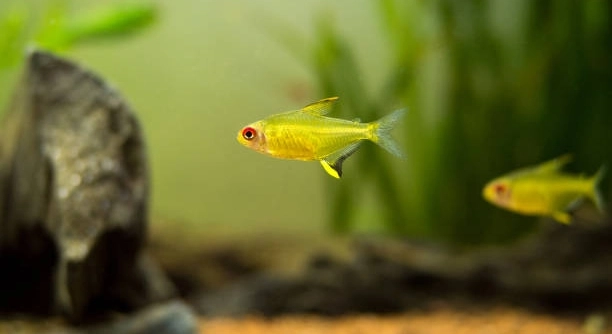
Do you ever find yourself arranging your aquarium and wondering if the bright Lemon Tetras will feel comfortable without any plants around? Many fish owners enjoy a minimalist setup but worry about their tiny swimmers’ well-being.
Lemon Tetras can survive in an aquarium without plants, but their overall health and natural behaviors may be affected. Plants provide shelter, reduce stress, and help maintain water quality, making them an important aspect of optimal care for this species.
Understanding the role of plants in a tank will help you make better decisions for your Lemon Tetras’ environment and daily care routines.
The Importance of Plants in a Lemon Tetra Tank
Plants provide more than just decoration in an aquarium. For Lemon Tetras, they offer hiding spaces that reduce stress and help fish feel secure. Without plants, these small fish may become shy or hide excessively, which can affect their eating habits. Plants also help maintain water quality by absorbing nitrates and other waste products, keeping the tank healthier. Some floating plants create shade and mimic a natural environment, giving the fish areas to rest and avoid bright light. Even artificial plants can help, but live plants bring added benefits such as oxygenation and natural filtration. Observing the fish among plants can also be rewarding, as their natural behaviors become more visible. A bare tank may make maintenance easier, but it does not provide the stimulation or comfort that Lemon Tetras naturally seek. Including even a few plants can make a noticeable difference in their overall well-being.
Plants are not optional for long-term health. They provide shelter and reduce stress for your Lemon Tetras.
Adding plants improves the tank environment. They offer shelter, reduce aggression, and encourage natural swimming patterns. Fish are more likely to explore and interact when there are hiding spots, creating a lively and active display. Different types of plants can suit different tank setups, from floating varieties to rooted ones that offer complex terrain. The balance of plants and open swimming space is key. Without plants, fish may swim nervously and exhibit less natural behavior. Live plants also help stabilize water chemistry, which reduces the need for constant monitoring. Artificial plants can mimic hiding spaces but won’t help with water quality. Including plants benefits both the fish and the aquarium’s ecosystem, creating a healthier environment for all inhabitants.
Adjusting a Tank Without Plants
A tank without plants can still be managed for Lemon Tetras if precautions are taken. Stress levels and water quality need careful attention.
In a plant-free setup, frequent water changes and proper filtration are essential. Providing décor like rocks, driftwood, or PVC tubes can give the fish hiding spaces. Lighting should be adjusted to avoid excessive brightness, which can cause stress. Observing fish behavior regularly helps detect early signs of discomfort or illness. Feeding should be consistent and varied to maintain their health. Even without plants, creating micro-habitats using safe decorations can replicate some benefits plants provide. Proper care and attention are required to keep Lemon Tetras thriving in a minimalist tank. While plants naturally support the ecosystem, these adjustments can help sustain a healthy environment for your fish, ensuring they remain active, social, and vibrant.
Tank Decorations as Alternatives
Rocks, driftwood, and small caves can provide hiding spots for Lemon Tetras in tanks without plants. These decorations reduce stress, create boundaries, and encourage natural swimming behavior. Proper placement ensures enough open swimming space while giving fish areas to feel secure.
Choosing decorations requires attention to material safety and size. Avoid sharp edges that could injure fish. Driftwood should be treated to prevent altering water chemistry excessively, and rocks need to be aquarium-safe to avoid leaching harmful minerals. Arranging items at different heights creates vertical spaces for exploration. PVC tubes or small ceramic caves can simulate plant cover and give shy fish places to retreat. Decorations also break up sightlines, helping reduce aggression in a group. Maintaining a balance between hiding spots and swimming space is essential. Too many objects can overcrowd the tank and make water changes more difficult.
Decorations alone cannot replace all benefits of live plants. While hiding spaces reduce stress and encourage activity, they do not improve water quality or oxygenation. Without plants, monitoring nitrate levels and water parameters becomes more critical. Regular cleaning and filtration must be maintained, and decorations should be periodically removed to clean underneath. Some artificial plants may be used alongside décor to provide additional cover. Observing the fish closely helps identify if they are using the spaces provided and remaining healthy. The goal is to create a secure environment that mimics natural conditions as much as possible while compensating for the absence of plants.
Feeding and Behavior Adjustments
In plant-free tanks, Lemon Tetras may behave differently, showing more hiding or nervous swimming. Adjusting feeding and observation routines helps them feel comfortable.
Feeding should be consistent and varied to support health and reduce stress. Small amounts multiple times a day prevent food waste and keep water clean. Floating or slow-sinking foods help fish feed comfortably in open areas without plants. Watching their behavior during feeding can indicate if they are stressed or shy. Adding hiding spots or rearranging decorations can improve confidence and encourage exploration. Social interaction with other tetras remains important, as they are schooling fish that thrive in groups. Adjusting the tank environment and feeding practices ensures that Lemon Tetras remain active, healthy, and display natural behaviors even without live plants.
Water Quality Management
Regular water changes are essential in plant-free tanks. Without plants to absorb nitrates, water can quickly accumulate waste. Monitoring parameters like ammonia, nitrite, and nitrate ensures a safe environment. Consistent cleaning prevents stress and illness in Lemon Tetras.
Filtration becomes more critical without plants. A reliable filter removes debris and supports beneficial bacteria. Choosing the right flow rate prevents water from becoming stagnant while avoiding excessive current that stresses small fish. Combining mechanical and biological filtration helps maintain clarity and chemical balance. Testing water weekly allows for early adjustments. Keeping the substrate clean and removing uneaten food reduces harmful buildup, supporting the health of Lemon Tetras in a plant-free environment.
Lighting Considerations
Moderate lighting helps reduce stress for Lemon Tetras. Bright lights can make fish nervous, especially in bare tanks. Using timers ensures consistent day-night cycles, mimicking natural conditions.
Stress Reduction Techniques
Providing shaded areas with decorations or floating objects helps calm Lemon Tetras. Limited bright exposure and secure hiding spots support relaxed behavior.
FAQ
Can Lemon Tetras survive long-term without plants?
Yes, Lemon Tetras can survive without plants, but it requires careful tank management. Plants provide shelter, reduce stress, and support water quality. Without them, regular water changes, proper filtration, and safe decorations become essential to maintain a healthy environment and prevent behavioral issues.
What types of decorations work best as alternatives to plants?
Rocks, driftwood, ceramic caves, and PVC tubes offer hiding spaces for Lemon Tetras. Smooth surfaces prevent injuries, and decorations should be arranged to leave open swimming space. Artificial plants can supplement décor but do not provide water filtration benefits. Balancing hiding spots with swimming areas is key.
How often should water changes be done in a plant-free tank?
Water changes should occur at least 20–30% weekly, or more if the tank is small or heavily stocked. Plants naturally absorb some waste, so in a plant-free tank, removing debris and managing nitrates manually is critical to prevent stress or illness in Lemon Tetras.
Do Lemon Tetras behave differently without plants?
Yes, fish may become more shy or stressed without plants. They might hide behind decorations or swim nervously. Providing multiple hiding spaces and reducing bright lighting helps them feel secure. Observing behavior closely allows early detection of stress and adjustment of the tank setup.
Can artificial plants replace real plants completely?
Artificial plants provide hiding spaces but cannot replace the benefits of live plants, such as oxygenation and nutrient absorption. They are useful for reducing stress and creating a visually appealing tank, but water quality must be carefully monitored.
How should feeding be adjusted in a plant-free tank?
Feed small amounts multiple times per day to prevent uneaten food from polluting the tank. A mix of flakes, micro-pellets, and occasional live or frozen foods supports health. Feeding in different tank areas encourages activity and reduces competition.
Are water parameters different for tanks without plants?
The water parameters themselves don’t change, but without plants to stabilize them, ammonia, nitrites, and nitrates can rise faster. Regular testing and partial water changes are essential. A reliable filtration system helps maintain chemical balance, reducing stress on Lemon Tetras.
How do I reduce stress in a bare tank?
Provide secure hiding spots, moderate lighting, and a stable environment. Decorations should be placed to create shaded areas and visual barriers. Keeping a consistent feeding and maintenance schedule also helps reduce anxiety. Observation is important to ensure fish are comfortable.
Can schooling behavior be affected without plants?
Yes, Lemon Tetras may school more tightly if they feel exposed in a bare tank. Providing decorations or shaded areas helps them disperse naturally, reducing tension. Social interaction is still vital, so keeping an appropriate group size ensures they display normal behaviors.
Is tank size more important without plants?
A larger tank gives Lemon Tetras more space to swim freely and reduces stress in the absence of plants. Open swimming areas combined with decorations for hiding create a balanced environment. Even in small tanks, careful placement of décor can help fish feel secure.
Do water temperature or pH need special adjustment?
Standard parameters for Lemon Tetras—temperature around 22–26°C and slightly acidic to neutral pH—remain the same. Without plants, maintaining consistency is more important because the tank lacks natural buffering. Sudden changes can stress fish and lead to health problems.
How often should decorations be cleaned?
Decorations should be cleaned periodically to remove algae and debris. This prevents bacterial buildup and keeps hiding spaces safe. Avoid harsh chemicals; warm water and gentle scrubbing are enough. Regular cleaning also allows you to rearrange items to keep the environment stimulating.
Will Lemon Tetras breed without plants?
Breeding is possible, but plants often provide surfaces for egg-laying and protection for fry. Without plants, spawning may require artificial spawning mops or fine mesh areas. Fry survival is lower without natural cover, so extra care is needed to protect them in a plant-free tank.
Can stress from no plants affect coloration?
Yes, stress can dull Lemon Tetra colors. Providing hiding spots, calm lighting, and stable water conditions helps maintain their vibrant yellow and silver hues. Observing their behavior and making adjustments early prevents prolonged stress that may impact appearance.
Are there any long-term health risks without plants?
Long-term health risks include chronic stress, susceptibility to disease, and abnormal behavior if the tank lacks adequate hiding spots or water quality control. Consistent care, monitoring, and providing alternative shelter can mitigate these risks and keep Lemon Tetras healthy in a plant-free setup.
Is it necessary to use floating objects in a bare tank?
Floating objects create shaded areas that mimic the cover plants provide. This reduces stress, encourages natural swimming patterns, and offers resting spots. Simple items like driftwood or floating décor can improve fish comfort without taking up floor space.
Do water changes affect behavior?
Yes, frequent water changes improve water quality, which reduces stress and promotes normal swimming and feeding behavior. Poor water conditions can lead to lethargy, hiding, or erratic movements, so maintaining cleanliness is essential in plant-free tanks.
Can Lemon Tetras adapt fully to a plant-free environment?
They can adapt with proper care, but live plants offer natural benefits that are hard to replace. With consistent monitoring, hiding spots, good water quality, and proper feeding, Lemon Tetras can remain healthy and display active, natural behavior even without plants.
Is tank maintenance more demanding without plants?
Yes, plant-free tanks require more frequent water testing, cleaning, and observation. Plants naturally filter water and provide stability. Without them, caretakers must be proactive to maintain water quality and prevent stress or illness in Lemon Tetras.
What is the best combination of decorations for comfort?
A mix of small caves, driftwood, rocks, and optional artificial plants works best. Arrange items to create shaded areas, visual barriers, and open swimming zones. This combination reduces stress, encourages schooling, and mimics a natural habitat as much as possible without live plants.
How do I monitor if my fish are stressed?
Look for hiding, clamped fins, pale colors, erratic swimming, or loss of appetite. Stress can indicate water quality issues, lack of cover, or tank setup problems. Adjust decorations, lighting, or feeding routines to help Lemon Tetras feel secure.
Can decorations replace the environmental enrichment plants provide?
Decorations offer some enrichment, like hiding spaces and exploration areas, but they cannot replicate filtration or oxygenation. They support natural behavior, reduce stress, and provide comfort, but water quality must be maintained through regular care and monitoring.
How important is schooling in a plant-free tank?
Schooling helps reduce stress and mimic natural behavior. Even without plants, keeping a proper group size encourages social interaction. Observing schooling patterns can indicate comfort levels and help identify environmental adjustments if fish appear unsettled.
Does tank shape affect plant-free setups?
Wider tanks allow more horizontal swimming space, which is important without vertical plant cover. A balanced layout of decorations and open areas ensures fish can swim naturally while still having hiding spots for security. Tank shape influences comfort and behavior.
Are there signs that the tank is too empty?
Signs include fish constantly darting, staying close to the walls, or showing signs of stress. Introducing more decorations, shaded areas, or floating items can improve comfort. Even minimal additions help mimic the protective features plants would provide.
Is it worth using moss or small floating plants in a mostly bare tank?
Yes, even small floating plants provide shade, hiding spaces, and minor filtration benefits. They help reduce stress and make the environment more natural without taking up much space or complicating maintenance.
Do Lemon Tetras need supervision more often in a bare tank?
Yes, close observation ensures water quality remains safe and behavior is normal. Without plants, signs of stress or illness may appear faster, so monitoring feeding, activity, and coloration is important for early intervention.
Can stress in plant-free tanks affect lifespan?
Chronic stress can shorten lifespan by weakening the immune system. Providing hiding spaces, stable water conditions, and proper nutrition helps maintain health, allowing Lemon Tetras to live their full lifespan even without live plants.
What is the easiest way to simulate a natural environment without plants?
Using a mix of driftwood, rocks, caves, and floating décor creates shaded areas and hiding spots. Proper water conditions, lighting, and feeding routines complete the setup, allowing Lemon Tetras to display natural behaviors comfortably.
Do water flow and current matter more without plants?
Yes, water flow should be gentle. Plants naturally slow currents and create shelter. In a bare tank, strong currents can stress Lemon Tetras. A well-positioned filter with moderate flow ensures comfort and proper circulation without overwhelming the fish.
Are there benefits to adding some live plants even in a mostly bare tank?
Adding a few live plants improves oxygenation, filtration, and provides hiding spots. Even minimal planting can make a significant difference in fish behavior and health, complementing decorations in a plant-free design.
Can Lemon Tetras be happy in a fully bare tank long-term?
They can survive with careful attention, but happiness is tied to security, water quality, and environmental enrichment. Using décor, proper feeding, and monitoring ensures comfort, activity, and social interaction, helping Lemon Tetras thrive despite the absence of plants.
Does the absence of plants affect aggression?
Yes, exposed fish may show more tension or minor aggression. Hiding spots and shaded areas reduce conflicts. Schooling behavior also helps minimize stress and maintain social harmony within the group.
How do I prevent algae buildup without plants?
Regular cleaning, controlled lighting, and avoiding overfeeding reduce algae growth. Artificial decorations should be cleaned periodically. Algae compete for resources and can degrade water quality if left unchecked.
Are there special considerations for winter or colder months?
Temperature stability is crucial, especially without plants to buffer fluctuations. Use a reliable heater and monitor water parameters closely. Sudden changes can stress Lemon Tetras more in bare tanks.
Do bare tanks require more monitoring for diseases?
Yes, without plants filtering water and providing micro-habitats, fish may be more prone to illness. Watch for fin rot, ich, or bacterial infections and maintain consistent water quality to prevent outbreaks.
Can Lemon Tetras recognize and use hiding spots without plants?
Yes, they will use caves, driftwood, and other décor to feel secure. Placement and variety matter, as fish need multiple areas for retreat and exploration to mimic natural behavior.
Do decorations influence feeding habits?
Yes, hiding spots encourage fish to feel safe and eat normally. Open areas alone may make shy fish hesitant. Strategically placed décor allows feeding in a way that reduces stress and ensures all fish get food.
Is lighting adjustment more important without plants?
Yes, bare tanks need moderate lighting. Plants naturally diffuse light; without them, bright exposure can stress fish. Using dimmers or timers helps maintain a natural day-night cycle and reduces anxiety.
How do I know if the tank is balanced without plants?
Indicators include active swimming, healthy coloration, normal feeding, minimal aggression, and stable water parameters. Regular observation, cleaning, and monitoring ensure Lemon Tetras remain comfortable and thriving even without plants.
Do seasonal water changes differ for plant-free tanks?
No, frequency is generally the same, but plant-free tanks benefit from more consistent maintenance to compensate for the absence of natural filtration and nutrient absorption.
Can I mix artificial and live plants for best results?
Yes, artificial plants provide hiding spots and structure, while a few live plants improve water quality and oxygenation. This combination balances convenience with natural benefits, helping Lemon Tetras thrive.
Are there behavioral signs of tank enrichment success?
Fish exploring decorations, schooling naturally, feeding confidently, and displaying bright colors indicate the environment is supportive. A plant-free tank with enrichment can still encourage normal behaviors.
Does the type of substrate matter more without plants?
Yes, fine gravel or sand allows hiding spots and easy cleaning. Substrate impacts water chemistry, and in a plant-free tank, proper choice helps maintain stable conditions.
How can I prevent boredom in a bare tank?
Rearranging décor periodically, adding tunnels, or small floating objects keeps the environment stimulating. Active fish are less stressed and display natural behaviors.
Are there risks of overcrowding without plants?
Yes, too many fish in a bare tank can increase stress and aggression. Adequate space, hiding spots, and monitoring group size are crucial to maintain harmony and health.
Can Lemon Tetras be kept with other species in a plant-free tank?
Yes, but compatibility and stress levels should be considered. Slow-moving, peaceful species work best. Proper décor and hiding areas help reduce tension and provide refuge.
Do bare tanks require more frequent gravel cleaning?
Yes, without plants to absorb waste, debris accumulates faster. Vacuuming gravel during water changes prevents nitrate buildup and supports fish health.
Is water hardness more of a concern without plants?
Plants can buffer minor fluctuations, so in bare tanks, maintaining stable pH and hardness is more important. Monitoring regularly prevents stress and keeps fish comfortable.
Can stress from no plants affect reproduction?
Yes, stressed fish may delay or avoid spawning. Providing hiding spots and calm conditions helps encourage natural reproductive behavior.
Are some Lemon Tetras more adaptable to plant-free tanks?
Individual temperament varies. Active, confident fish adapt more easily, while shy or timid individuals may require extra hiding spots and careful environmental adjustments.
Do bare tanks affect sleep patterns?
Yes, exposed fish may hide more at night. Providing shaded areas or floating objects allows Lemon Tetras to rest comfortably and maintain normal day-night cycles.
How can I reduce water surface glare in a bare tank?
Floating décor or partially covering the tank top diffuses light, reducing glare and stress for fish that lack natural plant cover.
Does tank maintenance time increase without plants?
Yes, more frequent water changes, cleaning, and observation are needed to compensate for the lack of natural filtration and shelter. Proper routine ensures fish remain healthy.
Can bare tanks affect social hierarchy?
Yes, without visual barriers from plants, dominant fish may stress weaker individuals. Hiding spots and décor help balance social interactions and reduce aggression.
Is it safe to use driftwood long-term without plants?
Yes, treated and aquarium-safe driftwood can remain indefinitely. It provides hiding spots and helps reduce stress. Monitoring water chemistry ensures it does not alter parameters excessively.
Are there long-term behavioral changes without plants?
Fish may become more cautious, schooling tightly or hiding more often. Proper décor and enrichment reduce stress, helping maintain natural behavior patterns.
Do tank covers affect plant-free setups differently?
Yes, covers help reduce evaporation and prevent fish from jumping, but in bare tanks, they also reduce exposure to external light changes, which can stress fish without plant shade.
Can I use caves and tunnels as the only hiding spots?
Yes, a combination of caves and tunnels can replace plant cover, but spacing and variety are key to prevent overcrowding and ensure comfort for all fish.
Are Lemon Tetras more prone to fin damage without plants?
Yes, fish may swim into tank walls or décor if stressed. Smooth decorations, proper spacing, and reduced currents help prevent injuries.
Does the absence of plants affect tank aesthetics?
Yes, bare tanks look simpler, but careful placement of décor, gravel color, and lighting can create a visually pleasing environment while meeting fish needs.
Can floating plants alone be sufficient for cover?
Yes, floating plants create shade and some protection. They do not replace root-level cover but reduce stress and provide partial shelter for Lemon Tetras.
How often should behavior be checked in a bare tank?
Daily observation is ideal. Monitoring swimming patterns, feeding, coloration, and social interactions helps identify stress or illness early. Adjustments can be made promptly to maintain comfort.
Are there signs that fish prefer decorations over empty spaces?
Yes, fish hiding, resting, or swimming around decorations more than open areas indicates preference. Providing more spots ensures they feel secure.
Do bare tanks require more careful lighting positioning?
Yes, without plants to diffuse light, tank lights should be positioned to prevent glare and avoid overly bright areas, which can stress fish.
Is adding moss or small plants worth it for minimal cover?
Yes, even small moss clumps provide shelter, reduce stress, and support water quality slightly, improving conditions in an otherwise bare tank.
Do Lemon Tetras interact differently with tank mates without plants?
Yes, exposed conditions may increase tension. Proper hiding spots, shaded areas, and appropriate group sizes help maintain social harmony and reduce stress.
Can bare tanks be suitable for breeding Lemon Tetras?
Yes, but artificial spawning mops or fine mesh areas are recommended. Fry survival is lower without plant cover, requiring extra protection and monitoring.
How does substrate depth affect plant-free tanks?
Deeper substrate allows more natural digging and hiding behavior but must be balanced with cleaning ability. Shallow substrates reduce debris buildup and simplify maintenance.
Are filter types more critical without plants?
Yes, biological filtration becomes essential to remove waste naturally. Canister or sponge filters help maintain water quality and reduce stress in a plant-free environment.
Do bare tanks require special water conditioners?
No special conditioners are required beyond standard dechlorinators, but consistent testing and maintenance are essential to replace the buffering and nutrient absorption plants provide.
Can decorations compensate for low light stress?
Yes, shaded areas and tunnels reduce direct light exposure, helping fish feel secure and minimizing stress caused by bright, unfiltered lighting.
Are certain tank shapes better without plants?
Wider tanks with horizontal swimming space are ideal. Vertical space matters less unless using tall decorations. Open space combined with hiding spots mimics natural habitat effectively.
Do Lemon Tetras school differently without plants?
They may stay closer together if exposed. Providing hiding spots and shaded areas helps them spread naturally and reduces tension in the group.
Can artificial plants reduce maintenance in a bare tank?
Yes, they provide cover without adding waste or affecting water chemistry. Cleaning is simpler than live plants, but water quality still requires regular monitoring.
Is water temperature consistency more critical without plants?
Yes, plants buffer minor temperature changes. In bare tanks, maintaining stable temperatures prevents stress and supports normal behavior.
Do Lemon Tetras need fewer or more hiding spots in a bare tank?
More hiding spots are needed to compensate for the lack of natural plant cover. Variety in size and placement ensures comfort for all fish.
Are algae growth patterns different without plants?
Yes, algae may grow on decorations or glass more noticeably. Regular cleaning, controlled lighting, and moderate feeding prevent overgrowth.
Do bare tanks require stronger filtration?
Yes, plants naturally filter water. Without them, mechanical and biological filtration must be sufficient to maintain clarity and chemical stability.
Can fish still display natural foraging behavior without plants?
Yes, providing varied food and scattering it encourages exploration. Hiding spots and substrate also support natural searching habits.
**Are plant-free tanks suitable for small groups of Lemon Tetras
Final Thoughts
Lemon Tetras are adaptable fish that can survive in a variety of tank setups, including those without plants. While live plants provide natural shelter, improve water quality, and create a more natural environment, they are not strictly required for the species’ survival. A bare tank can work if proper care is taken to maintain water quality, provide hiding spots through decorations, and monitor fish behavior regularly. Without plants, caretakers must be more attentive to their fish’s needs, ensuring that stress levels are minimized and the environment remains stable. Using rocks, driftwood, ceramic caves, or artificial plants can help provide the security and comfort that Lemon Tetras naturally seek. Even small changes, like adding floating décor to diffuse light or creating shaded areas, can make a noticeable difference in fish comfort.
Feeding routines and water maintenance play an even larger role in plant-free tanks. Since plants naturally absorb some waste, regular water changes are essential to keep nitrate and ammonia levels low. Filtration should be carefully managed to ensure proper circulation and biological filtration. Feeding smaller portions multiple times a day reduces uneaten food and keeps water cleaner. Observing how Lemon Tetras interact with each other and their environment can provide early signs of stress, illness, or discomfort. Shy or timid fish may require additional hiding spaces or rearrangement of decorations to feel safe. Even though the tank lacks live plants, a combination of proper care, strategic décor placement, and consistent maintenance can help the fish thrive, displaying natural behaviors and maintaining bright coloration.
Although a plant-free setup can be successful, it is important to understand the trade-offs. Live plants offer long-term benefits such as oxygenation, natural filtration, and more complex hiding areas that are difficult to fully replicate with artificial means. Without them, caretakers must compensate with regular monitoring, careful attention to water chemistry, and ensuring that the tank provides sufficient cover for all fish. Creating an environment that balances open swimming space with secure hiding spots is key to keeping Lemon Tetras healthy and active. With thoughtful planning, attention to detail, and consistent care, Lemon Tetras can live comfortably in a plant-free tank. Their adaptability, combined with proper environmental management, allows them to remain vibrant, active, and social even in simpler setups. While plants are ideal, their absence does not mean these fish cannot thrive when the tank is managed responsibly.

Hello,
If you enjoy the content that we create, please consider saying a "Thank You!" by leaving a tip.
Every little bit helps us continue crafting quality advice that supports the health, happiness, and well-being of pets around the world, for pets of all shapes, sizes, and species.
We really appreciate the kindness and support that you show us!