
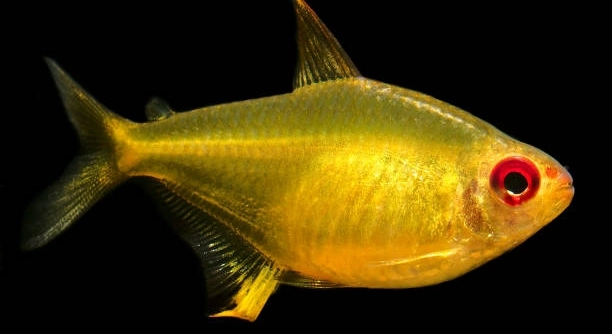
Are your lemon tetras suddenly refusing the food you usually provide? This behavior can be frustrating for any aquarist. Changes in appetite can indicate stress, water conditions, or diet issues that require careful attention.
Lemon tetras may stop eating due to water quality fluctuations, inappropriate food size or type, illness, stress from tankmates, sudden environmental changes, or insufficient acclimation. Addressing these factors systematically can restore normal feeding behavior and maintain fish health.
Understanding these common causes will help you manage their diet effectively. Implementing small adjustments can significantly improve your tetras’ eating habits and overall well-being.
Check Water Quality
Poor water quality is one of the main reasons lemon tetras refuse food. Ammonia, nitrite, and nitrate levels can rise quickly if the tank is overstocked or filtration is insufficient. Even minor fluctuations in pH, temperature, or hardness can stress your fish and make them stop eating. Regular testing of water parameters is essential. Perform partial water changes at least once a week and remove uneaten food promptly. Keeping the tank clean not only supports feeding but also prevents disease outbreaks. Observing your fish for unusual swimming patterns or gasping at the surface can indicate water issues that need immediate correction. Consistency in water quality helps your tetras feel secure, encouraging them to resume normal feeding behavior and maintain their vibrant color and activity levels. Monitoring and maintaining a stable environment is critical for their overall health and appetite.
Maintaining proper water conditions reduces stress, which is crucial to encourage lemon tetras to eat consistently and stay healthy.
Even small adjustments in temperature, pH, or ammonia levels can make a big difference. Lemon tetras thrive in slightly acidic, soft water with a stable temperature around 24–27°C. Using a reliable heater and thermometer helps maintain this balance. Consistent monitoring, combined with proper filtration, ensures harmful chemicals are removed. Introducing plants or gentle water movement can further reduce stress. Avoid overcrowding and keep compatible tankmates to prevent aggressive interactions. By creating a stable, clean environment, your tetras are more likely to eat regularly and show natural behaviors. Regular observation helps identify problems before they escalate, ensuring that your fish remain active and healthy, and that feeding becomes a predictable routine rather than a struggle.
Adjust Diet and Feeding Routine
Switching food type can encourage lemon tetras to eat.
Offering a mix of high-quality flakes, micro pellets, and occasional live or frozen foods can stimulate appetite. Feeding smaller portions more frequently may prevent leftover food from fouling water and help the fish adjust to new offerings. Observe which foods your tetras prefer and rotate options to keep meals appealing. Live foods like daphnia or brine shrimp often trigger interest, while frozen alternatives provide similar nutrition without the maintenance of live culture. Avoid overfeeding, as uneaten food can quickly degrade water quality. Gradual changes in diet, combined with proper portion control, help tetras resume regular feeding habits. Providing variety while monitoring their reactions ensures they receive balanced nutrition, supports their health, and makes mealtime more consistent. Establishing a predictable routine also reduces stress and encourages more confident feeding behavior over time.
Reduce Stress in the Tank
Minimizing stress is key to getting lemon tetras to eat. Avoid sudden changes in lighting, temperature, or water flow, and keep aggressive tankmates separated. A calm environment helps fish feel safe and encourages regular feeding habits.
Stress in lemon tetras can be caused by overcrowding, rapid water changes, or overly active tankmates. Excessive noise, vibrations, or bright lighting can also disturb them. Providing hiding spots, live plants, or gentle currents gives tetras a sense of security. Observing their behavior closely helps identify sources of stress. When stress is reduced, fish are more likely to accept food consistently. Consistency in feeding schedules, along with maintaining stable environmental conditions, supports overall health and strengthens natural routines. Over time, a calm environment promotes active swimming and vibrant coloration, making your tetras more responsive during feeding.
Introducing small adjustments to reduce stress is effective. Gradual changes in tank setup, controlled lighting, and separating dominant fish can make a significant difference. Even subtle improvements like floating plants or soft background noise can encourage timid tetras to explore food. Maintaining a peaceful environment ensures feeding becomes predictable and reduces the risk of illness linked to stress.
Ensure Proper Acclimation
Proper acclimation is essential when introducing new fish or moving tetras between tanks. Lemon tetras may refuse food if not fully settled.
Acclimation allows fish to adjust to differences in temperature, pH, and water chemistry. Sudden changes can shock their system, leading to appetite loss and stress. Floating the bag in the tank for 15–20 minutes, followed by gradual mixing of tank water, helps tetras adapt. Avoid rapid transfers or abrupt environmental changes. A well-acclimated fish is more likely to feed normally and exhibit healthy activity. Monitoring fish closely during this period ensures any signs of discomfort are addressed quickly.
Even minor adjustments during acclimation, such as slowly dimming lights or maintaining calm surroundings, can improve acceptance of new food. Gradual introduction of familiar foods during this period reassures the tetras. Consistent observation allows identification of any behavioral or health concerns early. Proper acclimation minimizes stress and supports strong feeding habits, ensuring your lemon tetras thrive in their new environment. Creating a stable transition period improves both appetite and long-term health.
Offer Live or Frozen Foods
Live and frozen foods often trigger feeding in lemon tetras. Items like daphnia, brine shrimp, or bloodworms provide movement and scent that dry food lacks, making them more appealing and stimulating natural hunting instincts.
Introducing these foods gradually helps prevent digestive issues. Start with small amounts and observe how the tetras respond. Rotating between live, frozen, and high-quality flakes ensures balanced nutrition while keeping meals interesting. Consistent observation during feeding helps gauge their appetite and adjust portions accordingly.
Maintain Consistent Feeding Schedule
A predictable feeding routine encourages lemon tetras to eat regularly. Feeding at the same times each day helps fish anticipate meals and reduces stress, making them more willing to accept food.
Check for Illness
Refusal to eat may indicate health problems such as parasites, bacterial infections, or fin rot. Early detection is crucial for treatment and recovery.
Avoid Overfeeding
Overfeeding can foul the water and deter lemon tetras from eating. Small, controlled portions help maintain water quality and encourage consistent feeding habits.
FAQ
Why are my lemon tetras refusing food after a water change?
Even minor water changes can stress lemon tetras if parameters fluctuate. Sudden differences in temperature, pH, or hardness can cause them to stop eating. Gradual changes and consistent water conditions help them adjust quickly. Observing behavior after a change can indicate if the stress is temporary.
Can lemon tetras eat the same food every day?
Feeding only one type of food can lead to disinterest and nutritional deficiencies. A varied diet including flakes, micro pellets, and occasional live or frozen foods keeps them healthy and encourages regular eating habits. Rotation prevents boredom and supports balanced nutrition.
How long can lemon tetras go without eating?
Healthy lemon tetras can survive up to three days without food, but extended fasting weakens them and increases susceptibility to illness. Prompt attention to appetite loss is necessary, and monitoring for stress or disease is essential. Small, frequent meals improve recovery.
What signs indicate illness in lemon tetras?
Loss of appetite, lethargy, clamped fins, faded color, unusual swimming patterns, or visible spots may indicate illness. Early detection is critical. Quarantine, water testing, and appropriate treatment can prevent spreading disease and restore appetite.
Does tank size affect feeding behavior?
Overcrowded tanks create competition and stress, leading to refusal of food. Adequate space, proper filtration, and compatible tankmates reduce stress and encourage regular feeding. Lemon tetras thrive in well-maintained, appropriately sized tanks.
Should I remove uneaten food immediately?
Yes, leftover food can decompose and pollute water, deterring feeding. Removing uneaten portions promptly maintains water quality and prevents bacteria growth, supporting consistent appetite and overall fish health.
Can lighting affect appetite?
Bright or sudden lighting changes can stress tetras and reduce feeding. Maintaining a stable light schedule with moderate intensity helps fish feel secure and more willing to eat. Gradual adjustments prevent shock.
Are live plants helpful for feeding behavior?
Live plants provide hiding spots and reduce stress, encouraging timid tetras to explore and eat. Floating plants or dense foliage simulate natural habitats, supporting confidence during feeding. Plants also help maintain water quality and improve overall tank stability.
How can I transition tetras to new food?
Introduce new foods gradually by mixing with familiar options. Start with small amounts and increase proportion over several days. Observation is key to ensure the fish accept the new diet without digestive issues. Patience ensures successful transitions.
What temperature is ideal for feeding lemon tetras?
Maintaining a stable temperature between 24–27°C is optimal. Sudden drops or spikes can stress fish and reduce appetite. Using a reliable heater and thermometer ensures consistent conditions, promoting regular feeding and healthy metabolism.
Can stress from tankmates affect eating?
Yes, aggressive or overly active fish can intimidate lemon tetras, leading to refusal of food. Keeping compatible species and providing hiding spots minimizes stress and encourages confident feeding behavior. Observation helps identify potential conflicts early.
Is it normal for some tetras to eat more than others?
Yes, variations in appetite are common. Dominant fish may eat first, while timid individuals eat later. Offering multiple feeding spots and small portions helps ensure all fish get adequate nutrition without increasing stress.
How often should I monitor feeding behavior?
Daily observation is ideal. Watching how your tetras respond to food helps detect early signs of illness, stress, or environmental issues. Prompt intervention maintains health and encourages consistent eating habits.
Can sudden changes in water chemistry cause refusal of food?
Yes, even small shifts in pH, hardness, or chemical levels can deter feeding. Testing water regularly and making gradual adjustments helps prevent appetite loss. Stable water chemistry is essential for maintaining natural behavior.
What is the best way to reintroduce appetite after illness?
Offer small portions of high-quality flakes or live/frozen foods once the fish shows signs of recovery. Maintain clean water, reduce stress, and monitor closely. Gradual feeding restores strength and supports long-term health without overloading their system.
Do lemon tetras prefer morning or evening feeding?
They tend to feed more actively during daylight hours but can adapt to a consistent schedule. Maintaining routine feeding times supports predictability, reduces stress, and encourages regular eating patterns.
Can using a feeding ring help?
Yes, feeding rings concentrate food in one area, making it easier for tetras to find and consume. This method reduces waste, prevents uneaten food from sinking, and encourages all fish to eat more consistently.
How do I know if my tetras are stressed?
Signs include hiding, clamped fins, erratic swimming, faded color, or refusal to eat. Stress can be caused by water changes, tankmates, or environmental changes. Addressing these factors restores appetite and overall well-being.
Is fasting ever beneficial?
Occasional one-day fasting can help clear the digestive system but should not be prolonged. Extended fasting increases stress and weakens immune function. Controlled fasting is sometimes used to manage overfeeding or digestive issues.
How important is water movement during feeding?
Gentle water movement helps distribute food but strong currents may deter timid tetras. Maintaining calm water during meals encourages fish to explore and eat without feeling threatened.
Final Thoughts
Lemon tetras are small, active fish that can be sensitive to changes in their environment. Their refusal to eat is often a sign that something in their tank or routine needs attention. Unlike some fish that can tolerate inconsistent conditions, lemon tetras respond quickly to stress, water quality issues, or sudden changes in diet. Paying close attention to their behavior, water parameters, and feeding patterns is essential. By observing them regularly, you can notice early signs of problems before they become serious. A clean, stable tank with consistent water conditions allows your tetras to feel secure, which encourages regular feeding and natural behavior. Even small adjustments, such as adding plants for hiding spots or maintaining gentle water flow, can significantly improve their comfort. Understanding their needs helps prevent stress-related issues and promotes a long, healthy life for your fish.
Feeding lemon tetras requires both patience and a structured approach. They benefit from a varied diet that includes high-quality flakes, micro pellets, and occasional live or frozen foods. Introducing new foods gradually ensures they accept the change without digestive problems. Offering smaller, more frequent portions reduces the risk of uneaten food fouling the tank and encourages consistent feeding habits. Overfeeding or sudden changes in diet can discourage eating and create stress, so monitoring portion sizes and observing their reactions is important. A predictable feeding schedule helps tetras anticipate meals and supports their overall health. In addition to diet, reducing stress through calm surroundings, compatible tankmates, and stable water parameters is critical. Healthy fish with minimal stress are more likely to eat reliably and display vibrant colors and active swimming.
Taking care of lemon tetras is about creating a balance between their environment, diet, and routine. Water quality, tank setup, feeding schedules, and stress management all interact to affect their appetite and overall health. When any of these factors are neglected, tetras may stop eating or show signs of distress. Consistency is key, whether it is maintaining temperature, pH, or ensuring their food meets nutritional needs. Regular observation allows you to identify and correct minor issues before they escalate. Over time, establishing these habits ensures your lemon tetras thrive and maintain their lively, social behavior. Paying attention to their comfort and health is the best way to support their appetite and well-being. With careful care, lemon tetras can remain healthy, active, and responsive, making them a rewarding addition to a freshwater aquarium.

Hello,
If you enjoy the content that we create, please consider saying a "Thank You!" by leaving a tip.
Every little bit helps us continue crafting quality advice that supports the health, happiness, and well-being of pets around the world, for pets of all shapes, sizes, and species.
We really appreciate the kindness and support that you show us!