Why Do Lemon Tetra Hide During the Day?
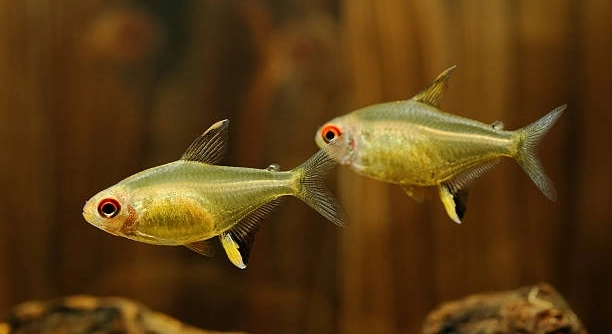
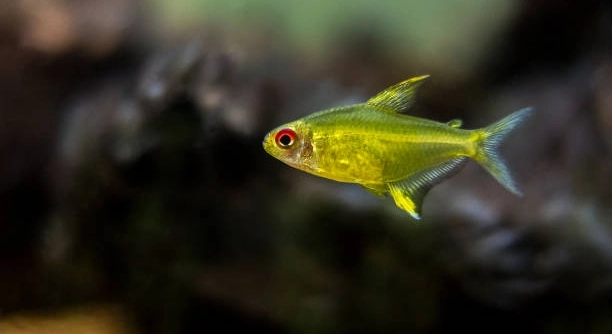
Lemon tetras are small, brightly colored fish that often attract attention in home aquariums. Despite their vivid appearance, they can be surprisingly shy and may spend much of the day hidden among plants and decorations. Lemon tetras hide during the day primarily as a natural behavior to reduce stress and avoid perceived threats. They seek … Read more
7 Ways to Make Feeding More Natural for Arowana

Feeding an arowana can be a rewarding part of keeping these majestic fish, but it often comes with challenges. Many owners struggle to provide meals that mimic their natural diet and behaviors. Careful planning can make feeding easier. Creating a natural feeding environment for arowanas involves offering live or fresh food, varying diet types, mimicking … Read more

7 Signs Your Lemon Tetra Are Too Hot

Are your lemon tetras showing unusual behavior or spending more time near the surface of the tank than usual? Small changes in their activity and appearance can signal that their environment is not ideal for their health. Lemon tetras experience stress and potential health risks when water temperatures exceed their preferred range. Signs such as … Read more

7 Reasons Lemon Tetra School Tighter Than Normal

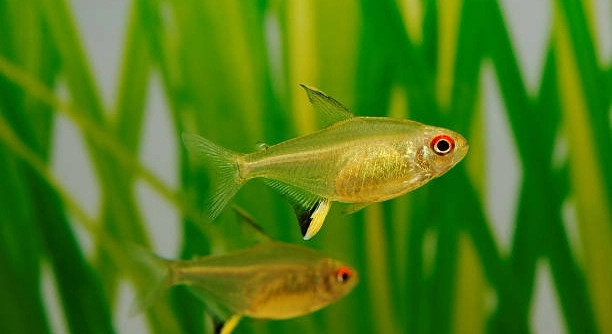
Lemon tetras are popular freshwater fish, admired for their bright yellow hue and active swimming patterns. Their schooling behavior can sometimes appear tighter than usual, prompting careful observation from aquarists and enthusiasts alike. A lemon tetra school may appear tighter than normal due to environmental factors, stress, or social dynamics. Variables such as tank size, … Read more

Why Are Lemon Tetra More Active in the Dark?

Lemon tetras are small, colorful freshwater fish that often brighten up aquariums. Observing their behavior can be fascinating, especially when they suddenly become more lively during nighttime or low-light conditions in the tank. Lemon tetras exhibit increased activity in the dark due to their natural diurnal rhythms and predator-avoidance behaviors. Reduced light levels encourage exploratory … Read more

7 Ways to Make Lemon Tetra Feel at Home Fast

Have you ever brought home lemon tetras and hoped they would settle quickly into their new space, creating a comfortable environment that supports their health while helping them adjust with ease in those first days. The fastest way to help lemon tetras feel at home is by maintaining stable water parameters, using gentle filtration, offering … Read more

Can Lemon Tetra Show Curiosity or Wonder?

Have you ever watched your lemon tetra glide through the water and found yourself noticing the small moments that make this tiny fish feel special in your aquarium as you observe its daily movements each day. Lemon tetras display basic exploratory behaviors influenced by environmental cues, yet these actions do not represent human-like curiosity or … Read more

Are Lemon Tetra Curious by Nature?

Lemon tetras are small, vibrant freshwater fish that bring color and life to home aquariums. Their shimmering yellow bodies and gentle movements make them popular among fish enthusiasts who enjoy observing their behavior. Lemon tetras display natural curiosity, often exploring their environment and interacting with tank mates. They are active swimmers and investigate new objects, … Read more

Can Lemon Tetra Change Color Temporarily?

Lemon tetras are small, bright fish that bring life to any aquarium. Their yellow bodies stand out beautifully, making them popular among hobbyists. Many fishkeepers enjoy observing their subtle movements and interactions in the tank. Lemon tetras can temporarily change color due to stress, lighting, or environmental factors. These changes are usually reversible and reflect … Read more

Can Arowana Be Conditioned With Light Cues?

Arowanas are elegant and fascinating fish often kept in home aquariums. Observing their behavior and daily routines can be both relaxing and educational for owners interested in understanding their aquatic pets better. Arowanas can be conditioned using light cues through consistent exposure and reinforcement. By associating specific lighting patterns with feeding times, they learn to … Read more