
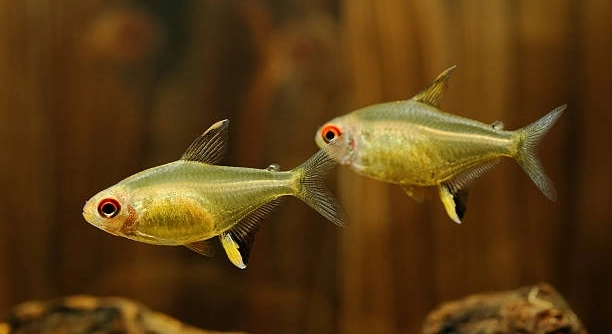
Are your lemon tetras showing unusual behavior or spending more time near the surface of the tank than usual? Small changes in their activity and appearance can signal that their environment is not ideal for their health.
Lemon tetras experience stress and potential health risks when water temperatures exceed their preferred range. Signs such as lethargy, rapid gill movement, faded coloration, or erratic swimming indicate the need for immediate adjustment of tank conditions.
Recognizing these signs early can prevent serious harm and help your fish thrive. Maintaining proper temperature is essential for their comfort and long-term well-being.
Rapid Gill Movement
Rapid gill movement is one of the earliest indicators that your lemon tetras are too hot. When water temperature rises above their comfort level, oxygen availability decreases, forcing fish to breathe faster. You may notice their gills opening and closing more frequently than usual. This can appear alarming, as the increased effort to breathe stresses their bodies. Over time, prolonged exposure to high temperatures can weaken their immune system, making them more susceptible to disease. Even slight fluctuations can trigger this behavior, especially in smaller tanks where heat builds up quickly. It is important to monitor the water regularly with a reliable thermometer. Adjusting the tank heater or adding a cooling method, like a fan or chilled water, can help stabilize conditions. Consistent observation ensures your tetras remain healthy and reduces the risk of long-term health problems caused by thermal stress.
Rapid gill movement signals that the tank temperature should be checked immediately to prevent further stress.
Monitoring gill activity daily is essential. Small changes in breathing patterns often precede other visible signs, such as lethargy or clamped fins. Acting quickly allows you to correct temperature issues before they escalate. Regular maintenance and careful observation can prevent stress from developing into illness, keeping your lemon tetras active and healthy. Proper tank management, including gradual adjustments and consistent water testing, ensures a stable environment. Even minor temperature spikes can disrupt their behavior, so vigilance is key. Using floating thermometers or digital monitors helps track fluctuations accurately. A combination of observation and measured adjustments maintains water quality, which supports the overall health and lifespan of your fish. Consistency in monitoring and care reduces stress-related behaviors and promotes natural activity patterns, making your tetras thrive in a stable, comfortable environment.
Faded Coloration
Faded coloration is often a clear sign of thermal stress in lemon tetras. High water temperatures can cause their vibrant yellow hues to dull, leaving them looking pale or washed out. Color changes occur because heat affects their metabolism and reduces energy available for maintaining pigmentation. Stress hormones released during prolonged exposure to elevated temperatures can further contribute to color loss. Observing your fish closely allows you to notice gradual fading before it becomes severe. Subtle changes, such as less intense stripes or lighter body shades, should prompt immediate attention. Adjusting the tank temperature to within the recommended range of 72–78°F helps restore natural coloration. In addition to cooling the tank, ensure proper aeration and avoid sudden water changes, which can add further stress. Maintaining consistent temperature and quality water conditions will help your lemon tetras regain their bright and healthy appearance.
Faded colors indicate stress from heat and may reflect other underlying health issues.
Color loss can affect social behavior, making tetras less active or less interactive with tank mates. Pale fish are more vulnerable to disease because stress weakens their immune response. High water temperatures reduce oxygen levels and disrupt feeding habits, further impacting pigmentation. Keeping the tank within the optimal range, avoiding sudden fluctuations, and providing shaded areas can help restore vibrant colors. Nutrition also plays a role, so ensure a balanced diet with color-enhancing flakes or frozen foods. Observing your tetras daily allows early detection and intervention, preventing long-term effects. Restoring proper temperature and stable conditions gradually brings back natural coloration while supporting overall health. Combining consistent care, quality nutrition, and environmental management ensures your lemon tetras remain visually vibrant and behaviorally active, reflecting their well-being accurately.
Lethargy
Lethargy is a common response when lemon tetras are exposed to excessive heat. They may remain near the bottom of the tank or move very little, conserving energy due to stress and reduced oxygen levels in warmer water.
High temperatures slow metabolism and make tetras less active. Lethargic fish often ignore food and show minimal interaction with tank mates. Prolonged inactivity can weaken their immune system, increasing vulnerability to illness. Consistent observation of activity patterns is essential. Gradually lowering water temperature and improving aeration can restore normal movement. Avoid sudden changes, as these can add further stress. Proper tank maintenance, combined with stable conditions, helps tetras regain energy and stay healthy.
Lethargy can lead to more serious health issues if not addressed promptly. Persistent inactivity may indicate both thermal stress and underlying environmental problems. Maintaining optimal water temperature ensures your tetras remain lively and reduces the risk of secondary infections. Observing subtle behavior changes early allows for effective intervention. Oxygen levels, tank size, and water quality also influence activity levels. Providing hiding spots and proper nutrition supports recovery. Consistent monitoring and care can prevent long-term lethargy, ensuring your fish remain active and healthy.
Erratic Swimming
Erratic swimming is often caused by thermal stress, with fish darting around the tank or bumping into decorations. Rapid movements reflect discomfort and attempts to find cooler areas.
This behavior indicates stress from high temperatures, which affects balance and coordination. Lemon tetras may swim in circles, tremble, or collide with tank objects. Stress hormones released under heat impact nervous system function, increasing unsteady movement. Correcting tank temperature gradually helps normalize swimming patterns. Aeration and water circulation improve oxygen levels, further reducing erratic behavior. Ignoring this can lead to injury or disease, so careful observation and timely adjustments are necessary to restore calm and consistent movement.
Erratic swimming can disturb tank dynamics and affect other fish. Overcrowded or small tanks amplify stress, worsening unsteady behavior. Monitoring temperature, oxygen, and water quality reduces risks. Adjusting environmental conditions gradually allows tetras to regain natural movement without added stress. Proper maintenance, including stable temperature and filtered circulation, promotes a calm environment. Tracking patterns daily helps detect early warning signs before injuries or health decline occur. By responding promptly, fish can return to regular swimming, improving their well-being and overall tank harmony.
Clamped Fins
Clamped fins occur when lemon tetras hold their fins close to their bodies, signaling stress from high temperatures. This behavior reduces energy expenditure but also indicates discomfort and potential health risks.
Persistent clamping can lead to weakened muscles and vulnerability to disease. Proper temperature regulation and stable water conditions help fins return to normal.
Loss of Appetite
When water is too warm, lemon tetras often eat less or stop feeding entirely. Heat disrupts metabolism, making them less interested in food. Stress from elevated temperatures also impacts digestion, reducing nutrient absorption and overall health. Observing feeding behavior daily helps identify early temperature-related issues, allowing timely intervention to prevent malnutrition.
Hiding More Than Usual
Excessive hiding is a response to heat stress. Lemon tetras may spend long periods behind plants or decorations, avoiding open water. This behavior signals discomfort and can indicate that tank conditions are above their preferred temperature range.
How can I quickly check if my lemon tetras are too hot?
Observing their behavior is the fastest way to identify heat stress. Look for rapid gill movement, faded coloration, erratic swimming, clamped fins, or lethargy. Spending more time near the surface or hiding frequently also signals temperature issues. Using a reliable aquarium thermometer gives an accurate reading of water conditions.
What is the ideal temperature range for lemon tetras?
Lemon tetras thrive in water temperatures between 72°F and 78°F. Maintaining this range ensures their metabolism, immune system, and behavior remain healthy. Temperatures consistently above this range can cause stress, increase susceptibility to disease, and impact feeding and coloration. Monitoring water daily helps prevent prolonged exposure to heat.
How should I lower the temperature if my tank is too hot?
Gradual adjustments are crucial to avoid shocking the fish. You can turn down the heater slightly, add cooler water in small amounts, or use a fan to increase surface evaporation. Avoid sudden temperature drops, which can worsen stress and lead to illness. Consistent monitoring ensures a steady return to safe conditions.
Why are my lemon tetras hiding more than usual?
Excessive hiding is a natural stress response. Heat makes them feel unsafe, and they seek shaded or concealed areas to reduce exposure. Persistent hiding may indicate prolonged exposure to higher temperatures. Improving water circulation, adding gentle aeration, and restoring ideal temperature conditions encourages them to resume normal activity.
Can high temperatures affect their feeding habits?
Yes, elevated temperatures often cause a loss of appetite. Heat slows metabolism, making fish less interested in food. Stress hormones also impact digestion, which reduces nutrient absorption. Offering smaller, frequent meals and ensuring water temperature is stable helps restore feeding behavior gradually without adding further stress.
Will faded colors return once the water cools?
Yes, natural coloration often returns once temperature is stabilized. Heat stress causes temporary loss of pigmentation, but restoring optimal water conditions and maintaining a balanced diet allows colors to brighten over time. Persistent stress or illness can prolong fading, so prompt action is essential.
How long can lemon tetras tolerate slightly high temperatures?
Short periods of mild temperature increases may not cause lasting damage, but prolonged exposure above 78°F increases stress and health risks. Continuous monitoring is essential, as even minor fluctuations over time can affect behavior, immunity, and lifespan. Maintaining a consistent environment is the safest approach.
What preventive measures can I take to avoid overheating?
Regularly monitor water temperature with a thermometer. Ensure your tank has proper aeration and water circulation. Avoid placing the aquarium in direct sunlight or near heat sources. Performing routine maintenance and gradual water changes helps maintain a stable environment, reducing the risk of heat stress and keeping your lemon tetras healthy.
Can multiple signs appear at the same time?
Yes, lemon tetras often show several signs simultaneously. Rapid gill movement, faded colors, clamped fins, and lethargy can all occur when water is too hot. Observing multiple indicators allows you to act quickly to adjust temperature and restore normal conditions, preventing more serious health problems.
Is it safe to mix lemon tetras with other species in warm water?
It depends on the temperature tolerance of other species. Some fish can handle higher temperatures, while others may experience stress. Ensuring all tank inhabitants thrive within the same temperature range is essential. Avoid overcrowding and monitor behavior closely to prevent conflict or stress-related illness.
How often should I check the temperature in my tank?
Daily monitoring is ideal, especially during hot weather or if using heaters. Consistent checks help detect minor fluctuations before they escalate into stress. Thermometers placed in multiple areas of the tank provide a more accurate reading, ensuring all parts of the aquarium remain within the safe range for lemon tetras.
What are the long-term effects of repeated heat stress?
Repeated exposure to high temperatures weakens the immune system, reduces lifespan, and increases susceptibility to disease. Chronic stress can also affect growth, reproduction, and behavior. Maintaining stable, optimal water conditions minimizes these risks, ensuring lemon tetras remain healthy and active over time.
Can diet help fish recover from heat stress?
A nutritious, balanced diet supports recovery by providing essential vitamins and energy. High-quality flakes, frozen foods, and occasional live food can improve resilience. Avoid overfeeding, as excess waste can degrade water quality, worsening stress. Proper nutrition combined with stable temperature accelerates healing and restores normal behavior.
Should I quarantine affected fish?
Quarantine is not usually necessary for mild heat stress if the tank conditions are corrected. However, if signs of illness appear, isolating affected fish can prevent the spread of disease. Observing behavior and health closely during recovery ensures that your lemon tetras regain strength safely.
How long does it take for fish to recover after cooling the tank?
Recovery time varies depending on stress severity and overall health. Minor stress can improve within a few hours to days, while more severe cases may take longer. Gradual, consistent care, stable temperatures, and proper nutrition are key factors in ensuring full recovery.
Maintaining the proper temperature for lemon tetras is essential for their overall health and well-being. High water temperatures can cause a range of problems, including stress, weakened immunity, and changes in behavior. Observing your fish regularly is important because small signs, such as clamped fins, faded coloration, or erratic swimming, often appear before serious health issues develop. Consistent monitoring of tank temperature using a reliable thermometer allows you to detect even minor fluctuations, preventing prolonged exposure to heat. Gradual adjustments to water temperature are always better than sudden changes, as abrupt shifts can add additional stress to your fish. Stable and consistent conditions support normal metabolic function, proper feeding, and overall vitality, helping your lemon tetras stay active and healthy.
Correcting high temperatures involves more than just lowering the water. Providing proper aeration and circulation ensures oxygen levels remain sufficient, especially when water is warmer than ideal. Fish may breathe faster and expend more energy when oxygen is limited, which can increase stress and lead to other health issues. Adding a small fan to increase surface evaporation, performing partial water changes with slightly cooler water, or adjusting the heater can gradually bring the temperature back to the safe range. Tank placement also matters; keeping aquariums away from direct sunlight or heat sources can prevent unnecessary temperature spikes. Creating a stable environment reduces stress, encourages natural behavior, and allows your tetras to maintain normal coloration, feeding patterns, and swimming activity.
Long-term care for lemon tetras involves consistent attention to tank conditions, feeding, and observation. Providing a balanced diet with high-quality flakes, frozen foods, or occasional live food supports energy levels and helps fish recover from periods of stress. Watching for multiple signs of heat stress, such as hiding, lethargy, or rapid gill movement, ensures timely intervention. Even minor fluctuations in temperature, if repeated frequently, can affect overall health, so preventing these situations is critical. By maintaining the proper temperature, ensuring clean and well-oxygenated water, and observing behavior daily, you create an environment in which your lemon tetras can thrive. Careful attention to these factors ensures they remain vibrant, active, and healthy for the long term, reducing the risk of illness and stress-related complications.

Hello,
If you enjoy the content that we create, please consider saying a "Thank You!" by leaving a tip.
Every little bit helps us continue crafting quality advice that supports the health, happiness, and well-being of pets around the world, for pets of all shapes, sizes, and species.
We really appreciate the kindness and support that you show us!