
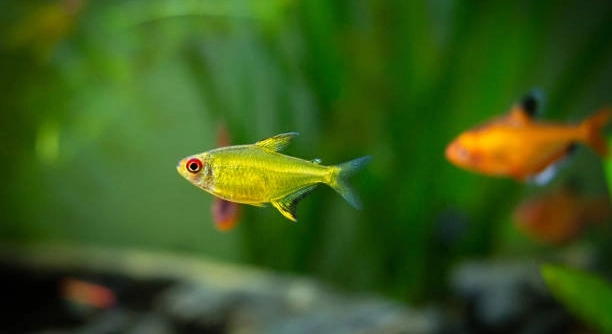
Lemon tetras are small, colorful freshwater fish that often brighten up aquariums. Observing their behavior can be fascinating, especially when they suddenly become more lively during nighttime or low-light conditions in the tank.
Lemon tetras exhibit increased activity in the dark due to their natural diurnal rhythms and predator-avoidance behaviors. Reduced light levels encourage exploratory swimming and social interactions, aligning with their evolutionary adaptations to low-light environments in the wild.
Knowing why these fish are more active at night can help improve tank setup and care for a healthier, happier aquarium environment.
Natural Behavior Patterns
Lemon tetras are naturally more active during periods of lower light. In the wild, these fish inhabit slow-moving streams and shaded areas where sunlight is filtered through plants. This environment encourages movement during dim conditions and rest during bright daylight. Observing them in aquariums, you will notice that they often school together when the lights are dimmed, swimming quickly from one end of the tank to the other. Their behavior includes darting between plants, exploring corners, and interacting with other tetras. This is normal and healthy behavior. Providing hiding spots and plants in the aquarium helps them feel secure, further encouraging active movement. Over time, aquarists can see patterns emerge, with increased motion as evening approaches or when room lights are reduced. These activity bursts are not random; they reflect instincts and natural daily rhythms. Mimicking their natural environment supports mental stimulation and reduces stress, allowing them to maintain vibrant colors and proper health over time.
Their activity is linked to instinctual rhythms and environmental comfort, reflecting normal and healthy behavior patterns in aquariums.
Creating a tank environment that resembles shaded streams, with plants and hiding areas, allows lemon tetras to feel safe while remaining active. Observing their bursts of energy during low light shows that they are engaging with their surroundings, exploring, and interacting naturally. By respecting these rhythms, caretakers can support both physical health and social behaviors within the school, making the aquarium more dynamic and visually appealing.
Feeding and Activity
Feeding schedules influence lemon tetras’ activity levels, often more noticeable during low-light periods.
Regularly timed feeding encourages predictable movement patterns and interaction within the tank. When food is introduced, these fish swim actively, darting around in small schools and competing lightly for portions. Feeding during evening or dim light hours can increase their visible activity, as they rely on heightened senses other than vision to locate food. Overfeeding can lead to sluggish behavior, while underfeeding may cause aggression or excessive searching. Observing how they respond to food helps gauge overall health and can guide adjustments in diet and schedule. Incorporating varied foods, such as flakes, small pellets, and occasional live options, also stimulates natural hunting instincts. This not only promotes movement but keeps them mentally engaged. Adjusting feeding habits to align with their active periods can enhance their well-being and create a more lively aquarium environment. Timing, quantity, and variety all play a role in encouraging natural activity patterns.
Tank Lighting and Activity
Lemon tetras respond strongly to changes in tank lighting. Dim or indirect light encourages exploration, while bright light may cause them to hide or remain still. Adjusting light levels gradually helps maintain consistent activity without stress.
Gradual lighting changes mimic natural conditions and prevent sudden stress responses. Lemon tetras are sensitive to abrupt light shifts, which can trigger hiding or erratic swimming. Using a dimmable light or providing shaded areas with plants allows them to control their exposure. Observing their behavior under different lighting conditions reveals preferred patterns, helping you design an environment that encourages natural activity. Plants, floating decorations, and soft lighting can recreate the gentle shading of streams where these fish originate, promoting comfort and consistent movement.
Monitoring tank lighting helps identify activity peaks and rest periods. Lemon tetras often become lively during low-light phases, swimming in schools and exploring all corners. Adjusting the light schedule to align with their natural rhythm enhances their health, encourages feeding, and supports social interactions. A properly lit aquarium ensures they are active without feeling threatened, helping maintain bright colors and energy levels. Observing these patterns over time also provides insight into their preferences, allowing adjustments to habitat that balance visibility and comfort.
Water Conditions and Comfort
Stable water conditions are essential for consistent activity. Sudden changes in temperature, pH, or hardness can reduce movement and cause stress.
Lemon tetras thrive in slightly acidic to neutral water, with temperatures around 75-80°F. Maintaining stable parameters prevents stress-induced inactivity and supports normal behavior. Regular monitoring and gradual adjustments help them adapt without disruption. Fish often show increased movement in comfortable water, darting among plants and interacting within schools. Filtration, aeration, and occasional water changes contribute to overall stability, which encourages healthy activity levels.
Proper water management creates a safe and comfortable environment. When the water is clean, clear, and within their preferred temperature and pH range, lemon tetras are more likely to exhibit natural behaviors. Stress from fluctuating conditions can lead to hiding, sluggish swimming, or reduced feeding. By keeping conditions consistent and close to their natural habitat, the fish remain active, social, and visually vibrant. Observing their interactions under stable water conditions also allows you to notice subtle changes in health or mood, making proactive care easier.
Social Behavior and Schooling
Lemon tetras are schooling fish that feel safer and more confident in groups. Their activity increases when swimming together, especially during low-light periods when they rely on each other for security.
Smaller schools may cause hesitation or hiding, while larger groups encourage coordinated movement. Observing them together helps maintain social bonds and reduces stress.
Tank Decorations and Hiding Spots
Plants, rocks, and driftwood give lemon tetras places to explore and hide. These elements create a sense of security, promoting active swimming during quieter periods in the aquarium.
Nighttime Activity Patterns
Lemon tetras show natural bursts of energy at night or in dim light. They swim actively, interact with the school, and explore hiding areas. This behavior aligns with instincts to avoid predators and search for food in shaded environments.
Feeding Response
These fish become more active around feeding time, especially when food is introduced during low-light conditions. They dart and explore, showing alertness and natural foraging behaviors.
FAQ
Why are lemon tetras more active at night?
Lemon tetras are naturally more active during low-light periods because of their diurnal rhythms and instincts to avoid predators. In dim conditions, they feel safer to swim freely, explore, and interact with other fish in the school. Nighttime activity is a reflection of their natural behavior in shaded streams and slow-moving waters. Creating a tank environment that mimics these conditions helps them stay healthy and reduces stress.
How can I encourage activity in my lemon tetras during the day?
You can encourage daytime activity by gradually dimming the tank lights or providing floating plants and shaded areas. These adjustments make the tank feel more natural and comfortable, allowing lemon tetras to explore without feeling threatened. Feeding during these low-light periods also encourages movement, as they rely on instinct rather than bright light to find food. Keeping water conditions stable and providing enough space for swimming further supports active daytime behavior.
Do all lemon tetras behave the same in low light?
Most lemon tetras show increased activity in dim lighting, but individual behavior may vary. Some may be bolder and explore more, while others may remain closer to hiding spots. The size of the school also affects activity; larger groups create confidence and encourage movement, whereas smaller groups can lead to hesitancy. Observing each fish helps you understand their unique patterns, allowing for better tank setup and care.
Can tank decorations affect activity levels?
Yes, plants, rocks, and driftwood provide hiding spots and exploration areas that make lemon tetras feel secure. This security encourages movement and social interactions within the school. Without enough hiding places, fish may become stressed or hide, reducing natural activity. Adding varied textures and heights can also stimulate curiosity and make the tank more dynamic.
Is feeding schedule important for activity?
Feeding schedule directly impacts activity levels. Fish become more alert and swim actively when food is introduced, especially during low-light conditions. Overfeeding can lead to sluggish movement, while irregular feeding may cause stress or excessive searching. Offering varied foods like flakes, pellets, and occasional live options stimulates natural foraging instincts and promotes consistent activity.
How do water conditions influence nighttime activity?
Stable water conditions are crucial for maintaining normal behavior. Lemon tetras are sensitive to sudden changes in temperature, pH, or hardness, which can reduce movement and increase stress. Proper filtration, aeration, and regular water changes help maintain consistent conditions, allowing fish to feel comfortable and active during nighttime or low-light periods.
Can stress affect activity levels?
Stress from overcrowding, poor water quality, or abrupt lighting changes can reduce activity. Lemon tetras may hide, swim erratically, or appear sluggish when stressed. Maintaining stable environmental conditions, providing enough space, and ensuring proper social groupings help reduce stress and encourage healthy, natural behavior throughout the day and night.
Should I monitor lemon tetra behavior closely?
Yes, observing behavior is important for ensuring their well-being. Tracking activity patterns during day and night helps detect changes in health or stress early. Noticing reduced swimming, hiding, or decreased interaction can signal water issues, illness, or environmental discomfort. Monitoring also allows adjustments in lighting, feeding, or decorations to support natural behavior.
Do lemon tetras sleep like other fish?
Lemon tetras do rest rather than sleep deeply. During bright light or inactive periods, they may hover near plants or hiding spots to conserve energy. Low-light conditions allow them to swim more freely, but they still take short rests as part of their natural rhythm. Observing their rest areas and ensuring safety supports overall health.
Can light timers help regulate activity?
Using a light timer helps maintain a consistent day-night cycle in the tank. This predictability encourages natural activity patterns, reduces stress from abrupt light changes, and supports feeding and social behaviors. Gradual dimming in the evening and gentle brightening in the morning mimics natural conditions and keeps lemon tetras active while maintaining their well-being.
Lemon tetras are naturally lively fish that display distinct activity patterns depending on light and environmental conditions. Observing them over time shows how their behavior changes with the tank setup, lighting, water parameters, and social interactions. These small fish are not random in their movement; their bursts of energy during low-light periods are rooted in instinct and survival strategies inherited from their natural habitats. They use the cover of dim light to explore, forage, and interact with their school while feeling safer from potential threats. Understanding this behavior helps caretakers create a tank environment that aligns with their natural rhythms, keeping them healthy and reducing stress.
Creating a comfortable habitat is key to encouraging lemon tetras’ natural activity. Plants, rocks, driftwood, and floating decorations provide hiding spots and exploration areas, giving fish confidence to move freely. Proper lighting that gradually shifts between bright and dim periods mimics natural day-night cycles, while maintaining stable water conditions ensures they remain active and stress-free. Feeding schedules also influence movement, especially during evening or low-light periods when they rely on instinct to locate food. These factors work together to support physical health, social interactions, and normal behavior. When these needs are met, the aquarium becomes a dynamic space where lemon tetras swim actively, display their vibrant colors, and interact naturally with their surroundings.
Paying attention to these details helps create an environment where lemon tetras thrive. Over time, it becomes clear that their nighttime activity is not a problem but a reflection of natural tendencies. By observing patterns, adjusting lighting, managing water quality, providing appropriate hiding spots, and maintaining proper feeding routines, caretakers can enhance the well-being of their fish. This approach benefits not only their physical health but also their social and mental stimulation. Lemon tetras are small, but they respond noticeably to their environment, and understanding their behavior allows for a more harmonious and engaging aquarium setup. Recognizing their natural activity patterns provides insight into their needs and ensures a lively, healthy, and balanced tank for years to come.

Hello,
If you enjoy the content that we create, please consider saying a "Thank You!" by leaving a tip.
Every little bit helps us continue crafting quality advice that supports the health, happiness, and well-being of pets around the world, for pets of all shapes, sizes, and species.
We really appreciate the kindness and support that you show us!