
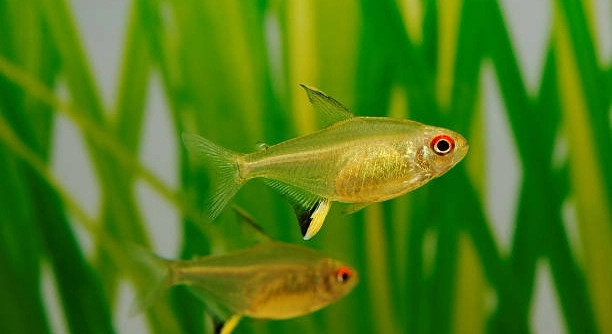
Lemon tetras are small, bright fish that bring life to any aquarium. Their yellow bodies stand out beautifully, making them popular among hobbyists. Many fishkeepers enjoy observing their subtle movements and interactions in the tank.
Lemon tetras can temporarily change color due to stress, lighting, or environmental factors. These changes are usually reversible and reflect their physiological responses rather than permanent alterations to pigmentation or genetics. Proper care maintains their natural coloration.
Observing these color shifts offers insight into their health and surroundings, helping you better understand and care for these delicate fish.
Understanding Color Changes in Lemon Tetras
Lemon tetras display different shades depending on their mood, health, and environment. Stress from overcrowding, sudden water changes, or aggressive tank mates can make them appear dull or pale. Lighting also plays a key role; brighter light enhances their yellow hue, while dimmer conditions can make them look faded. Diet affects coloration as well. Foods rich in carotenoids, like certain flakes or frozen options, help maintain vibrant yellow tones. Temperature fluctuations may also influence their skin and fin color temporarily, as their metabolism adjusts. Observing these changes closely can give insight into their overall well-being. If a fish remains pale for an extended period, it may indicate underlying stress or illness. Maintaining stable water parameters, feeding a balanced diet, and reducing sudden disturbances can help your lemon tetras retain their natural glow. Regular observation helps ensure a healthy, lively tank environment and supports their natural behaviors.
Color changes are usually harmless and temporary, reflecting adjustments to light, diet, or minor stress in the aquarium.
Watching these subtle shifts in color helps you recognize patterns linked to care and environment. Proper adjustments can prevent long-term stress and keep the fish looking vibrant, supporting both health and activity levels.
Factors Affecting Temporary Color Shifts
Water quality is critical for lemon tetras. Ammonia, nitrite, or nitrate spikes can cause sudden fading, signaling stress or discomfort.
Temperature changes, tank mates, and lighting schedules all affect their appearance. Even mild variations in water chemistry can make their yellow tones less intense. Crowded tanks or overly aggressive companions often trigger temporary color loss. Maintaining stable conditions reduces stress and allows the fish to show their natural brightness. Introducing plants and hiding spots can further minimize stress and create a secure environment. Proper feeding routines, including nutrient-rich foods, help sustain their coloration. Observing behavioral cues alongside color changes provides a complete picture of their well-being. Adjustments should be gradual to avoid shocking the fish, which could worsen fading. By monitoring water parameters and making careful changes, you can ensure lemon tetras remain healthy, active, and visually striking, showing their full natural yellow vibrancy.
Common Stressors for Lemon Tetras
Overcrowding, sudden water changes, and aggressive tank mates are common stressors that can cause temporary color fading in lemon tetras. Stress directly affects their behavior and overall health, making it important to manage their environment carefully.
Stress in lemon tetras can come from multiple sources, including poor water quality, inconsistent temperature, and loud vibrations near the tank. Even minor disturbances, like frequent handling or rearranging decorations, may cause them to lose some of their bright coloration temporarily. Providing plenty of hiding spots and maintaining stable water parameters helps them feel secure and reduces stress-related color changes.
Social dynamics in a tank also influence stress levels. Lemon tetras kept with larger or more aggressive species may stay hidden, appearing paler. Ensuring the right group size and compatible tank mates supports natural behavior, allowing them to display their full colors and remain active throughout the day.
Lighting and Its Effect on Color
Lighting intensity and duration significantly affect lemon tetra coloration. Bright, consistent light enhances yellow tones, while dim or inconsistent light can dull their appearance.
Proper lighting mimics their natural environment and promotes healthy color expression. Light that is too strong may cause stress, while insufficient light reduces their vibrancy. Using a full-spectrum aquarium light and maintaining a regular day-night cycle helps support their natural pigmentation. Additionally, observing how they react to different lighting conditions can provide insight into overall tank health and whether adjustments are needed for optimal coloration.
Diet and Color Maintenance
A balanced diet rich in carotenoids supports vibrant yellow coloration in lemon tetras. Regular feeding of high-quality flakes, pellets, or frozen foods helps maintain brightness and overall health.
Lack of proper nutrients can cause their color to fade temporarily. Incorporating natural color-enhancing foods ensures they stay lively and visually striking.
Tank Environment and Comfort
Plants, hiding spots, and gentle water flow create a comfortable environment for lemon tetras. Secure spaces reduce stress and allow natural behavior. Regular cleaning and stable water parameters also contribute to their well-being and help preserve their natural colors.
Temperature Stability
Consistent water temperature is essential for lemon tetras. Sudden fluctuations can cause temporary color changes and stress, affecting activity levels. Maintaining a steady range suited to their species ensures they remain healthy and display their natural yellow hues.
Observation and Adjustment
Monitoring their behavior and appearance helps identify issues early. Adjusting lighting, diet, or tank conditions promptly can restore vibrancy and support long-term health.
FAQ
Why do my lemon tetras suddenly look pale?
Pale coloration is usually a response to stress or environmental changes. Common causes include sudden water parameter shifts, aggressive tank mates, overcrowding, or inadequate lighting. Observing their behavior alongside water conditions can help identify the specific cause. Ensuring a stable, clean tank environment reduces these temporary color changes.
Can lemon tetras regain their color naturally?
Yes, color changes are often temporary. When stressors are removed or conditions improve, their natural yellow coloration returns. Proper diet, stable water parameters, and consistent lighting support the recovery of their vibrancy over days or weeks, depending on the severity of the stress or environmental impact.
Does water quality affect their color?
Absolutely. Ammonia, nitrite, and nitrate spikes can cause fading and stress. Maintaining clean water through regular testing, partial water changes, and proper filtration ensures their health and helps preserve bright coloration. Lemon tetras thrive in well-oxygenated, stable water.
How does lighting influence their appearance?
Lighting intensity and spectrum significantly impact their coloration. Bright, full-spectrum lighting enhances yellow hues, while dim or inconsistent lighting can dull them. A regular day-night cycle mimicking natural conditions helps the fish display their best colors consistently. Overly strong lighting should be avoided to prevent stress.
Can diet improve or restore color?
Yes. Foods rich in carotenoids, like high-quality flakes, pellets, or frozen options, help enhance and maintain yellow tones. Occasional supplements of natural foods, such as brine shrimp or daphnia, can also boost pigmentation and overall vitality, supporting both health and appearance.
Do stress and tank mates affect coloration?
Stress from aggressive or overly active tank mates often causes temporary fading. Ensuring a peaceful community and adequate space for swimming reduces tension. Lemon tetras also need small groups of their own species for comfort, which supports natural behavior and color expression.
Is temperature a factor in color changes?
Yes. Sudden temperature swings can make them look dull or pale. Maintaining a steady temperature suitable for tropical freshwater species, generally between 72-78°F (22-26°C), helps keep their metabolism stable and supports natural coloration.
How long does it take for color to return after stress?
Recovery time varies. Minor stress may show improvement in hours or days, while prolonged or severe stress could take weeks for full coloration to return. Consistent care, proper feeding, and environmental adjustments speed up recovery.
Can hiding spots and tank decorations help?
Providing plants, caves, and other hiding areas reduces stress and encourages natural behavior. Comfortable surroundings make them feel secure, which supports healthy coloration and allows lemon tetras to display their best colors more frequently.
Should I be concerned if color fades repeatedly?
Repeated fading indicates persistent stress, suboptimal water conditions, or health issues. Regular observation, water testing, and addressing environmental factors are crucial. Continuous problems may require consulting an experienced aquarist or veterinarian to ensure long-term well-being.
Do all lemon tetras change color temporarily?
Most lemon tetras can experience temporary color changes under stress or environmental shifts. The intensity and duration vary by individual, tank conditions, and diet. Maintaining consistent care reduces frequency and severity, allowing them to stay bright and healthy.
Are color changes linked to breeding behavior?
During spawning, subtle changes can occur, such as increased vibrancy in males or slight paleness in females. These are normal and temporary. Observing behavior alongside coloration helps distinguish breeding-related changes from stress-related fading.
Can sudden lighting changes trigger color loss?
Yes. Abrupt changes from dim to bright light or frequent switching can temporarily dull their coloration. Gradual adjustments in lighting intensity and duration help the fish acclimate without unnecessary stress.
Does age affect coloration in lemon tetras?
Young lemon tetras may display less intense colors, which develop as they mature. Older fish may show slight fading over time, but stable care, proper diet, and a healthy environment help maintain bright, vibrant coloration throughout most of their life.
How can I best support permanent vibrant colors?
Consistent water quality, a balanced diet, compatible tank mates, proper lighting, and a secure environment collectively support bright, lasting coloration. Regular monitoring and small adjustments prevent stress and keep lemon tetras healthy and visually appealing.
What should I do if my tetras remain pale despite care?
Persistent paleness may indicate illness, parasites, or chronic stress. Testing water parameters, reviewing diet, and observing for behavioral changes are essential steps. Consulting a veterinarian or experienced aquarist ensures appropriate treatment and helps restore natural vibrancy.
Can seasonal changes affect color in home aquariums?
Seasonal variations in ambient room temperature or natural light can influence tank conditions, indirectly affecting color. Adjusting heating, lighting schedules, and maintaining consistent care helps minimize these temporary effects.
Are there any signs that indicate a serious problem beyond color?
Behavioral changes, loss of appetite, erratic swimming, or visible physical symptoms alongside fading color may indicate illness. Addressing these promptly with water testing, tank adjustments, or professional guidance is necessary for health and recovery.
Does group size impact color stability?
Yes. Lemon tetras are schooling fish and feel most secure in small groups of six or more. Adequate group size encourages natural swimming patterns, reduces stress, and helps maintain consistent coloration in the aquarium.
How important is patience in restoring color?
Patience is essential. Gradual improvements are normal, and forcing changes can increase stress. Observing, adjusting conditions carefully, and maintaining routine care allow lemon tetras to recover their bright coloration safely over time.
This FAQ section addresses key questions, providing practical guidance to help lemon tetras maintain natural, vibrant colors while ensuring their health and comfort.
Lemon tetras are small, delicate fish that add life and color to any freshwater aquarium. Their natural yellow hues are part of what makes them so appealing, but it’s important to understand that their coloration can change temporarily. Factors like stress, diet, water quality, lighting, and tank environment all play a role in how bright or pale they appear. Observing these changes carefully can give you insight into their health and overall comfort. Temporary color shifts are often a normal response to environmental changes, and they usually return to their natural brightness once the underlying cause is addressed. Maintaining stable conditions and a balanced diet is key to helping lemon tetras consistently display their best colors.
Stress is one of the most common reasons lemon tetras may appear less vibrant. This can result from overcrowding, aggressive tank mates, sudden water changes, or even frequent disturbances near the tank. Providing plenty of hiding spots, maintaining a stable temperature, and keeping water parameters consistent can greatly reduce stress. Social structure within the tank also matters; lemon tetras feel most comfortable in small groups, which allows them to exhibit natural behavior. Diet also has a strong influence on coloration. Foods rich in carotenoids, including certain high-quality flakes, pellets, and occasional frozen foods like brine shrimp, can enhance their yellow tones over time. A combination of proper nutrition, low stress, and suitable tank conditions supports both their physical health and natural appearance.
Lighting and environmental setup play an equally important role. Bright, full-spectrum light helps highlight their yellow hues, while inconsistent or dim lighting can make them appear dull. It is also important to consider gradual adjustments in lighting to avoid unnecessary stress. Regular observation of both behavior and color allows for timely adjustments to care routines. Even when temporary color changes occur, careful attention to diet, water quality, lighting, and social dynamics usually restores their vibrancy. By creating a stable and comfortable environment, you support their natural behaviors and well-being. Over time, this consistency ensures that lemon tetras remain healthy, active, and visually striking, allowing you to enjoy the full beauty of their natural coloration in your aquarium.

Hello,
If you enjoy the content that we create, please consider saying a "Thank You!" by leaving a tip.
Every little bit helps us continue crafting quality advice that supports the health, happiness, and well-being of pets around the world, for pets of all shapes, sizes, and species.
We really appreciate the kindness and support that you show us!