
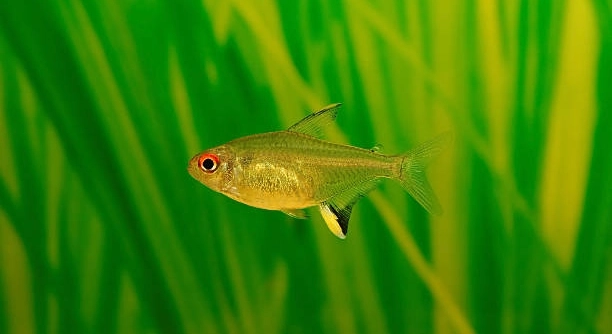
Lemon tetras are popular freshwater fish, admired for their bright yellow hue and active swimming patterns. Their schooling behavior can sometimes appear tighter than usual, prompting careful observation from aquarists and enthusiasts alike.
A lemon tetra school may appear tighter than normal due to environmental factors, stress, or social dynamics. Variables such as tank size, water quality, presence of predators, and feeding patterns influence their cohesive group formation and synchronized movement.
Understanding why your tetras swim so closely can improve their wellbeing. Observing these behaviors helps maintain a healthier and more balanced aquarium environment.
Tank Size and Space Constraints
A small or overcrowded tank can make lemon tetras swim closer together than usual. Limited space reduces their freedom to spread out, encouraging tight formation. Even when there are no other stressors, fish instinctively group for comfort in compact environments. Proper tank dimensions allow for natural schooling behavior, reducing tension. Decorations, plants, and hiding spots can further restrict swimming areas. Observing the tank layout and providing adequate room helps tetras feel secure without being forced into unnaturally tight schools. Overcrowding can also lead to aggressive interactions, which make the fish stick together more defensively. Adjusting the number of fish or expanding the tank can improve their movement patterns. Careful monitoring of fish spacing and behavior over time reveals whether adjustments are effective. The goal is to balance population density and environmental features so the school behaves naturally. Regular cleaning and maintenance ensure the space remains suitable, reducing stress-induced tight schooling.
Tank size directly affects how tightly lemon tetras school. Less space naturally forces closer grouping.
Providing a larger tank with sufficient swimming space allows lemon tetras to maintain a more natural formation. Adding vertical and horizontal swimming areas with plants and decorations encourages them to explore rather than cluster unnaturally. Monitoring fish behavior over time confirms adjustments are effective, promoting healthier and calmer schools.
Water Quality and Conditions
Water temperature, pH, and cleanliness influence schooling tightness. Lemon tetras respond to subtle changes in their environment with grouped swimming.
Stable, clean water conditions reduce stress, letting lemon tetras swim in a relaxed and evenly spaced school. Proper filtration and regular water changes support this stability.
Maintaining optimal water conditions is essential for healthy lemon tetra behavior. Sudden shifts in temperature or pH can trigger tighter schooling as a protective response. High ammonia, nitrite, or nitrate levels also stress fish, prompting them to huddle closely. Regular water testing and partial water changes prevent these issues. Providing consistent temperature, balanced pH, and low toxin levels helps fish feel secure, encouraging normal movement. Using a reliable filtration system and monitoring chemical levels reduces fluctuations that cause stress. Observing behavior alongside water parameters makes it easier to identify and correct problems early. Adjusting feeding schedules and ensuring the tank environment matches their natural habitat supports calm, natural schooling. These measures promote both physical health and social stability within the group. Tight schooling often signals an environmental adjustment is needed, making proactive care critical.
Stress from Tank Mates
Aggressive or overly active tank mates can make lemon tetras cluster tightly. They feel safer when swimming together under perceived threat.
When lemon tetras share a tank with larger or territorial fish, they often stay close to each other to avoid confrontation. Even subtle chasing or sudden movements from other species can trigger this response. Tight schooling acts as a protective measure, reducing individual vulnerability. Over time, prolonged stress may affect their health and appetite. Observing interactions and ensuring compatible tank mates helps reduce this behavior, letting tetras swim more freely without constant fear. Providing hiding spots and open swimming areas allows them to balance safety with natural movement.
Close observation of fish interactions and tank dynamics is essential. Adjusting tank mate selection and creating safe zones can improve schooling behavior. Maintaining calm surroundings helps lemon tetras feel secure, reducing the need for tight clustering. Careful monitoring ensures long-term stability and health.
Feeding Patterns
Irregular feeding or competition for food often causes tetras to school tightly around feeding areas.
Lemon tetras respond to feeding times by gathering closely, especially if food is scarce or unevenly distributed. Tight schooling during feeding ensures access and reduces competition risks. Consistent schedules and evenly spread food allow all fish to feed without stress.
Feeding behavior directly impacts their swimming patterns. Inconsistent feeding schedules can create anxiety, prompting closer grouping as they anticipate food. If pellets or flakes are concentrated in one spot, tetras naturally cluster tightly, ensuring each fish gets its share. Distributing food across different areas encourages movement and reduces competition. Overfeeding, on the other hand, may lead to lethargy, affecting schooling dynamics. Observing feeding responses helps adjust both quantity and placement for calmer behavior. Small, frequent feedings create a stable routine, minimizing stress and promoting evenly spaced schools. Proper attention to feeding habits enhances both social and physical health.
Light and Environment
Bright or fluctuating lighting can make lemon tetras feel exposed, causing them to swim closer together for security.
Providing consistent, moderate lighting reduces stress. Shaded areas or plants give them places to retreat, allowing more relaxed schooling behavior.
Breeding Behavior
During breeding periods, lemon tetras often school more tightly. Proximity helps with mating signals and protection of eggs or fry.
Predatory Instincts
Even small perceived threats, like sudden movement outside the tank, can trigger tighter schooling. Fish instinctively cluster to reduce risk and stay alert.
FAQ
Why is my lemon tetra school tighter than usual?
Lemon tetras swim closely when they feel stressed, unsafe, or crowded. Factors like small tank size, aggressive tank mates, poor water quality, or sudden changes in lighting can trigger this behavior. Tight schooling is a natural response to protect themselves and maintain social cohesion. Observing their environment often reveals the cause.
Can tank size really affect their schooling?
Yes. Small or overcrowded tanks limit swimming space, forcing fish to group tightly. Even if the tank seems spacious, a dense population or too many decorations can restrict movement. Providing more room and open swimming areas allows the school to spread naturally and reduces stress-induced clustering.
Does water quality influence tight schooling?
Absolutely. Lemon tetras are sensitive to temperature shifts, pH changes, and toxin levels like ammonia or nitrate. Unstable conditions can make them feel unsafe, prompting tighter schooling. Regular water testing, filtration, and partial water changes maintain stable conditions, allowing the fish to swim more freely and calmly.
Do tank mates affect their behavior?
Yes. Aggressive or active fish make lemon tetras cluster for protection. Even minor chasing or rapid movements can trigger tight schooling. Choosing compatible species and providing hiding spots reduces stress and allows tetras to move naturally. Monitoring interactions helps ensure peaceful coexistence.
Can feeding patterns cause them to school tightly?
Feeding schedules and food distribution impact schooling. Fish gather closely during feeding, especially if food is scarce or concentrated in one spot. Consistent feeding times and spreading food evenly encourage movement and reduce competition, helping the school relax. Small, frequent feedings are most effective.
Does lighting play a role?
Yes. Bright or fluctuating light makes tetras feel exposed. They respond by clustering for protection. Adding plants, shaded areas, or moderate lighting creates safe zones, allowing them to swim comfortably without stress-induced tight schooling.
Do lemon tetras school tightly during breeding?
During breeding, tight schooling is common. Close proximity helps with mating signals, synchronizes movement, and offers protection for eggs and fry. Temporary changes in behavior during breeding are normal and usually resolve afterward.
How can I reduce tight schooling?
Improving water quality, ensuring proper tank size, adding hiding spots, and choosing compatible tank mates all help. Consistent feeding routines and stable lighting also reduce stress. Observing behavior over time confirms which changes are effective.
Is tight schooling harmful?
Not necessarily. It’s a natural response, but prolonged tight schooling due to stress, overcrowding, or poor water conditions can affect health, appetite, and growth. Addressing environmental factors ensures fish remain healthy while maintaining natural social behavior.
Should I rearrange the tank decorations?
Yes, if movement is restricted. Open areas allow more natural schooling, while hiding spots offer security. Rearranging decorations to balance space and shelter helps tetras feel safe without clustering excessively.
Can sudden movements outside the tank cause this behavior?
Yes. Lemon tetras are alert to external motion. Quick movements nearby or shadows can trigger tight schooling as a defensive response. Keeping a calm environment around the tank helps minimize unnecessary stress.
Do all lemon tetras react the same way?
Most react similarly, but individual temperament can vary. Some may be bolder, exploring more freely, while others prefer tight schools. Group behavior usually balances out, but observing individual responses helps identify if environmental adjustments are needed.
Will adding more lemon tetras help?
Adding more tetras can sometimes improve social stability if the existing school is small, but overcrowding can worsen tight schooling. Maintaining the correct ratio and tank space is essential for healthy group dynamics.
How long does it take for schooling behavior to normalize?
After environmental adjustments, fish may relax within days to weeks. Consistent conditions, proper space, compatible tank mates, and steady feeding routines contribute to quicker normalization. Regular monitoring ensures improvements are effective and long-lasting.
Can stress from tight schooling be reversed?
Yes, with proper care. Reducing stressors, improving tank conditions, and providing a secure environment allow tetras to return to natural schooling behavior. Observing their comfort level and spacing over time confirms success.
Lemon tetras are lively and colorful fish that naturally form tight schools under certain conditions. Their behavior is influenced by a combination of environmental and social factors, and understanding these factors helps maintain a healthy and balanced aquarium. Observing your tetras regularly provides insight into how they are responding to their surroundings. Changes in schooling patterns often indicate adjustments are needed in tank size, water quality, or the arrangement of decorations. By paying attention to their behavior, you can create a more comfortable environment where fish feel secure and free to swim naturally. Tight schooling is not always a sign of a problem, but it can highlight areas that require care and improvement.
Maintaining proper tank conditions is essential for lemon tetras to thrive. Ensuring adequate space, clean water, and stable temperature and pH levels reduces stress and encourages natural movement. Tank mates should be carefully selected to prevent aggressive interactions that may force tetras into closer groups. Lighting should be moderate and consistent, with shaded areas or plants providing places to retreat if needed. Feeding routines also play a role in their schooling behavior. Distributing food evenly and keeping a regular schedule reduces competition and allows the school to maintain relaxed, natural patterns. Attention to these details supports both the physical health and social wellbeing of your fish, making the aquarium a stable and enjoyable space.
Tight schooling can also reflect temporary behaviors like breeding instincts or responses to perceived threats. Understanding that some clustering is normal prevents unnecessary concern while still encouraging proactive care. Observing your lemon tetras over time allows you to identify whether their tight formation is due to environmental stress, social dynamics, or natural behavior. Adjustments such as increasing swimming space, improving water quality, providing compatible tank mates, and maintaining consistent feeding can help normalize their schooling. By addressing these factors thoughtfully, you ensure your fish remain healthy, calm, and active. Creating a balanced environment benefits not only the tetras’ social behavior but also their overall wellbeing, making the aquarium a more harmonious place for them to thrive.

Hello,
If you enjoy the content that we create, please consider saying a "Thank You!" by leaving a tip.
Every little bit helps us continue crafting quality advice that supports the health, happiness, and well-being of pets around the world, for pets of all shapes, sizes, and species.
We really appreciate the kindness and support that you show us!