
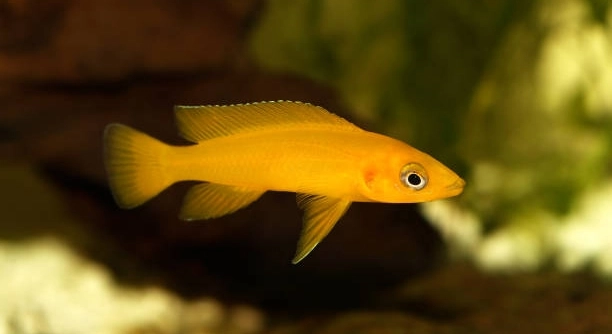
Have you ever brought home lemon tetras and hoped they would settle quickly into their new space, creating a comfortable environment that supports their health while helping them adjust with ease in those first days.
The fastest way to help lemon tetras feel at home is by maintaining stable water parameters, using gentle filtration, offering soft lighting, and including hiding spots that lower stress and support smooth adjustment, encouraging steady behavior as they settle well.
With the right setup and steady care, their transition becomes smoother, creating a peaceful aquarium that supports happy fish today.
Provide Stable Water Conditions
Creating stable water conditions is the first step to making lemon tetras feel comfortable, and it plays a major role in how quickly they settle. Keeping the temperature steady, avoiding sudden pH changes, and using a gentle filter help reduce tension in the tank. These fish respond well to calm surroundings, so keeping noise and movement around the aquarium low also supports smoother adjustment. When the water stays consistent, they behave more confidently and start exploring sooner. I like to check the tank regularly to make sure nothing shifts too much, since even small variations can unsettle them. Clean water with low nitrate levels encourages better activity and color, giving them a sense of safety. Stable water gives them a foundation that lets every other part of the setup work better. This approach keeps their environment steady and helps them settle with greater ease during the first days at home.
Stable water conditions create the base for fast adjustment, giving lemon tetras a calm space that keeps stress low. When their surroundings stay predictable, they become more active, show brighter color, and settle into their environment with better confidence each day, as the stable setup supports their comfort overall daily.
Maintaining steady water quality also makes every other part of your care routine work more effectively. When lemon tetras start off with balanced conditions, they react better to feeding, tank mates, and lighting changes. I find that consistent checks prevent problems from building up, keeping their behavior smooth. The more stable the environment remains, the easier it is to notice any small change that might need attention. With this foundation in place, your fish grow more confident, move through the tank without hesitation, and form natural schooling patterns that show they feel secure in their space every single day now.
Offer Soft Lighting
Soft lighting helps lemon tetras adapt faster by reducing stress and creating a gentle environment that matches their natural habitat. With calmer illumination, they move more freely, settle into schooling patterns sooner, and show healthier responses to their surroundings as they grow comfortable with their new space at their pace.
Using soft lighting sets the tone for how quickly lemon tetras adapt to their environment, and it supports their natural behavior in a calm way. These fish prefer dimmer conditions that allow them to move without feeling exposed, so gentle lighting plays a major role in lowering stress. When the lighting stays consistent and not overly bright, they swim with smoother patterns and gather comfortably with their group. I notice that soft light encourages them to stay active without becoming startled by sudden shifts. Avoiding intense bulbs also prevents reflections that may confuse them, helping them maintain steady movement through the tank. Pairing soft lighting with floating plants creates shaded areas that feel secure. This combination supports both their confidence and their overall well being. When they feel safe, their colors appear richer, their schooling improves, and their adjustment becomes faster. A calm visual space allows them to settle into daily routines smoothly and connect with the environment you create for them. Soft illumination also keeps their stress responses minimal during feeding times, allowing them to approach food with steady movement and better coordination. Over time, the calm lighting strengthens their comfort and supports healthier patterns that reflect stable conditions.
Add Plenty of Hiding Spots
Hiding spots help lemon tetras feel secure by giving them areas to retreat when they feel unsure. Using plants, decor, and shaded sections reduces stress and encourages smoother movement through the tank. These spaces create comfort that supports healthier schooling and calmer behavior as they adjust.
Hiding areas allow lemon tetras to settle faster by reducing exposure and giving them places to recover from sudden movement or noise. I like using a mix of live plants and natural decor since it creates a balanced structure they can navigate with ease. When they feel protected, their swimming becomes smoother, and they explore more freely. These secure sections also help prevent aggression in the group by lowering overall stress. With consistent placement and enough shaded areas, the fish can rest without disturbance. This setup supports a peaceful environment that helps them adjust each day.
Creating layered hiding spots also strengthens their confidence and encourages healthier patterns. Lemon tetras use these areas to gather, regroup, and maintain stable behavior, especially during their first days in a new tank. I notice they settle best when plants reach both the middle and lower areas, giving them protection at different depths. Including driftwood or rock structures helps break up open space, making the tank feel less exposed. As they grow comfortable, they move in and out of these sections naturally, showing brighter color and smoother schooling. These spaces support emotional security that improves their overall adjustment.
Maintain a Calm Environment
A calm environment encourages steady behavior in lemon tetras, helping them adjust faster to their new surroundings with minimal stress. Keeping noise low, avoiding quick movements, and preventing frequent disturbances supports their comfort as they settle into daily patterns in the tank.
Maintaining a calm environment allows lemon tetras to feel safer and more stable as they learn the rhythm of their new space. I try to keep the tank in an area without heavy foot traffic to avoid constant disruption, since these fish respond strongly to sudden movement. Gentle routines help them stay relaxed, especially during feeding and maintenance. Their schooling looks smoother when the environment stays consistent. Stress levels drop when they do not experience constant changes, helping them explore confidently. Over time, the calm atmosphere strengthens their trust, reduces skittish reactions, and creates a steady foundation that supports long term comfort and balanced behavior that reflects healthy adjustment.
Use Floating Plants
Floating plants help soften the lighting and create gentle shade that supports calm behavior in lemon tetras. I like using them to break up bright areas and offer natural coverage that makes the tank feel safer and more comfortable for the fish as they adjust.
These plants also help reduce stress by giving tetras a place to retreat without disturbing the rest of the group. Their gentle movement creates a soothing effect that encourages steady activity. With floating plants in place, the tank feels more balanced and welcoming for sensitive fish.
Keep School Sizes Adequate
Maintaining a proper school size helps lemon tetras feel secure and confident in their environment. With enough companions, they form smoother patterns and show healthier behavior. A small group may leave them unsettled, but a well sized school encourages brighter color, steady movement, and calmer responses to routine activity.
Feed Lightly at First
Light feeding helps prevent overloading the fish during their adjustment period. Smaller portions keep them relaxed and allow their behavior to stay steady as they settle.
How often should I check water parameters for lemon tetras?
I check water parameters at least twice a week during the first month after introducing new lemon tetras. Regular checks ensure temperature, pH, and ammonia levels stay within safe ranges. I use a reliable test kit to measure nitrates and nitrites, since even small shifts can stress the fish. Monitoring water helps prevent sudden changes that may upset their adjustment, and it allows me to spot potential problems early. Once the fish are fully settled, I reduce testing to once a week, but I still keep an eye on any sudden change in behavior, which often signals water imbalance. Consistency is key to keeping lemon tetras healthy and calm.
What is the best temperature for lemon tetras?
The ideal temperature for lemon tetras is between 74 and 78 degrees Fahrenheit. I maintain this range using a reliable aquarium heater with a thermostat. Temperatures below or above this range can reduce their activity or stress them. A steady temperature helps them eat properly and move freely without showing signs of lethargy or rapid gill movement. I also make sure to avoid placing the tank near direct sunlight or drafts, since this can cause fluctuations. Maintaining consistent warmth supports schooling behavior and overall comfort, making their adjustment faster.
How many lemon tetras should I keep together?
Lemon tetras feel most secure in groups of at least six to eight individuals. I prefer keeping them in slightly larger schools if space allows, as it reduces stress and encourages natural schooling patterns. Small groups often make fish nervous, causing hiding or erratic swimming. A well-sized school lets them interact safely, swim smoothly, and show their bright coloration. Proper group size also distributes attention and reduces aggressive encounters between fish. Observing their interaction is important, because it shows whether the group feels balanced or if adjustments are needed.
What kind of plants work best for hiding spots?
Soft-leaved plants like Java fern, Anubias, and Amazon sword are excellent choices. I include both rooted and floating plants to create shaded areas and cover at multiple levels. Floating plants help diffuse light, while taller plants offer retreats at the bottom or middle of the tank. Dense plants give tetras places to explore safely without feeling exposed. They often swim between plants in groups, which reinforces schooling behavior and reduces stress. Combining a few species creates a natural feel, supports oxygenation, and keeps the aquarium visually interesting while helping fish settle comfortably.
How should I feed lemon tetras during the first week?
I feed them very lightly during the first week, offering small amounts two to three times daily. This prevents uneaten food from polluting the water and avoids overfeeding, which can stress fish. I provide high-quality flake or micro-pellet food and occasionally a tiny portion of frozen or live food for enrichment. Monitoring their appetite is important, since nervous fish may eat less at first. Light, frequent feedings help them establish a routine without overwhelming them. Gradually increasing portions over a week or two encourages steady growth and supports calmer behavior in their new environment.
Can I mix lemon tetras with other fish?
Yes, but I carefully select peaceful, small species that thrive in similar water conditions. Avoid aggressive or much larger fish that could intimidate tetras. Compatible species include small rasboras, corydoras, and dwarf gouramis. Adding them gradually and observing behavior ensures everyone adapts without stress. A calm community reduces hiding and encourages schooling, keeping lemon tetras more confident and active.
How do I know if lemon tetras are stressed?
Signs of stress include clamped fins, erratic swimming, hiding excessively, or loss of color. I monitor daily for these behaviors, as early detection allows adjustments. Stress often comes from water fluctuations, aggressive tank mates, or sudden environmental changes. Addressing the cause quickly helps the fish regain normal behavior. Stress-free fish school naturally, eat well, and explore the tank confidently.
Should I use a filter with strong flow for lemon tetras?
No, lemon tetras prefer gentle water flow. I use a filter that circulates water without creating strong currents, as strong flow can tire them and increase stress. A gentle filter still maintains water quality and oxygenation while letting tetras swim naturally and feel safe. Positioning the filter outlet at an angle or behind plants reduces direct current, giving them calm areas to rest and explore.
How often should I clean the tank?
I perform partial water changes of 20-25 percent once a week, removing debris without disturbing plants or fish. Regular cleaning keeps nitrate levels low and water clear, which reduces stress and supports healthy activity. I avoid full cleanings, as they can disrupt beneficial bacteria and unsettle tetras. Consistency helps fish stay comfortable and confident.
Can lighting affect lemon tetra behavior?
Yes, bright lighting can make them nervous and hide. I use soft, consistent lighting with floating plants to diffuse harsh light. Gentle illumination encourages natural swimming, schooling, and feeding behavior while helping them adjust faster. Proper lighting also enhances color without creating stress.
This FAQ covers the most important concerns for creating a comfortable environment for lemon tetras, helping them settle quickly and maintain steady, healthy behavior.
Lemon tetras are small, delicate fish that thrive in calm, stable environments. Creating the right conditions from the start is essential for helping them settle quickly and feel at home. Maintaining stable water parameters, including consistent temperature and pH levels, reduces stress and allows them to explore their new tank confidently. Gentle filtration and careful monitoring of water quality support overall health, and regular partial water changes prevent harmful buildup of nitrates and waste. By keeping the environment predictable and balanced, lemon tetras adjust more smoothly, and their behavior becomes steady as they move through the tank.
Providing plenty of hiding spots and soft lighting also makes a noticeable difference in how comfortable lemon tetras feel. Dense plants, driftwood, and floating plants give them areas to retreat when they feel unsure, while diffused light prevents them from feeling exposed. These features help them swim with confidence, form natural schooling patterns, and show brighter coloration. A calm environment with minimal noise and low traffic around the tank further encourages peaceful behavior. Even simple steps, like adding gentle water movement and arranging decorations thoughtfully, create a space where lemon tetras can feel secure, reducing stress and supporting their natural activity.
Proper feeding and maintaining appropriate school sizes contribute to their overall adjustment. Offering small, frequent meals during the first week allows them to settle without overwhelming their digestive system, while gradually increasing portions supports steady growth and energy. Keeping a school of at least six to eight individuals encourages social behavior, helps them move in coordinated patterns, and prevents them from feeling isolated. Observing their interactions and behavior helps identify any issues early, whether it is stress, illness, or environmental discomfort. With consistent care, a calm setup, and attention to their needs, lemon tetras quickly adapt to their new home, demonstrating healthy, confident, and lively behavior that reflects a well-prepared and thoughtful aquarium environment.

Hello,
If you enjoy the content that we create, please consider saying a "Thank You!" by leaving a tip.
Every little bit helps us continue crafting quality advice that supports the health, happiness, and well-being of pets around the world, for pets of all shapes, sizes, and species.
We really appreciate the kindness and support that you show us!