
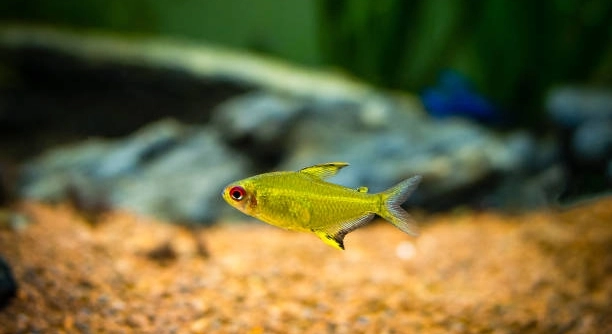
Lemon tetras are small, vibrant freshwater fish that bring color and life to home aquariums. Their shimmering yellow bodies and gentle movements make them popular among fish enthusiasts who enjoy observing their behavior.
Lemon tetras display natural curiosity, often exploring their environment and interacting with tank mates. They are active swimmers and investigate new objects, showing consistent engagement with surroundings. This behavior is typical of their species and reflects normal social and exploratory patterns.
Observing their daily habits can reveal much about their instincts and preferences, offering insight into how they thrive in a well-maintained aquarium.
Understanding Lemon Tetra Behavior
Lemon tetras are naturally social and active, often swimming in small groups that give a sense of movement and life to the tank. I have noticed that they explore every corner, checking plants, decorations, and even the glass walls. Their curiosity is subtle, not frantic, showing a gentle engagement with their environment. They often hover near new objects, cautiously inspecting them before returning to their group. This behavior seems consistent regardless of tank size, as long as they feel safe. Observing them, I realized that their interaction is not random—they have patterns, like following each other in synchronized movements or investigating areas after one leads. They rarely stay in one spot, preferring constant exploration. Even feeding times reveal curiosity, as they approach food carefully, examining it before eating. Understanding these tendencies can make tank management easier and help create a more comfortable space for them to thrive.
Their natural curiosity is best supported with hiding spots, plants, and gentle tank activity, keeping them active and healthy.
Providing varied structures, such as live plants and small caves, encourages exploration. It also reduces stress and supports natural instincts. Maintaining consistent water quality and a balanced diet ensures they remain energetic and responsive to their surroundings, highlighting their curious behavior.
Signs of Active Exploration
Lemon tetras show curiosity through movement, interactions, and inspection of objects. Their swimming patterns indicate engagement with the environment.
In a tank with new decorations, I observed that they spent hours inspecting each addition. Some would swim back and forth, while others paused to hover and observe. Their behavior often signals comfort and confidence. Even small changes, like a shifted plant, drew attention, with each fish taking turns investigating. Curiosity can also appear during feeding, as they inspect pellets or flakes before eating. They rarely act alone; group dynamics encourage others to explore. Recognizing these signs helps in monitoring their well-being and adjusting tank setups. By allowing them space to explore and interact safely, they maintain natural behavior patterns. I found that when they are well-fed and stress-free, their curiosity increases, and their movements become more lively and synchronized. A tank that encourages gentle exploration supports both mental stimulation and physical activity, keeping lemon tetras active and thriving consistently over time.
Encouraging Natural Curiosity
Providing a tank with plants, rocks, and small hiding spots encourages lemon tetras to explore. I noticed they spend more time swimming actively when there are new textures and spaces to investigate, which keeps them mentally engaged and reduces stress.
Adding varied structures like live plants, driftwood, and small caves promotes exploration. Lemon tetras move through spaces cautiously, often circling objects and returning to observe them again. This behavior reflects natural instincts from their wild habitat, where they would navigate dense vegetation and seek safety while foraging. I arranged my tank with several layers of plants and low decorations, allowing them to swim around and under items. This setup encourages activity without overwhelming them. Watching them investigate slowly and return to their group shows that curiosity is both social and instinctive. Ensuring water conditions are stable and compatible with their needs also supports this behavior.
Observation reveals that lemon tetras notice subtle changes. Even a new plant or repositioned rock attracts attention. They investigate carefully, sometimes touching objects with their mouths or brushing against surfaces. In my experience, this gentle inspection is repeated over days, showing memory and recognition. Their group dynamics influence curiosity; one fish approaching a new object often encourages others to follow, creating a shared exploration pattern. Maintaining a varied and safe environment helps sustain this activity, preventing boredom and promoting healthy mental and physical states. Regular small changes in the tank can keep them engaged and satisfied with their surroundings.
Feeding and Curiosity
Lemon tetras display curiosity during feeding, inspecting food before eating. They explore each pellet carefully, sometimes nudging items and swimming around them.
I have seen that they do not rush into food immediately. They circle the pellets, assessing the texture and movement before nibbling. This behavior indicates intelligence and cautiousness. Feeding time can become an opportunity to observe their investigative nature. Occasionally, one fish leads while others watch, and then all join in eating together. Varying the type of food, including flakes, frozen, or live options, encourages them to stay alert and engaged. They quickly learn feeding routines, remembering locations and timing, which shows their ability to adapt. By observing how they approach each feeding, it is possible to identify individual personalities and preferences. Careful placement of food also ensures that shy individuals are not left out and can participate fully in exploration and consumption. Structured feeding routines can enhance both curiosity and social interaction in the group.
Social Interactions and Exploration
Lemon tetras often explore in groups, following each other through the tank. I noticed that when one fish approaches a new object, others tend to follow, reflecting both curiosity and social bonding.
Group dynamics encourage careful investigation. When they swim together, their movements are synchronized, making exploration more confident and consistent.
Response to Environmental Changes
Lemon tetras react to changes in their surroundings, such as new plants or decorations. They approach cautiously, inspecting objects before swimming away or returning to their group. Their response is measured, showing a balance between curiosity and caution, which helps them feel secure in the tank environment.
Tank Setup for Active Behavior
A tank with hiding spots, plants, and open swimming areas encourages natural exploration. I found that lemon tetras are most active when the environment allows safe movement, observation, and interaction.
FAQ
Are lemon tetras always curious?
Lemon tetras show natural curiosity, but it varies with mood, health, and environment. I have noticed that when they feel safe and comfortable, they explore more, checking plants, decorations, and swimming around the tank. Stress or poor water conditions can make them less active, hiding more often.
How can I encourage their curiosity?
Providing a tank with live plants, rocks, and small hiding spots promotes exploration. I like rearranging items occasionally, as subtle changes draw their attention. Open swimming spaces and consistent water quality also help them feel secure, making them more likely to investigate new objects.
Do they explore alone or in groups?
Lemon tetras are social fish, often investigating as a group. When one fish approaches a new object, others usually follow. Group dynamics make exploration more confident, and their movements often become synchronized, reflecting both social bonding and natural instincts.
Will they interact with new tank decorations?
Yes, they often approach new items cautiously, circling and inspecting before deciding to swim away or return. I have seen them brush against surfaces or gently touch decorations with their mouths. This careful inspection repeats over several days, showing memory and recognition.
How does feeding affect curiosity?
Feeding stimulates their investigative behavior. They inspect food carefully, sometimes circling pellets or flakes before eating. I observed that one fish may lead while others watch, encouraging all to explore the food. Offering varied food types keeps them alert and engaged.
Do they get bored in a plain tank?
Yes, minimal decoration or empty tanks reduce activity. I noticed that when their environment lacks hiding spots or plants, they swim less and spend more time near the surface. Introducing variety keeps them active, mentally stimulated, and healthier.
Can stress impact curiosity?
Stress significantly reduces exploration. Poor water conditions, aggressive tank mates, or overcrowding make them hide and avoid new objects. I learned that maintaining clean water, compatible companions, and stable conditions ensures they remain confident and curious.
Is their curiosity important for health?
Exploration supports mental and physical health. Active swimming and investigating objects exercise their muscles, reduce stress, and reinforce social interactions. I make sure my tank allows for exploration to keep them energetic and engaged.
Do they respond to human presence?
Lemon tetras often observe humans quietly. I noticed they swim closer to the glass when I approach, watching movements without showing fear. Their attention is gentle and cautious, reflecting awareness rather than direct interaction.
How can I track their curiosity over time?
Regular observation helps monitor activity levels and behavior. I keep notes on how often they investigate new objects, react to changes, and interact with each other. Sudden decreases in activity can indicate stress, illness, or environmental issues that need attention.
Do all lemon tetras behave the same way?
Individual differences exist. Some are more adventurous, exploring constantly, while others stay closer to plants or rocks. Group observation helps balance the tank, as bolder fish can encourage shyer ones to explore gradually.
What kind of tank setup maximizes curiosity?
A mix of open swimming areas, live plants, and hiding spots is ideal. I arrange decorations at different heights and locations, offering surfaces to explore and shelter. Gentle water flow and stable temperature support consistent activity, allowing them to feel safe while investigating.
Can small changes in the tank improve curiosity?
Yes, minor adjustments such as adding a new plant or repositioning decorations attract attention without causing stress. I often notice repeated inspection over several days, with fish gradually becoming more confident in navigating altered spaces.
Does age affect curiosity?
Younger lemon tetras tend to explore more actively, while older fish may be calmer but still investigate objects. I found that maintaining an enriched environment helps all ages remain engaged, even if energy levels naturally vary.
Are lemon tetras safe with other fish while exploring?
They generally do well with peaceful species. Aggressive or territorial fish can limit exploration, causing them to hide. I keep them with small, non-aggressive companions, which allows them to swim freely and maintain natural curiosity without fear.
How long does curiosity last during the day?
Lemon tetras are active throughout daylight hours, with peaks around feeding times or when the tank environment changes. I observed that subtle shifts, like light levels or mild water flow changes, trigger exploratory activity at different times.
Can curiosity indicate happiness?
Yes, active investigation, group exploration, and willingness to approach new objects suggest comfort and contentment. I use these behaviors to gauge how well my tank environment meets their needs and adjust conditions accordingly.
Do they explore vertical spaces as well as horizontal?
Lemon tetras use the full tank space. I noticed they swim between top and bottom areas, exploring plants, decorations, and hiding spots at different heights. Vertical exploration adds variety and supports natural movement patterns, encouraging healthy activity.
How often should I add new elements to the tank?
Small, gradual changes every few weeks maintain interest without overwhelming them. I prefer subtle additions, such as new plants or repositioned decorations, which encourage exploration while keeping the tank safe and familiar.
Does curiosity vary with water parameters?
Stable water conditions increase activity. Sudden temperature shifts or poor water quality reduce exploration, making fish hide. I monitor pH, temperature, and cleanliness to ensure they remain confident and curious consistently.
Can lemon tetras learn from each other?
Yes, they observe group members during exploration and feeding. I have seen fish mimic approaches to new objects, gradually increasing confidence. Social learning supports both curiosity and safe interaction in the tank environment.
How long does it take for them to explore new objects fully?
Exploration is gradual. I noticed that they may inspect a new plant for several days, returning multiple times before feeling fully comfortable. Their repeated attention demonstrates memory, recognition, and careful evaluation of changes in their space.
Does lighting affect exploration?
Moderate lighting encourages natural activity. Too bright or dim lighting can make them hide or reduce movement. I adjust light levels to create a calm, visible environment where they feel safe to swim and investigate.
Are lemon tetras more curious in groups or alone?
Groups stimulate more activity. I have observed that fish alone explore less confidently, often hiding more. Being in a group provides reassurance and encourages synchronized exploration, making curiosity more consistent and visible.
Can curiosity help detect health issues?
Yes, changes in exploration can indicate problems. I noticed that a sudden drop in investigative behavior often coincides with illness, stress, or poor water quality. Observing curiosity patterns is a practical way to monitor well-being.
Does curiosity decrease with overfeeding?
Overfeeding can reduce motivation to explore, as fish may focus on food rather than objects. I feed controlled portions to maintain natural curiosity and active engagement, keeping them attentive and physically healthy.
How do tank mates influence curiosity?
Peaceful companions encourage activity, while aggressive or territorial species suppress it. I carefully select compatible fish, ensuring lemon tetras can explore freely without fear or competition affecting behavior.
Can curiosity indicate environmental satisfaction?
Active and repeated exploration shows they feel secure and stimulated. I use their behavior to evaluate whether the tank setup meets their physical and mental needs, adjusting plants, decorations, and hiding spots as needed.
Do lemon tetras ever avoid exploration?
They may avoid new objects if stressed, ill, or in an overcrowded tank. I monitor behavior closely, ensuring water quality, tank size, and group composition support consistent, confident investigation.
How long should curiosity observations last each day?
Even short daily monitoring of fifteen to thirty minutes reveals patterns in activity and exploration. I note changes over time to detect stress, illness, or adjustment to new elements, keeping the tank optimal.
Are there signs of excessive curiosity?
Excessive or frantic investigation can indicate stress or environmental discomfort. I watch for unusual pacing, bumping into objects, or repetitive circling, which may require adjusting tank conditions to restore calm and balanced exploration.
Can curiosity be encouraged with live food?
Yes, live food stimulates natural hunting and exploration instincts. I sometimes offer small live options like brine shrimp, observing how they investigate, chase, and interact, which supports physical activity and mental engagement.
Does curiosity affect breeding behavior?
Curiosity can support breeding by encouraging activity and social interaction. I noticed that active, engaged fish explore their environment and interact with potential mates more confidently, which can improve breeding readiness and overall tank harmony.
Can environmental enrichment reduce stress?
Yes, enriching the tank with plants, rocks, and safe hiding areas lowers stress and encourages exploration. I arrange spaces that allow choice and movement, letting lemon tetras engage naturally with their surroundings without feeling threatened.
How can I tell if a tank setup is stimulating enough?
Frequent active exploration, inspecting objects, and group swimming indicate a stimulating environment. I adjust decoration placement and provide varied textures to maintain interest and support natural curiosity consistently.
Are shy individuals more hesitant to explore?
Yes, shy lemon tetras may take longer to investigate. I observed that bold group members can encourage cautious fish to follow gradually, creating a balance between safety and curiosity.
Does tank size impact curiosity?
Larger tanks offer more opportunities for exploration. I noticed that lemon tetras in spacious tanks move more freely, investigate more surfaces, and display natural swimming patterns compared to smaller, restricted environments.
How often should I monitor their curiosity?
Regular observation is key. I check their activity at least once daily, noting exploration, feeding behavior, and interaction with objects. This helps maintain a healthy, engaging environment and quickly detect any issues affecting their behavior.
Does curiosity vary with time of day?
Yes, lemon tetras are often more active around feeding times and during daylight. I noticed subtle fluctuations depending on light levels and activity in the room, with occasional periods of rest and lower exploration.
Can curiosity improve tank cohesion?
Yes, shared exploration strengthens group interaction. I observed that when one fish investigates, others follow, reinforcing social bonds and coordinated movement, which supports a harmonious and active community within the tank.
Do lemon tetras respond differently to live versus artificial plants?
They interact with both, but live plants offer texture and hiding spots that stimulate more active investigation. I include a mix, noting that live plants encourage natural behaviors and sustained curiosity throughout the day.
Is curiosity consistent across all tank conditions?
Curiosity depends on environment, water quality, tank mates, and enrichment. I found that stable, enriched tanks promote consistent exploration, while stressors or poor conditions reduce activity, hiding behavior, and engagement with surroundings.
Can observing curiosity help new owners?
Yes, tracking lemon tetra behavior helps new owners understand their needs. I noticed that observing exploration patterns, interactions, and feeding responses provides insight into health, comfort, and environmental adequacy.
Does curiosity ever indicate aggression?
Curiosity is usually gentle and investigative. Aggressive behavior differs, with chasing, nipping, or territorial displays. I distinguish between careful inspection and forceful interaction, ensuring tank harmony and safe exploration.
Can curiosity be used to enrich the tank routinely?
Yes, minor changes such as new plants, rearranged decorations, or varied food items stimulate ongoing exploration. I implement small adjustments gradually, keeping lemon tetras engaged without causing stress or confusion, maintaining active, curious behavior consistently.
How do I balance curiosity with safety?
I ensure decorations are smooth, plants are secure, and hiding spots are accessible. This allows lemon tetras to explore without injury, supporting curiosity while maintaining a safe and healthy environment.
Does curiosity reflect overall tank health?
Active and consistent exploration indicates that water quality, diet, and tank setup are adequate. I use curiosity as a behavioral indicator, adjusting conditions when activity decreases or stress behaviors appear.
Can curiosity help detect environmental imbalances early?
Yes, sudden changes in activity or avoidance of objects can signal stress, illness, or poor water conditions. I monitor exploration closely to address potential problems before they escalate, keeping the tank healthy and engaging for lemon tetras.
Lemon tetras are small, vibrant fish that bring energy and movement to any aquarium. Their natural curiosity is a key part of their behavior, and it can be observed in the way they explore plants, decorations, and open swimming areas. I have spent hours watching my lemon tetras as they cautiously approach new objects, circle around them, and sometimes return to investigate again. This gentle, deliberate exploration reflects a balance between curiosity and caution. It is a sign that the fish feel safe and comfortable in their environment. Unlike some fish that may dart around unpredictably, lemon tetras show steady and consistent movement, making them interesting to observe over time. Their curiosity is not just for show—it helps them engage with their surroundings, interact with their group, and maintain mental stimulation. I have found that supporting this behavior is important for their overall well-being, as active and engaged fish tend to remain healthier and more resilient.
A tank setup that encourages natural exploration is essential for lemon tetras to express their curiosity fully. I make sure to include live plants, rocks, small caves, and open swimming areas to provide variety and stimulation. Subtle changes, such as repositioning a plant or adding a new decoration, often capture their attention and encourage gentle investigation. Group dynamics also play a role in promoting curiosity. I have noticed that when one fish approaches something new, others often follow, creating a synchronized pattern of exploration that strengthens social bonds within the group. Feeding times offer another opportunity to observe this behavior. Lemon tetras rarely rush directly at food; they inspect it carefully, sometimes nudging or circling before eating. Providing a variety of food types and placing it in different locations encourages both physical activity and mental engagement. Maintaining stable water conditions, proper temperature, and compatible tank mates ensures they remain confident and active, avoiding stress or hesitation that might limit their natural investigative behavior.
Curiosity in lemon tetras is not just an entertaining trait—it is an indicator of their health, comfort, and environmental satisfaction. I pay close attention to how frequently they explore, how they interact with objects, and how group members influence each other, using these observations to guide adjustments in tank setup and care routines. A consistent, enriched environment allows lemon tetras to express their natural instincts while keeping them active and mentally stimulated. Even minor details, like providing hiding spots at varying heights or ensuring gentle water flow, can significantly affect their willingness to explore. Observing lemon tetras over time shows that their curiosity can remain strong throughout their lifespan if they feel secure and stimulated. Ultimately, understanding and supporting their inquisitive nature helps create a harmonious, engaging, and healthy aquarium environment where lemon tetras can thrive.

Hello,
If you enjoy the content that we create, please consider saying a "Thank You!" by leaving a tip.
Every little bit helps us continue crafting quality advice that supports the health, happiness, and well-being of pets around the world, for pets of all shapes, sizes, and species.
We really appreciate the kindness and support that you show us!