
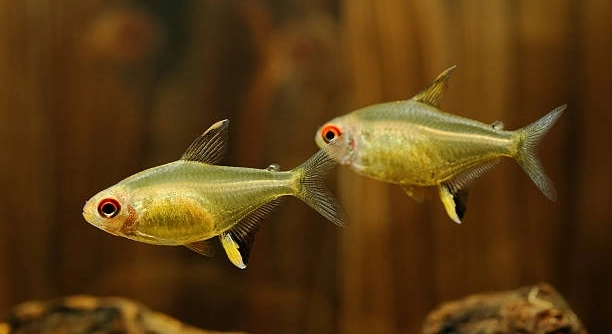
Lemon tetras are small, brightly colored fish that often attract attention in home aquariums. Despite their vivid appearance, they can be surprisingly shy and may spend much of the day hidden among plants and decorations.
Lemon tetras hide during the day primarily as a natural behavior to reduce stress and avoid perceived threats. They seek cover in plants, rocks, or shaded areas, using these hiding spots to feel secure and maintain their well-being.
Observing their behavior closely can help you create a comfortable environment and better understand their daily routines. Adjustments to lighting and tank layout can make a significant difference.
Natural Instincts of Lemon Tetras
Lemon tetras are naturally cautious fish, often relying on their instincts to survive. In the wild, they live in areas with dense vegetation and shaded waters, where hiding is essential to avoid predators. Even in an aquarium, these instincts remain strong. When exposed to bright light or open spaces, they may retreat to corners, plants, or behind decorations. Their schooling behavior also encourages hiding, as staying together in shaded areas provides safety. Observing them can reveal patterns in their movements, showing when they feel secure and when they prefer solitude. Maintaining a tank with plants, rocks, or other forms of cover allows them to exhibit these natural behaviors safely. Proper hiding spots also reduce stress, which is crucial for their health. Stress can weaken their immune system, making them more susceptible to illness. By respecting their instincts, owners can create a habitat where lemon tetras feel comfortable and thrive.
Providing dense plants and shaded areas encourages natural behavior while keeping stress levels low.
Creating a tank with layers of plants, floating leaves, and small hiding spots ensures lemon tetras feel secure. These fish move through the water cautiously, often stopping near cover. Open spaces can make them skittish, so arranging the tank thoughtfully helps them swim confidently. Using gentle lighting and adding small decorations gives them opportunities to hide without being completely isolated. Observing their schooling patterns shows how they interact and rely on each other for safety. Regular feeding near familiar areas also encourages them to explore more while still having places to retreat. Adjusting water flow to avoid strong currents supports calmer movement and allows them to rest in hidden areas. This setup mimics natural habitats, keeping stress low and promoting healthy behavior. Over time, owners notice a balance between activity and rest as lemon tetras feel safe and supported in their environment.
Light Sensitivity
Lemon tetras are sensitive to bright or direct light.
Excessive lighting can cause them to hide more frequently, as it simulates the exposure they would avoid in the wild. Proper tank lighting balances visibility and comfort.
Too much light triggers their natural avoidance behavior, making them retreat to shaded or covered areas. Providing floating plants or dimming lights during peak periods can encourage more visible activity. It is important to monitor their response, as sudden brightness may increase stress. Gradually adjusting light levels allows them to adapt without panic. Using LED lights with adjustable intensity helps maintain consistent conditions, reducing sudden changes that may scare them. During daylight hours, creating areas with lower illumination gives them options to move freely without feeling exposed. Nighttime or low-light periods allow them to rest naturally. Tank layout should complement lighting, ensuring hiding spots are accessible and that they can swim freely without encountering harsh light. By respecting their sensitivity, owners can maintain a calm, secure environment that promotes healthy behaviors and reduces unnecessary stress for lemon tetras.
Tank Environment
Lemon tetras rely heavily on a well-structured tank environment. Dense plants, rocks, and shaded areas provide essential hiding spots that make them feel secure. Open spaces or minimal cover can increase stress and cause them to remain hidden most of the day.
A balanced tank environment reduces stress and encourages natural activity. Incorporating floating plants, caves, or driftwood gives lemon tetras options to retreat when needed. They prefer areas where water flow is gentle, allowing calm swimming and resting without disturbance. Grouping them in small schools further supports their sense of safety. Observing their interaction with the environment shows which areas they favor for hiding versus exploring. Adjusting tank elements gradually ensures they adapt comfortably. By maintaining varied textures and hiding places, their instincts are respected, and overall health is promoted.
Lighting and decorations work together to create a natural habitat. Proper arrangement ensures lemon tetras feel confident while swimming and resting. Providing multiple hiding spots encourages them to explore while retaining security.
Feeding and Behavior
Lemon tetras adjust their activity based on feeding schedules. Consistent feeding times help reduce stress and encourage them to be more visible, even during daytime.
Feeding behavior directly influences their comfort level. When food is introduced near familiar hiding spots, they gradually emerge, balancing safety with the need to eat. Offering a mix of flakes, micro pellets, and occasional live foods supports their natural foraging habits. Observing how they respond to different feeding locations provides insight into their confidence within the tank. Overfeeding should be avoided, as excess food can lead to water quality issues, which in turn increase stress and hiding tendencies. Rotating feeding areas and using varied diets helps stimulate activity and keeps them healthy.
Interactions during feeding can indicate social dynamics within the group. Dominant individuals may take lead positions, while others stay hidden until the area feels safe. By paying attention to these patterns, tank setup and feeding practices can be optimized to support both social and natural behaviors.
Stress Factors
Stress can make lemon tetras hide more frequently. Sudden movements, loud noises, or frequent disturbances near the tank cause them to retreat to secure areas. Maintaining a calm environment is essential for their comfort.
Overcrowding also contributes to stress. Too many fish in a limited space increases competition and reduces available hiding spots. Proper stocking ensures they have room to move freely while accessing cover. Providing plants and decorations allows each tetra to establish its own safe area. Monitoring water quality is equally important, as poor conditions can heighten stress, weaken immunity, and lead to more persistent hiding behavior.
Water Quality
Consistent water parameters are crucial for lemon tetras’ well-being. They thrive in clean, slightly acidic to neutral water with stable temperatures.
Regular testing and maintenance prevent fluctuations that trigger stress. Using a reliable filtration system helps remove debris and toxins. Partial water changes keep the environment fresh while minimizing sudden changes. Maintaining pH between 6.5 and 7.0 and temperature around 75°F supports natural behavior. Sudden drops or spikes can cause them to hide, impacting feeding and social activity. Observing their behavior after adjustments provides insight into tank conditions. Keeping water clean and stable ensures lemon tetras feel secure and remain active during daylight hours.
Tank Mates
Choosing compatible tank mates reduces hiding behavior. Aggressive or overly active fish can intimidate lemon tetras, prompting retreat.
Observation Tips
Regularly observing lemon tetras helps identify stressors and preferred hiding spots. Tracking patterns informs better tank setup and care.
FAQ
Why does my lemon tetra hide all day?
Lemon tetras hide during the day mainly due to natural instincts and stress. Bright lights, sudden movements, or open spaces can make them feel vulnerable. Providing plants, rocks, or shaded areas allows them to feel safe while still exploring when they feel comfortable.
Is it normal for lemon tetras to be shy?
Yes, shyness is normal. These fish rely on schooling behavior and hiding to feel secure. Even in a calm aquarium, they may spend much of the day in shaded areas or behind decorations. This is part of their natural behavior and not usually a sign of illness.
Can poor water quality cause hiding?
Absolutely. Lemon tetras are sensitive to water conditions. High ammonia, nitrite, or nitrate levels, or sudden changes in pH or temperature, can stress them. Stress leads to hiding, reduced feeding, and lower activity. Regular water testing, filtration, and partial water changes keep them healthy and confident.
Do tank mates affect their hiding behavior?
Yes. Aggressive or overly active fish can intimidate lemon tetras, making them hide more often. Peaceful schooling fish work best as companions. Observing interactions can help determine if tank mates are contributing to stress. Adding more hiding spots helps them feel safe even with busier companions.
Does lighting affect their activity?
Lighting plays a major role. Bright or direct light can cause them to retreat to shaded areas. Using dimmable LED lights or providing floating plants allows them to adjust naturally. Gradual changes in lighting help them adapt without panic, reducing daytime hiding.
How can I encourage them to be more active?
Creating a balanced environment with plants, gentle water flow, and proper hiding spots helps. Feeding near safe areas gradually encourages exploration. Rotating hiding spots and adding decorations can stimulate curiosity while keeping their instincts intact. Patience is key as they adjust to the tank setup.
Do lemon tetras hide when sick?
Yes, illness can increase hiding behavior. Signs include lethargy, loss of appetite, or unusual swimming patterns. Maintaining good water quality and monitoring behavior helps detect health issues early. Quarantining new or sick fish prevents spreading disease and reduces stress for the group.
How many lemon tetras should be kept together?
They are schooling fish and feel most secure in groups of at least six. Smaller numbers may cause stress and more hiding. Larger schools require adequate space and hiding areas to ensure each fish has access to cover without overcrowding.
Can hiding be prevented completely?
Not entirely, as it is part of their natural instincts. The goal is to reduce unnecessary stress and provide a secure environment. Balanced lighting, proper tank mates, clean water, and adequate hiding spots create conditions where they feel safe and display normal activity.
How do I know if my tank is comfortable for them?
Observation is key. Active swimming, regular feeding, and occasional exploration outside hiding areas indicate comfort. Adjustments in tank layout, water parameters, and lighting can improve their behavior. A well-maintained tank with enough cover allows lemon tetras to balance safety and activity naturally.
What decorations are best for hiding?
Dense plants, driftwood, rocks, and caves work well. Floating plants provide shaded areas while substrate-level decorations create secure corners. Avoid overcrowding, as fish need space to swim freely. Rotate decorations occasionally to maintain interest and stimulate exploration.
Does stress affect breeding?
Yes, stressed lemon tetras are less likely to breed. Ensuring calm conditions, proper lighting, clean water, and secure hiding spots supports natural behavior and encourages breeding activity. Observing their comfort and reducing stressors increases chances of successful spawning.
How long do lemon tetras typically hide?
It varies depending on the fish and environment. Some may only hide during peak light hours, while others retreat most of the day. Regular observation helps determine patterns, allowing adjustments to lighting, feeding, and tank setup to encourage more visibility and activity.
Can rearranging the tank reduce hiding?
Yes, thoughtful rearrangement can help. Adding new plants, caves, or shaded areas gives them options to explore safely. Gradual changes prevent sudden stress. Over time, they learn which areas are secure and may become more active during the day.
What food is best to encourage activity?
A mix of high-quality flakes, micro pellets, and occasional live or frozen foods supports their natural foraging behavior. Feeding near hiding spots encourages gradual emergence, while varied diets stimulate interest and maintain health. Consistent feeding schedules also promote regular activity and reduce stress.
How does water temperature affect hiding?
Lemon tetras prefer stable temperatures around 75°F. Sudden drops or spikes can stress them and increase hiding. Using a reliable heater and monitoring temperature consistently prevents fluctuations, helping them maintain normal activity levels.
Can I reduce hiding by dimming lights?
Yes. Lowering light intensity or providing floating plants allows them to feel safe while swimming. Gradual dimming prevents shock and promotes natural behavior. Consistent light cycles also support their internal rhythms, balancing rest and activity effectively.
Is hiding a sign of illness or normal behavior?
Hiding is often normal, but extended or unusual patterns may indicate stress or illness. Monitoring appetite, swimming, and physical condition alongside hiding helps determine if action is needed. Maintaining clean water, proper tank mates, and secure cover supports overall health.
How can I observe them without causing stress?
Approach the tank slowly, avoid sudden movements, and keep noise low. Observing during feeding or gentle light periods encourages natural activity. Using external cameras or watching from a distance can provide insights without disturbing them, helping maintain a calm environment.
Do they hide more at certain times of day?
Yes, typically during bright daylight hours or when the tank is busy. Early morning or late evening may see increased activity. Adjusting light intensity and providing shaded areas encourages balanced behavior throughout the day.
How important is plant density for hiding?
Very important. Dense plants provide security and reduce stress. Multiple layers of plants at different heights give them options to retreat, rest, and explore safely. Sparse tanks may increase hiding and reduce visible activity, affecting overall health and behavior.
Are lemon tetras more active in groups?
Yes, schooling behavior encourages confidence. In groups of six or more, they are less likely to hide and often explore together. Social interactions help them feel secure, reducing stress and promoting natural movement patterns.
Lemon tetras are naturally cautious fish, and hiding is a normal part of their behavior. Their instinct to seek cover helps them feel secure, especially in environments that may seem exposed or bright. Even in a well-maintained aquarium, they will use plants, rocks, and shaded areas to retreat when they feel vulnerable. This behavior is not a sign of poor care on your part; it reflects their need to feel safe. Understanding that hiding is a natural response can help you create a tank environment that meets their needs and encourages healthy activity. By arranging decorations thoughtfully and providing ample cover, you allow them to balance their instinct to hide with their curiosity to explore, which is essential for their overall well-being.
Maintaining proper water quality and stable conditions is key to reducing stress and supporting natural behavior. Lemon tetras are sensitive to sudden changes in temperature, pH, or lighting, and these fluctuations can increase hiding tendencies. Regular testing, partial water changes, and reliable filtration help keep the tank environment consistent and safe. Feeding routines also play a role in their comfort and visibility. Offering a balanced diet near familiar hiding spots allows them to emerge gradually, balancing safety with the need to eat. By paying attention to these details, you can observe more natural behavior and support both their physical health and social interactions within the group. Proper management of the tank environment ensures that lemon tetras have a safe and comfortable space to thrive.
Tank setup, including decorations and compatible tank mates, has a strong influence on hiding behavior. Dense plants, driftwood, rocks, and caves provide the cover they need while leaving enough open space for swimming. Peaceful tank mates encourage confidence, while aggressive or overly active fish can increase stress and prolong hiding. Gradually introducing new decorations, adjusting lighting, and providing multiple hiding spots allows them to explore safely without feeling threatened. Observing their reactions over time helps determine what works best for their comfort and activity. By combining thoughtful tank design, stable water conditions, and careful observation, you can create an environment where lemon tetras feel secure and display natural behavior consistently. This approach supports both their mental and physical health, ensuring a thriving aquarium where these small, vibrant fish can flourish.

Hello,
If you enjoy the content that we create, please consider saying a "Thank You!" by leaving a tip.
Every little bit helps us continue crafting quality advice that supports the health, happiness, and well-being of pets around the world, for pets of all shapes, sizes, and species.
We really appreciate the kindness and support that you show us!