
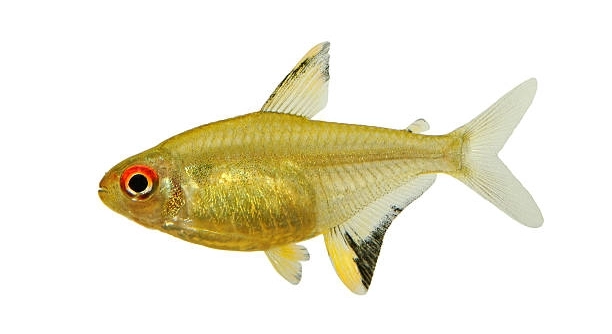
Lemon tetras are small, lively fish that brighten any aquarium with their vibrant yellow hue. Observing them over time can reveal subtle changes, signaling their natural aging process. Recognizing these shifts helps maintain their comfort and overall well-being.
Common signs of aging in lemon tetras include faded coloration, slower swimming patterns, reduced appetite, fin wear, irregular breathing, changes in body shape, and occasional lethargy. Monitoring these indicators allows owners to adjust care and ensure optimal health for older fish.
Being aware of these signs allows you to provide better care and maintain a healthy, thriving environment for your lemon tetras.
Faded Coloration
As lemon tetras age, their bright yellow coloration often begins to dull. This change is gradual and may not be immediately noticeable. The vibrant shine that once stood out in your aquarium can start to soften, giving them a more muted appearance. Factors such as water quality, diet, and lighting can influence how quickly this fading occurs. Older tetras may also show uneven coloration, with some areas appearing lighter than others. While this is a natural part of aging, consistent observation helps ensure that fading is not a result of illness or stress. Adjusting feeding habits to include color-enhancing foods and maintaining stable water conditions can help slow the loss of vibrancy. Regular water changes and careful monitoring of tank parameters can make a significant difference in keeping aging tetras as healthy as possible. Paying attention to these changes early allows you to respond promptly and maintain a balanced environment.
Color fading is normal but should be monitored for potential health concerns.
Gentle adjustments in diet and water conditions often restore some brightness. Using high-quality flakes or pellets enriched with carotenoids and other natural pigments can support coloration. Avoid sudden changes in lighting or temperature, as stress can exacerbate fading. Observing behavior alongside color can help identify whether the change is purely age-related or linked to other factors such as illness or poor water quality. Creating a stable, calm environment ensures your tetras maintain their natural glow for as long as possible. Consistency in care becomes increasingly important as they grow older, helping them remain active and visually appealing in the aquarium.
Slower Swimming Patterns
Older lemon tetras often swim more slowly, exploring the tank with less urgency than younger fish.
This reduced activity is a natural sign of aging.
Slower swimming can result from decreased energy levels and gradual muscle weakening. In some cases, it may indicate minor health issues, but most often, it is simply a reflection of their aging process. Tetras that previously darted quickly across the tank may now move more deliberately, hovering near plants or resting at mid-levels. Observing their interactions with other fish can also reveal changes in dominance or social behavior. Providing a calm, stress-free environment and avoiding aggressive tank mates helps aging tetras navigate their space comfortably. Minor adjustments, such as placing feeding spots in accessible areas and reducing strong water currents, can accommodate their slower movements. Maintaining consistent tank conditions, balanced nutrition, and gentle care supports their continued health and allows them to enjoy a peaceful, active life despite natural aging.
Reduced Appetite
Aging lemon tetras often eat less than they did in their younger years. They may nibble slowly or ignore certain foods, showing a clear decline in hunger and interest in meals.
Reduced appetite in older tetras is usually gradual and can be influenced by metabolic changes or minor health issues. They may still accept softer foods like bloodworms or finely crushed flakes, but large or hard foods might be ignored. Observing feeding habits closely helps identify whether decreased appetite is age-related or linked to stress, illness, or water quality. Adjusting portion sizes and offering easily digestible foods can ensure they continue receiving necessary nutrients.
Providing a variety of small, nutrient-rich meals can stimulate appetite. Offering live or frozen foods occasionally can make feeding more engaging. Avoid overfeeding, as older tetras are less active and prone to digestive issues. Keeping a consistent feeding schedule also helps maintain energy levels and supports overall health.
Fin Wear
Fins of aging lemon tetras may appear frayed, torn, or slightly ragged over time. This deterioration is usually gradual but noticeable.
Fin wear often occurs due to natural aging, frequent swimming, or interactions with tank decorations and other fish. It is not always a sign of disease but can leave tetras more vulnerable to infections if left unchecked. Maintaining clean water and removing sharp or rough surfaces in the aquarium helps minimize further damage. Occasional trimming of damaged edges, if necessary, can prevent additional fraying. Observing the fins during routine tank checks ensures early intervention if problems arise.
Proper nutrition and stable water conditions support fin regeneration. Including foods rich in protein and vitamins aids tissue repair, while consistent tank maintenance prevents bacterial or fungal growth. Gentle handling of tank elements and reducing stress from aggressive tank mates also preserves fin integrity. Regular monitoring allows for timely adjustments to care routines, keeping aging tetras healthy and maintaining the aesthetic appeal of their fins.
Irregular Breathing
Aging lemon tetras may show changes in breathing patterns, such as faster gill movement or occasional pauses. These shifts are often subtle but can indicate declining stamina or minor stress.
Monitoring breathing alongside activity and appetite helps determine if it is age-related or caused by water quality or illness.
Changes in Body Shape
Older lemon tetras may develop a slightly rounded belly or thinner midsection. These changes are gradual and often accompany slower swimming and reduced activity. Their bodies may lose some symmetry as muscle tone decreases. Maintaining proper nutrition and clean water supports overall health and helps slow these physical changes. Observing them daily allows for early detection of any concerning shifts in body shape.
Occasional Lethargy
Older tetras may rest more frequently and show less curiosity around the tank. Reduced activity is normal but should be monitored.
FAQ
What is the typical lifespan of a lemon tetra?
Lemon tetras usually live between three and five years in a well-maintained aquarium. Proper care, stable water conditions, and a nutritious diet can sometimes extend their lifespan slightly, but aging signs typically appear after two to three years.
How can I tell if my tetra is aging naturally or sick?
Natural aging shows gradual changes, like slower swimming, slightly faded color, and minor fin wear. Illness tends to appear suddenly with severe symptoms, such as rapid breathing, drastic color loss, or abnormal behavior. Regular observation helps distinguish normal aging from health problems.
Can diet improve an aging lemon tetra’s health?
Yes, diet plays an important role. Offering high-quality flakes, pellets, and occasional live or frozen foods supports energy levels and coloration. Foods rich in vitamins and protein help maintain muscle tone, improve fin health, and sustain overall vitality.
Should water conditions be adjusted for older tetras?
Stable water conditions are essential. Older tetras benefit from consistent temperature, pH, and cleanliness. Reducing strong currents and maintaining gentle filtration helps prevent stress and conserves energy, allowing aging fish to remain comfortable in their environment.
How often should I monitor an aging tetra?
Daily observation is recommended. Watching for changes in appetite, color, swimming patterns, and social behavior ensures that minor issues are detected early. Regular water testing and tank maintenance complement this observation, keeping the aquarium safe for older tetras.
Can aging lemon tetras live with younger fish?
They can, but careful monitoring is necessary. Younger, more active tetras may outcompete older fish for food or stress them with fast swimming. Providing multiple feeding spots and sufficient hiding places reduces stress and ensures all fish receive proper nutrition.
What signs require a vet or professional consultation?
If you notice rapid breathing, extreme lethargy, swollen or discolored body parts, or severe fin damage, it may indicate disease. Persistent changes beyond normal aging should prompt professional advice to prevent further health decline.
Can environment enrichment help older tetras?
Yes, adding plants, gentle currents, and shaded areas encourages exploration without causing stress. Providing a varied and safe environment supports mental stimulation, reduces boredom, and allows older tetras to maintain natural behaviors.
Are there medications safe for older tetras?
Medications should be used cautiously. Only treat with aquarium-safe products specifically recommended for the issue at hand. Overmedicating or using strong chemicals can stress aging fish further and worsen health problems.
Is breeding recommended for older tetras?
Breeding is not advised for older lemon tetras. Their reproductive capabilities decline with age, and attempting breeding can stress them, impacting overall health. Focus on maintaining a comfortable and stable environment instead of reproduction.
How do I handle an older tetra during tank maintenance?
Minimize handling. Use gentle nets and avoid sudden movements. Stress from rough handling can exacerbate aging signs and increase susceptibility to disease. Observing without physical interference is generally safer for older fish.
Can water temperature affect aging signs?
Yes, stable temperatures help prevent stress. Sudden fluctuations can worsen lethargy, slow metabolism, or trigger illness. Keeping the tank within the recommended range for lemon tetras ensures older fish maintain comfort and energy levels.
What is the best way to keep fins healthy in older tetras?
Consistent water quality, a diet rich in protein and vitamins, and a safe environment free of sharp decorations support fin health. Regular observation allows early detection of fraying or tears, which can then be addressed promptly to prevent infection.
Do older tetras need different social conditions?
Older tetras benefit from a calm, predictable social structure. Avoid adding overly aggressive or hyperactive fish. Providing adequate space and hiding spots reduces stress, helping older tetras interact safely while maintaining natural behaviors.
How can I encourage activity in older tetras?
Gentle currents, varied feeding techniques, and environmental enrichment can stimulate movement. Avoid overcrowding, and provide areas for resting. Encouraging natural behaviors without pushing them too hard helps maintain mobility and prevents lethargy.
Is it normal for older tetras to spend more time at the bottom of the tank?
Yes, older tetras may rest at lower levels more often. This behavior is usually age-related, reflecting reduced energy levels. Ensure water quality remains optimal, as persistent bottom-dwelling combined with other symptoms could indicate illness.
Can aging signs be reversed in lemon tetras?
Most aging signs cannot be reversed but can be managed. Proper diet, stable water conditions, and gentle care help slow progression and maintain quality of life. Focus on supporting health rather than reversing natural aging processes.
Are supplements necessary for older tetras?
Supplements are optional. A balanced diet usually provides essential nutrients, but vitamin-enriched foods or occasional live/frozen treats can enhance vitality, color, and immune function in aging fish. Avoid over-supplementation, which may stress the fish or degrade water quality.
How often should I clean the tank for older tetras?
Maintain a regular cleaning schedule. Weekly partial water changes, substrate vacuuming, and filter checks help prevent harmful buildup. Clean, stable conditions reduce stress and protect older tetras from disease, supporting their well-being throughout their later years.
Can aging tetras still school with others?
Yes, but they may lag behind or be less active than younger fish. Ensure the group size is adequate, and avoid aggressive or hyperactive tank mates. This allows older tetras to remain part of the school without undue stress.
How do I manage minor injuries in older tetras?
Small fin tears or scratches should be monitored closely. Isolate if necessary to prevent infection, maintain clean water, and provide gentle care. Avoid strong currents or rough decorations that may worsen injuries, supporting recovery and comfort.
What long-term care adjustments help aging lemon tetras?
Focus on stable water, consistent feeding, gentle handling, environmental enrichment, and observation. Adjust diet to nutrient-rich foods, provide calm social conditions, and minimize stressors to ensure older tetras enjoy a safe, healthy, and comfortable environment.
Final Thoughts
Caring for aging lemon tetras requires attention, patience, and consistency. These small fish may seem delicate, but they are resilient when provided with a stable environment and proper nutrition. Observing subtle changes over time, such as slower swimming, fading coloration, or fin wear, allows you to adjust care and respond to their needs effectively. Aging is a natural process, and while it cannot be stopped, proper maintenance helps ensure your tetras remain healthy and active for as long as possible. The goal is not to prevent aging but to support your fish so they experience comfort and stability throughout their later years. Regular tank maintenance, such as partial water changes, careful monitoring of water parameters, and removal of sharp or abrasive decorations, contributes significantly to the overall well-being of older tetras.
Nutrition plays a key role in managing the health of aging fish. Providing a balanced diet tailored to their needs supports energy levels, coloration, and fin health. High-quality flakes or pellets, supplemented occasionally with live or frozen foods, can make a noticeable difference in their vitality. Adjusting portion sizes to reflect reduced appetite is important, as overfeeding can lead to water quality issues and digestive stress. Older lemon tetras may require softer or more easily digestible foods, which encourages regular feeding without strain. Consistency in feeding times also helps regulate their metabolism and maintains their routine. Combined with environmental adjustments, such as reducing strong currents and offering shaded areas, proper nutrition contributes to both physical health and comfort, allowing your fish to continue thriving despite age-related changes.
Observation is the most effective tool for supporting aging lemon tetras. Daily attention to behavior, swimming patterns, breathing, and interaction with tank mates provides valuable insights into their health. Changes in activity or appetite can signal aging or emerging health concerns, allowing for timely intervention. Creating a calm, stable aquarium environment with adequate hiding places and gentle social interactions reduces stress and encourages natural behaviors. While some aging signs are inevitable, careful monitoring and responsive care make a significant difference in quality of life. By combining clean water, proper nutrition, environmental enrichment, and attentive observation, you can help your lemon tetras age gracefully, maintaining vitality and comfort. Supporting their health with these practices ensures that they continue to be vibrant, active, and visually appealing members of your aquarium.

Hello,
If you enjoy the content that we create, please consider saying a "Thank You!" by leaving a tip.
Every little bit helps us continue crafting quality advice that supports the health, happiness, and well-being of pets around the world, for pets of all shapes, sizes, and species.
We really appreciate the kindness and support that you show us!