
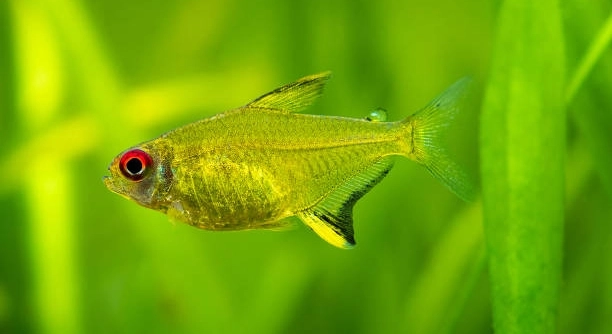
Are your lemon tetras swimming calmly together and creating a peaceful atmosphere in your aquarium, making you wonder what signs show they are truly getting along well in their shared space each day at home?
Lemon tetras show good social harmony when they swim together smoothly, maintain steady group formation, display bright coloration, avoid aggressive chasing, eat calmly, and move consistently. These behaviors indicate strong social bonds and a stable environment that supports their wellbeing.
These simple indicators highlight peaceful interactions that create a community, encouraging you to explore the signs that shape their companionship.
Consistent Schooling Behavior
Consistent schooling behavior is a reliable sign that lemon tetras are getting along well, and it often reflects a comfortable environment that supports stable interactions. When they move together at a steady pace, they show a natural sense of unity that develops when stress levels are low and conditions are appropriate. Their synchronized swimming patterns indicate trust, and this rhythm helps keep the group balanced throughout the day. You may also notice how their movements stay smooth even when the lighting changes or when you approach the tank gently. This steady formation shows they feel protected within their group, and it also highlights their ability to adapt to minor changes in their surroundings without becoming restless. When their environment remains calm and predictable, this behavior becomes even more consistent, creating a peaceful atmosphere that makes caring for them feel rewarding and simple each day you observe their activity at home.
This steady coordination reflects healthy social patterns that support long term stability in your aquarium. Their smooth formation helps maintain order, allowing the group to function naturally. When this behavior remains consistent, it strengthens their sense of safety and encourages balanced movement that contributes to an overall calm environment daily.
Observing this behavior regularly makes it easier to understand how your lemon tetras interact. Their steady swimming patterns reflect a natural rhythm shaped by comfort and familiarity, and this closeness supports their overall health. When they remain near one another without sudden darting, they show confidence in their surroundings. This relaxed movement also signals that water conditions, lighting, and general tank care are meeting their needs. These subtle signs play a strong role in maintaining harmony, helping you recognize when their environment is supporting their wellbeing. Watching them glide in unison can make caring for them feel simple and pleasant.
Calm Feeding Interactions
Calm feeding interactions show stable social behavior among lemon tetras, allowing them to share space without tension. When they gather smoothly at feeding time, they display comfort and familiarity that reflect healthy group dynamics supported by consistent care and balanced tank conditions that keep their daily activity calm and steady.
When lemon tetras eat together without rushing or nipping, it shows their environment is supporting peaceful interactions. Their calm approach to food helps reduce tension, allowing each fish to access what it needs without disturbance. This gentle behavior reflects stable group dynamics shaped by consistent lighting, steady water flow, and dependable feeding schedules. You may notice how they move in controlled patterns, approaching the food with steady motions rather than abrupt jumps. This kind of behavior indicates that they feel secure within their group, and it also shows that their surroundings remain predictable throughout the day. Balanced feeding habits encourage long term harmony in the tank, supporting their wellbeing and helping them maintain bright coloration and smooth movements. When food is distributed evenly, they adapt naturally, forming pleasant routines that shape their overall behavior. Over time, these patterns create a calm atmosphere that makes observing them feel relaxing, while also helping you recognize how their daily habits reflect good health. Their steady eating behavior becomes one of the clearest signs that they are living comfortably, interacting with one another in a way that keeps their environment peaceful and easy to manage each day in your care with steady daily consistency.
Bright and Stable Coloration
Bright and stable coloration reflects comfortable conditions that support peaceful interactions among lemon tetras. When their tones stay vivid throughout the day, it shows their stress levels remain low and their group behavior stays balanced within the aquarium.
Coloration often improves when water quality stays steady, lighting remains gentle, and their surroundings feel familiar. When their bodies hold a clear yellow glow and their fins appear crisp, it shows their overall comfort. This visual consistency reflects harmony within the group, allowing each fish to move confidently without showing signs of tension. Subtle shifts in light or activity rarely disrupt their appearance when their environment meets their needs. Steady colors signal that their care routine is working well, helping you understand how their daily rhythm supports their comfort.
You may notice their colors look stronger when their feeding schedule remains consistent and their space stays uncluttered. This steadiness shows their interactions follow a natural pattern shaped by comfort and predictability. When they swim calmly beside one another with no sudden streaks or faded patches, their appearance confirms that they feel secure. Color stability also reflects their ability to adjust gently to light changes or movement outside the tank. These small signs offer helpful insight into the health and harmony shaping their daily experience.
Smooth Territory Sharing
Smooth territory sharing shows your lemon tetras feel settled enough to move freely without creating conflict. When they glide through the tank without guarding specific areas, it signals balanced interactions supported by a calm environment that remains consistent each day.
Their ability to explore the tank without blocking one another reflects a sense of ease that forms when stress stays low. When they shift between plants, open swimming space, and shaded areas without pushing others aside, it shows their environment supports gentle patterns. This behavior also develops when tank layout remains simple and water flow stays steady, creating predictable movement that keeps them relaxed. You may see them weaving around decor at a slow pace, passing each other with no sudden bursts of energy. These interactions help maintain order, allowing each fish to enjoy shared space comfortably. Smooth territory sharing also highlights strong group structure, making it easier for them to settle into calm routines that reflect stable wellbeing over time.
Gentle Body Language
Gentle body language shows lemon tetras feel calm around one another. When their movements stay soft and they avoid sharp turns, their behavior reflects comfort. This subtle ease often appears when their surroundings remain predictable and their daily routine stays balanced.
You may notice their fins stay open rather than tucked, which signals low stress. Their smooth patterns of movement show they feel safe in the group. When they glide without sudden dashes, it becomes clear that their environment supports peaceful interactions.
Minimal Chasing or Aggression
Minimal chasing or aggression indicates a steady environment that helps your lemon tetras feel secure. When they move without nipping or singling out another fish, their group remains balanced. This calm behavior often develops when the tank layout provides open space, gentle hiding areas, and consistent water conditions. You may see them shifting through plants without disturbing one another, showing their comfort with shared space. Their peaceful movement also reflects predictable feeding habits, which keep tension low. When they remain steady during normal activity, it becomes clear that their social structure stays stable throughout the day.
Coordinated Resting Patterns
Coordinated resting patterns show your lemon tetras feel safe enough to relax near one another. When they settle calmly in similar areas without tension, it reflects trust shaped by steady conditions and balanced daily care.
FAQ
How many lemon tetras should I keep together?
Lemon tetras are social fish that thrive in groups. Keeping at least six together allows them to form natural schooling behavior and reduces stress. Smaller groups may lead to shy or aggressive behavior because the fish cannot establish proper social balance. A group of eight to ten is often ideal for most home aquariums, giving them room to interact freely without overcrowding. Maintaining a proper number also helps spread attention during feeding and reduces the chance of one fish dominating space, which supports overall harmony.
What tank size is suitable for lemon tetras?
A minimum tank size of 20 gallons is recommended for a small group of lemon tetras. Larger tanks offer more space for schooling, swimming, and natural exploration, which reduces stress and supports stable interactions. The additional room allows for the inclusion of plants, hiding spots, and gentle decorations that mimic their natural habitat. Avoid overcrowding, as it can increase tension and provoke chasing or aggression. Adequate space also helps maintain consistent water quality, which is essential for keeping their colors bright and behavior calm.
How often should I feed lemon tetras?
Feeding lemon tetras once or twice a day in small portions works best. Overfeeding can lead to water quality issues, which affects their health and behavior. A balanced diet including flakes, micro pellets, and occasional live or frozen foods helps maintain their energy, coloration, and social stability. During feeding, observe how they interact. Calm feeding without chasing indicates proper social balance. Unequal food distribution may trigger competition, so spreading food evenly helps keep interactions peaceful. Consistency in feeding time and portion sizes supports their daily rhythm and overall well-being.
Can lemon tetras live with other fish?
Yes, lemon tetras are generally peaceful and can live with other non-aggressive species. Ideal tankmates include small rasboras, guppies, and peaceful dwarf cichlids. Avoid large or aggressive fish, as they may intimidate tetras and disrupt schooling or resting patterns. Compatibility is easier to maintain when tank size is sufficient, hiding spots are available, and the group size of tetras is stable. Observing initial interactions is important to ensure calm coexistence. Peaceful species with similar water preferences reduce stress, allowing tetras to maintain their bright coloration, synchronized swimming, and social harmony.
How can I tell if lemon tetras are stressed?
Signs of stress include faded colors, erratic swimming, constant hiding, or fin clamping. Increased chasing, aggression, or isolated behavior may also indicate tension within the group. Stress often arises from poor water quality, overcrowding, sudden temperature shifts, or aggressive tankmates. Maintaining steady water parameters, stable temperature, and proper lighting helps reduce stress. Observing daily behavior allows you to detect subtle changes early. Addressing stressors promptly supports social stability, bright coloration, and regular schooling behavior, ensuring your tetras remain healthy and interact peacefully.
Do lemon tetras need plants and decorations?
Yes, plants and decorations provide hiding spots, resting areas, and visual barriers, which reduce aggression and stress. Live plants improve water quality by absorbing nitrates and providing oxygen. Decorations that mimic natural habitats encourage exploration while allowing fish to establish personal space without conflict. Smooth surfaces prevent injuries during swimming, and clustered plants help maintain coordinated resting or feeding behavior. Arranging decor to create open swimming lanes supports schooling and consistent group movement. A balanced layout strengthens social harmony and gives lemon tetras a safe, enriched environment where they can thrive.
How do I maintain water quality for lemon tetras?
Maintaining clean water is crucial for lemon tetras’ health and social behavior. Regular water changes, typically 25% weekly, remove toxins and maintain chemical balance. A reliable filter ensures water circulation, oxygenation, and removal of debris. Monitor parameters such as pH, temperature, ammonia, nitrites, and nitrates to prevent stress-related behavior. Stable water conditions support bright coloration, calm schooling, and minimal aggression. Avoid sudden changes, which can disrupt their rhythm. Clean substrate and controlled feeding help prevent waste accumulation, creating a stable environment that encourages natural, peaceful interactions within the group.
How long do lemon tetras live?
Lemon tetras typically live between 5 and 8 years with proper care. Lifespan depends on consistent water quality, diet, and stress-free conditions. Keeping them in appropriate group sizes, providing space to swim, and maintaining a calm environment contribute to longevity. Regular observation of their behavior ensures early detection of illness or social tension. Healthy fish show steady schooling, bright coloration, calm feeding, and coordinated resting. Supporting these behaviors through proper care encourages a full lifespan, allowing them to remain vibrant and active in the aquarium for many years.
Can lemon tetras breed in a community tank?
Breeding in a community tank is possible but uncommon due to other fish potentially eating eggs. Lemon tetras prefer slightly acidic water and dense plants for spawning. Separating a breeding pair into a dedicated tank increases success and protects fry. Parents display bright colors and calm behavior before spawning, but eggs are vulnerable to disturbance. Maintaining stable water conditions, gentle lighting, and minimal disruption supports reproductive behavior. Observing social harmony and peaceful interactions helps indicate readiness for spawning, ensuring the process does not stress the existing group.
What is the best temperature range for lemon tetras?
Lemon tetras thrive in temperatures between 72°F and 78°F. Maintaining this range supports calm movement, steady coloration, and smooth schooling. Sudden shifts in temperature can stress the fish, leading to aggression or hiding. Consistent heating with a reliable thermometer ensures their daily activity remains balanced. Stable temperature also supports proper feeding behavior and social interactions. Avoid extremes that could trigger illness or disrupt group coordination. Keeping water within this range allows lemon tetras to maintain their peaceful behavior, natural rhythm, and overall well-being.
Final Thoughts
Caring for lemon tetras requires attention to their social behavior and environmental needs. These small fish are peaceful and thrive when kept in groups that allow them to school naturally. Observing their movements, coloration, and interactions provides insight into how well they are getting along. Smooth swimming patterns, consistent group formation, and calm feeding habits are all signs that your tetras feel safe and comfortable in their surroundings. When these behaviors are present, it reflects both a stable environment and proper care. Maintaining a balanced tank with adequate space, gentle water flow, and plants or decorations allows them to move freely without stress. Their social harmony depends on predictable daily routines, including feeding, lighting, and water maintenance. When these factors are kept steady, the group maintains peaceful interactions, minimizing aggression and ensuring each fish has its place within the tank. Over time, these small indicators help you understand how your tetras relate to each other and allow you to adjust their environment to encourage calm and healthy behavior.
Water quality and temperature play an essential role in promoting well-being among lemon tetras. Clean water with stable pH, low ammonia, and moderate nitrate levels helps maintain bright coloration and reduces stress that could otherwise lead to chasing or hiding. Temperature control within the 72°F to 78°F range supports proper metabolic function, feeding behavior, and coordinated movement. Regular water changes, careful monitoring of chemical levels, and a consistent filter system are all necessary for long-term stability. Even small changes in water conditions can influence social behavior, making it important to observe the group closely. The presence of plants and hiding spots further enhances a sense of security, allowing tetras to rest without fear and explore the tank without conflict. By maintaining a calm, balanced habitat, you provide the conditions that enable lemon tetras to develop natural routines and strong social bonds. This creates an aquarium that feels harmonious, not only for the fish but also for the person caring for them.
Feeding practices and group dynamics also affect how well lemon tetras coexist. Providing small portions once or twice a day helps prevent competition and aggression, allowing each fish to access food without stress. Observing calm feeding behavior is one of the clearest ways to measure social stability within the group. Similarly, avoiding overcrowding ensures that fish have enough space to school, swim, and rest, further supporting peaceful interactions. Over time, regular observation of these behaviors—swimming patterns, resting positions, coloration, and response to feeding—gives a clear picture of their overall comfort and group harmony. By paying attention to these subtle signs, you can ensure that your lemon tetras remain healthy, active, and balanced in their aquarium. Creating an environment that supports these natural behaviors fosters a stable, peaceful community where your fish can thrive, making daily care straightforward and enjoyable.

Hello,
If you enjoy the content that we create, please consider saying a "Thank You!" by leaving a tip.
Every little bit helps us continue crafting quality advice that supports the health, happiness, and well-being of pets around the world, for pets of all shapes, sizes, and species.
We really appreciate the kindness and support that you show us!