
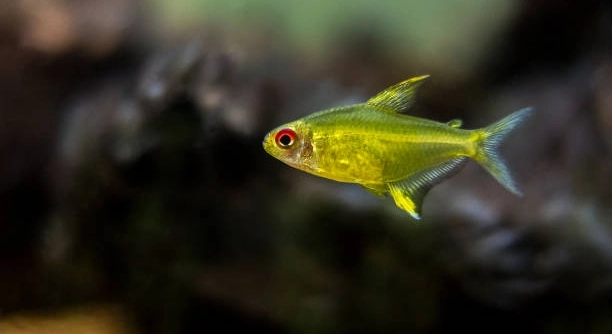
Watching your Lemon Tetra swim gracefully in the aquarium can be rewarding, but keeping track of their growth requires attention. Noticing subtle changes in size and behavior helps ensure their health and thriving environment. Observation is key.
Tracking Lemon Tetra growth involves measuring body length, monitoring coloration, and recording behavioral changes over time. Regular documentation allows for accurate assessment, early detection of health issues, and ensures proper nutrition and tank conditions for steady, healthy development.
Consistent observation and careful records provide valuable insights, making it easier to support your Lemon Tetras as they grow and flourish in your care.
Setting Up a Proper Observation Routine
Creating a routine for tracking your Lemon Tetras’ growth is essential for accurate monitoring. Start by designating a consistent time of day to observe your fish, preferably when the tank lighting is stable. Use a small ruler or a measuring grid along the aquarium glass to gauge their size. Take notes of their length, body shape, and any changes in coloration. Regular photographs can also help track subtle differences that might be missed during casual observation. Behavioral notes are equally important; watch for activity levels, interactions with other fish, and feeding responses. Consistency in observation prevents misleading conclusions that may arise from temporary changes caused by water conditions or lighting. Recordkeeping can be as simple as a notebook or a digital spreadsheet, but the key is regular entries. Over time, these detailed records provide a clear picture of growth trends, helping identify any needs or adjustments in care.
A steady observation schedule ensures nothing is overlooked. Recording details systematically makes patterns in growth easier to spot and understand.
Keeping detailed records allows you to see how your Lemon Tetras respond to their environment. Small shifts in size or behavior often indicate tank conditions or diet adjustments may be needed. Regular, structured monitoring helps maintain their health and encourages steady growth.
Monitoring Nutrition and Feeding
Feeding habits directly affect the growth of Lemon Tetras. Provide a balanced diet including high-quality flakes, micro pellets, and occasional live or frozen foods. Observe how much each fish eats and whether some are being outcompeted during feeding times.
Adjusting the feeding routine is necessary if you notice uneven growth. Overfeeding can deteriorate water quality, while underfeeding can stunt growth. Ensuring variety in diet provides essential nutrients that promote proper development. Smaller, more frequent feedings can prevent competition and reduce stress among the fish. Keeping the tank clean and removing uneaten food ensures that water quality remains optimal. Monitor your fish after feeding for signs of full stomachs or sluggish behavior, which may indicate dietary imbalances. Over several weeks, these careful adjustments show noticeable improvements in growth rates and overall vitality. Observing reactions to different foods also helps tailor the diet for the healthiest results.
Regularly evaluating and adjusting the diet is crucial for steady growth. Each Lemon Tetra may respond differently, so attention to individual needs ensures all thrive.
A balanced, consistent feeding plan supports healthy growth, strengthens immune function, and maintains energy levels. Observing responses to diet over time allows informed adjustments for optimal care and development.
Measuring Growth Accurately
Using a small ruler or measuring grid against the tank glass provides precise size readings. Record each measurement in a notebook or spreadsheet to track changes over time. Consistency in timing and method ensures reliable growth tracking and helps detect subtle shifts.
Regular measurement allows for tracking individual Lemon Tetras and identifying variations in development. Measure from the tip of the snout to the base of the tail for accuracy. Take multiple readings at different times to account for movement and ensure consistency. Photographing the fish alongside a scale can provide visual confirmation and allow comparison over days or weeks. Keeping all data organized helps in recognizing patterns and spotting any irregularities early. Consistent, accurate measurement is critical for evaluating the effectiveness of feeding and tank conditions.
Tracking growth over time requires patience and attention. Subtle differences often reveal important trends in health, diet, and environment. Clear records make it easier to provide each fish with proper care.
Observing Behavioral Changes
Behavior reflects growth and overall well-being in Lemon Tetras. Active swimming, normal schooling, and consistent feeding habits indicate healthy development. Changes in behavior often signal stress, illness, or nutritional deficiencies that can impact growth if not addressed promptly.
Monitoring interactions within the tank helps identify dominant or timid fish. Dominant fish may monopolize food, affecting the growth of others. Note if certain fish avoid swimming or hide frequently, as these can be early signs of health issues. Regular observation also helps determine if environmental factors like water flow, lighting, or tank decorations affect activity levels. Adjusting tank conditions based on these behavioral insights promotes a stable, healthy environment for steady growth.
Behavioral observation provides a non-invasive way to assess growth progress. Combined with measurements and feeding records, it ensures a comprehensive understanding of each Lemon Tetra’s development and needs.
Water Quality and Its Impact
Stable water conditions are essential for healthy growth. Regular testing for ammonia, nitrite, nitrate, and pH levels ensures the environment supports development. Sudden changes can stress Lemon Tetras and slow growth, so maintain consistency in temperature and water parameters.
Frequent partial water changes help remove toxins and keep water clear. A clean, stable environment supports strong immune systems and encourages proper feeding behavior, directly influencing growth rates.
Using Visual References
Photographs over time provide a clear record of growth. Comparing images weekly allows subtle changes in size, shape, and coloration to be documented and assessed efficiently.
Identifying Growth Patterns
Some Lemon Tetras grow faster than others due to genetics, diet, and social dynamics. Recognizing these patterns helps anticipate their developmental needs. Recording differences ensures targeted care and supports balanced growth within the group.
Keeping Detailed Logs
Maintain consistent notes on measurements, behavior, and diet. Organized logs make it easier to track progress and detect early signs of growth issues, supporting long-term health and proper development.
FAQ
How often should I measure my Lemon Tetras?
Measuring once a week is generally sufficient to track growth without causing stress. Consistency is more important than frequency. Pick a specific day and time each week, preferably during calm periods when the fish are less active, to ensure reliable results.
What is the best method for measuring them?
Use a small ruler or a measuring grid placed against the aquarium glass. Measure from the tip of the snout to the base of the tail. Taking photographs alongside a scale provides a visual record that complements your measurements and helps detect subtle changes over time.
Can diet affect growth speed?
Yes, diet plays a major role. A varied diet including high-quality flakes, micro pellets, and occasional live or frozen foods ensures proper nutrition. Smaller, frequent feedings prevent competition, reduce stress, and help all fish receive adequate nutrition. Monitoring each fish’s feeding habits is important.
How do I know if my fish are growing properly?
Healthy growth is steady, with gradual increases in size and consistent behavior. Coloration should remain vibrant, and fish should swim actively and interact normally within the school. Comparing weekly measurements and photographs makes it easier to spot irregularities early.
Will water quality impact growth?
Absolutely. Stable water parameters are crucial. Regularly check ammonia, nitrite, nitrate, and pH levels. Partial water changes help maintain clean water, and consistent temperature prevents stress. Poor water conditions can slow growth, affect appetite, and cause health problems.
What behavioral signs indicate growth problems?
Watch for reduced activity, hiding, or lack of interest in food. Dominant fish monopolizing food can stunt the growth of others. Unusual aggression or lethargy may indicate stress, illness, or improper tank conditions, all of which can affect development.
Should I separate slower-growing fish?
It can help if dominant fish are preventing weaker individuals from eating properly. Use a separate tank or feeding area to ensure all fish receive enough nutrition. Observe closely to avoid overfeeding or creating additional stress for isolated fish.
How can I track subtle changes in size?
Photographs and consistent measurements are the best tools. Compare images weekly to note differences in length, body shape, and fin development. Keeping detailed logs allows you to recognize patterns and address issues before they affect health.
What is a normal growth rate for Lemon Tetras?
Growth rates vary depending on diet, tank conditions, and genetics. Generally, young tetras grow rapidly in the first few months and then gradually slow. Monitoring individual progress helps ensure each fish reaches a healthy adult size.
Are there environmental factors that influence growth?
Yes, tank size, number of fish, and water flow all play a role. Overcrowding can stunt growth, while proper spacing allows fish to swim freely and feed evenly. Lighting and plant coverage can also affect behavior and comfort, indirectly supporting growth.
How do I keep my records organized?
Use a notebook, spreadsheet, or digital document. Include dates, measurements, photographs, and notes on behavior and diet. Consistent records make it easier to spot patterns, compare growth rates, and adjust care as needed.
Can I rely on behavior alone to track growth?
Behavior is important but not sufficient by itself. Combine observations with measurements and photographs for a complete picture. Active, feeding fish with steady growth are generally healthy, while changes in behavior can signal early issues.
What should I do if growth slows?
Check water parameters, feeding routine, and social dynamics. Adjust diet, ensure water quality is optimal, and reduce competition if needed. Persistent issues may require consulting an experienced aquarist or veterinarian to rule out illness.
Is it necessary to measure every fish?
Measuring each fish individually provides the most accurate assessment, especially in mixed growth rates. However, for larger schools, sampling several representative fish can provide a general overview of overall progress.
How long should I keep tracking growth?
Continue regular monitoring throughout the first year and periodically after that. Young tetras grow rapidly, but adults benefit from ongoing observation to maintain health and detect early signs of disease or stress.
Can growth be reversed if issues are corrected?
Slowed growth can improve if water quality, diet, and social conditions are optimized. While some developmental delays may not fully catch up, addressing problems early maximizes the chances of healthy growth.
Does tank decoration affect growth?
Yes, decorations influence swimming space and hiding opportunities. Providing both open areas and hiding spots supports natural behavior, reduces stress, and ensures all fish can feed and grow without interference.
Should I adjust lighting for growth?
Lighting affects activity and feeding behavior. Stable, appropriate lighting helps maintain normal behavior patterns, supporting healthy growth. Avoid sudden changes, as they can stress fish and temporarily affect appetite.
How do I detect individual growth differences?
Compare weekly measurements and photographs for each fish. Note differences in size, color, and fin development. Maintaining individual records helps provide targeted care for slower-growing fish.
Can stress affect growth?
Stress from overcrowding, aggressive tank mates, or poor water quality can slow growth. Reducing stress by optimizing conditions and ensuring proper nutrition is essential for steady development.
How can I make monitoring easier?
Create a simple schedule for measurements, photographs, and notes. Use visual aids, digital records, and consistent methods to reduce errors. Organized tracking simplifies long-term observation and ensures accurate growth assessment.
What if I notice stunted growth in multiple fish?
Evaluate tank conditions, feeding practices, and social dynamics. Group issues often point to environmental factors rather than individual health. Correcting these conditions benefits the entire school and supports uniform growth.
Is it normal for some fish to outgrow others?
Yes, genetics and minor behavioral differences cause variation. Focus on overall trends rather than isolated measurements. Ensuring even access to food and minimizing stress helps all fish reach their potential size.
How long does it take to see measurable growth?
Changes can be observed within a few weeks when monitoring consistently. Using photographs and measurements allows you to document progress and adjust care as needed for optimal development.
Can I use apps to track growth?
Yes, apps for aquarists or spreadsheets can store measurements, photos, and notes efficiently. Digital records simplify comparisons, help spot patterns, and make long-term monitoring easier to manage.
Should I track color changes too?
Coloration reflects health and development. Bright, consistent colors indicate proper nutrition and low stress. Documenting changes alongside size provides a fuller picture of overall growth and well-being.
How do I address uneven growth in the tank?
Feed smaller, weaker fish separately if needed, adjust diet quality, and check water conditions. Observing interactions helps prevent bullying and ensures all fish have equal opportunities to thrive.
Are live foods better for growth than flakes?
Live foods provide protein and stimulate natural feeding behavior, promoting growth. However, a balanced diet combining flakes, pellets, and occasional live food ensures proper nutrition while minimizing the risk of overfeeding or contamination.
How important is patience in tracking growth?
Patience is crucial. Growth is gradual, and changes may be subtle. Consistent observation, careful recordkeeping, and timely adjustments yield the best results for healthy, steady development of Lemon Tetras.
Can water temperature influence growth?
Yes, stable temperatures within the species’ ideal range support metabolism and feeding behavior. Sudden fluctuations can stress fish, reduce appetite, and slow growth. Consistent monitoring and adjustments maintain optimal conditions for development.
How do I know when to stop frequent tracking?
Once fish reach adulthood and growth stabilizes, you can reduce measurement frequency. However, continue periodic monitoring to ensure ongoing health and detect potential issues early.
Is tracking growth only for beginners?
No, even experienced aquarists benefit from monitoring. Regular tracking ensures optimal care, identifies subtle issues early, and helps maintain a healthy, thriving aquarium over time.
Can tank mates affect growth?
Yes, aggressive or fast-eating fish can outcompete Lemon Tetras. Observing interactions and adjusting feeding practices or tank composition ensures all fish grow properly and remain healthy.
What is the most important takeaway for tracking growth?
Consistency, accuracy, and attention to diet, water quality, and behavior are key. Combining measurements, photographs, and logs provides a complete picture of each fish’s development and supports long-term health.
How can I simplify the tracking process?
Set a weekly routine, use photos and measurements, and maintain organized logs. Small, consistent efforts make monitoring manageable and effective without overwhelming your schedule.
Does stress affect color as well as growth?
Yes, stressed Lemon Tetras often show duller colors, reduced activity, and slower growth. Addressing environmental factors and maintaining consistent care improves both appearance and development.
Are smaller tanks more challenging for growth tracking?
Smaller tanks make it easier to observe fish closely but require careful monitoring of water quality. Rapid changes can affect growth, so frequent checks are essential to maintain a stable environment.
Can seasonal changes affect growth?
Yes, light duration, room temperature, and water conditions can vary seasonally. Adjusting tank maintenance, heating, and feeding routines helps maintain stable growth throughout the year.
How long should logs be kept?
Keep records at least through the first year of life. For long-term care, maintaining periodic logs helps track ongoing health, diet response, and any late growth changes.
Is it normal for fish to grow unevenly in early stages?
Yes, early growth can vary due to genetics and competition. Proper feeding and stress-free conditions help even out growth over time.
What is the best way to review growth trends?
Use charts or side-by-side photos to visualize changes. Comparing weekly or monthly measurements highlights trends, making it easier to adjust care and ensure steady development for all Lemon Tetras.
How often should I update my records?
Update weekly for measurements and observations. Note any feeding or environmental changes promptly to maintain an accurate and useful growth record.
Can growth tracking prevent health issues?
Yes, consistent monitoring allows early detection of stunted growth, illness, or stress-related problems. Timely interventions improve health outcomes and support steady development.
Should I track each fish individually or the group as a whole?
Tracking individually provides the most accurate insight, especially in uneven growth situations. Group-level observations give a general sense, but individual logs ensure no fish is overlooked.
Are photographs really necessary?
Yes, photos complement measurements, making subtle changes easier to detect. They provide a visual history and make comparisons over time straightforward and reliable.
Can I combine methods for best results?
Yes, combining measurements, photographs, and behavior notes gives a comprehensive view of growth. This approach ensures accurate tracking and informs adjustments to diet, environment, and care routines.
What is the final goal of tracking growth?
The goal is to ensure healthy, steady development, detect early problems, and provide optimal care for each Lemon Tetra in your aquarium. Consistent monitoring leads to stronger, more vibrant fish.
How do I maintain motivation to track growth consistently?
Seeing gradual improvements and documenting changes keeps the process rewarding. Organized routines, simple logs, and clear observation goals make tracking manageable and worthwhile over time.
Can tracking growth improve aquarium management overall?
Yes, it encourages attention to water quality, diet, behavior, and environment. This holistic approach benefits all fish and supports a healthy, balanced tank ecosystem.
Does tracking affect fish behavior?
If done gently, it does not. Using calm handling, consistent methods, and minimal disturbance ensures fish remain relaxed while measurements and observations are taken.
Is there a recommended tool for recording growth?
Spreadsheets, notebooks, and aquarist apps all work. The key is consistency, clarity, and including measurements, photos, and behavior notes for a complete record.
Can growth tracking be applied to other fish species?
Yes, the principles of consistent measurement, observation, and recordkeeping apply to most aquarium fish. Adjust techniques for size, behavior, and dietary needs specific to each species.
How detailed should my behavior notes be?
Include feeding response, activity levels, interactions, and signs of stress or illness. Detailed notes alongside measurements provide context and improve interpretation of growth trends.
How do I ensure accuracy in measurements?
Use a ruler or grid against the glass, measure at consistent times, and take multiple readings if necessary. Photographs provide additional verification and help reduce errors.
What if I notice color changes without size changes?
Color shifts may indicate stress, water quality issues, or diet deficiencies. Monitor environmental factors and feeding habits, as color often reflects overall health alongside growth.
Should I continue tracking after fish reach full size?
Yes, periodic checks ensure continued health, detect late issues, and maintain optimal conditions for longevity and overall well-being.
Can stress from frequent measurement affect growth?
Minimal stress occurs if measurement is done carefully and quickly. Consistency in handling reduces risk and ensures reliable tracking without harming the fish.
Are live and frozen foods equally effective for growth?
Both provide nutrition, but live foods stimulate natural behavior and may encourage more active feeding. A balanced combination of flakes, pellets, and occasional live foods is most effective.
How can I handle multiple fish during measurement?
Measure individually in calm conditions, or use photos for simultaneous visual comparison. Patience and consistency prevent stress and ensure accurate records.
What is the most common mistake in growth tracking?
Inconsistency in timing, measurement methods, or recordkeeping leads to unreliable data. Standardizing procedures ensures accurate tracking and meaningful comparisons over time.
How do I interpret slow growth trends?
Slow growth may indicate water quality issues, dietary deficiencies, or social stress. Reviewing records helps identify causes and guide corrective actions for healthier development.
Does tracking improve long-term health outcomes?
Yes, monitoring growth, behavior, and environment allows early intervention, ensures proper nutrition, and supports stable development, resulting in stronger, healthier Lemon Tetras over time.
Can I make a simple weekly routine for growth tracking?
Yes, schedule one day per week for measurements, photographs, and behavior notes. This routine keeps tracking manageable, consistent, and effective.
How do I balance detail with simplicity in tracking?
Focus on essential measurements, key behavioral observations, and clear notes. Use photos for visual reference. This combination provides complete insights without unnecessary complexity.
Is there a point where tracking becomes unnecessary?
Continuous monitoring is beneficial, but frequency can decrease once fish reach adulthood and exhibit consistent health, feeding, and behavior patterns.
Can growth tracking prevent overcrowding issues?
Indirectly, yes. Observing size differences and social dynamics helps anticipate future space needs and informs decisions on tank population management.
How does tracking help with breeding readiness?
Documenting growth, size, and color development allows you to identify mature, healthy fish suitable for breeding, ensuring better success rates.
Is it normal for growth to plateau at times?
Yes, temporary slowdowns are normal as metabolism and development fluctuate. Consistent monitoring ensures that plateaus are natural rather than due to problems.
What should I do if records show a decline in growth?
Check water quality, diet, and social factors immediately. Identify potential causes and make adjustments to restore healthy growth and maintain overall well-being.
Can growth tracking improve feeding efficiency?
Yes, it helps identify which fish need more attention, prevents overfeeding, and ensures that nutrition supports steady development without waste or stress.
Is patience the most important factor in growth tracking?
Patience is essential. Growth is gradual, and careful observation over weeks or months provides accurate, actionable insights that lead to healthier fish and more effective aquarium management.
How do I keep all data easy to access?
Use a structured log with dates, measurements, photos, and behavior notes. Digital spreadsheets or apps provide organization, backup, and simple comparison over time.
Can growth tracking highlight environmental issues early?
Yes, deviations in size, color, or behavior often reveal water quality or tank setup problems before they become severe, allowing timely corrective actions.
Does tracking require special equipment?
Basic tools like a ruler, notebook, camera, or smartphone are sufficient. The key is consistency and accurate recordkeeping rather than specialized devices.
How detailed should my photographic records be?
Clear photos with a scale or reference object, taken at consistent angles and intervals, provide valuable visual comparisons that complement numerical measurements.
Can logs help with future tank planning?
Yes, tracking growth informs decisions on tank size, stocking density, and feeding routines for future setups, ensuring healthier conditions from the start.
How do I adjust care based on growth records?
Use measurements, behavior notes, and photographic evidence to tailor diet, feeding frequency, water conditions, and social arrangements to support steady development and prevent health issues.
Are there signs that tracking is not effective?
Inconsistent records, unclear measurements, or frequent missed entries reduce usefulness. Standardizing procedures and maintaining regular logs ensures tracking yields meaningful insights.
What is the overall benefit of detailed growth tracking?
It ensures healthy development, early detection of issues, and informed care decisions. Consistent, accurate monitoring creates a thriving environment for Lemon Tetras and supports long-term health.
Final Thoughts
Tracking the growth of Lemon Tetras is a process that requires patience, attention, and consistency. Each fish develops at its own pace, and subtle differences in size, behavior, or coloration are normal. By maintaining regular observations, measuring their size, and keeping clear records, you can better understand the needs of your fish. Consistent documentation allows you to spot changes early, whether they are related to diet, water quality, or social interactions within the tank. This proactive approach helps prevent potential health issues and ensures that each fish reaches a healthy adult size without unnecessary stress or complications. Growth tracking is not only about numbers; it is about observing and responding to the overall well-being of the Lemon Tetras.
Creating a routine for observation and measurement can make the process manageable and effective. Whether it is weekly measurements, photographs, or notes on behavior, maintaining consistency is key. Structured tracking makes it easier to notice gradual improvements or small declines that may otherwise go unnoticed. Paying attention to diet and feeding habits alongside measurements provides insight into how nutrition affects growth. Ensuring all fish have access to food, especially in a school with varying personalities, supports uniform development. Monitoring water conditions alongside growth also plays a vital role. Stable parameters for temperature, pH, and ammonia levels directly influence the health and growth rate of Lemon Tetras, and small fluctuations can impact progress over time. Keeping a clean, well-maintained tank complements these efforts and promotes steady development.
The overall benefit of tracking growth extends beyond just monitoring size. By combining measurements, behavioral observations, and environmental awareness, you create a complete understanding of your aquarium’s dynamics. This allows for informed decisions regarding diet adjustments, tank maintenance, and even social arrangements within the school. The process encourages careful attention to each fish while supporting a balanced environment for all. Patience and consistency are essential, as growth changes are often gradual and require time to evaluate accurately. Over time, diligent tracking ensures healthier, more vibrant Lemon Tetras and provides reassurance that their needs are being met effectively. A thoughtful, organized approach to growth tracking supports long-term well-being, allowing you to maintain a thriving aquarium with confident, well-cared-for fish.

Hello,
If you enjoy the content that we create, please consider saying a "Thank You!" by leaving a tip.
Every little bit helps us continue crafting quality advice that supports the health, happiness, and well-being of pets around the world, for pets of all shapes, sizes, and species.
We really appreciate the kindness and support that you show us!