
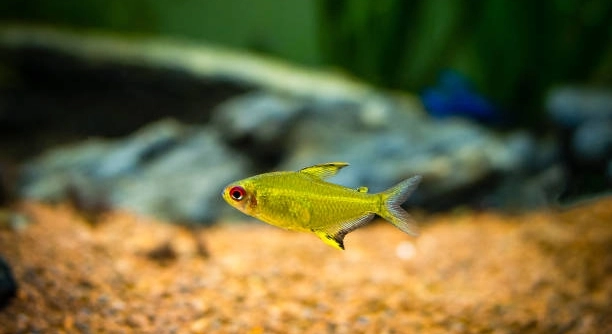
Lemon tetras are small, bright fish that bring life to home aquariums. Observing their daily behavior can be relaxing, and many owners notice patterns in their movement and resting habits. Their activity varies depending on tank conditions.
Lemon tetras do experience periods of rest during the day. These fish reduce their activity, often hovering near plants or hiding spots, which allows them to conserve energy. Daytime napping is a normal part of their natural behavior.
Recognizing their resting patterns helps maintain a healthy environment and ensures these vibrant fish thrive in your aquarium.
Understanding Lemon Tetra Resting Habits
Lemon tetras are active fish, yet they have clear resting periods throughout the day. Their naps are often subtle, with the fish hovering near plants, decorations, or at the bottom of the tank. Observing these moments can help you understand their behavior and well-being. During rest, their movements slow, and their fins may barely flutter. Environmental factors, such as lighting, temperature, and tank companions, can influence how often and how long they rest. Maintaining a stable and calm environment encourages healthy resting habits. Sudden changes in light or water conditions may disrupt their natural rhythm. Paying attention to these cues allows you to adjust their surroundings for optimal comfort. Over time, you may notice patterns, such as resting more during bright daylight or after feeding sessions. This regularity indicates a healthy adaptation to your aquarium’s setup, ensuring your tetras are both active and well-rested.
Daytime naps are essential for energy conservation and overall health in lemon tetras, supporting their natural behavior and vitality in the tank.
Tracking resting periods helps you identify unusual behavior early. A change in their patterns may signal stress or environmental discomfort, which can be corrected.
Creating an Ideal Tank Environment
Lemon tetras thrive in well-planted tanks with areas to hide and rest. Providing stable water temperature, moderate lighting, and gentle water flow encourages natural behavior. Decorations and plants offer secure spots for resting. Proper nutrition also affects their energy levels and rest patterns, so feeding balanced meals at consistent times promotes health. Overcrowding or aggressive tank mates can disrupt naps, so maintaining a peaceful community is important. Regular observation helps ensure that each tetra has enough space to rest and swim comfortably.
A calm tank environment directly influences resting habits and overall health of lemon tetras, supporting their daily activity cycles and longevity.
Monitoring water parameters, lighting cycles, and tank layout ensures your tetras experience minimal stress and maximum comfort. Consistency in maintenance and feeding schedules allows them to develop predictable resting routines. Observing how they interact with plants and hiding spots provides insight into their preferred resting areas. Over time, you can adjust lighting, plant density, and tank decor to create ideal spots for daytime naps. Understanding their needs and responding to subtle cues helps prevent stress-related behavior and supports their natural rhythm. Well-rested fish are more active, display brighter coloration, and adapt better to tank changes. Providing an environment that balances activity and rest ensures that your lemon tetras maintain their health, energy, and happiness over the long term.
Signs Your Lemon Tetra is Resting
Resting lemon tetras slow their movements and may hover in one spot near plants or decorations. Their fins barely move, and they often face the same direction for several minutes. These subtle behaviors indicate that the fish is conserving energy without being stressed or ill.
During rest, lemon tetras may slightly change color, appearing paler than usual. They choose safe areas, like dense plants or corners, where they feel secure from other fish. Unlike sleep in mammals, their eyes remain open, but activity is minimal. Resting at regular intervals helps them recover energy after swimming and social interaction. Watching these patterns can also reveal changes in their routine, which might indicate environmental issues.
Resting behavior is part of their natural rhythm. Over time, you will notice predictable patterns, such as increased stillness after feeding or during bright daylight. Maintaining stable tank conditions supports these rest periods, keeping your tetras healthy and active.
Tips for Encouraging Healthy Naps
Providing plants and hiding spots gives lemon tetras secure areas to rest. Gentle water flow and moderate lighting prevent stress and encourage natural behavior. A consistent feeding schedule also supports their daily rhythm.
Stable water temperature and proper filtration reduce sudden disturbances that might interrupt naps. Overcrowding or aggressive tank mates can prevent rest, so keeping a peaceful community is essential. Observing your tetras’ preferred resting spots allows you to adjust decorations and plant density to suit their habits. Proper diet, including high-quality flakes or frozen food, ensures energy levels remain balanced and reduces restlessness.
Lighting cycles directly affect activity levels. Simulating a natural day-night pattern with timed lights helps maintain consistent rest periods. Avoid sudden changes in illumination. Combining this with a calm environment and adequate hiding places fosters predictable, healthy naps. Regularly checking water parameters and tank layout allows minor adjustments that enhance comfort. Well-rested tetras are more active, display brighter colors, and adapt better to changes. Creating a balance of stimulation and calm ensures long-term well-being and vitality for your lemon tetras.
Ideal Resting Spots in the Tank
Lemon tetras prefer areas with plants, rocks, or decorations where they can hover safely. Dense foliage offers cover, while open areas near the tank bottom give them a sense of security during rest. These spots help reduce stress and maintain their natural behavior.
Providing multiple resting spots ensures all tetras have space to relax without competition. Observing where they choose to rest helps you understand their preferences and adjust the tank layout accordingly. Secure areas support energy conservation and overall health.
Daytime vs. Nighttime Behavior
During the day, lemon tetras are more active but take short resting periods in shaded or hidden areas. At night, activity slows further, with most fish remaining near plants or decorations to sleep. This pattern aligns with natural instincts.
Avoiding Disturbances
Sudden movements, loud noises, or rapid changes in lighting can startle resting tetras. Keeping a calm, consistent environment preserves their naps and reduces stress.
Monitoring Energy Levels
Observing swimming patterns and resting frequency provides insight into health. Tetras that rest excessively or seem lethargic may need environmental adjustments or health checks.
FAQ
Do lemon tetras sleep like other fish?
Lemon tetras do not sleep in the same way mammals do. They rest by slowing down movements and hovering in secure spots within the tank. Their eyes remain open, but they conserve energy through minimal activity. This type of rest is normal and necessary for their health.
How long do lemon tetras nap during the day?
Daytime naps vary depending on tank conditions, activity, and feeding schedules. Typically, tetras rest in short periods lasting from a few minutes to half an hour. Observing their patterns helps identify normal behavior and detect potential stress or illness if resting habits change.
Where do lemon tetras prefer to rest?
They often choose areas near plants, rocks, or decorations that provide cover and security. Dense foliage or corners of the tank offer comfort and reduce stress. Multiple resting spots ensure all fish can relax without competition, supporting their natural behavior and energy balance.
Can lighting affect their resting habits?
Yes, lemon tetras are sensitive to light intensity. Bright lights can reduce daytime resting periods, while a moderate, consistent lighting schedule encourages natural naps. Using a timed light cycle simulating day and night supports predictable behavior and overall health.
Do tank mates influence their rest?
Aggressive or overly active tank mates can disturb resting tetras. Peaceful, compatible fish allow lemon tetras to rest without interruption. Overcrowding should be avoided, and observing social interactions helps maintain a calm environment that supports healthy rest patterns.
Does water quality impact naps?
Poor water conditions can stress tetras and disrupt rest. Maintaining stable temperature, proper pH, and clean water ensures they feel secure enough to rest. Regular monitoring of water parameters helps prevent changes that could interfere with natural behavior.
Are there signs that a tetra’s nap is abnormal?
Excessive resting, lethargy, or remaining in unusual spots may indicate stress, illness, or poor tank conditions. Comparing behavior to normal patterns allows early detection of problems, making it easier to correct environmental or health issues before they worsen.
Does diet affect their energy and rest cycles?
Yes, balanced nutrition helps regulate energy levels, which influences resting patterns. Feeding high-quality flakes, frozen, or live food at consistent times ensures they have enough energy for activity and recover efficiently during rest periods.
How can I encourage natural naps in my tank?
Providing secure hiding spots, maintaining a calm environment, keeping a consistent feeding schedule, and using moderate lighting all support predictable rest periods. Observing preferences and adjusting the tank layout improves comfort and ensures energy conservation.
Are resting patterns different for younger or older tetras?
Juveniles may rest less frequently as they are more active and growing, while older fish may need slightly longer or more frequent naps. Monitoring age-related behavior helps maintain appropriate tank conditions and care.
Do lemon tetras show stress if they cannot rest properly?
Yes, disturbed naps or lack of rest often lead to signs of stress, such as erratic swimming, hiding excessively, or faded coloration. Ensuring a peaceful environment, proper tank layout, and compatible tank mates reduces stress and supports natural behavior.
Is it normal for some tetras to rest more than others?
Yes, individual differences exist. Some may prefer longer naps, while others take shorter, more frequent rests. Observing each fish helps determine normal behavior and ensures the tank environment meets all their needs.
Can tank decorations influence rest quality?
Decorations that provide shelter and visual barriers improve comfort, allowing tetras to rest without feeling exposed. Overly crowded or sharp decorations can cause stress or injury, so arranging the tank with soft plants and smooth hiding spots is ideal.
How do I know if their resting behavior is healthy?
Healthy resting behavior includes regular, short naps in secure spots, consistent activity when awake, and no sudden lethargy. Watching their patterns over time helps distinguish normal rest from signs of stress or illness, keeping your tetras active and vibrant.
Should I adjust feeding times based on rest patterns?
Yes, feeding when tetras are active helps maintain energy balance and prevents disruptions in resting habits. Consistent schedules allow them to anticipate feeding and conserve energy efficiently during downtime.
Final Thoughts
Lemon tetras are small, lively fish that bring movement and color to any tank, but they also need time to rest during the day. Observing their behavior closely helps you understand when they are active and when they are taking short naps. Unlike mammals, their eyes stay open while resting, and their movements slow down rather than stopping completely. These periods of rest are natural and essential for maintaining energy and overall health. Providing a calm and stable environment allows them to establish a routine that includes predictable rest intervals. Over time, paying attention to their habits can reveal patterns in activity and rest that reflect their comfort and well-being in your aquarium. By understanding these patterns, you can ensure that the tank conditions you provide support both their active swimming and their natural resting cycles.
Creating an environment that allows lemon tetras to rest properly involves more than just watching them swim. Tank layout, lighting, water quality, and tank mates all influence how comfortable they feel and how often they rest. Dense plants, smooth rocks, and other hiding spots give them secure areas to pause and hover without feeling exposed. Lighting should be consistent and moderate, simulating a natural day-night cycle to encourage predictable resting habits. Water temperature and chemistry must remain stable to reduce stress, which can otherwise interfere with normal rest. Even subtle disturbances, like sudden loud noises or rapid movements near the tank, can interrupt their naps and make them feel unsafe. Observing where they prefer to rest and adjusting tank conditions accordingly helps maintain both their physical health and their natural behavior. Consistent care and monitoring are essential to creating a supportive environment for these fish.
Resting patterns are not the same for every lemon tetra, and individual differences can be observed. Some may prefer to rest longer or more frequently, while others are more active throughout the day. Age and activity levels also influence how often they take breaks. Juveniles may be more energetic and take shorter rests, while older tetras may require longer or more frequent periods of stillness. Monitoring these differences allows you to respond appropriately, ensuring each fish has the space, security, and conditions it needs. Feeding schedules, tank mates, and hiding spots can all be adjusted to support healthy resting behavior. By maintaining a stable and calm environment, you can help your lemon tetras conserve energy, remain active when they swim, and display their natural vibrant colors. Observing and supporting their rest is a small but important part of keeping these fish healthy, happy, and thriving in your aquarium.

Hello,
If you enjoy the content that we create, please consider saying a "Thank You!" by leaving a tip.
Every little bit helps us continue crafting quality advice that supports the health, happiness, and well-being of pets around the world, for pets of all shapes, sizes, and species.
We really appreciate the kindness and support that you show us!