
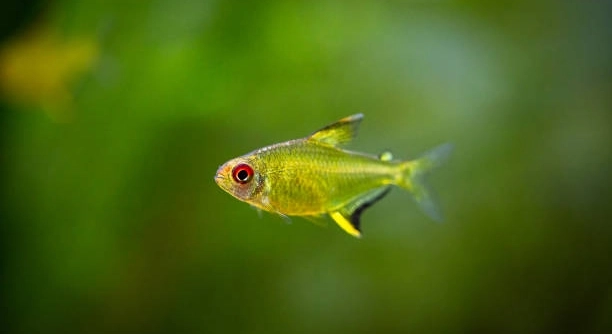
Are your fish tanks spotless yet still seem to stress your aquatic pets? Even when tanks look clean, hidden factors can quietly affect your fish’s health and comfort, making tank care more complicated than it appears at first glance.
Even in visually clean tanks, subtle stressors such as improper water flow, inconsistent temperature, chemical residues, and inadequate hiding spaces can negatively impact fish behavior and overall well-being. Identifying these hidden factors is crucial for maintaining a healthy aquatic environment.
Understanding these often-overlooked issues can help you create a more comfortable and stable home for your fish, improving their health and daily behavior.
Inconsistent Water Temperature
Fish are highly sensitive to temperature changes, even small fluctuations in their environment can trigger stress responses. Sudden drops or spikes may cause sluggish behavior, loss of appetite, or increased susceptibility to disease. Many hobbyists focus on cleanliness but forget that the water heater or room temperature can shift slightly during the day, impacting the tank. Monitoring temperature consistently with a reliable thermometer can help maintain a stable environment. Some fish, like tropical species, are particularly vulnerable to these changes. Even with a heater, placement near windows, vents, or direct sunlight can create uneven heating. Consistency is more important than reaching a perfect temperature. Gradual adjustments are always safer than sudden changes. Proper acclimation when introducing new fish also reduces stress. Observing behavior patterns over time gives insight into how your fish respond to their surroundings. Over time, small adjustments make a big difference in long-term health.
Maintaining a steady temperature prevents unexpected stress, keeping your fish healthier and more active in their tank.
Regular monitoring, combined with cautious adjustments, ensures that the aquatic environment supports the fish’s natural behaviors, reducing illness risk and promoting better growth. Observing responses helps fine-tune conditions.
Overcrowding
Overcrowding can quietly stress fish, even in a clean and well-filtered tank. Too many fish in limited space increase competition for resources and cause constant agitation.
Fish need sufficient space to swim, hide, and establish territories. Overcrowded tanks can lead to fin nipping, aggression, and stunted growth. Stress from crowding reduces immune responses, making fish more prone to infections. It’s easy to underestimate how much space each species requires, especially with community tanks. Planning stocking levels based on adult size rather than current size helps prevent future issues. Decorations and hiding spots can help, but they don’t replace open swimming areas. Even when water quality appears perfect, behavioral stress remains a hidden problem. Observing fish interactions can reveal subtle tension. Adjusting population density, separating aggressive species, and providing visual barriers can reduce stress. Maintaining proper tank size relative to the number of inhabitants supports both physical health and natural behavior patterns, creating a calmer environment.
Space management ensures fish coexist peacefully, minimizing stress and promoting a balanced, healthy tank ecosystem.
Poor Water Circulation
Poor water circulation can leave areas of the tank stagnant, affecting oxygen levels and waste removal. Fish may avoid certain areas, leading to uneven stress and potential health issues.
Stagnant zones reduce dissolved oxygen, which is vital for fish health. Without proper circulation, debris and uneaten food accumulate, creating pockets of higher toxins. Filters alone may not reach all corners, especially in larger tanks or those with heavy decorations. Adding a circulation pump or adjusting filter output can improve flow, ensuring more even water movement. Observing fish behavior can help identify low-flow areas, as fish often gather where oxygen is highest. Proper circulation also supports beneficial bacteria, which help break down waste, keeping chemical levels stable and safe for all inhabitants.
Over time, consistent water movement prevents stress-related behaviors like gasping at the surface or hiding constantly. Adjusting flow to match species preferences ensures a healthier and more natural environment for the fish, supporting activity and feeding patterns.
Excessive Light Exposure
Excessive light can disrupt fish activity cycles and increase stress. Constant brightness limits natural rest periods and can trigger erratic behavior.
Fish need a balance between light and darkness to mimic natural day-night cycles. Overly bright tanks or prolonged light periods can lead to overactive swimming, aggression, and reduced immunity. Algae growth also accelerates under constant light, further affecting water quality. Adjusting lighting duration, using dimmers, or incorporating shaded areas helps maintain a comfortable environment. Light intensity should match the species’ natural habitat, giving them spots to retreat. Consistent light schedules support feeding and breeding patterns. Observing fish responses to lighting changes can guide adjustments, ensuring both plants and fish thrive.
Maintaining an appropriate light schedule prevents chronic stress and supports natural behaviors. Gradual changes, rather than sudden bright or dark shifts, help fish adjust comfortably, preserving both health and calmness in the tank.
Chemical Residues
Cleaning products or medications left in the tank can stress fish even if the water looks clear. Residues may irritate gills or alter water chemistry.
Even mild amounts of soap, disinfectants, or leftover treatments can be harmful. Rinsing decorations and equipment thoroughly before returning them to the tank is essential to prevent unnoticed exposure and maintain fish health.
Lack of Hiding Spaces
Fish feel safer with spots to hide, reducing stress from constant exposure. Open tanks without shelters leave them vulnerable.
Hiding spots, such as plants, caves, or driftwood, give fish control over their environment. Without these, shy or territorial species may show signs of aggression or fear. Providing natural retreats allows for more relaxed behavior and improved overall health.
Sudden Changes in Water Chemistry
Abrupt shifts in pH, hardness, or ammonia levels can shock fish, even in clean tanks. Maintaining stable parameters is critical for their well-being.
Monitoring water chemistry regularly prevents unexpected fluctuations that can cause stress. Consistent testing, slow adjustments, and gradual acclimation help fish adapt safely. Sudden changes may lead to lethargy, loss of appetite, or increased disease risk, undermining all other care efforts.
Noise and Vibrations
Loud household noises or vibrations can disturb fish. Constant disturbances may trigger hiding, erratic swimming, or stress-induced illnesses.
What are the most common hidden stressors in a clean tank?
Even if a tank looks spotless, there are several hidden stressors that can affect fish. Inconsistent temperature, poor water circulation, overcrowding, excessive light, chemical residues, lack of hiding spaces, and sudden changes in water chemistry all quietly impact fish health. Observing fish behavior and maintaining stable tank conditions are key to minimizing these issues.
How can I maintain a consistent water temperature?
Using a reliable heater and thermometer is essential. Place the tank away from windows, vents, or direct sunlight, which can create uneven heating. Gradual temperature adjustments are safer than sudden changes. Regular monitoring helps ensure that tropical species, which are particularly sensitive, remain comfortable. A stable temperature supports feeding, activity, and reduces stress-related illnesses.
What is the best way to improve water circulation?
Ensure filters reach all areas of the tank. Adding a circulation pump or adjusting the filter output can prevent stagnant zones. Observing where fish gather can highlight low-flow areas. Proper circulation not only delivers oxygen evenly but also supports beneficial bacteria that break down waste, keeping water chemistry stable.
How do I know if my tank is overcrowded?
Watch for aggression, fin nipping, or stunted growth. Even with clean water, too many fish in limited space can increase stress. Calculate stocking levels based on adult size, not current size. Providing hiding spots or visual barriers can help, but open swimming space is essential for natural behavior and overall health.
What can I do about excessive light exposure?
Match light intensity and duration to the species’ natural habitat. Provide shaded areas or dimmers, and maintain consistent day-night cycles. Sudden or prolonged brightness can trigger erratic swimming, stress, and accelerate algae growth. Observing fish behavior helps fine-tune lighting to ensure a balanced environment.
How can chemical residues affect fish?
Residues from cleaning products or leftover medications may irritate gills or alter water chemistry. Always rinse equipment and decorations thoroughly before returning them to the tank. Even small amounts of soap or disinfectants can cause stress, so careful cleaning and monitoring are essential to prevent unnoticed exposure.
Why are hiding spaces important?
Fish feel safer when they have spots to retreat. Plants, caves, or driftwood reduce stress from constant exposure. Shy or territorial species are particularly affected without shelters, often showing fear or aggression. Adding hiding spots supports relaxed behavior and improves overall health and well-being in the tank.
How do sudden changes in water chemistry affect fish?
Abrupt shifts in pH, hardness, or ammonia levels can shock fish, causing lethargy, loss of appetite, or increased disease risk. Regular testing, slow adjustments, and gradual acclimation help fish adapt safely. Stability in water chemistry is just as important as cleanliness for long-term health.
Can noise and vibrations stress fish?
Yes, loud household noises, nearby construction, or constant vibrations can disturb fish. They may hide, swim erratically, or become more susceptible to illnesses. Placing tanks away from high-traffic areas and providing thick substrates or décor can help buffer vibrations and create a calmer environment.
How do I recognize stress in my fish?
Signs include erratic swimming, hiding more than usual, reduced appetite, fin clamping, or faded colors. Observing daily behaviors allows early detection. Addressing underlying causes such as water quality, temperature, overcrowding, or lighting adjustments can help reduce stress and improve overall health.
Is it possible to prevent hidden stress entirely?
While it’s difficult to eliminate all stress, consistent monitoring and maintaining stable conditions can greatly reduce its impact. Regular water testing, proper stocking, consistent lighting, temperature control, and providing hiding spots all contribute to a healthier and calmer tank environment for fish.
Maintaining a clean tank is important, but it’s not the only factor that keeps fish healthy and happy. Many hidden stressors can quietly affect their well-being, even when the water looks clear and the tank is spotless. Things like sudden changes in water chemistry, inconsistent temperature, overcrowding, or poor circulation can cause fish to act differently, eat less, or become more prone to disease. It’s easy to think that if the tank looks perfect, everything is fine, but fish are sensitive to details that may go unnoticed. Observing their behavior closely can provide early signs of stress, giving you a chance to make adjustments before problems get worse.
Providing the right environment means more than cleaning. Fish need hiding spots, gentle water flow, proper lighting, and stable water parameters to feel secure. Even small details, like a slightly too-bright light or an area where water doesn’t circulate well, can make a big difference. Paying attention to how your fish respond to changes in the tank helps create a more comfortable space for them. Gradually introducing changes, whether it’s adjusting the temperature, adding decorations, or changing the light schedule, allows fish to adapt without feeling threatened. A calm and consistent environment supports feeding, growth, and natural behavior. Over time, these small efforts add up, making your fish more active, colorful, and healthy.
Taking care of fish is a balance between cleanliness, stability, and understanding their needs. Clean water is essential, but hidden stressors are equally important to manage. Monitoring water chemistry, providing enough space, offering hiding places, and keeping conditions consistent can prevent stress-related issues. By observing behavior and responding thoughtfully, you can create a tank where fish feel safe and thrive. This approach may require patience and attention, but it pays off in the long run with healthier, more relaxed fish. A well-maintained tank is not just visually appealing but also a supportive environment for your aquatic pets to live comfortably and enjoy their home.

Hello,
If you enjoy the content that we create, please consider saying a "Thank You!" by leaving a tip.
Every little bit helps us continue crafting quality advice that supports the health, happiness, and well-being of pets around the world, for pets of all shapes, sizes, and species.
We really appreciate the kindness and support that you show us!