
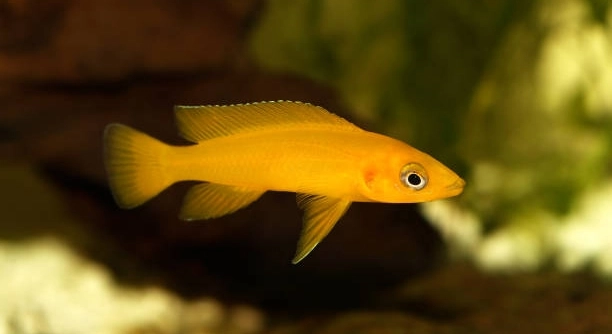
Do you ever notice your lemon tetras swimming near the surface of the tank, sometimes making sudden leaps? These small, bright fish are active and playful, often exploring their surroundings with energetic movements and curiosity.
Lemon tetras can occasionally jump out of the tank, particularly if the water conditions are poor or if they feel stressed. Maintaining proper tank conditions and providing a secure lid significantly reduces the risk of jumping.
Keeping your tank well-maintained and observing your fish’s behavior can help prevent accidents and ensure a safe environment for your tetras.
Why Lemon Tetras Jump
Lemon tetras are naturally active fish, and their jumping behavior is often linked to environmental factors. In many cases, water quality plays a major role. If the tank is overcrowded, oxygen levels drop, or the water is not properly filtered, tetras may leap to escape discomfort. Sudden changes in temperature or chemical imbalances, such as high ammonia or nitrite levels, can also trigger this behavior. Providing hiding spots with plants or decorations can help them feel secure. Even regular feeding schedules influence activity; tetras that are hungry or stressed may display more erratic movements. Observing their behavior closely is important, as it can reveal whether jumping is occasional or a response to a persistent issue. Maintaining a calm, stable environment reduces stress and keeps your lemon tetras swimming safely. These fish thrive when the tank mimics their natural habitat, including moderate light and gentle water flow, which minimizes the likelihood of jumping.
Proper tank conditions, including a secure lid, significantly reduce jumping incidents.
Keeping your tank clean, monitoring water parameters, and adding plants can create a calm environment for your tetras. These small adjustments have a big impact on their behavior, helping them stay safe and comfortable while swimming freely.
How to Prevent Jumping
Using a tank lid or cover is the simplest way to prevent tetras from escaping.
Beyond a secure lid, creating a stable habitat with consistent water parameters, proper temperature, and sufficient oxygenation is essential. Overcrowding should be avoided, as lemon tetras are schooling fish that need space to swim freely. Adding plants, rocks, and hiding spots reduces stress by providing areas to retreat and feel safe. Regular feeding and avoiding sudden changes in light or water quality help maintain calm behavior. It’s also helpful to observe interactions among fish, since aggression or bullying can prompt jumps. Small details, like avoiding sudden loud noises or vibrations near the tank, contribute to a stress-free environment. By combining a secure lid with thoughtful tank management, the risk of your lemon tetras jumping decreases significantly, ensuring they remain healthy, active, and safe in their aquatic home.
Tank Setup Tips
A proper tank setup is essential to keep lemon tetras from jumping. Ensure the tank has enough space, clean water, and gentle filtration. Adding plants and decorations gives fish areas to hide and feel secure, reducing stress and sudden leaps.
Maintaining stable water parameters is key. Lemon tetras are sensitive to sudden changes in temperature, pH, or chemical levels. Overcrowding should be avoided, as it can cause tension and increase the likelihood of jumping. A well-planted tank with proper lighting and moderate water flow creates a comfortable environment that mimics their natural habitat. Regular water testing and partial changes help maintain balance. Observing your fish’s behavior daily allows early detection of stress signs, keeping them safe and healthy.
Choosing the right tank size and keeping the environment consistent also plays a role. Avoid sudden loud noises near the aquarium, as vibrations can startle tetras. Proper feeding schedules reduce erratic behavior, while secure tank covers prevent accidents. Combining these measures ensures a calm, safe home for your lemon tetras and minimizes jumping tendencies.
Common Stress Factors
Water quality problems are a major stress factor for lemon tetras. Even small amounts of ammonia or nitrites can cause agitation, prompting jumps.
Temperature fluctuations, overcrowding, and aggressive tank mates increase stress levels. Lemon tetras are schooling fish and feel safer in groups, so maintaining proper numbers is important. Lack of hiding spots or insufficient plants can make them feel exposed. Noise, sudden movements, or nearby vibrations can also trigger rapid escapes. Stress can weaken their immune system, making them more vulnerable to disease. Keeping the tank stable, clean, and well-decorated ensures they remain calm and active, reducing risky behavior like jumping.
Proper care and observation prevent stress-related incidents. Watching how your tetras interact, ensuring water remains clean, and maintaining a predictable feeding routine all contribute to a stable environment. Even small details, like gentle lighting changes and avoiding unnecessary disturbances, matter. Creating a tank that feels secure and natural helps your lemon tetras thrive, swim confidently, and reduces the risk of sudden jumps out of the water.
Feeding Habits
Overfeeding lemon tetras can cause sudden bursts of energy, which sometimes lead to jumping. Feeding small portions several times a day keeps them calm and prevents aggressive competition for food.
Providing a varied diet of flakes, pellets, and occasional live or frozen foods ensures balanced nutrition.
Tank Lid Importance
A secure tank lid is crucial to prevent lemon tetras from escaping. Even healthy, unstressed tetras may jump occasionally, and a cover keeps them safe while allowing for proper ventilation and light.
Signs of Stress
Stress in lemon tetras shows through rapid swimming, hiding, or loss of color. Recognizing these behaviors early helps prevent jumping and health issues.
Regular observation and proper tank care, including clean water, appropriate lighting, and peaceful tank mates, reduce stress and promote stable behavior, keeping your tetras safe and healthy.
FAQ
Can lemon tetras survive if they jump out of the tank?
Lemon tetras cannot survive long outside water. Their gills need water to extract oxygen, so even a few minutes out of the tank can be fatal. Immediate rescue and returning them to water is essential, but often stress or injury occurs during the jump, which can be harmful.
What triggers lemon tetras to jump the most?
Common triggers include poor water quality, sudden temperature changes, overcrowding, and aggressive tank mates. Even minor vibrations or loud noises near the tank can startle them. A calm environment with stable water parameters and proper tank setup helps reduce jumping behavior significantly.
Do all lemon tetras jump or only some individuals?
Not all lemon tetras jump. Some fish are more energetic or skittish than others. Younger or newly introduced fish may jump more frequently, especially if they are adjusting to the tank. Observing their behavior helps identify which individuals may need extra attention.
How often should I check water parameters to prevent jumping?
Water should be tested at least once a week for ammonia, nitrite, nitrate, and pH levels. Regular checks allow early detection of problems that could stress tetras and increase the likelihood of jumping. Partial water changes help maintain a stable environment.
Can stress from other fish cause lemon tetras to jump?
Yes. Lemon tetras are peaceful schooling fish. Aggressive or territorial tank mates can stress them, prompting sudden leaps. Keeping compatible species together and providing enough hiding spaces reduces tension and minimizes the risk of jumping.
Will a lid prevent all jumping incidents?
A lid significantly reduces the risk but does not address the underlying causes of stress. Jumping can still occur under the lid, but it prevents fish from escaping and injuring themselves. Combining a lid with proper care ensures the best safety for your tetras.
Does lighting affect jumping behavior?
Bright or inconsistent lighting can startle lemon tetras, causing sudden movements and occasional jumps. Providing a natural light cycle and avoiding sudden changes in lighting intensity helps maintain calm behavior.
Is tank size important for preventing jumping?
Yes. Lemon tetras need space to swim freely. A cramped tank increases stress, aggression, and the likelihood of jumping. A larger, well-planted tank provides security, encourages natural swimming patterns, and reduces erratic movements.
Can diet impact jumping?
Overfeeding or feeding irregularly can cause bursts of energy, sometimes leading to jumping. A consistent, balanced diet with small portions throughout the day keeps tetras calm and reduces unpredictable activity.
Are young lemon tetras more likely to jump?
Juvenile tetras tend to be more active and skittish, making them more prone to jumping. They are still adjusting to their environment and may respond more strongly to stressors like noise, movement near the tank, or water changes.
What should I do immediately if a tetra jumps?
Gently return the fish to the water as soon as possible. Check for injuries, and observe the fish for signs of stress or infection. Maintaining a stable, clean tank environment afterward helps prevent further incidents.
How can plants and decorations help reduce jumping?
Plants and hiding spots make tetras feel secure. They provide areas to retreat and reduce stress caused by open space or aggressive tank mates. Natural cover also mimics their habitat, keeping them calm and less likely to leap from the water.
Are there any long-term effects from repeated jumping?
Repeated jumping can cause physical injuries, stress, and weakened immunity. It may also signal unresolved tank issues. Monitoring tank conditions, stress factors, and fish behavior helps prevent long-term health problems.
Do all types of tetra behave the same way?
No. Lemon tetras are generally active but not as jump-prone as some other species. However, individual temperament and environmental factors influence behavior. Observing your specific tetras is key to understanding their tendencies.
Is water flow a factor in jumping?
Strong or turbulent water flow can stress lemon tetras, making them more likely to leap. Gentle, consistent water movement that mimics their natural habitat helps keep them comfortable and reduces the risk of jumping.
Can sudden changes in tank environment cause jumping?
Yes. New decorations, sudden temperature shifts, or changes in tank mates can startle tetras. Gradual adjustments and careful introductions minimize stress and discourage jumping behavior.
How important is schooling behavior for preventing jumps?
Lemon tetras are schooling fish and feel safer in groups of six or more. Isolated or small groups are more prone to stress and erratic movements. Ensuring proper group size reduces fear-driven jumping and promotes natural swimming patterns.
Does noise outside the tank really affect them?
Yes. Vibrations, loud talking, or sudden household noises can startle tetras. Keeping the aquarium in a quieter area or away from frequent disturbances helps maintain calm and reduces the risk of jumping.
Can tank maintenance routines influence jumping?
Improper or sudden cleaning, overhandling, or aggressive water changes can stress tetras, leading to jumps. Consistent, gentle maintenance routines with stable water conditions help keep fish comfortable and safe.
Are some tetras more prone to jumping due to health issues?
Illness, parasites, or nutritional deficiencies can make tetras restless. Stressed or unwell fish may jump more frequently. Monitoring health, maintaining water quality, and providing balanced nutrition reduce health-related jumping incidents.
How can I reduce jumping during water changes?
Perform water changes slowly and gently. Avoid sudden temperature or pH shifts, and minimize splashing. Preparing replacement water in advance and adding it gradually prevents stress, keeping lemon tetras calm and less likely to leap from the tank.
Does tank cover type matter?
Yes. A well-fitted glass or mesh cover prevents escapes while allowing ventilation. Covers that are too loose or poorly fitted may fail to keep fish contained. Choosing a secure, stable lid ensures safety without restricting water flow or light.
Can adding floating plants help?
Floating plants provide cover near the surface, reducing open space that can trigger jumping. They create a sense of security while still allowing light and oxygen exchange, helping lemon tetras feel comfortable and stay safely in the water.
Do tetras jump more in smaller tanks?
Yes. Small, crowded tanks increase stress and limit swimming space. This combination makes tetras more likely to display erratic behavior, including jumping. Proper tank size, decoration, and group size are key to preventing such behavior and ensuring long-term health.
Are there seasonal effects on jumping?
Sudden changes in temperature or lighting associated with seasons can startle tetras. Maintaining consistent indoor conditions year-round helps minimize environmental stress and keeps them swimming steadily without sudden leaps.
Can tank mates teach tetras to jump?
Aggressive or hyperactive fish can influence others, causing sudden movement and jumping. Choosing compatible, peaceful species ensures a calm environment where lemon tetras can swim safely without being startled by neighbors.
Is jumping always dangerous?
Jumping itself is risky, as tetras can injure themselves or escape the tank. Even if they return to water safely, repeated jumps cause stress. Preventing jumping through proper care, tank setup, and monitoring is essential for their health and safety.
How do I know if a tetra is stressed or just active?
Stress signs include hiding, rapid color changes, erratic swimming, or constant surface activity. Active, healthy tetras swim naturally without sudden bursts or panic-like movements. Observing patterns over time helps distinguish normal behavior from stress-induced jumping.
Are there behavioral signs before a jump?
Tetras may swim near the surface, dart suddenly, or flick their fins quickly before jumping. Recognizing these subtle cues allows preventive measures, like adjusting tank conditions or covering the aquarium, to keep them safe.
Can water hardness affect jumping?
Extreme hardness or sudden changes in water hardness can stress tetras. Maintaining moderate, stable water conditions similar to their natural environment reduces stress and lowers the likelihood of jumping behavior.
Do young tetras need extra precautions?
Juvenile tetras are more skittish and energetic, requiring extra attention to tank setup, hiding spots, and stable water conditions. Ensuring a safe, calm environment helps prevent accidental jumps and supports healthy growth and development.
Can overstocking cause jumping?
Yes. Overcrowding increases stress, reduces swimming space, and can trigger escape attempts. Maintaining appropriate fish density is critical for calm behavior, overall health, and preventing jumping incidents.
Is monitoring behavior daily necessary?
Daily observation allows early detection of stress, illness, or environmental issues. Noticing changes in activity, swimming patterns, or interactions helps prevent jumping and ensures lemon tetras remain healthy and comfortable in their tank.
Do some tetras learn from repeated jumps?
Repeated jumps may reinforce the behavior if fish find temporary relief from stressors. Addressing environmental or social stressors, along with secure tank covers, prevents this behavior from becoming habitual.
How do I combine all prevention measures effectively?
Proper tank size, stable water parameters, secure lids, consistent feeding, compatible tank mates, and adequate plants all work together to minimize stress. Regular observation ensures timely adjustments. By combining these measures, lemon tetras are safe, healthy, and less likely to jump.
Lemon tetras are small, lively fish that bring color and activity to any tank. Their tendency to jump can seem alarming at first, but understanding their behavior helps prevent accidents. These fish are naturally active and often explore their surroundings, which sometimes leads to sudden leaps. While jumping is not inherently dangerous if the tank is secure, it can cause injury or stress if a fish lands outside the water. By focusing on proper care and tank management, you can create an environment that keeps your tetras comfortable and reduces the risk of jumping incidents. Paying attention to their behavior, water quality, and tank setup ensures they thrive while remaining safe.
Maintaining a stable environment is one of the most important ways to prevent jumping. Lemon tetras are sensitive to changes in water parameters, such as temperature, pH, and chemical levels. Overcrowding, aggressive tank mates, and insufficient hiding spots can also increase stress, making them more likely to leap. Providing adequate space, gentle water flow, and a variety of plants or decorations gives them a sense of security. Regular monitoring of water quality, consistent feeding routines, and a calm environment help reduce stress and keep your fish healthy. Even small adjustments, like ensuring the lid fits properly or adding floating plants, can make a significant difference in preventing jumping.
Observing your lemon tetras daily allows you to respond quickly if they show signs of stress or unusual behavior. Rapid swimming near the surface, loss of color, or frequent hiding can indicate discomfort that may lead to jumping. Maintaining a clean, stable tank, feeding a balanced diet, and providing compatible tank mates contribute to their overall well-being. Over time, consistent care and attention create a safe environment where your tetras can swim freely without unnecessary risk. By combining these practical measures, you not only reduce jumping but also promote the health, comfort, and longevity of your lemon tetras in their aquatic home.

Hello,
If you enjoy the content that we create, please consider saying a "Thank You!" by leaving a tip.
Every little bit helps us continue crafting quality advice that supports the health, happiness, and well-being of pets around the world, for pets of all shapes, sizes, and species.
We really appreciate the kindness and support that you show us!