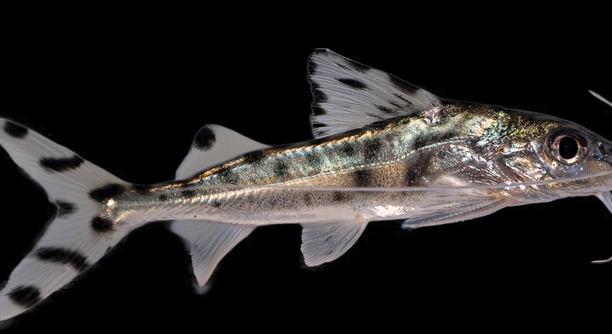
7 Mistakes When Picking Decorations for Pictus
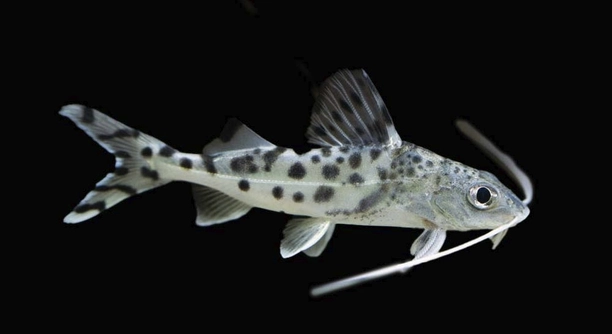
Do you ever find yourself unsure about which decorations will actually suit your Pictus tank, only to feel disappointed after setting it all up? The most common mistakes when picking decorations for Pictus catfish include using sharp materials, overcrowding the tank, choosing overly bright colors, and forgetting to consider the catfish’s natural behavior and comfort … Read more
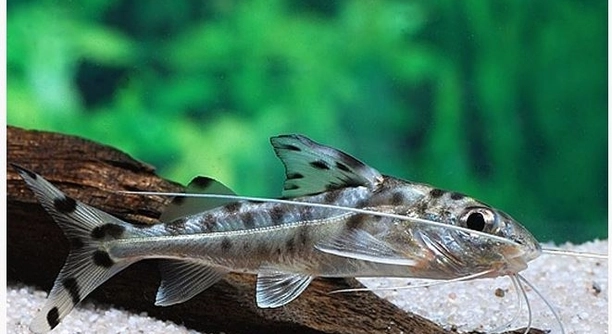
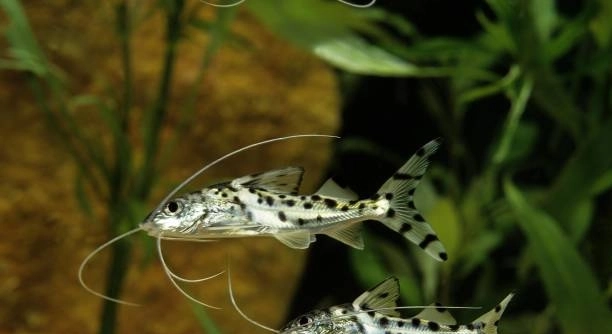
7 Sounds That Can Spook Pictus Catfish

Sounds in an aquarium can affect the behavior of Pictus catfish in surprising ways. These fish are sensitive to their environment and may react strongly to certain noises. Knowing which sounds can cause stress helps create a calm space for them to thrive. Pictus catfish are particularly startled by sudden loud noises, vibrations from tapping, … Read more

Why Your Pictus Catfish Might Ignore Tank Mates

Your Pictus Catfish may sometimes seem uninterested in its tank mates, acting distant or ignoring them completely. This behavior can leave many fish owners feeling puzzled about what is happening beneath the water’s surface. Understanding why this happens is important for a peaceful aquarium environment. Pictus Catfish often ignore other fish due to their natural … Read more

7 Things That Might Damage Pictus Catfish Whiskers

Many people enjoy keeping Pictus catfish as pets because of their unique whiskers. These whiskers, also called barbels, are important for the fish to sense their environment. Keeping them safe helps the catfish stay healthy and happy. Pictus catfish whiskers can be damaged by rough tank decorations, poor water quality, aggressive tank mates, sharp substrate, … Read more

Why Is My Pictus Catfish Swimming Upside Down?

Is your Pictus catfish swimming upside down, catching your attention? This unusual behavior often surprises fish owners and raises concerns about the health and comfort of their aquatic pet. Understanding why this happens is important for proper care. Pictus catfish swim upside down primarily due to swim bladder issues or stress. The swim bladder controls … Read more

7 Setup Tips for Quiet Pictus Tanks

Setting up a quiet Pictus tank requires attention to detail and a calm environment. These fish are sensitive to noise and stress, so a proper setup is essential for their well-being. Careful planning can make all the difference. To create an ideal environment, use soft substrates and gentle filtration to minimize noise. Position the tank … Read more

How to Reduce Tank Noise for Sensitive Pictus

Is your Pictus catfish getting startled or stressed by loud or constant tank noise from filters, air pumps, or other equipment? The most effective way to reduce tank noise for sensitive Pictus catfish is by isolating vibrating equipment, using sponge filters or quieter alternatives, and placing a soft mat under the tank to absorb sound. … Read more

Do Pictus Catfish Need Tank Mates to Be Happy?

Do you enjoy keeping Pictus Catfish in your aquarium but wonder if they thrive better with other fish? These lively fish have unique social habits that can affect their happiness. Understanding their needs is important for any fish owner. Pictus Catfish are generally social animals that benefit from tank mates, as they feel more secure … Read more

7 Good Signs Your Pictus Catfish Feels Secure

Are your Pictus Catfish showing signs of comfort in their tank? These active fish thrive when they feel safe and stress-free in their environment. Knowing how to recognize their well-being can improve your care routine. Good signs that your Pictus Catfish feels secure include regular swimming patterns, active feeding, clear eyes, smooth skin, and calm … Read more

7 Reasons Your Pictus Catfish Is Breathing Heavily

Is your Pictus Catfish breathing heavily in its tank? This common concern among aquarium owners often signals that something might be off with your fish’s environment or health. Recognizing the reasons behind this behavior can help you provide better care. Heavy breathing in Pictus Catfish is typically caused by stress, poor water quality, low oxygen … Read more