
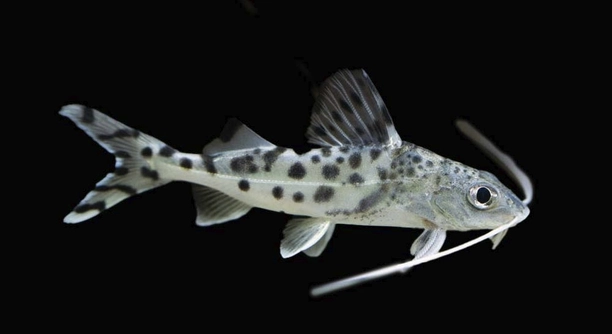
Setting up a quiet Pictus tank requires attention to detail and a calm environment. These fish are sensitive to noise and stress, so a proper setup is essential for their well-being. Careful planning can make all the difference.
To create an ideal environment, use soft substrates and gentle filtration to minimize noise. Position the tank away from high-traffic areas and vibrations. Provide ample hiding spots with plants and decorations to reduce stress and encourage natural behavior.
Understanding these simple yet effective tips can improve your tank’s atmosphere and promote healthier Pictus fish. Proper setup enhances both their comfort and your enjoyment as an aquarium keeper.
Choosing the Right Substrate
The substrate in your Pictus tank plays an important role in creating a quiet and comfortable environment. Fine sand or smooth gravel works best because it reduces noise when fish move around. Rough or sharp substrates can create unnecessary sounds and may also injure the delicate barbels of Pictus catfish. Choosing a natural-colored substrate can also help the fish feel more at home. It mimics their natural riverbed habitat and encourages calmer behavior. When setting up, rinse the substrate thoroughly to avoid clouding the water, which can stress the fish. Proper substrate not only controls noise but also supports beneficial bacteria that help keep the tank clean and healthy. This foundation is a simple way to reduce disturbances and keep your Pictus tank peaceful.
Soft substrates protect Pictus catfish barbels from damage and contribute to a quieter tank environment overall.
Creating the right substrate setup involves selecting materials that are both gentle and functional. Sand, for example, allows Pictus fish to dig without injury, while gravel must be smooth and rounded to prevent harm. Avoiding substrates that trap food or waste is also important because they can lead to bacterial growth and unpleasant odors. Regular cleaning of the substrate surface keeps the environment stable and quiet. Combining a natural substrate with live plants further reduces noise by absorbing water movements. This setup replicates a low-stress environment, helping your Pictus catfish thrive and remain calm. Simple choices in substrate lead to big improvements in tank quietness and fish health.
Minimizing Filtration Noise
Choosing the right filter is key to reducing noise in a Pictus tank. Quiet, low-flow filters are ideal because they do not create strong currents or loud sounds. Internal filters can sometimes produce more noise, so external canister filters are often preferred. Positioning the filter properly can also reduce vibrations that carry noise. Using sponge covers or placing soft materials under the filter can dampen sound. Maintenance is important to keep the filter running smoothly, as clogged filters tend to be louder. Proper filtration maintains clean water without disturbing the calm environment that Pictus catfish need.
A quiet filter supports better water quality and reduces stress for your Pictus fish.
When selecting a filter, it is important to consider both noise level and water flow. Pictus catfish prefer gentle currents, so filters that allow adjustable flow rates work best. Canister filters located outside the tank reduce vibrations and noise inside the aquarium. Adding sponge pre-filters can also muffle sound and prevent debris from clogging the system quickly. Position the filter securely on a soft surface to avoid direct contact with hard materials, which transmit vibrations. Regular cleaning ensures efficient operation and helps keep the tank peaceful. The right filtration setup not only controls water quality but also creates a quiet, stable home for your Pictus fish, supporting their natural behavior and overall health.
Proper Tank Placement
Placing the tank in a quiet, low-traffic area helps reduce noise and vibrations. Avoid spots near doors, speakers, or heavy appliances that create disturbances.
A stable surface is essential. Use a sturdy stand that absorbs vibrations rather than amplifying them. Placing a rubber mat under the tank can also help dampen sounds caused by movement or equipment. Keep the tank away from windows where sunlight and outdoor noises may cause stress. Positioning the aquarium thoughtfully creates a peaceful environment, which benefits both your Pictus fish and the overall aquarium experience.
Choosing a calm location reduces external noise and promotes stability. Avoiding direct exposure to loud sounds helps keep your fish calm and less likely to exhibit stressed behaviors. Proper placement supports quieter water movement and better tank conditions overall.
Providing Hiding Spots
Pictus catfish are naturally shy and appreciate plenty of hiding places. Including caves, plants, and driftwood helps them feel secure and lowers stress.
Using live or artificial plants not only offers cover but also reduces water movement, which helps minimize noise. Driftwood and rock formations create natural shelters where the fish can retreat, contributing to a quieter tank atmosphere. These hiding spots encourage natural behavior and reduce aggressive interactions. A well-decorated tank provides comfort and safety, enhancing the well-being of your Pictus catfish.
Controlling Lighting
Bright lighting can stress Pictus catfish, causing them to hide or become more active and noisy. Using dim or adjustable lights helps keep the environment calm.
A timer can maintain consistent day and night cycles. This prevents sudden changes that may disturb the fish and increase tank noise.
Regular Maintenance
Keeping the tank clean is crucial for a quiet environment. Regular water changes, gravel vacuuming, and filter cleaning prevent buildup of waste that can create harmful conditions and odors. A well-maintained tank supports healthy fish behavior and reduces stress-related noises.
Monitoring Water Parameters
Stable water conditions are important for Pictus catfish health and comfort. Regularly check temperature, pH, ammonia, and nitrate levels to avoid sudden changes that can stress fish and increase activity or noise.
FAQ
Why are my Pictus catfish so noisy?
Pictus catfish can produce noise when they feel stressed or uncomfortable. Loud water flow, strong currents, or inadequate hiding spots often cause this. They also make noise when digging or bumping against rough surfaces. Reducing tank disturbances and providing a calm environment helps lower their activity and noise levels.
How can I make my Pictus tank quieter?
Use soft substrate like sand or smooth gravel to minimize noise from digging. Choose a quiet filter with adjustable flow to reduce water movement sounds. Place the tank away from loud areas and vibrations. Add plenty of hiding places to help the fish feel secure and reduce their restless behavior.
Is tank placement really important for noise control?
Yes, the location of the tank greatly affects noise. Placing the aquarium on a sturdy stand away from high-traffic or noisy areas reduces vibrations. Using mats or padding under the tank can also absorb sound, preventing it from spreading through furniture or floors.
Can lighting affect Pictus catfish behavior?
Bright or inconsistent lighting can stress Pictus catfish, making them more active and noisy. Using dim or adjustable lighting and a timer for consistent day-night cycles helps keep them calm. Avoid direct sunlight to prevent temperature fluctuations and sudden light changes.
What kind of filtration is best for a quiet Pictus tank?
External canister filters or quiet hang-on-back filters with adjustable flow are ideal. These produce less noise and gentle currents that Pictus catfish prefer. Avoid filters that create strong water movement or vibrations, as these increase noise and stress.
How often should I clean the tank to keep it quiet?
Regular maintenance is key. Weekly water changes and gravel cleaning prevent waste buildup, which can affect fish health and behavior. Clean the filter monthly to keep it running quietly and efficiently. A clean tank supports a peaceful environment and healthy fish.
Do Pictus catfish need hiding places to stay calm?
Yes, hiding spots are essential. Pictus catfish are shy and need places to retreat. Plants, driftwood, and caves reduce their stress and keep them quieter. Providing several hiding options mimics their natural habitat and encourages relaxed behavior.
Can tank mates influence noise levels in a Pictus aquarium?
Yes, aggressive or overly active fish can increase stress and noise in the tank. Choosing peaceful tank mates that share similar water needs helps maintain a calm environment. Avoid overcrowding to reduce competition and disturbances.
Does water temperature impact Pictus catfish noise?
Stable water temperature within the ideal range (around 75–80°F) keeps Pictus catfish comfortable. Sudden temperature changes cause stress and can make fish more active or restless, increasing noise. Using a reliable heater and thermometer helps maintain consistent conditions.
Why do Pictus catfish sometimes dig loudly in the substrate?
Digging is natural behavior, but noisy digging often happens if the substrate is rough or uneven. Using soft, fine substrates reduces this noise. Providing enough food and hiding places also lowers digging caused by stress or searching for food.
How can I tell if noise is from fish or equipment?
Fish noises usually come from movement or digging and are intermittent. Equipment noise is often constant, coming from filters, pumps, or air stones. Turning off equipment briefly can help identify the source, but only do this safely to avoid harming the tank environment.
Is it normal for Pictus catfish to bump against tank decorations?
Occasional bumping happens, especially if they explore or chase food. However, frequent or loud bumping may indicate stress or poor tank conditions. Ensuring ample space, proper hiding spots, and calm water helps reduce this behavior and noise.
Can feeding habits affect tank noise?
Feeding times can increase activity and noise as Pictus catfish search for food. Using sinking pellets or wafers reduces surface disturbances. Feeding smaller amounts more frequently helps prevent frantic digging or chasing, which lowers noise during feeding.
Are there special products to reduce aquarium noise?
Some aquarium accessories like vibration-absorbing mats or filter covers help reduce noise. Installing sponge covers on filter intakes can muffle sound. However, basic tank setup and proper equipment choice are more effective than relying on noise-reducing products alone.
What role does water movement play in tank noise?
Strong water movement increases noise by splashing and disturbing fish. Pictus catfish prefer gentle currents, so minimizing flow reduces noise and stress. Adjusting filter output and avoiding powerful pumps helps maintain a calm tank environment.
Can Pictus catfish become quieter as they grow?
Yes, as Pictus catfish mature and settle in their environment, they often become less noisy. Providing stable conditions and meeting their needs helps them feel secure, reducing restless or noisy behavior over time.
How do I balance quiet setup with oxygenation needs?
Good oxygen levels are essential but can cause noise through air stones or strong water movement. Use gentle filtration and surface agitation to maintain oxygen without excess noise. Installing a diffuser with fine bubbles reduces sound while supporting healthy oxygen levels.
Setting up a quiet tank for Pictus catfish takes thoughtful choices and regular care. These fish are sensitive to their environment, and noise or stress can affect their health and behavior. By selecting the right substrate, filter, and decorations, you create a peaceful home that supports their natural needs. Small changes like positioning the tank away from loud areas or using soft materials to reduce vibrations can have a big impact on overall noise levels. Attention to these details helps the fish stay calm and comfortable.
Regular maintenance is another key part of keeping a quiet and healthy tank. Cleaning the substrate, performing water changes, and keeping filters in good condition all contribute to a stable environment. Unclean tanks often lead to stress for fish, which can increase their activity and noise. Monitoring water parameters like temperature and pH also ensures that conditions remain optimal. A well-maintained tank reduces the chance of sudden changes that might disturb your Pictus catfish, promoting a calmer atmosphere.
Providing hiding spots and a natural setup encourages your Pictus catfish to feel secure and behave calmly. Plants, caves, and driftwood offer safe places for the fish to retreat when they need to rest. These elements not only reduce noise by lowering fish stress but also make the tank look more inviting. Quiet filtration and gentle lighting complete the setup, creating a balanced environment where your fish can thrive. Overall, a peaceful tank requires consistent effort but offers rewarding results in fish health and enjoyment.

Hello,
If you enjoy the content that we create, please consider saying a "Thank You!" by leaving a tip.
Every little bit helps us continue crafting quality advice that supports the health, happiness, and well-being of pets around the world, for pets of all shapes, sizes, and species.
We really appreciate the kindness and support that you show us!