
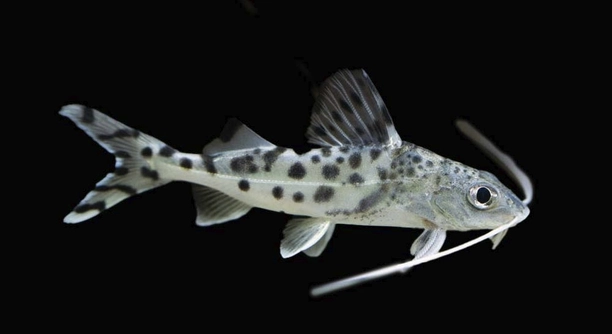
Do you ever find yourself unsure about which decorations will actually suit your Pictus tank, only to feel disappointed after setting it all up?
The most common mistakes when picking decorations for Pictus catfish include using sharp materials, overcrowding the tank, choosing overly bright colors, and forgetting to consider the catfish’s natural behavior and comfort needs.
Understanding how each element in the tank affects your Pictus can help you make better choices that keep them healthy and active.
Using Decorations with Sharp Edges
Decorations with sharp or rough edges can easily harm your Pictus catfish. These fish are very active and often swim quickly around the tank, especially during the night. If there are objects with jagged edges, your catfish might get scratches or tears on their delicate fins. Even a small injury can lead to infections, which are harder to treat in a home aquarium. Many pet stores sell decorations that look great but aren’t designed with fish safety in mind. Resin ornaments, broken ceramic pieces, or rough rocks are common examples. It’s always best to run your fingers along a decoration—if it feels rough to you, it’s risky for your fish. Smooth stones, driftwood with no splinters, and live plants are better choices. These allow the Pictus to swim freely without the chance of injury. Safe decor creates a more peaceful environment and helps your fish live longer.
Avoid anything that can easily break, chip, or splinter under water. These materials can become dangerous over time.
You can still build an attractive tank while using safe materials. Look for aquarium-safe silicone to smooth any edges, or choose rounded natural stones instead. Keeping safety in mind doesn’t mean your tank has to look plain or boring.
Overcrowding the Tank
Many people try to fill every corner of the tank with decorations, but this isn’t helpful for Pictus catfish. These fish need room to swim.
Overcrowding makes it harder for them to move around, which can lead to stress or even aggressive behavior. Since Pictus catfish are bottom dwellers and very active, open space is just as important as hiding spots. Some tank owners think more decor means more hiding places, but in reality, too many items can block their paths and trap waste. This affects both their comfort and water quality. Decorations should be spaced out to allow good water flow and provide enough open floor area. Think about creating a few quiet zones rather than filling up the tank. Plants can help add structure without taking up too much space, especially floating or wall-mounted options. It’s about balance—your Pictus will be more relaxed and active in a thoughtfully arranged tank.
Choosing Bright or Flashy Colors
Bright decorations may look fun, but they can stress your Pictus catfish. These fish prefer dim lighting and natural tones that match their environment in the wild.
Too much color in the tank can disrupt their natural behavior. Flashy decorations often reflect light in strange ways, which makes the space feel chaotic for the fish. This can lead to hiding more often or swimming erratically. Instead, choose neutral colors like brown, green, gray, or soft blue. These shades help create a calm, grounded feel that your Pictus will appreciate. Natural colors also blend better with live plants and smooth driftwood, making the tank look cleaner. Bright artificial plants or glowing ornaments might look fun to us, but they don’t support the fish’s comfort. Keeping the colors muted helps your fish feel secure and encourages healthier movement and feeding patterns.
Your tank should feel like a safe and familiar space for your fish, not like a spotlighted display. Even small color changes can shift the mood of the tank, especially for fish that are sensitive to their surroundings. Avoid neon gravel, bright fake plants, and anything with glowing paint. Keeping it soft and natural is always the better choice.
Ignoring the Fish’s Hiding Needs
Pictus catfish need hiding spots to feel safe, especially during the day. Without them, they may become anxious or stop eating regularly.
Even though they are very active at night, they spend a lot of daytime hours resting. Hiding spots give them the cover they need to feel secure. Good options include hollow logs, wide caves, and stacked stones. Avoid hiding places that are too small, too sharp, or unstable. The hiding spot should be big enough for the fish to fully enter and turn around inside. You don’t need dozens of caves—just a few well-placed ones that are spaced out properly. These spaces help reduce stress and give your fish control over their environment. Stressed fish are more likely to get sick or hide constantly. Giving them what they need during the day helps them stay active and healthy when the lights go out.
Using Decorations That Trap Waste
Some decorations have small holes, tight corners, or rough textures that trap leftover food and waste. This buildup can affect water quality fast, especially in tanks with bottom dwellers like Pictus catfish.
These areas are hard to clean, and the waste can cause spikes in ammonia. Choose smooth, open decorations instead.
Choosing Unsafe Materials
Not all decorations are made for aquariums. Some contain paint, dyes, or coatings that break down in water and release toxins. Always check that the item is labeled aquarium-safe.
Natural wood or rocks from outside may also affect water chemistry if untreated or unsealed properly. It’s not worth the risk.
Ignoring Proper Lighting
Pictus catfish prefer low light conditions. Using bright tank lights all day can stress them out and cause them to hide too much.
Choose soft, adjustable lighting and provide shaded areas. Keeping things calm helps your fish feel more secure and act naturally.
FAQ
Can I use artificial plants in a Pictus tank?
Yes, artificial plants can be used, but it’s important to choose ones made from soft materials. Hard plastic plants with sharp edges can injure your Pictus catfish as they swim by or brush against them. Silk plants are a much better choice because they move more naturally in the water and are gentle on fins. When placing artificial plants, make sure they are securely anchored and don’t take up too much space. Your fish still need open swimming areas and hiding spots. If you use a mix of fake and real plants, make sure the tank stays easy to clean.
Do Pictus catfish need caves or tunnels?
Yes, caves and tunnels are very important for Pictus catfish. These fish are naturally shy during the day and become active at night. Giving them a place to hide helps reduce stress and keeps them from becoming too anxious or inactive. Caves and tunnels made from smooth rocks, ceramic, or PVC pipes work well as long as they are big enough for the fish to swim through. Avoid anything with tight turns or rough edges. Try to place at least one hiding spot in a quiet part of the tank, away from strong currents. Your Pictus will be more confident and active when they feel safe.
What decoration materials should I avoid completely?
Avoid decorations made from metal, painted objects not labeled for aquarium use, and anything that looks like it might break down in water. Metal can rust and release harmful substances into the tank. Paint can chip and affect water quality. Wood found outdoors may rot or change the pH unless it’s treated for aquariums. Also, steer clear of items that weren’t made for fish tanks, even if they seem harmless. It’s best to stick with products clearly labeled “aquarium safe.” If you’re ever unsure, don’t use it—it’s not worth risking your fish’s health.
Can I use colored gravel or stones?
Colored gravel can be used, but choose wisely. Some gravel is coated in paint or dye that flakes off over time. This can cloud the water and possibly harm your fish. Always rinse gravel thoroughly before adding it to your tank. If you want to use color, try to keep it natural—browns, grays, or light blue work better than bright pink or neon green. These softer shades help your Pictus feel calm and less exposed. Flashy or high-contrast gravel can make the environment feel unnatural and might even increase stress.
How often should I clean decorations?
Cleaning your tank decorations should be part of your regular maintenance routine. Once every 2–4 weeks is usually enough, depending on your tank size and how messy your fish are. Decorations that collect waste or algae should be gently scrubbed with a soft brush in tank water (never tap water, which can kill helpful bacteria). Don’t use soap or household cleaners. If something looks like it’s breaking down or stays dirty even after cleaning, it may be time to replace it. Keeping decorations clean helps keep your Pictus catfish healthy and the water balanced.
Do Pictus catfish like bubble decorations or air stones?
Some do, but it depends on how strong the bubbles are. Gentle bubbling can improve oxygen in the water and even be fun for the fish to swim through. However, strong bubbling or large bubble walls can be too much for Pictus catfish, especially if it disturbs the water too much or makes the tank feel too bright and busy. If you want to try an air stone or bubble decoration, place it off to the side and see how your fish react. If they avoid the area or seem stressed, turn it down or remove it.
Should I rearrange the decorations from time to time?
It’s okay to change things up once in a while, but don’t do it too often. Pictus catfish rely on their surroundings to feel safe. Sudden changes can cause confusion and stress. If you need to rearrange, try to move only one or two things at a time. Keep the hiding spots in familiar places if possible. This way, your fish can slowly adjust to the new setup without feeling overwhelmed. Gradual changes are better than sudden overhauls. Your Pictus will adapt more easily when their space still feels familiar.
Final Thoughts
Picking the right decorations for your Pictus catfish tank doesn’t have to be complicated, but it does take some thought. These fish are active, sensitive, and prefer a setup that supports their natural behavior. Decorations should never be chosen just for how they look. It’s more important to think about how each item affects the comfort and safety of your fish. Sharp edges, overcrowded spaces, and loud colors may seem harmless at first, but over time they can cause stress or injuries. A calm, balanced tank makes a big difference in how your Pictus behaves and feels.
Safe, natural-looking decorations help create a space where your Pictus can feel secure during the day and explore freely at night. Soft lighting, smooth textures, and open swimming areas all play a role. It’s okay to include things like caves, rocks, or plants, but they should be spaced out well and made from safe materials. If you’re ever unsure about an item, it’s better to leave it out than to risk your fish’s health. A little planning goes a long way. Your tank can still look nice without putting your fish in uncomfortable situations. Simple adjustments, like switching to smoother gravel or removing bright lights, can make your Pictus feel more at ease.
Keeping your decorations clean and well-arranged is also important. Waste can collect in tight spaces or under heavy objects, which affects water quality. Make it part of your routine to check your tank for any buildup or signs of wear. The goal is to create a space that stays steady and feels familiar to your fish. This helps reduce stress, keeps them active, and supports good health in the long run. In the end, your choices should focus on what works best for your fish—not just what looks good to you. A happy Pictus catfish is one that feels safe in its space, has room to swim, and isn’t overwhelmed by clutter or harsh colors. When you keep things simple, your tank becomes a peaceful, safe place for both you and your fish to enjoy.

Hello,
If you enjoy the content that we create, please consider saying a "Thank You!" by leaving a tip.
Every little bit helps us continue crafting quality advice that supports the health, happiness, and well-being of pets around the world, for pets of all shapes, sizes, and species.
We really appreciate the kindness and support that you show us!