
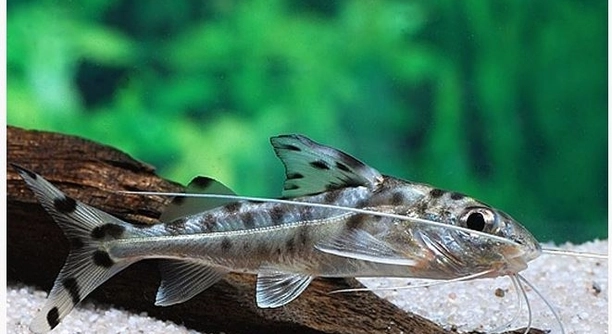
Your Pictus Catfish may sometimes seem uninterested in its tank mates, acting distant or ignoring them completely. This behavior can leave many fish owners feeling puzzled about what is happening beneath the water’s surface. Understanding why this happens is important for a peaceful aquarium environment.
Pictus Catfish often ignore other fish due to their natural shy and nocturnal behavior, preferring to stay hidden or active during low light. Additionally, territorial instincts and stress levels may influence their social interactions with tank mates.
Knowing these reasons can help you create a better home for your catfish and its companions, making your aquarium a more harmonious place for everyone.
Natural Behavior and Activity Patterns
Pictus Catfish are naturally shy and nocturnal fish. During the day, they tend to hide among plants, rocks, or decorations in the tank. This behavior helps them avoid predators in the wild, and they carry it into home aquariums. Because they are more active at night, they may not interact much with other fish during daylight hours. Their tendency to stay hidden or swim quietly in groups means they often seem distant or uninterested in tank mates. Also, these catfish prefer a peaceful environment and can become stressed if the tank is too crowded or noisy. Stress can cause them to withdraw further, making them less social. Providing plenty of hiding spaces and a calm atmosphere helps support their natural instincts and reduces tension.
Their nocturnal habits explain why they may seem to ignore tank mates most of the time.
Understanding their behavior can help you adjust your aquarium setup to better suit their needs and encourage more natural activity.
Territorial Instincts and Tank Dynamics
Pictus Catfish sometimes establish territories, especially if the tank is small or lacks enough hiding spots. They may avoid or keep distance from certain fish to maintain personal space. This behavior is not aggressive but a way to feel safe. If tank mates are overly active or aggressive, the catfish will likely stay away rather than confront them. Balancing the tank with peaceful fish and enough room reduces stress and improves interaction. Proper tank size and layout also matter. A crowded tank can cause tension, pushing the catfish into hiding more often.
A well-planned tank helps the Pictus Catfish feel secure and less isolated.
With enough space, hiding places, and calm tank mates, your catfish will feel more comfortable and show more natural behavior. Offering a mix of hiding spots and open swimming areas allows them to explore without feeling threatened. Avoiding overly aggressive or fast-swimming fish also reduces stress and improves harmony. Sometimes, simply adjusting tank conditions or rearranging decorations can encourage your catfish to be more active and engage with others. Watching your catfish in a calm, suitable environment reveals their gentle and curious side.
Environmental Factors Affecting Interaction
Water quality and tank conditions play a big role in how your Pictus Catfish behaves around others. Poor water quality can stress them, causing withdrawal and less interaction. Maintaining clean water and stable conditions is essential for their comfort and social behavior.
Proper water parameters are critical. Pictus Catfish thrive in slightly acidic to neutral pH, moderate hardness, and temperatures between 72-79°F (22-26°C). Frequent water changes and good filtration help keep the environment healthy. When conditions fluctuate, stress levels rise, and the fish may isolate themselves or hide more often. Tank decorations that offer hiding places also support their natural behavior. Without a comfortable habitat, your catfish will feel unsafe, leading to less interaction with other fish.
Regularly monitoring water quality and keeping the tank clean encourages your catfish to feel secure. Adjusting the environment to meet their needs promotes healthier social behavior and overall wellbeing.
Feeding Habits and Social Behavior
Pictus Catfish are bottom feeders and usually feed during low light or nighttime hours. They may seem uninterested in other fish because their feeding patterns do not overlap much. Feeding routines can impact how they interact with tank mates.
Because they are nocturnal feeders, Pictus Catfish may avoid competition during the day. This behavior reduces stress and helps them eat in peace. Their diet mostly includes sinking pellets, live or frozen foods like bloodworms, and small invertebrates. Feeding at night or in dim light helps them feel more secure and encourages natural behavior. Offering food at the bottom of the tank mimics their natural feeding style, reducing conflict with surface or mid-level fish. Adjusting feeding times and methods can improve tank harmony and help your catfish feel more comfortable around others.
Stress and Health Issues
Stress can cause your Pictus Catfish to avoid tank mates. Changes in water, aggressive fish, or poor conditions can increase stress.
Illness or discomfort may also lead to isolation. Keeping your catfish healthy reduces these behaviors.
Suitable Tank Mates
Choosing peaceful, slow-moving fish as tank mates helps Pictus Catfish feel secure. Fast or aggressive species can cause stress and withdrawal. Compatible tank mates encourage calm and natural social behavior.
Tank Setup Tips
Provide plenty of hiding spots using plants, caves, and decorations. This makes your catfish feel safe and encourages activity.
Light and Noise Levels
Bright lights and loud noises stress Pictus Catfish. Keeping the environment calm with dim lighting and quiet surroundings helps them relax and interact more naturally.
FAQ
Why does my Pictus Catfish hide most of the time?
Pictus Catfish are naturally shy and nocturnal. They feel safest when hiding among plants or decorations during the day. This behavior helps them avoid stress and feel secure. Providing enough hiding spots in the tank supports their natural instincts and reduces hiding time.
Is it normal for Pictus Catfish to ignore other fish?
Yes, it is normal. These catfish prefer to keep to themselves and are not very social. They may avoid tank mates to maintain personal space or because they are more active at night while other fish are active during the day.
Can Pictus Catfish live with aggressive fish?
No, aggressive fish can cause stress and fear. Pictus Catfish do better with peaceful, calm tank mates. Aggressive fish may chase or nip at them, which causes the catfish to hide more or become less active.
How important is tank size for Pictus Catfish?
Tank size is very important. A small tank can make your catfish feel cramped and stressed. They need enough space to swim and hide comfortably. A tank of at least 30 gallons is recommended for a small group of Pictus Catfish.
What kind of water conditions do Pictus Catfish need?
They prefer slightly acidic to neutral pH (6.5-7.5), moderate hardness, and temperatures between 72-79°F (22-26°C). Stable water conditions with regular changes keep them healthy and reduce stress.
How often should I feed my Pictus Catfish?
Feed your catfish once or twice a day, preferably in the evening or at night. They are bottom feeders, so use sinking pellets or live/frozen foods like bloodworms. Feeding at the right time helps mimic their natural behavior.
Why does my Pictus Catfish sometimes ignore food?
If they ignore food, it could be stress, illness, or wrong feeding time. They usually eat at night, so try feeding when the lights are low. Check water quality and health if the problem continues.
Can Pictus Catfish be kept alone?
They can live alone, but they usually feel more comfortable in groups of three or more. A group helps them feel safe and encourages natural behavior, but a tank must be large enough to avoid stress.
What signs show my Pictus Catfish is stressed?
Signs include hiding constantly, loss of appetite, erratic swimming, or clamped fins. Stress often comes from poor water quality, aggressive tank mates, or lack of hiding places.
How do I reduce stress for my Pictus Catfish?
Keep water clean and stable, provide plenty of hiding spots, avoid aggressive fish, and maintain calm lighting and noise levels. A peaceful environment helps your catfish feel secure.
Why does my Pictus Catfish avoid certain tank mates?
They avoid fish that are too active, fast, or aggressive. These tank mates can make them feel threatened. Choosing peaceful species encourages better tank harmony.
Is it normal for Pictus Catfish to swim in groups or alone?
They prefer to swim in groups but may split up when resting or hiding. Group swimming helps reduce stress and supports their natural behavior.
What tank decorations are best for Pictus Catfish?
Use plants, caves, rocks, and driftwood to create hiding spots. These provide shelter and help reduce stress, making your catfish more comfortable and active.
How does lighting affect my Pictus Catfish?
Bright lights can stress them because they are nocturnal. Using dim lighting or providing shaded areas helps them feel safe and encourages natural behavior.
Can Pictus Catfish tolerate noise around the tank?
Loud noises can stress them. Keeping the aquarium area quiet and calm supports their wellbeing and encourages them to explore the tank more freely.
When caring for a Pictus Catfish, it’s important to remember that their behavior is shaped by natural instincts and the environment you provide. These fish are shy and nocturnal, which means they will often keep to themselves and be more active during low light or nighttime hours. Their tendency to ignore other tank mates is not unusual or a sign of illness but rather a normal part of their personality. Offering a calm tank with plenty of hiding places helps them feel safe and comfortable. A suitable environment encourages them to show their true nature and occasionally interact with other fish.
Maintaining good water quality and stable tank conditions is key to reducing stress for your Pictus Catfish. Stress can make them hide more and avoid other fish, so regular water changes, proper filtration, and monitoring parameters like pH and temperature are essential. The right tank size and peaceful tank mates also contribute to a healthy atmosphere where the catfish can thrive. Feeding them at the right time and with appropriate food supports their natural feeding habits and encourages activity. Small adjustments to the tank setup or daily routine can make a big difference in their behavior.
Overall, understanding the unique needs of Pictus Catfish helps create a more balanced and peaceful aquarium. These fish prefer a quiet environment with dim lighting and enough space to swim and hide. Avoiding aggressive or overly active fish reduces stress and allows your catfish to be more at ease. Watching them in a well-kept tank reveals their gentle and curious side. With patience and proper care, your Pictus Catfish will be a fascinating and low-maintenance addition to your aquarium.

Hello,
If you enjoy the content that we create, please consider saying a "Thank You!" by leaving a tip.
Every little bit helps us continue crafting quality advice that supports the health, happiness, and well-being of pets around the world, for pets of all shapes, sizes, and species.
We really appreciate the kindness and support that you show us!