
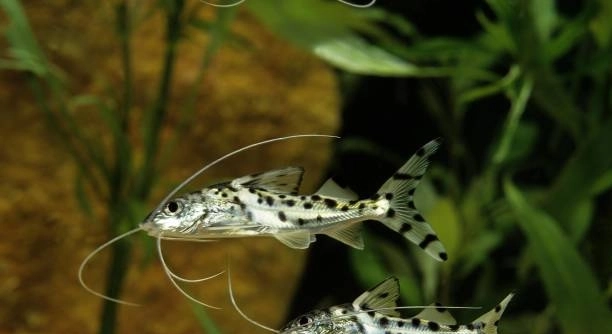
Is your Pictus catfish getting startled or stressed by loud or constant tank noise from filters, air pumps, or other equipment?
The most effective way to reduce tank noise for sensitive Pictus catfish is by isolating vibrating equipment, using sponge filters or quieter alternatives, and placing a soft mat under the tank to absorb sound.
Understanding how noise affects your catfish can help you create a calmer environment and improve their well-being in the long run.
Why Tank Noise Affects Pictus Catfish
Pictus catfish are sensitive to vibrations and sound. Their whiskers, or barbels, help them sense their surroundings, so excess noise can be overwhelming. Loud or constant noise often leads to stress, hiding, or erratic swimming. Over time, stress from poor acoustic environments can weaken their immune system and make them more prone to illness. Filters, air stones, and even tank placement can cause vibrations that carry through the water. Many setups unintentionally create a loud underwater space. Reducing noise is not just about comfort—it directly supports your fish’s long-term health. Some signs of stress to look out for include sudden darting, staying still for long periods, or changes in eating habits. If these behaviors seem familiar, your tank may be too noisy for your Pictus. Creating a calm and steady environment will help them feel safe and allow them to act naturally, especially in community tanks where harmony is key.
Pictus catfish thrive when their environment feels stable and free of sudden disturbances. Noise is a common but fixable cause of stress.
Even small changes like switching to a sponge filter or adjusting the tank’s base can make a noticeable difference. These updates are easy to manage and budget-friendly.
Practical Ways to Reduce Noise
Start by checking your tank’s foundation. If it sits directly on hard furniture, vibrations can travel easily. Placing a rubber mat or a soft pad underneath helps absorb this noise. Equipment like air pumps and filters often make the most sound. Try moving these away from the tank walls or placing them on soft material. Hanging filters can be especially noisy—switching to a sponge filter or using foam padding around them can help. Tubes or cords touching the tank frame should also be repositioned, as these create unnecessary noise. If your pump rattles, try placing it on a folded towel. Keep equipment clean, as clogged parts often vibrate more. Lid placement also matters—ensure it sits flat and secure. It’s not always about buying new gear. Often, simple tweaks in placement and materials will quiet things down and make the tank feel calmer. A quieter space encourages more natural fish behavior and reduces hiding.
Common Equipment That Creates Noise
Filters, air pumps, and powerheads are the most common sources of noise in home aquariums. Their motors and vibrations often carry through the water, making the tank feel louder to fish than it does to us. Loose lids or rattling tubing can also add unwanted background noise.
Hang-on-back filters tend to create splashing sounds, especially when the water level drops. Keeping the tank full helps reduce this. Internal filters can also hum or vibrate against the glass if not properly positioned. Air pumps often rattle on hard surfaces—placing them on a soft mat or sponge will reduce that. If your heater is loosely attached or near another vibrating surface, it may buzz as well. Always check connections, cords, and mounting brackets. Even small gaps or pressure points can lead to noise. Cleaning equipment regularly helps too, as debris buildup causes motors to work harder and vibrate more.
Some lights with built-in fans may also contribute to background noise. LED fixtures are usually quieter, but if the light includes a cooling system, the fan can be heard by both you and the fish. While this isn’t always a major issue, it can add to the overall sound level in a quiet room. Choose low-noise models when possible.
Long-Term Adjustments for a Quieter Tank
Choose equipment labeled as “quiet” or “silent” when replacing parts in the future. These are designed with noise reduction in mind and often use better insulation or slower, smoother motors. Stick to internal sponge filters when possible—they are quiet, easy to maintain, and gentle for Pictus catfish.
Rearranging tank layout can help reduce sound reflections. Avoid placing the tank near speakers, doors, or high-traffic areas. Keep cords and tubing from touching the tank frame, and use suction cups or clips to secure them in place. Use background materials like foam boards or thick backdrops to reduce sound bounce. If your tank has a stand, check for loose parts and secure them tightly. Even tightening screws can lower the vibration. Choosing a stand with enclosed sides or insulation inside can block some of the humming. Over time, these changes create a stable environment. Less noise means better sleep and more relaxed behavior for your Pictus catfish.
Signs Your Pictus Is Stressed by Noise
If your Pictus hides more than usual or avoids open swimming areas, it may be reacting to too much noise. Sudden darting, especially when equipment turns on, is another sign they feel startled or uncomfortable in their environment.
Changes in appetite are also a clue. A stressed Pictus may eat less or ignore food completely. You might also notice them resting at the bottom more often or acting jumpy when someone enters the room.
How to Monitor Tank Noise Effectively
Use your phone’s sound meter app to check the noise level near your tank. These apps can help you track changes when you adjust or move equipment. Listen closely at different times of day, since some equipment gets louder as it runs longer or builds up debris. Nighttime is usually when your home is quietest, so it’s easier to detect unwanted buzzing or hums. You can also use your hand to feel for vibration on the tank glass or stand. If the surface hums, try isolating the source. Pay attention to how your Pictus reacts during these checks—they’ll often show discomfort if something is wrong.
When to Replace Equipment
If you’ve cleaned, adjusted, and cushioned your equipment but it still rattles or hums constantly, it may be time for a replacement. Older parts tend to wear out and become noisier over time.
FAQ
Can Pictus catfish hear noise outside the tank?
Yes, Pictus catfish can detect sound and vibration from outside the tank. Their lateral line system picks up movement and pressure changes in the water. Vibrations from nearby speakers, slamming doors, or heavy footsteps can travel through the tank stand and into the water. While the sound may seem minimal to humans, fish are more sensitive to these changes. Over time, consistent noise or vibration can lead to stress, which might cause erratic swimming, hiding, or loss of appetite. Keeping the tank in a calm area and away from constant foot traffic helps reduce exposure to these disturbances.
What’s the quietest type of filter for a Pictus tank?
Sponge filters are among the quietest options for aquarium setups, especially for sensitive fish like Pictus catfish. They run using an air pump, which can also be quieted by placing it on a soft surface. Unlike hang-on-back or canister filters, sponge filters don’t create heavy vibrations or strong water flow. They are gentle, easy to maintain, and cost-effective. If your tank needs stronger filtration due to size or bio-load, internal filters with sound-reduction features or well-maintained canister filters are also good choices. Avoid overpowered filters, as the added noise and current can stress the fish unnecessarily.
Should I turn off my air pump at night to reduce noise?
It’s best to keep the air pump running at all times unless you have another source of surface agitation and oxygen exchange. Instead of turning it off, focus on making it quieter. Place the pump on a towel or sponge, move it farther from the tank frame, and make sure all tubing is secure. A noisy pump often means it’s resting on a hard surface or vibrating against something. If the noise remains too disruptive even with adjustments, consider replacing it with a quieter model. Consistent airflow keeps your Pictus healthy, so avoid shutting it off unless absolutely necessary.
How can I tell if my tank stand is amplifying noise?
If you feel strong vibrations when you touch the stand or tank, it’s likely amplifying the noise from your equipment. Hollow or metal stands can carry sound more easily. You can test this by placing a soft mat or foam padding under the tank and equipment. If the noise lessens, the stand was contributing to the problem. Securing any loose parts, tightening screws, and placing weight-distribution pads under the legs can also reduce vibration. If you’re still unsure, try temporarily moving equipment to a different surface and compare the sound. Quiet tank setups start with a stable and padded base.
Why does my filter get louder over time?
Filters often get louder as debris builds up inside them. Clogged parts force the motor to work harder, which causes more vibration and noise. Impellers can also wear out or become unbalanced. Cleaning the filter regularly helps reduce this problem. Always check the impeller for gunk or damage, and rinse out sponges or cartridges as recommended. If your filter is older, the motor may be weakening. In some cases, replacing just the impeller or sealing parts with silicone grease can bring the noise down. If not, it may be time to invest in a newer, quieter filter.
Is sound more intense underwater?
Yes, sound travels faster and more efficiently in water than in air. This makes noises that seem quiet to us much more noticeable to fish. Vibrations from equipment, nearby electronics, or even knocking on the tank glass can feel loud and disruptive to a fish like a Pictus. Their sensory systems are tuned to detect even subtle shifts in the water, so managing noise isn’t just about comfort—it directly affects their sense of safety. That’s why it’s important to reduce unnecessary vibrations and keep the tank setup as quiet as possible.
Can decorations or tank layout affect noise levels?
Yes, decorations and layout can either absorb or amplify noise. Hard decorations like rocks or glass ornaments can bounce vibrations around. On the other hand, using soft plants, driftwood, or sponge material helps absorb some of that movement. Even the substrate matters—sand tends to mute vibration more than bare glass or sharp gravel. Try to avoid stacking objects that rattle when water flows past them. Arrange décor in a way that doesn’t touch the tank walls or equipment, as this can transfer vibration and create extra noise that may startle your Pictus catfish.
Final Thoughts
Keeping your Pictus catfish comfortable means paying attention to things you might not always notice—like tank noise. These fish are sensitive to vibrations, and even small sounds can affect how they act and feel. A loud filter or a humming air pump may not seem like much, but for a Pictus, it can feel overwhelming. Making a few small changes, like placing equipment on soft padding or switching to quieter tools, can make a big difference. You don’t always need to spend a lot of money. Often, it’s just about moving something, cleaning a part, or tightening a loose piece.
It helps to check your tank setup regularly. Noise can build over time, especially if your equipment is older or hasn’t been cleaned in a while. A quiet tank helps your fish feel calm and safe, which leads to more natural behavior. When your Pictus swims freely, eats well, and stays active, it’s a sign that their environment is working for them. On the other hand, if you notice stress signs—like hiding, darting, or not eating—it might be time to take a closer look at the noise level. Small details matter. The sound from a loose lid or a rattling tube may be something your fish has been feeling for days.
Overall, reducing tank noise is a simple way to support your Pictus catfish’s health. It creates a peaceful space where they can rest, explore, and stay active without feeling stressed. Watching your fish move with ease is rewarding and lets you know their needs are being met. You don’t need to be an expert to create a better setup. Just being observant and making a few thoughtful choices can go a long way. With a quieter tank, your Pictus will likely become more visible, more curious, and more at ease in its home. That small improvement can lead to better health and a more enjoyable aquarium for both you and your fish.

Hello,
If you enjoy the content that we create, please consider saying a "Thank You!" by leaving a tip.
Every little bit helps us continue crafting quality advice that supports the health, happiness, and well-being of pets around the world, for pets of all shapes, sizes, and species.
We really appreciate the kindness and support that you show us!