
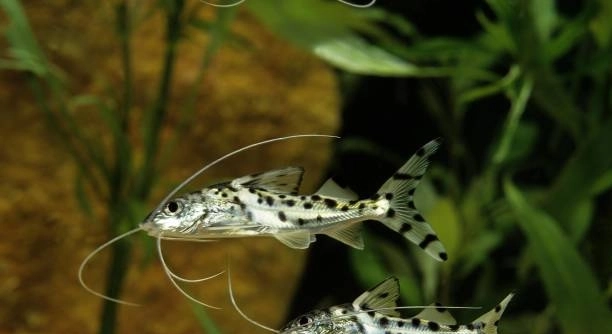
Many people enjoy keeping Pictus catfish as pets because of their unique whiskers. These whiskers, also called barbels, are important for the fish to sense their environment. Keeping them safe helps the catfish stay healthy and happy.
Pictus catfish whiskers can be damaged by rough tank decorations, poor water quality, aggressive tank mates, sharp substrate, improper handling, inadequate diet, and infections. Each factor can harm the delicate barbels and affect the fish’s wellbeing.
Knowing what harms their whiskers helps owners protect their fish better. This article will explain the common causes of whisker damage and how to avoid them.
Rough Tank Decorations
Many aquarium owners don’t realize how much tank decorations affect their Pictus catfish’s whiskers. Decorations with sharp edges or rough surfaces can easily scratch or tear these delicate barbels. When catfish swim near or brush against these objects, their whiskers might get injured. Over time, repeated damage can cause infections or make the fish uncomfortable. Smooth, rounded decorations are much safer for these fish. Materials like polished stones or soft plants reduce the risk of harm. It’s important to check decorations before adding them to the tank to ensure they don’t have any sharp points or rough areas. Keeping the tank environment gentle protects the catfish’s sensitive whiskers and helps maintain their natural behavior.
Damaged whiskers caused by rough decorations heal slowly and may lead to further health issues if untreated. Regularly inspect the tank for potentially harmful items.
Choosing safe decorations not only protects the whiskers but also creates a more pleasant environment for the catfish to explore and hide in, improving their overall wellbeing.
Poor Water Quality
Poor water quality quickly harms Pictus catfish whiskers. Dirty or polluted water can irritate and weaken these sensitive structures, making them more prone to damage and infection. Maintaining clean water with regular changes and proper filtration is essential to keep whiskers healthy.
Aggressive Tank Mates
Aggressive fish can nip or bite Pictus catfish whiskers. This causes pain and damage.
When Pictus catfish share a tank with aggressive species, their delicate whiskers are often targeted. These attacks can lead to tears, infections, or permanent loss of barbels. It is important to choose peaceful tank mates that coexist well with Pictus catfish. Avoiding fin-nippers or territorial fish reduces the risk of whisker injury and stress for your catfish.
Providing enough hiding spaces helps Pictus catfish avoid conflicts. A calm tank environment supports healthier whiskers and overall well-being.
Sharp Substrate
Sharp or rough substrates can cut whiskers as catfish explore the tank bottom.
Substrates like crushed coral or coarse gravel may injure the sensitive barbels of Pictus catfish during their natural foraging. Smooth sand or fine gravel is a better choice for their habitat because it reduces the chance of whisker damage. Injuries from rough substrates can cause infections, which might affect the catfish’s health if left untreated. Keeping the substrate gentle ensures the whiskers stay intact and the fish remain comfortable while feeding and moving around.
Improper Handling
Handling Pictus catfish roughly can easily damage their whiskers. These barbels are delicate and should be treated gently.
Using a soft net and minimal contact helps protect the whiskers during tank maintenance or transfers. Avoid grabbing the fish directly whenever possible.
Inadequate Diet
A poor diet weakens the catfish’s overall health, including their whiskers. Proper nutrition supports barbel growth and repair.
Feeding a balanced diet rich in protein and vitamins helps maintain strong, healthy whiskers. Offering high-quality pellets, frozen foods, and occasional live foods ensures the catfish receive necessary nutrients for their wellbeing.
Infections
Infections cause swelling, decay, and loss of whiskers if left untreated.
Prompt treatment of bacterial or fungal infections with appropriate medication can save damaged whiskers. Regular tank cleaning and water changes reduce infection risks.
Stress
Stress weakens the catfish’s immune system and makes whiskers more vulnerable to damage.
How can I tell if my Pictus catfish’s whiskers are damaged?
Look for signs like missing or shortened whiskers, frayed or ragged edges, or inflammation at the base. The catfish may also seem less active or more cautious, as whiskers help them explore. If you notice any of these signs, it’s best to check your tank environment and water conditions.
What should I do if my catfish’s whiskers are damaged?
First, identify and remove any possible causes such as sharp decorations or aggressive tank mates. Keep the water clean to prevent infections. You can isolate the fish in a hospital tank if the damage is severe. Avoid handling the fish unnecessarily while it heals, and consider using antibacterial treatments if signs of infection appear.
Are certain tank decorations safer for Pictus catfish whiskers?
Yes, smooth decorations like polished stones, silicone plants, and rounded driftwood are much safer. Avoid sharp or rough objects that can tear or scratch whiskers. Regularly inspect new decorations for any edges or points that might cause harm. Choosing gentle materials helps keep your catfish comfortable.
Can poor water quality really affect the whiskers that much?
Absolutely. Dirty water irritates the barbels, making them more fragile and prone to damage. It also increases the risk of bacterial and fungal infections. Regular water changes, good filtration, and monitoring water parameters like pH, ammonia, and nitrites are crucial to maintain whisker health.
How can I prevent aggressive tank mates from harming my catfish?
Select peaceful species that won’t nip or chase the Pictus catfish. Provide plenty of hiding places and plants to reduce stress and conflict. Monitor the fish closely after introducing new tank mates, and be ready to separate aggressive individuals if needed.
Is substrate really that important for protecting whiskers?
Yes, Pictus catfish often sift through the substrate looking for food. Rough or sharp substrates can injure their barbels during this behavior. Using soft sand or fine gravel provides a safer environment, preventing cuts and infections related to substrate damage.
What kind of diet supports healthy whiskers?
A balanced diet rich in protein, vitamins, and minerals is essential. Offer high-quality sinking pellets formulated for catfish, along with frozen or live foods like bloodworms or brine shrimp. A nutritious diet helps the fish repair damaged barbels and maintain their sensory functions.
How often should I clean the tank to protect my catfish’s whiskers?
Regular cleaning is vital—partial water changes of about 20-30% weekly keep water quality high. Cleaning substrate gently without disturbing the fish too much also helps. Consistent maintenance reduces toxins and pathogens that can harm whiskers.
Can stress cause whisker damage?
Stress weakens the immune system and can slow healing of any whisker injuries. Stress may come from overcrowding, poor water conditions, or aggressive tank mates. Reducing stress by maintaining a calm, clean environment supports whisker health and the fish’s overall wellbeing.
Are there any treatments to help whiskers heal faster?
Keeping water clean and stable is the best support for healing. If infections appear, appropriate antibacterial or antifungal treatments prescribed for fish can help. Avoid unnecessary handling and provide a calm environment to allow natural repair of the barbels.
Should I quarantine new fish to protect my catfish’s whiskers?
Yes, quarantining new fish prevents introducing diseases and aggressive behavior that might harm your catfish. Quarantine periods of 2-4 weeks allow you to observe and treat any health issues before adding new fish to the main tank.
Can I trim or cut damaged whiskers?
No, trimming or cutting whiskers can cause pain and increase the risk of infection. It’s better to let damaged whiskers heal naturally. Provide the right care and environment to support regrowth and avoid further harm.
Do whiskers grow back if they get damaged?
Yes, Pictus catfish can regrow their barbels over time if the damage is not severe and conditions are good. Healing depends on water quality, diet, and stress levels. Taking proper care ensures the whiskers regenerate properly.
Is it normal for whiskers to get dirty or clogged?
Whiskers can collect debris or algae, especially in tanks with less flow. This is usually harmless but keeping the tank clean and providing moderate water circulation helps keep barbels clear and functioning well.
Can lighting affect whisker health?
Lighting doesn’t directly damage whiskers, but too bright or stressful lighting can cause fish stress. Stress reduces immune response and slows healing. Use soft, natural lighting and provide shaded areas to keep your catfish comfortable.
Taking good care of your Pictus catfish means paying attention to their whiskers. These barbels are very important for the fish to feel and explore their surroundings. When the whiskers are damaged, it can make it harder for the catfish to find food and stay safe in the tank. To keep your catfish healthy, it is important to watch for anything in the tank that might hurt their whiskers. This includes checking decorations, tank mates, water quality, and the type of substrate you use. By keeping these things in mind, you help your catfish stay comfortable and active.
One of the easiest ways to protect whiskers is to make the tank a safe and calm place. Avoid decorations with sharp edges or rough surfaces that could scratch the barbels. Choose peaceful fish to live with your Pictus catfish so they won’t be attacked or bothered. Keeping the water clean is also very important because dirty water can irritate the whiskers and lead to infections. A good filter and regular water changes will make a big difference in keeping the tank healthy. Feeding your catfish a balanced diet with the right nutrients helps the whiskers heal if they get hurt and keeps them strong.
Even though whiskers can sometimes get damaged, they can grow back if you take good care of your fish. If you see signs of damage, act quickly to fix any problems in the tank. Reducing stress for your catfish helps their immune system work better and speeds up healing. Gentle handling and a quiet environment will help your catfish feel safe while their whiskers recover. Taking these steps will help your Pictus catfish live a longer, happier life with healthy, intact whiskers that let them explore their home with ease.

Hello,
If you enjoy the content that we create, please consider saying a "Thank You!" by leaving a tip.
Every little bit helps us continue crafting quality advice that supports the health, happiness, and well-being of pets around the world, for pets of all shapes, sizes, and species.
We really appreciate the kindness and support that you show us!