
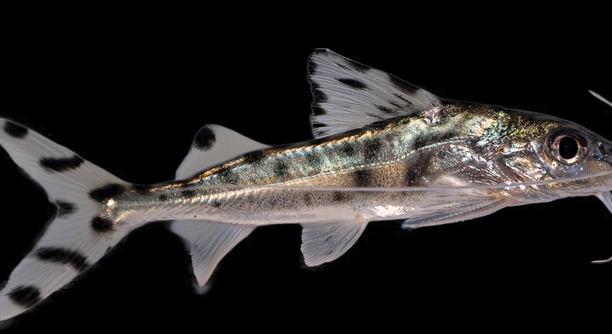
Do you enjoy keeping Pictus Catfish in your aquarium but wonder if they thrive better with other fish? These lively fish have unique social habits that can affect their happiness. Understanding their needs is important for any fish owner.
Pictus Catfish are generally social animals that benefit from tank mates, as they feel more secure and display natural behaviors when kept in groups or alongside compatible species. Solitary conditions may lead to stress or lethargy in these fish.
Learning about suitable companions and tank conditions will help you create a balanced and healthy environment for your Pictus Catfish. This information can improve both their wellbeing and your enjoyment as an aquarium keeper.
Understanding Pictus Catfish Social Behavior
Pictus Catfish are naturally social fish that prefer living in groups. In the wild, they swim in small schools, which helps them feel safe and reduces stress. When kept alone in an aquarium, they can become shy or inactive. Having tank mates can encourage more natural behaviors like swimming actively and exploring the environment. However, not all fish make good companions for Pictus Catfish. They prefer peaceful species that won’t compete aggressively for food or space. It’s important to keep the tank spacious enough to allow everyone to have their own area. A group of at least three to five Pictus Catfish usually helps them feel comfortable and secure. Their social nature makes them more visible and interesting to watch, as they interact with each other calmly. Without proper companionship, these catfish may hide a lot, which can make them seem less lively and harder to care for.
Pictus Catfish feel safer and more confident when they have others around, making tank mates essential for their wellbeing.
Choosing tank mates that share similar water and space needs will improve the overall harmony of the aquarium. When done correctly, your Pictus Catfish will thrive and brighten your tank with their active behavior.
Selecting Suitable Tank Mates
Choosing the right tank mates for Pictus Catfish is important for a peaceful aquarium. Avoid aggressive or overly large fish that may bully them.
Ideal companions include small to medium peaceful fish like tetras, rasboras, or danios. These species are non-aggressive, fast enough to avoid trouble, and comfortable in similar water conditions. Avoid slow-moving or long-finned fish that might be stressed by the catfish’s activity. Bottom dwellers like Corydoras can also coexist well since they occupy different tank levels. Pictus Catfish are nocturnal, so tank mates that are active during the day can balance the aquarium’s energy. Providing plenty of hiding spots helps reduce tension among fish. Plants, rocks, and driftwood create safe areas for everyone. Careful planning when adding new fish ensures a peaceful community and helps all species thrive together. Monitoring the tank after introducing new mates will help spot any signs of stress or conflict early. Maintaining clean water and stable conditions supports the health of all tank inhabitants.
Proper selection and monitoring of tank mates ensure your Pictus Catfish remain healthy and active within a calm aquarium environment.
Tank Size and Environment
A larger tank helps reduce stress and aggression among Pictus Catfish and their tank mates. It gives them space to swim and avoid each other when needed.
A minimum tank size of 30 gallons is recommended for a small group of Pictus Catfish. This allows enough room for hiding spots and swimming areas. Decorations like plants and driftwood create natural shelters, making the fish feel secure. Proper filtration and regular water changes keep the environment clean and healthy. Stable water parameters, such as temperature around 75-80°F and pH between 6.5 and 7.5, suit these fish well. Good water quality and space help maintain calm behavior and reduce stress-related health issues.
Providing a well-planned environment mimics their natural habitat and encourages natural behavior. This also benefits other fish living with them by creating a balanced, peaceful aquarium.
Feeding and Behavior with Tank Mates
Pictus Catfish are bottom feeders but can eat a variety of foods, including sinking pellets, frozen, and live food. Sharing food with tank mates is common but requires observation.
In mixed tanks, it’s important to ensure all fish get enough to eat. Aggressive eaters can sometimes outcompete Pictus Catfish for food, so feeding at different tank levels helps. Pictus Catfish tend to be more active at night, so feeding them after lights go out can be beneficial. Their social behavior often increases during feeding time, showing more interaction with each other and their tank mates. Watching their feeding habits helps detect any signs of stress or illness early.
Balancing feeding routines and types of food supports peaceful coexistence and healthy growth for all fish in the tank.
Signs of Stress in Pictus Catfish
Stress in Pictus Catfish can show through unusual hiding or loss of appetite. Watching their behavior closely helps catch problems early.
Other signs include clamped fins, erratic swimming, or pale coloration. These symptoms often indicate poor water quality, overcrowding, or incompatible tank mates. Prompt action is needed to improve conditions and reduce stress.
Benefits of Group Living
Living in groups reduces anxiety and promotes natural activity for Pictus Catfish. They often swim together and explore more when not alone. This social interaction supports their mental and physical health, making them more vibrant and engaging pets.
Avoiding Overcrowding
Too many fish in one tank increases stress and fights. Keeping a balanced number of tank mates is essential for peaceful coexistence and healthy growth.
When to Keep Pictus Catfish Alone
Some owners keep a single Pictus Catfish due to tank size or personal preference. While less ideal, a solitary catfish can still live comfortably with proper care and stimulation.
FAQ
Do Pictus Catfish need tank mates to be happy?
Pictus Catfish are social fish by nature and usually do better with tank mates. They feel safer and act more naturally in groups or with compatible species. Alone, they may hide more and seem less active, which can indicate stress or boredom. Keeping them with other peaceful fish or in small groups can improve their wellbeing.
What is the ideal group size for Pictus Catfish?
A group of at least three to five Pictus Catfish is recommended. This number helps them feel secure and encourages natural behaviors like swimming together and exploring. Too few may cause stress, while too many can lead to overcrowding. Balance is key, and a 30-gallon or larger tank helps accommodate their social needs comfortably.
Can Pictus Catfish live with any fish?
No, not all fish are suitable tank mates. Pictus Catfish prefer peaceful species that won’t compete aggressively for food or space. Good companions include small tetras, rasboras, danios, and Corydoras catfish. Avoid large, aggressive, or very slow-moving fish that might stress or harm them. Always research compatibility before adding new fish.
What tank size is best for Pictus Catfish and their companions?
A minimum tank size of 30 gallons is recommended for a small group. Larger tanks provide enough space for swimming, hiding, and reducing territorial disputes. Decorations like plants and driftwood help create hiding spots and mimic their natural environment. Proper filtration and water maintenance also support healthy living conditions.
How should I feed Pictus Catfish in a community tank?
Feed sinking pellets or wafers designed for bottom feeders, supplemented with frozen or live foods like bloodworms or brine shrimp. Because they feed mainly at the bottom and are more active at night, feeding after lights out can be beneficial. Make sure all fish get enough food by feeding at different levels and monitoring mealtime closely.
What are signs of stress in Pictus Catfish?
Stress signs include excessive hiding, loss of appetite, clamped fins, pale colors, and erratic swimming. These often point to poor water quality, overcrowding, or incompatible tank mates. Regular water testing, maintaining a clean tank, and choosing peaceful companions can prevent stress.
Is it okay to keep a single Pictus Catfish?
While Pictus Catfish do better in groups, keeping one alone can still work if the tank provides enough stimulation and care. They may be less active and social but can thrive with proper feeding, hiding places, and attention. If space or tank mates are limited, solo keeping is possible but not ideal.
How often should I check water conditions for Pictus Catfish?
Water quality is crucial. Test parameters like temperature, pH, ammonia, nitrites, and nitrates at least once a week. Keep the temperature between 75-80°F and pH around 6.5-7.5. Frequent water changes and good filtration help maintain a healthy environment and reduce stress risks.
Can Pictus Catfish coexist with other bottom dwellers?
Yes, they often do well with other bottom dwellers like Corydoras catfish because they occupy slightly different spaces in the tank. This reduces competition for food and territory. Make sure there’s enough space and hiding spots to avoid stress and allow all fish to thrive peacefully.
What should I do if tank mates become aggressive?
If aggression appears, try rearranging decorations to break territories and add more hiding places. If problems continue, consider separating aggressive fish or adjusting the tank population. Maintaining good water quality and feeding well can also reduce stress and aggression. Observing fish behavior regularly helps catch issues early.
Are Pictus Catfish active during the day or night?
Pictus Catfish are mostly nocturnal. They are more active during the evening and night, feeding and swimming more at these times. During the day, they often hide or rest. Providing dim lighting and plenty of hiding spots helps them feel secure and supports their natural habits.
What tank conditions best support Pictus Catfish health?
Stable water temperature (75-80°F), moderate pH (6.5-7.5), clean water, and low stress levels create the best conditions. Avoid sudden changes in temperature or water chemistry. Regular water changes, a well-filtered tank, and a balanced diet also promote long-term health and happiness for these fish.
This FAQ covers common concerns and helps you create a calm, healthy environment for your Pictus Catfish and their tank mates.
Pictus Catfish are social creatures that usually do better with tank mates. Being part of a group helps them feel safe and allows them to show natural behaviors like swimming actively and exploring their surroundings. When kept alone, they might hide more or become less lively, which can be a sign of stress or boredom. It’s important to remember that these fish are not aggressive and prefer peaceful companions. Choosing the right tank mates who share similar water needs and temperaments can make a big difference in their overall happiness and health. A well-planned tank with enough space and hiding spots also supports their social nature and reduces any chances of conflict.
The size and setup of the tank play a crucial role in how well Pictus Catfish and their companions get along. A tank that is too small can cause overcrowding, stress, and aggression. For a small group of Pictus Catfish, a minimum of 30 gallons is usually recommended to provide enough room for swimming and personal space. Adding plants, driftwood, and rocks creates natural hiding places that help the fish feel secure. Good water quality is also essential. Regular water changes, proper filtration, and stable water parameters keep the fish healthy and stress-free. When these conditions are met, the catfish and their tank mates tend to thrive and display their best colors and behavior.
Feeding and care routines are also important to keep Pictus Catfish happy with their tank mates. Because they are mostly bottom feeders and tend to be more active at night, feeding them sinking pellets or wafers after the lights go out can help them get enough food without competition. Keeping an eye on their behavior during feeding times helps ensure all fish in the tank are eating well. It’s also important to watch for any signs of stress like hiding, clamped fins, or pale colors, which may mean water quality needs improving or that tank mates aren’t compatible. By paying attention to these details and providing a balanced, peaceful environment, Pictus Catfish can live healthy, active lives alongside other fish.

Hello,
If you enjoy the content that we create, please consider saying a "Thank You!" by leaving a tip.
Every little bit helps us continue crafting quality advice that supports the health, happiness, and well-being of pets around the world, for pets of all shapes, sizes, and species.
We really appreciate the kindness and support that you show us!